Short answer
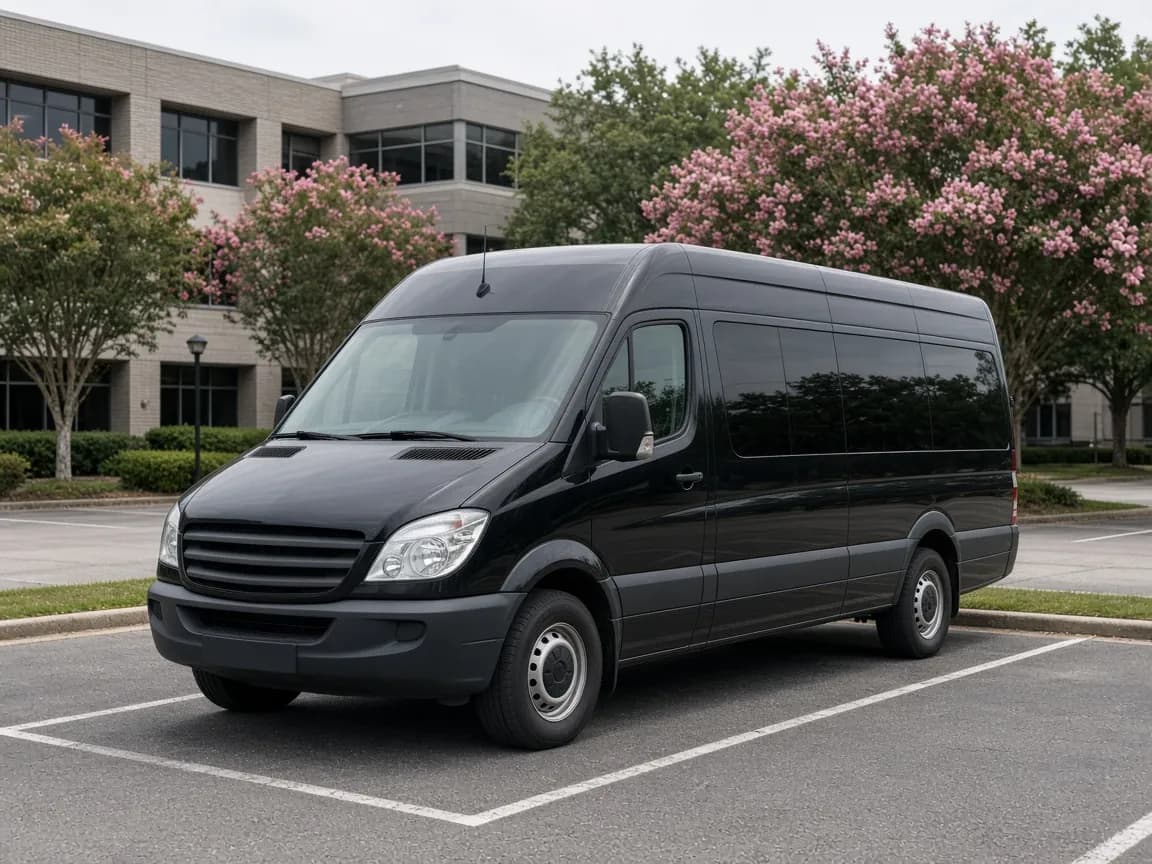
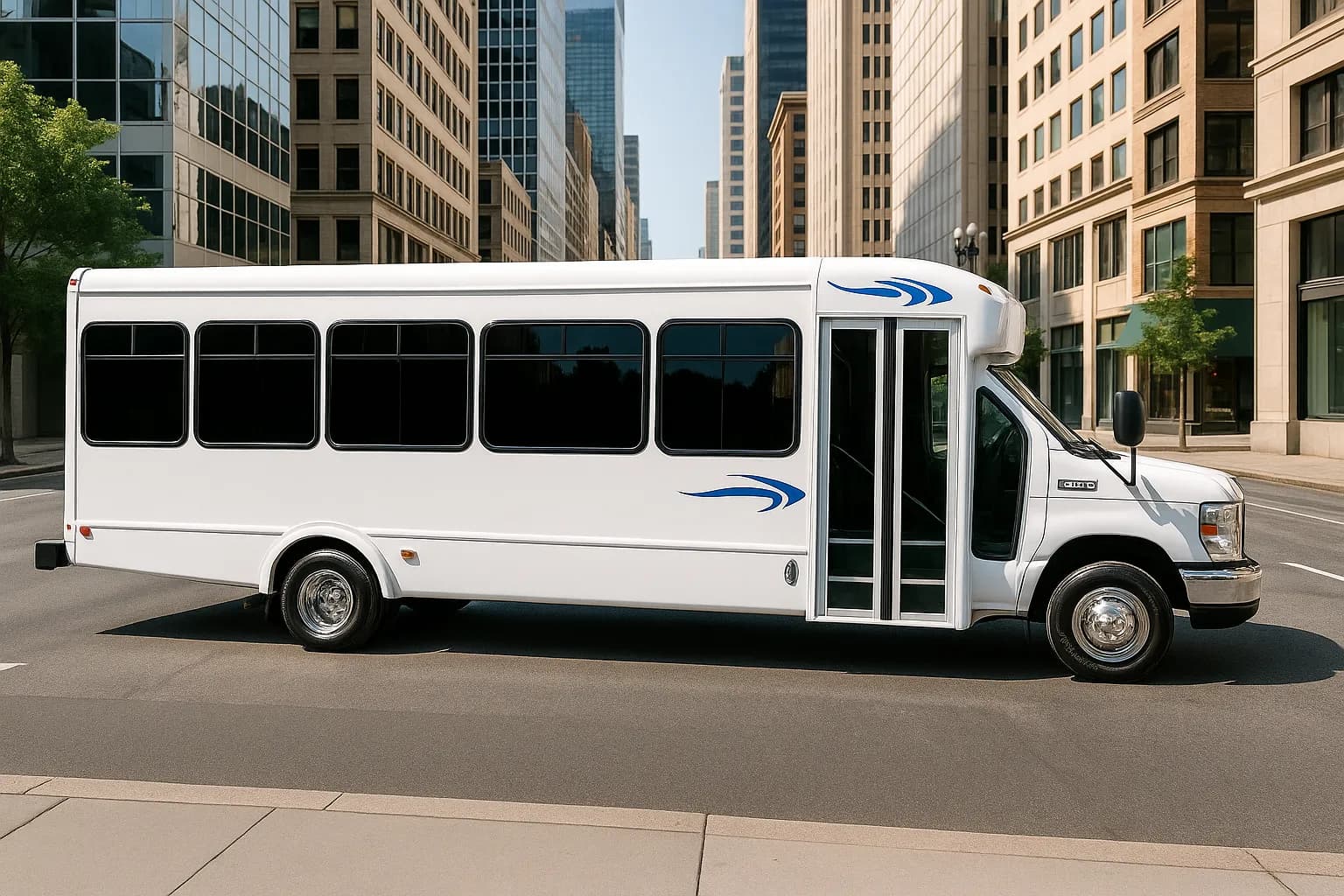
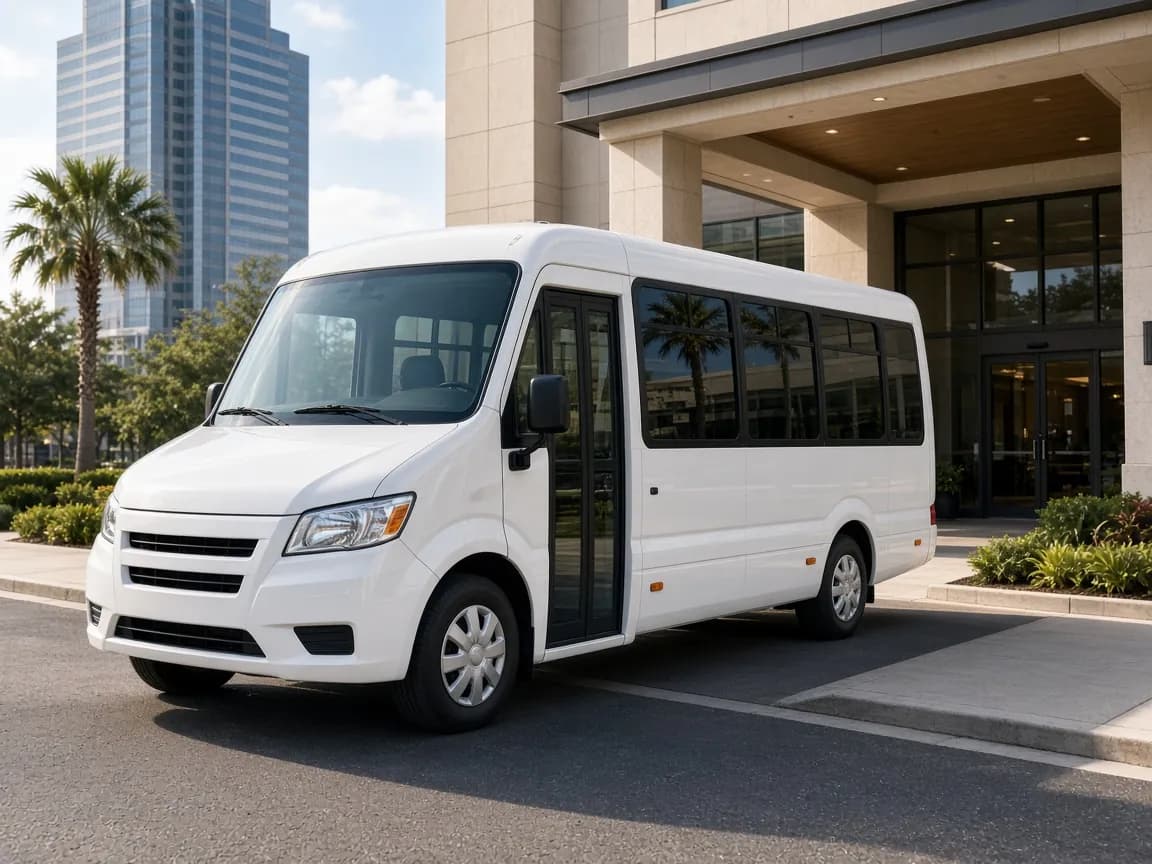
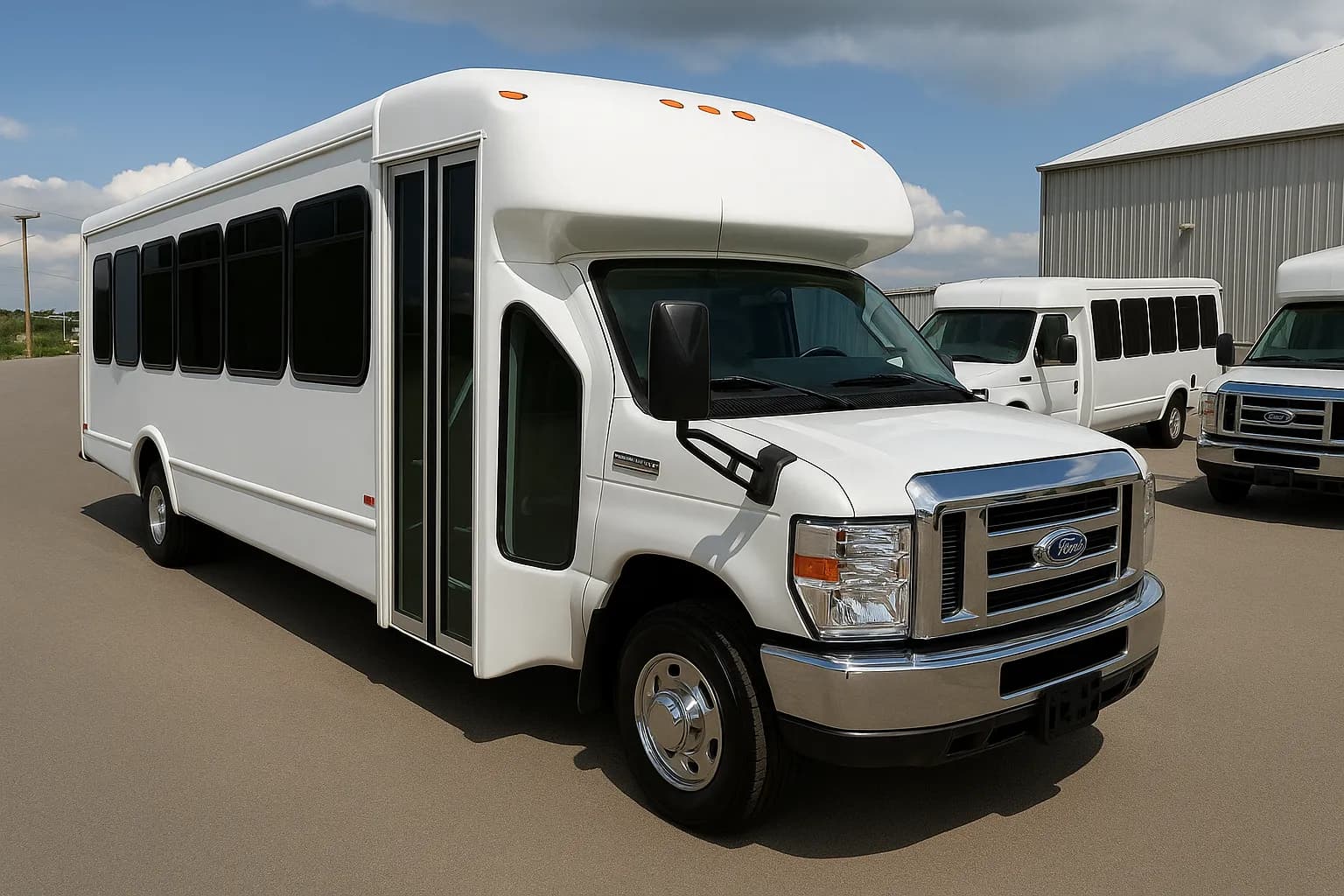
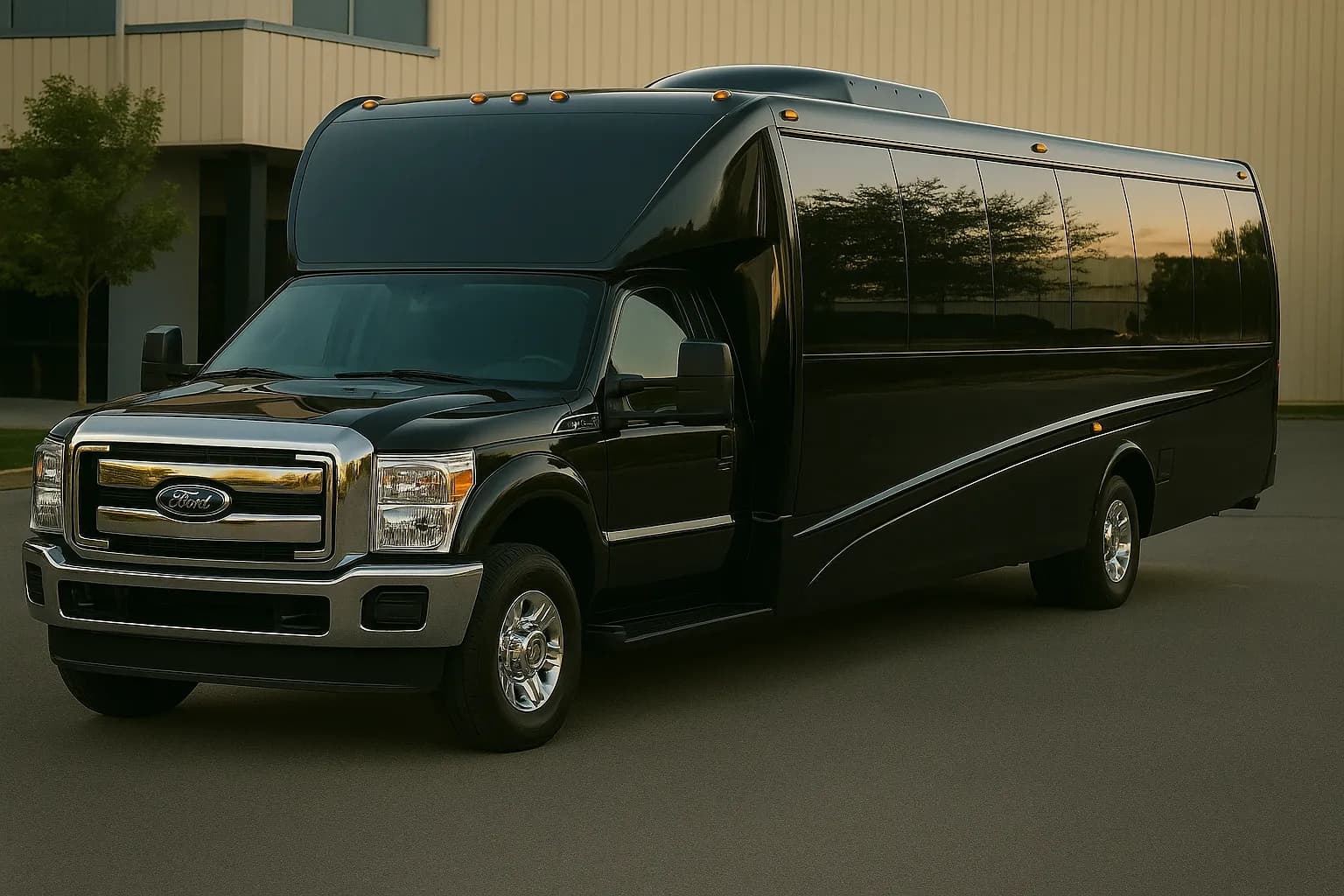
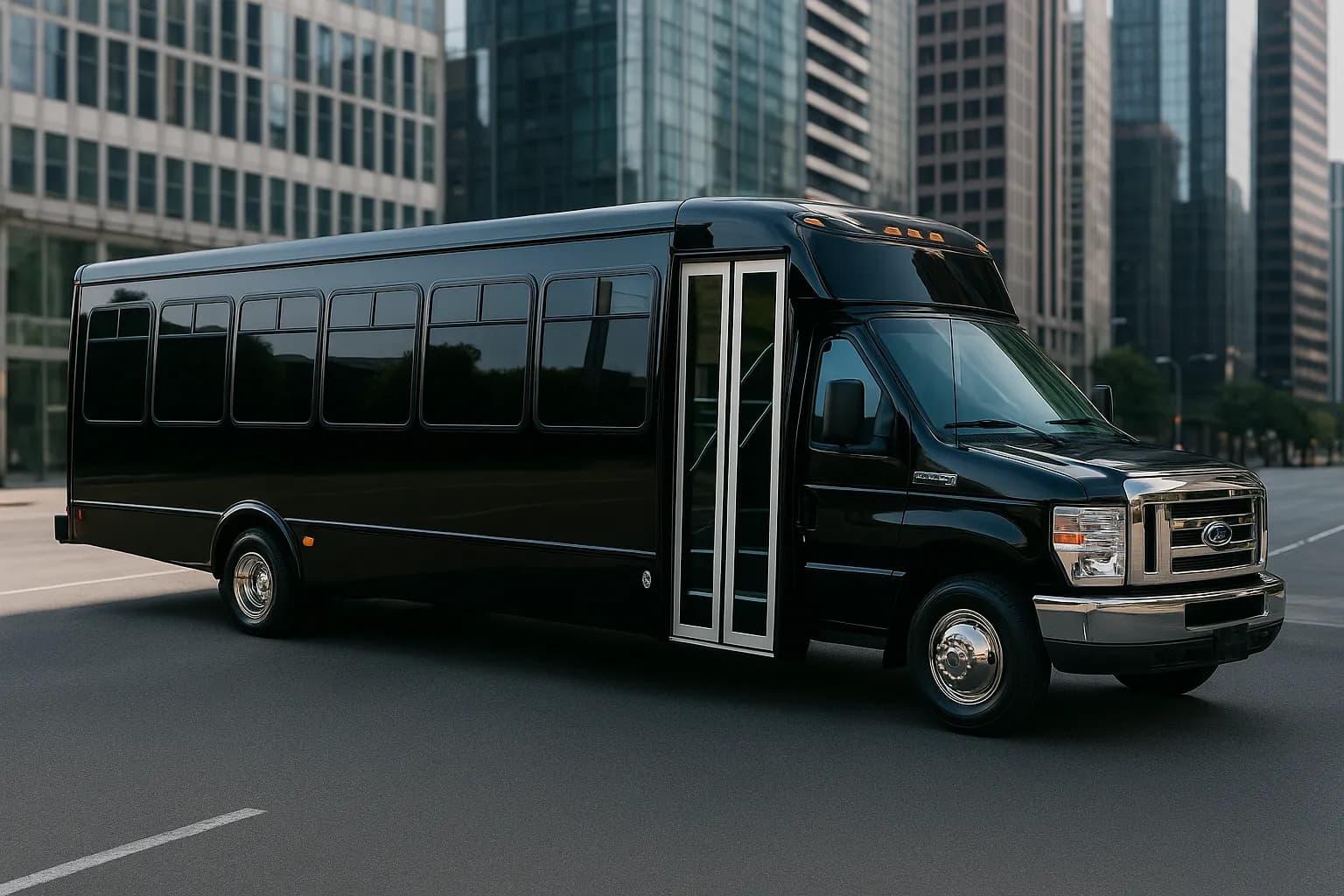
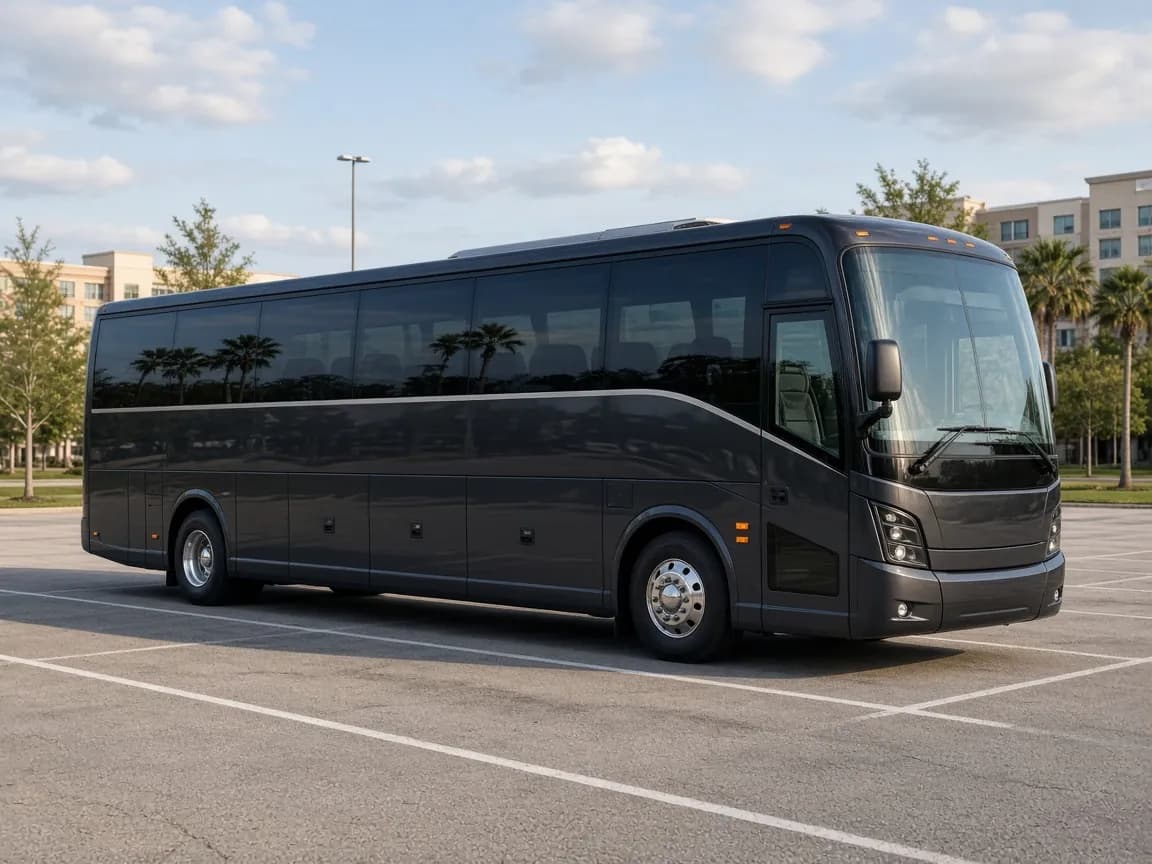
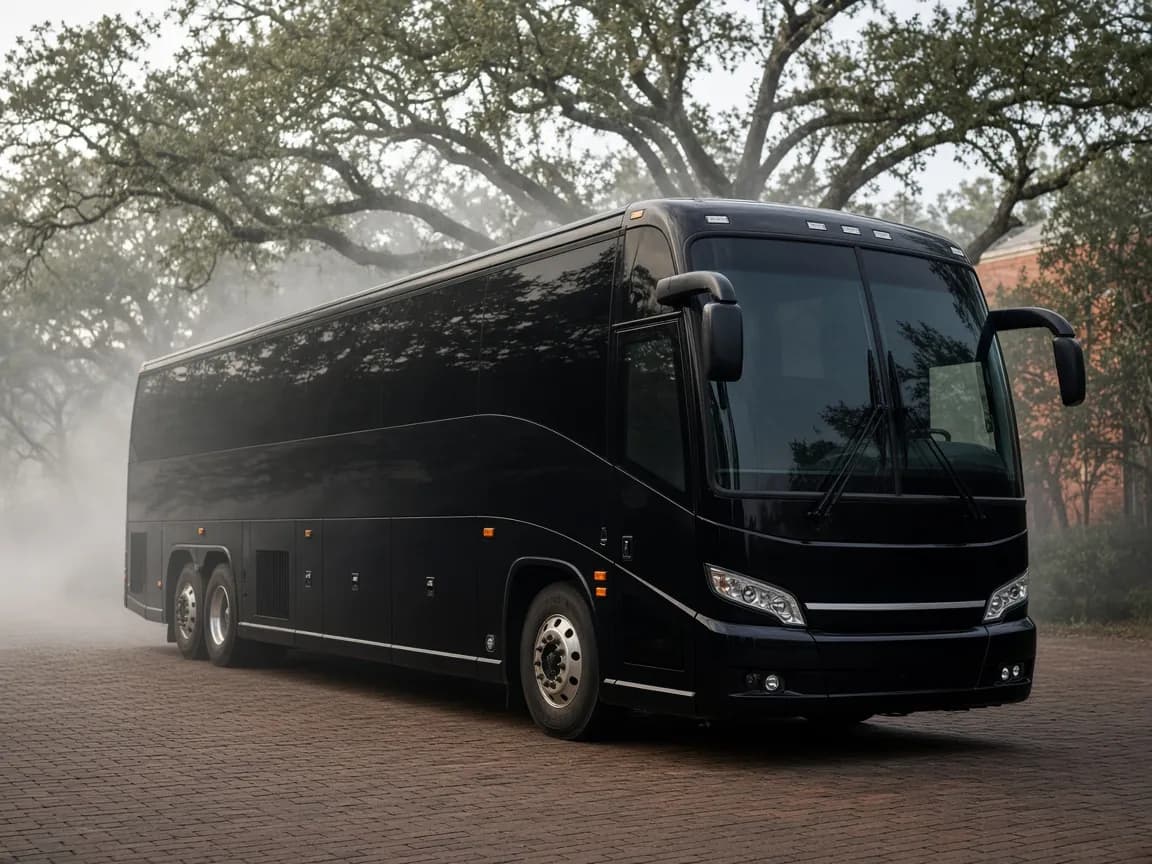
Pick the class before the size. A party bus suits a group that wants to stand, move about and treat the ride as part of the night. A limousine suits a seated, formal arrival, usually for ten or fewer. An executive sprinter, shuttle bus or coach is for getting people and their luggage somewhere on forward-facing seats. Then choose the size that fits your confirmed headcount with two or three seats left over.
What actually separates the three classes?
Layout. Not size, not finish, not price.
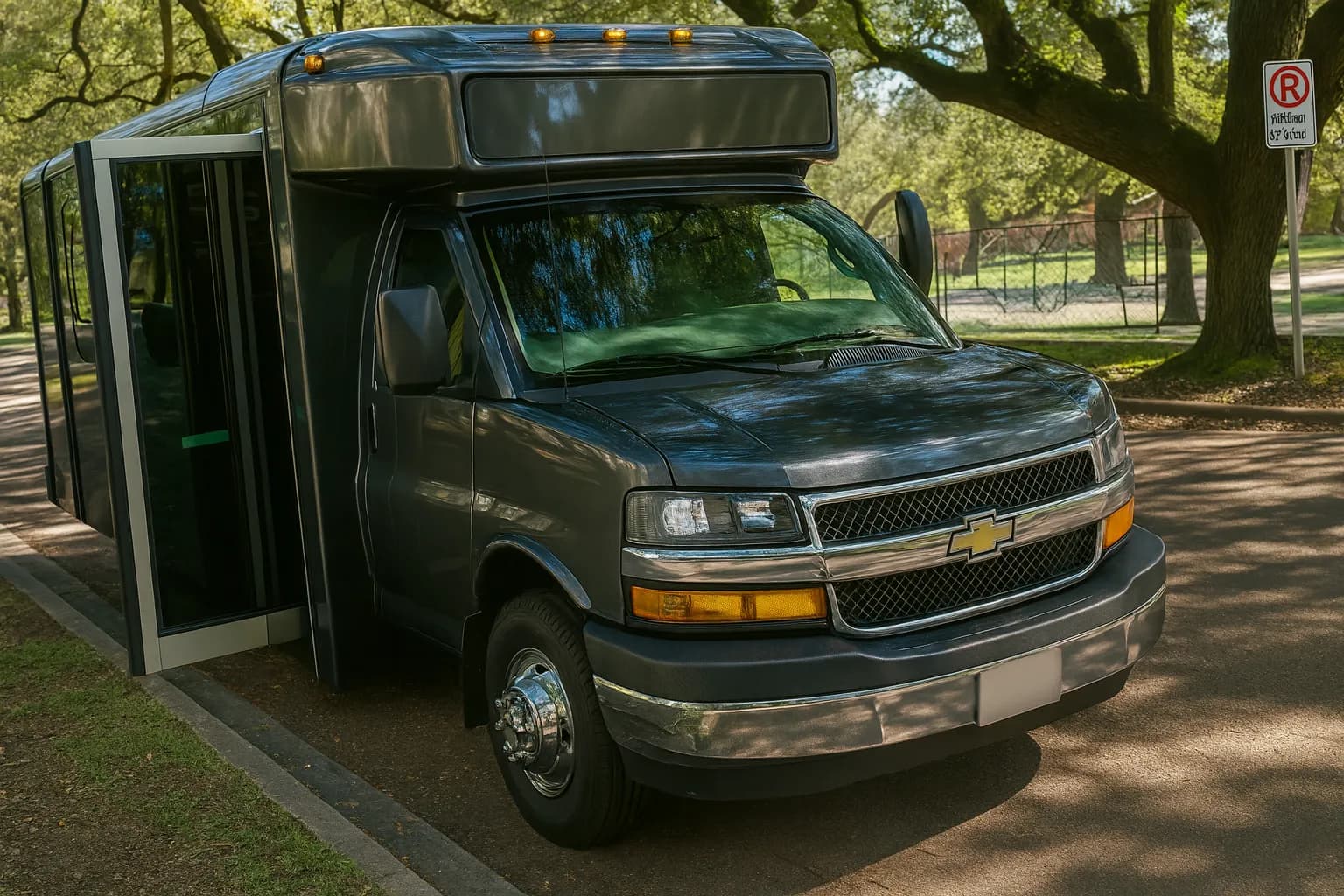
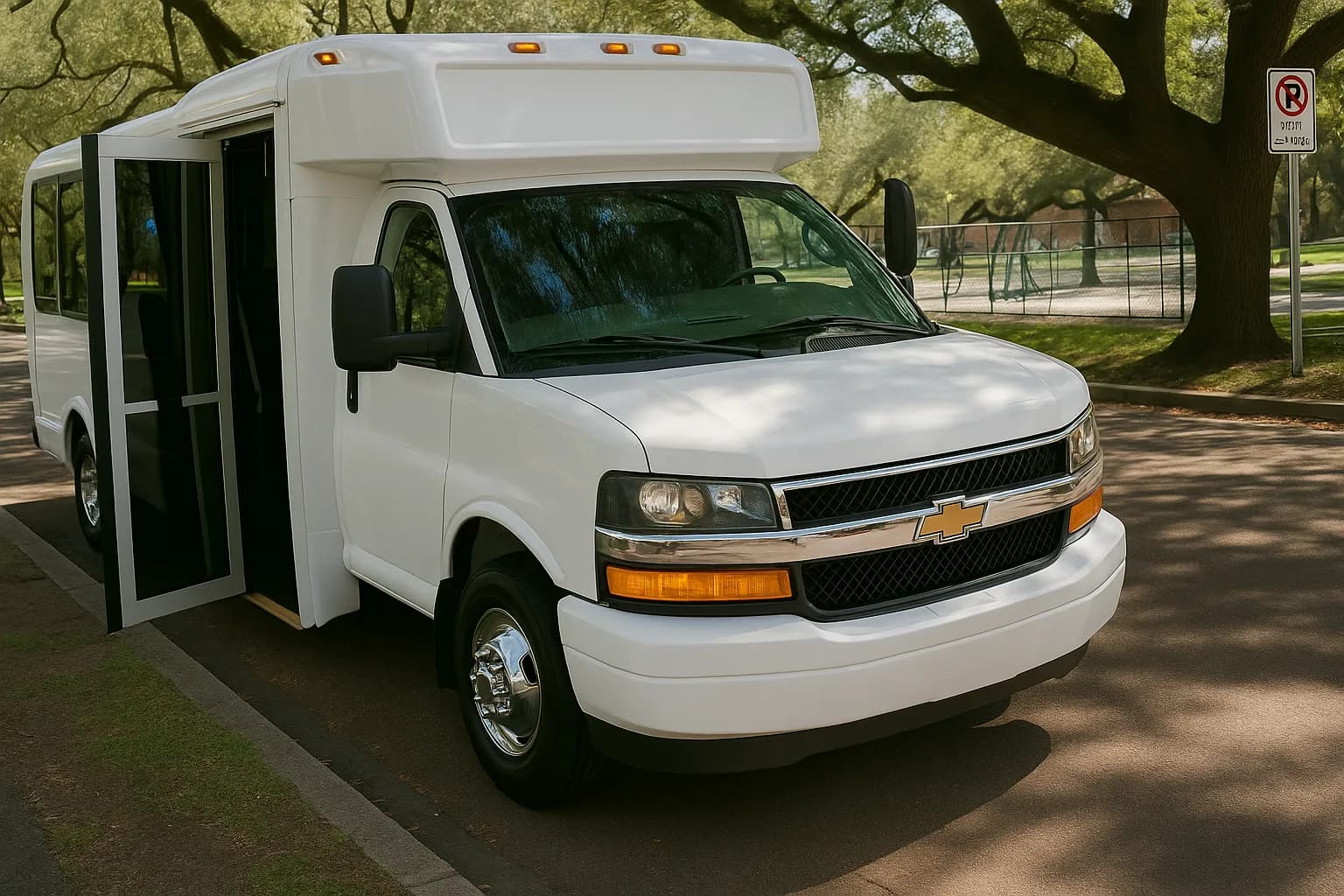
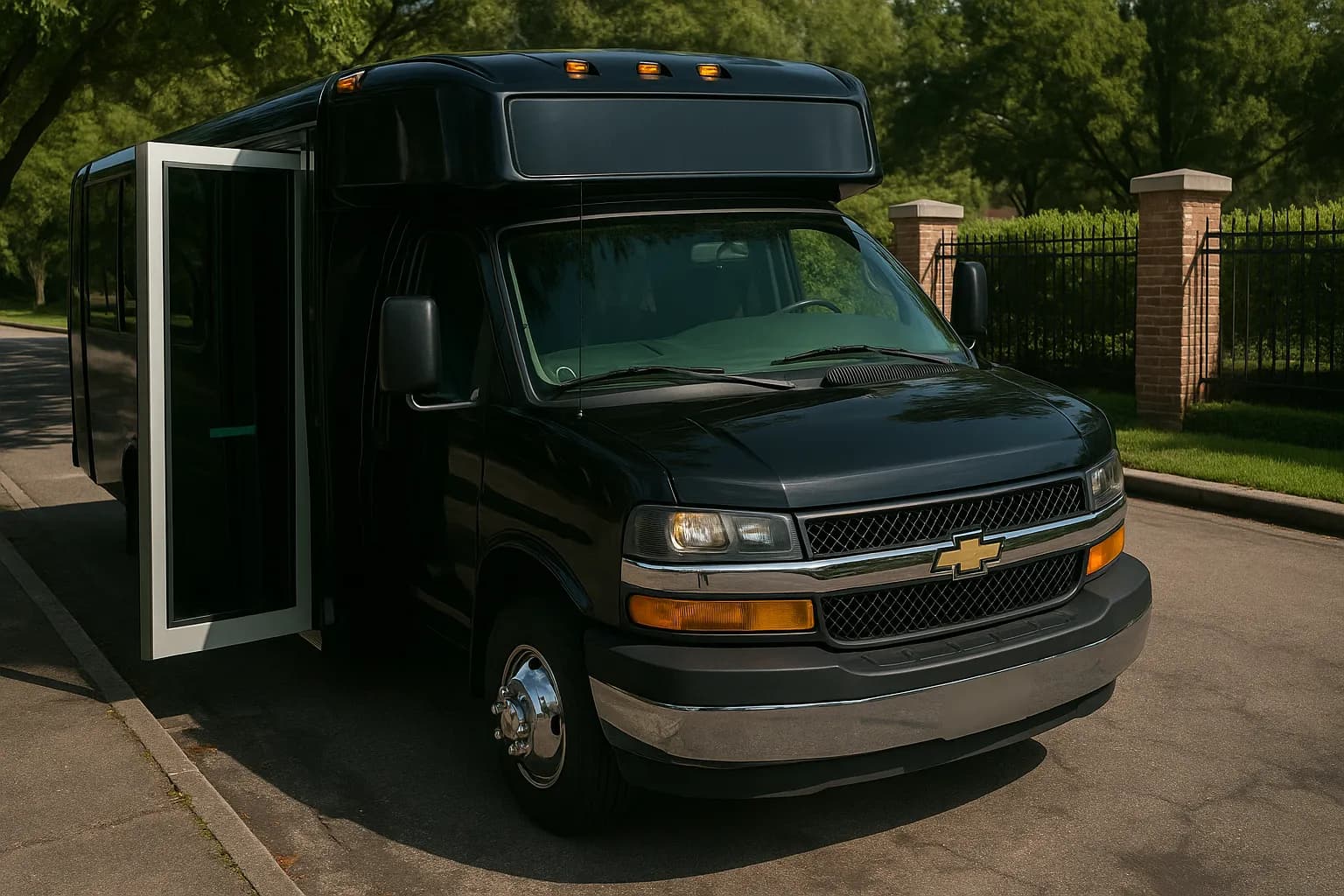
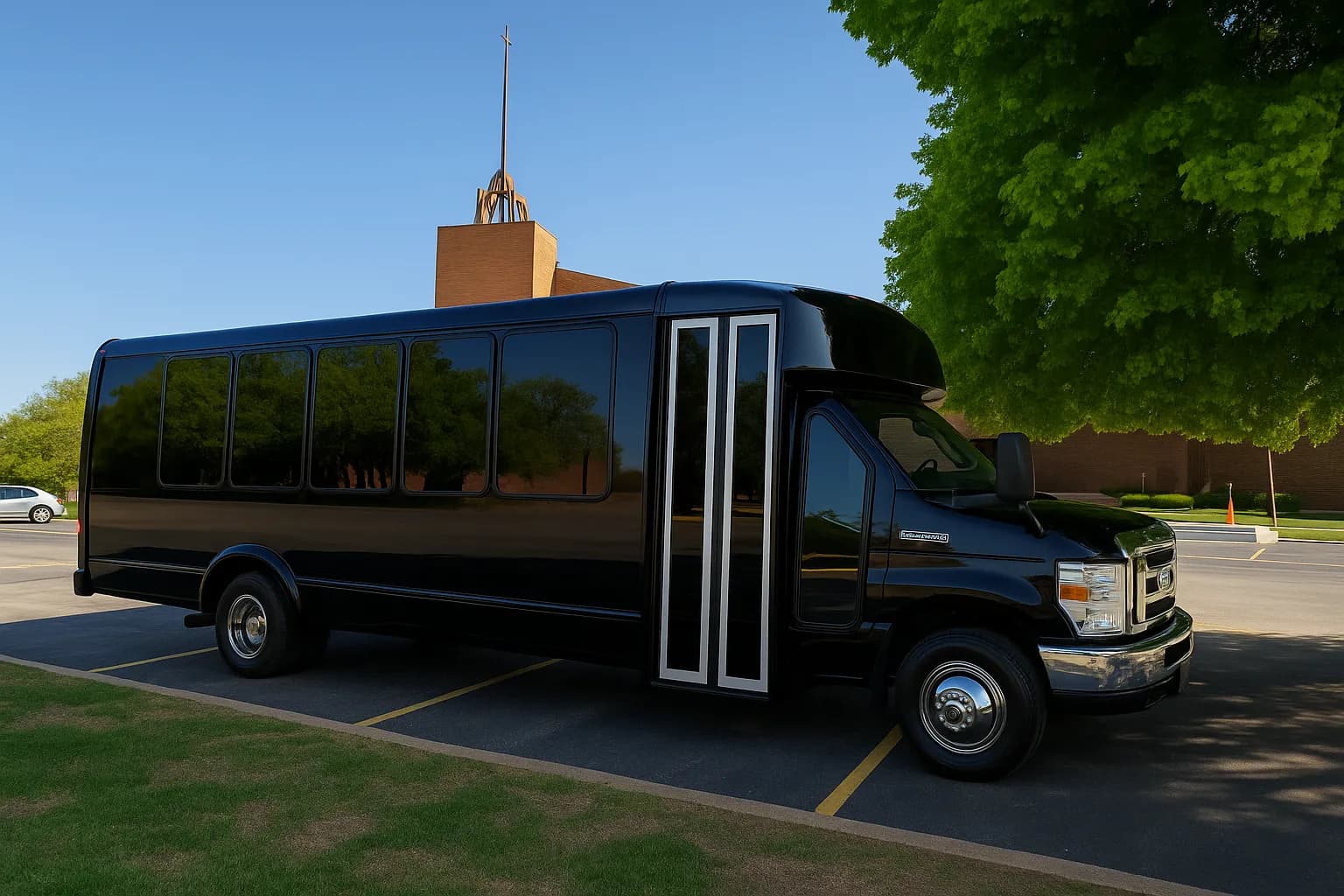
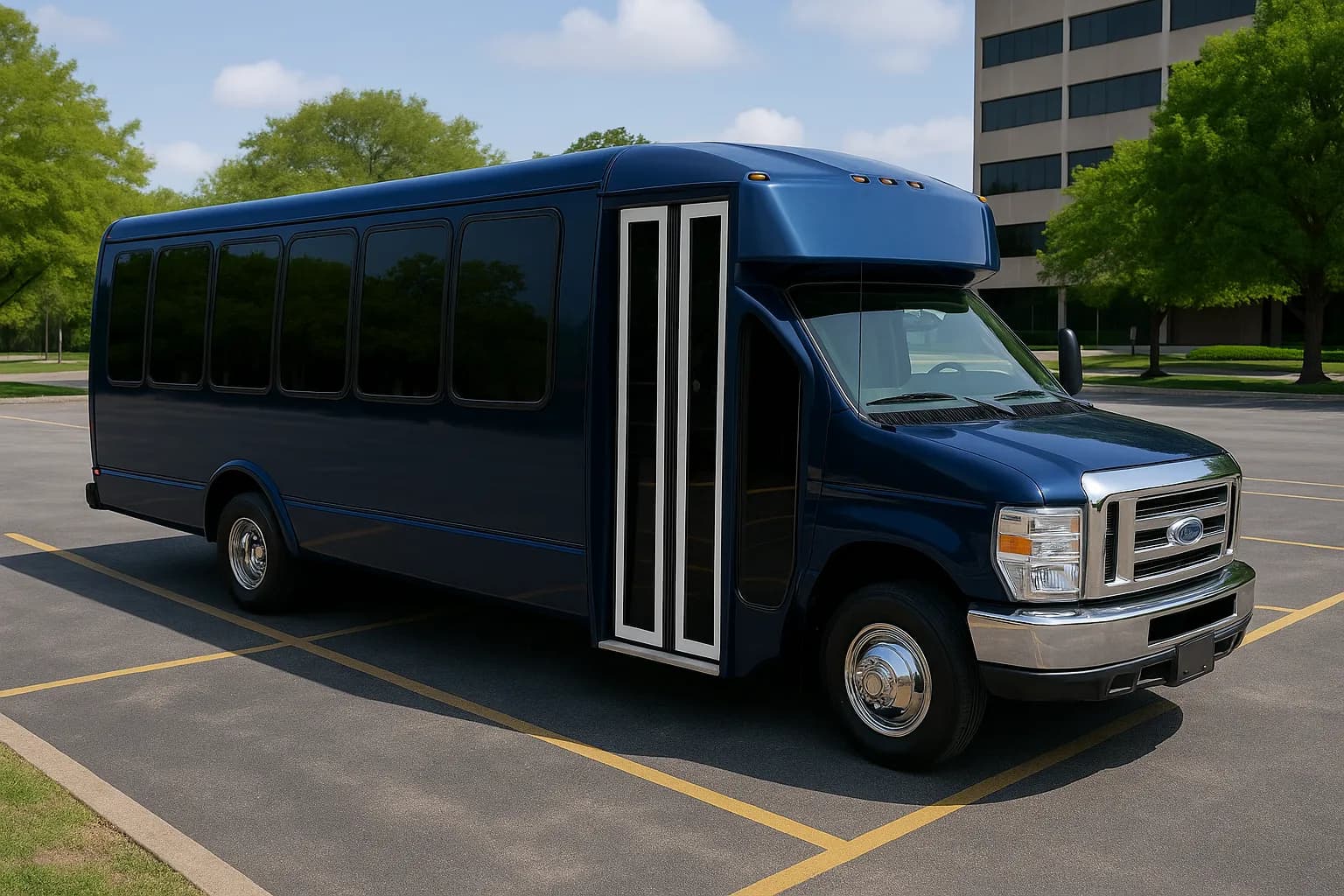
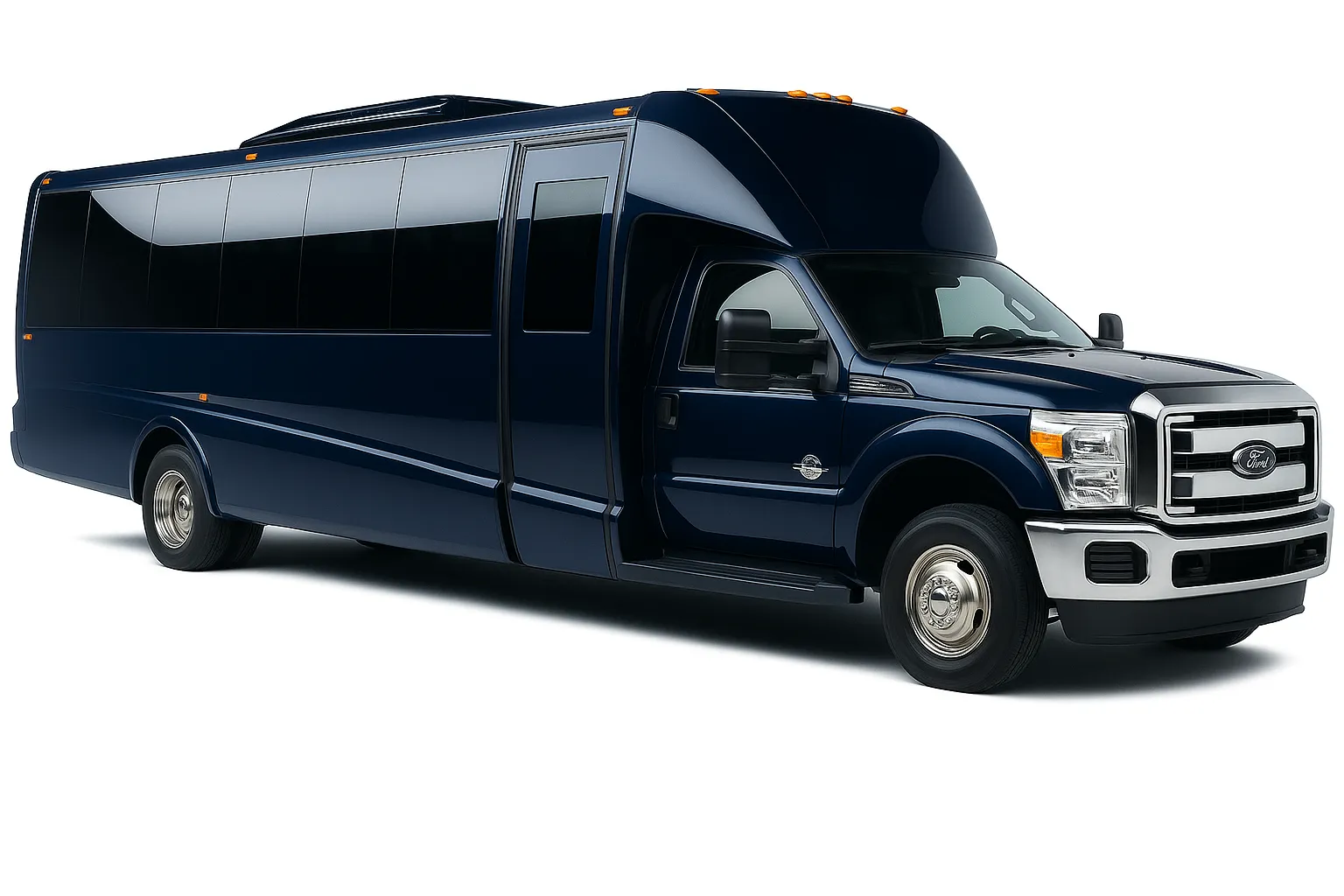
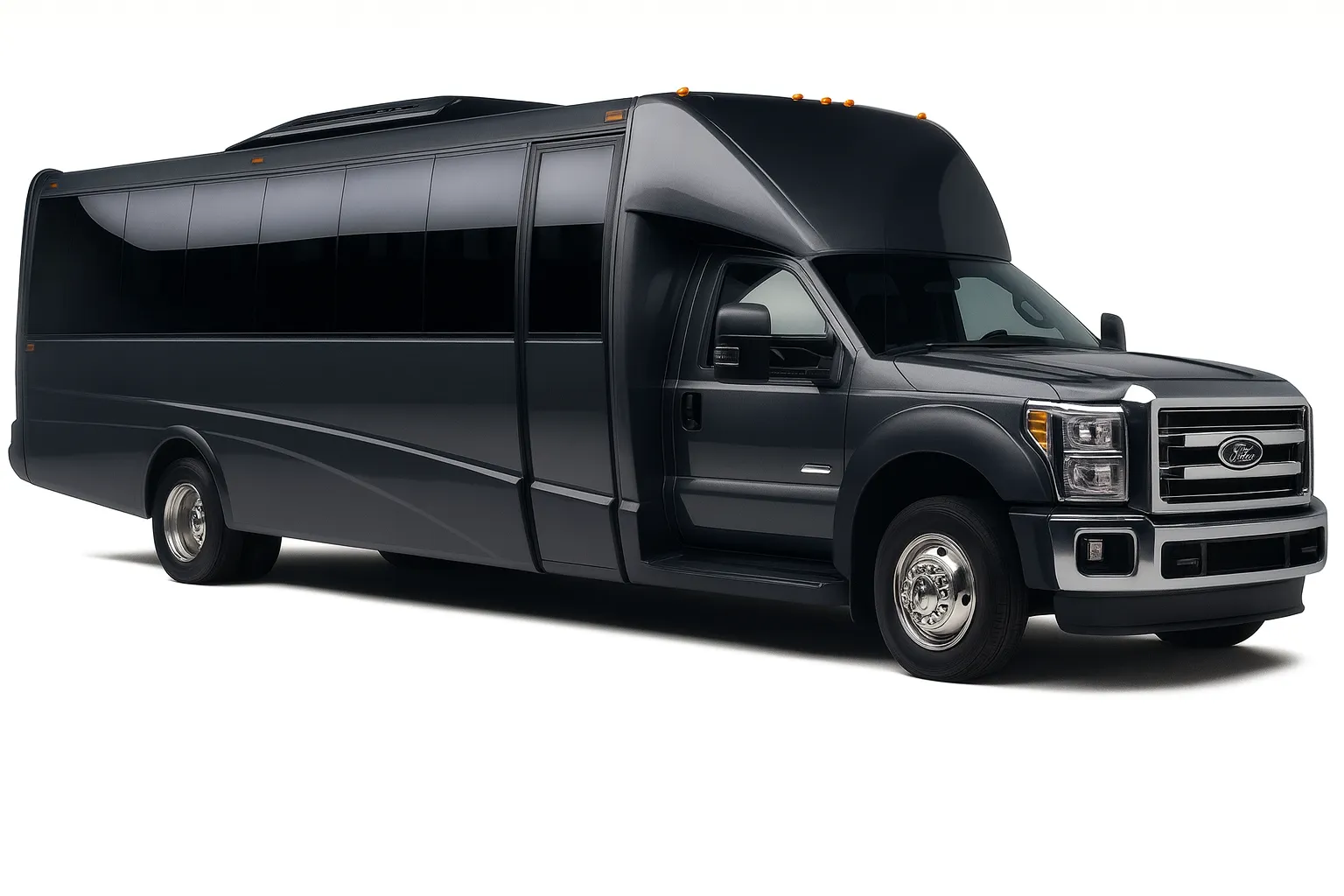
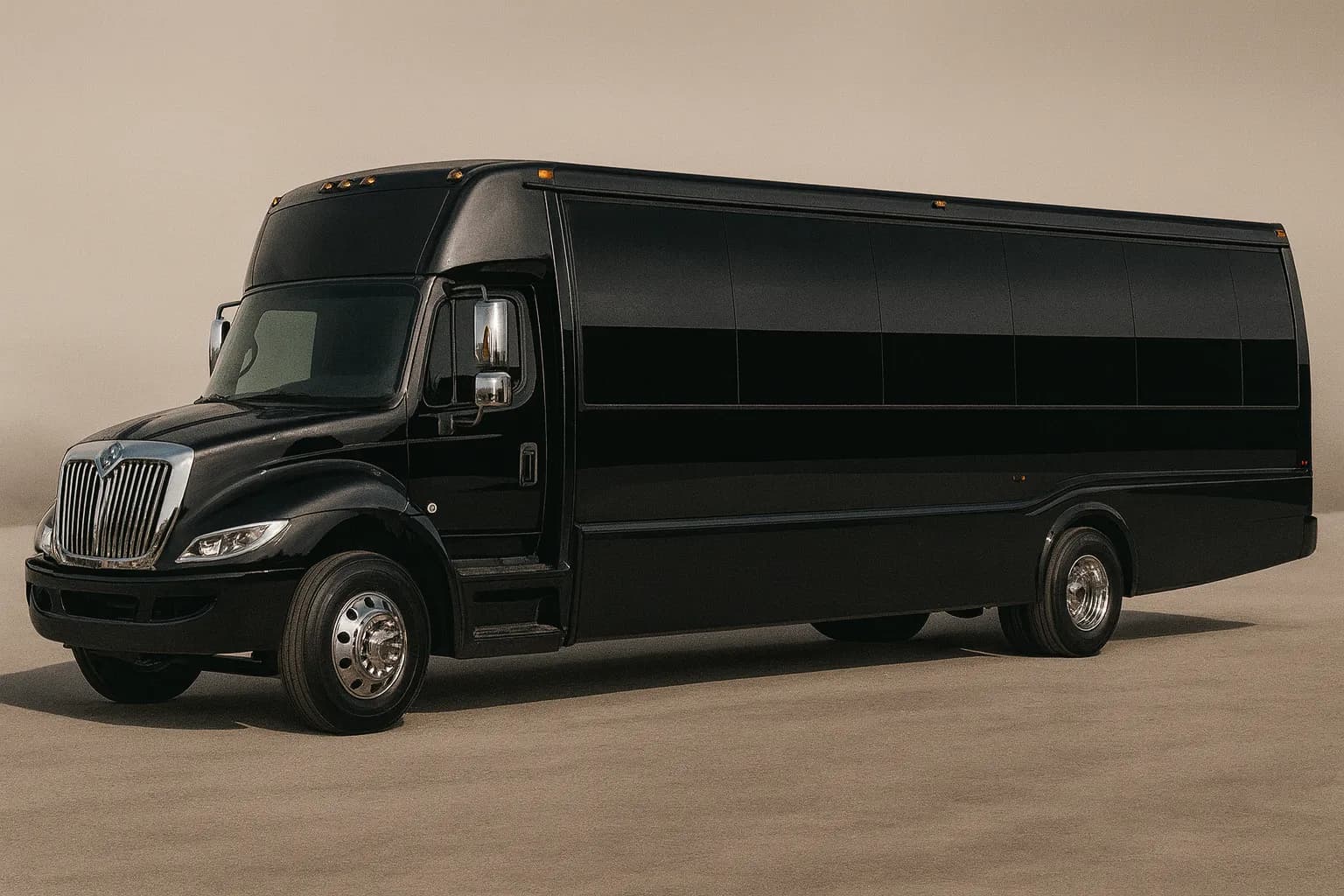
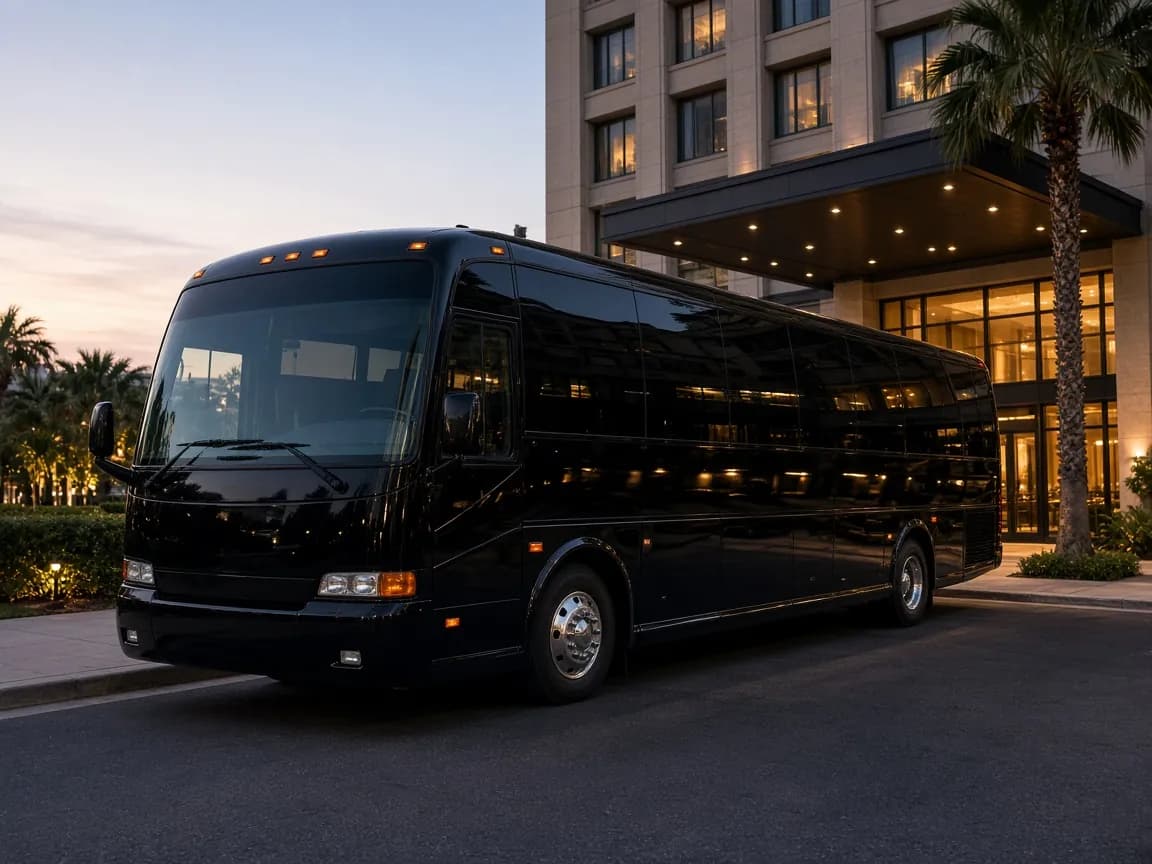
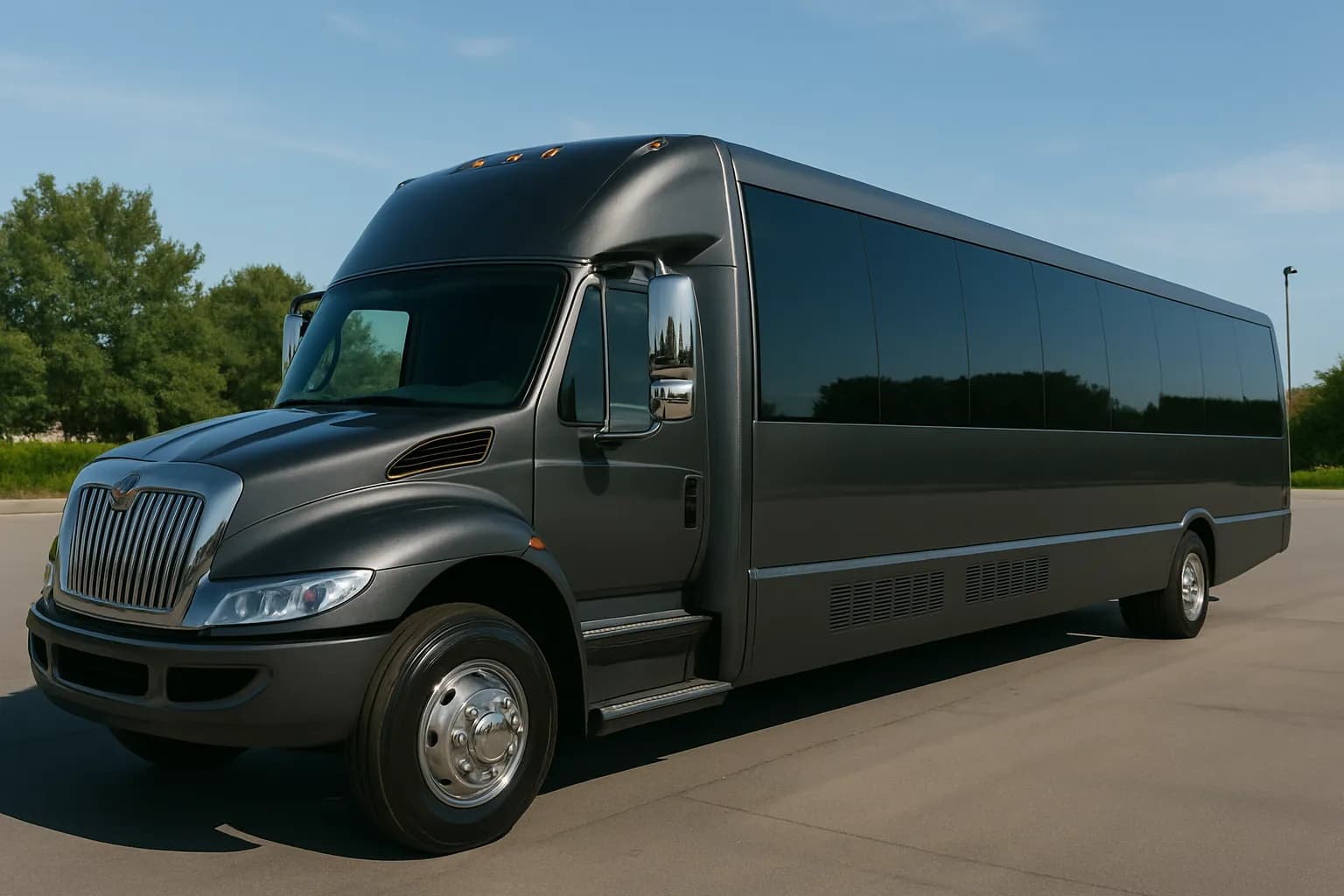
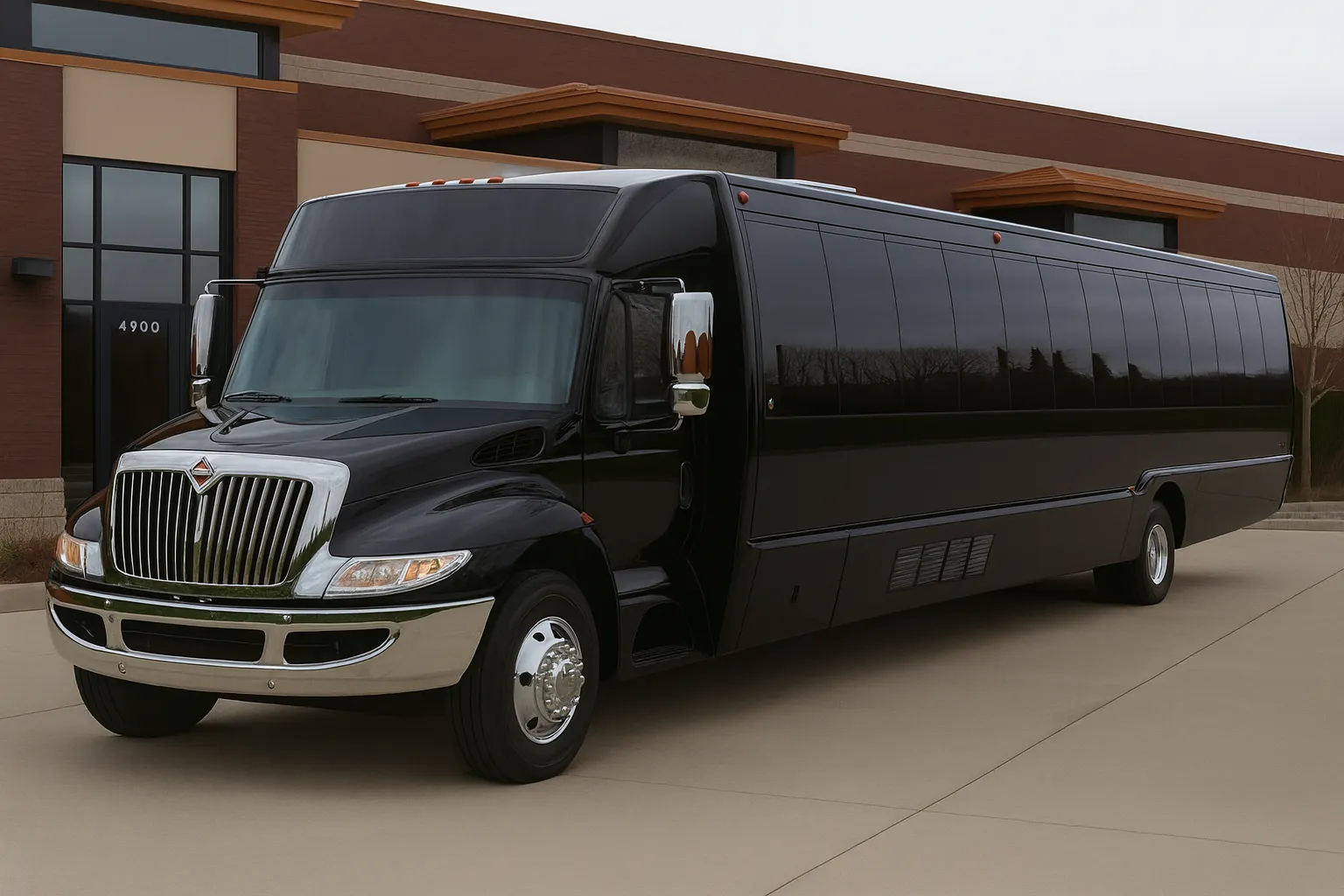
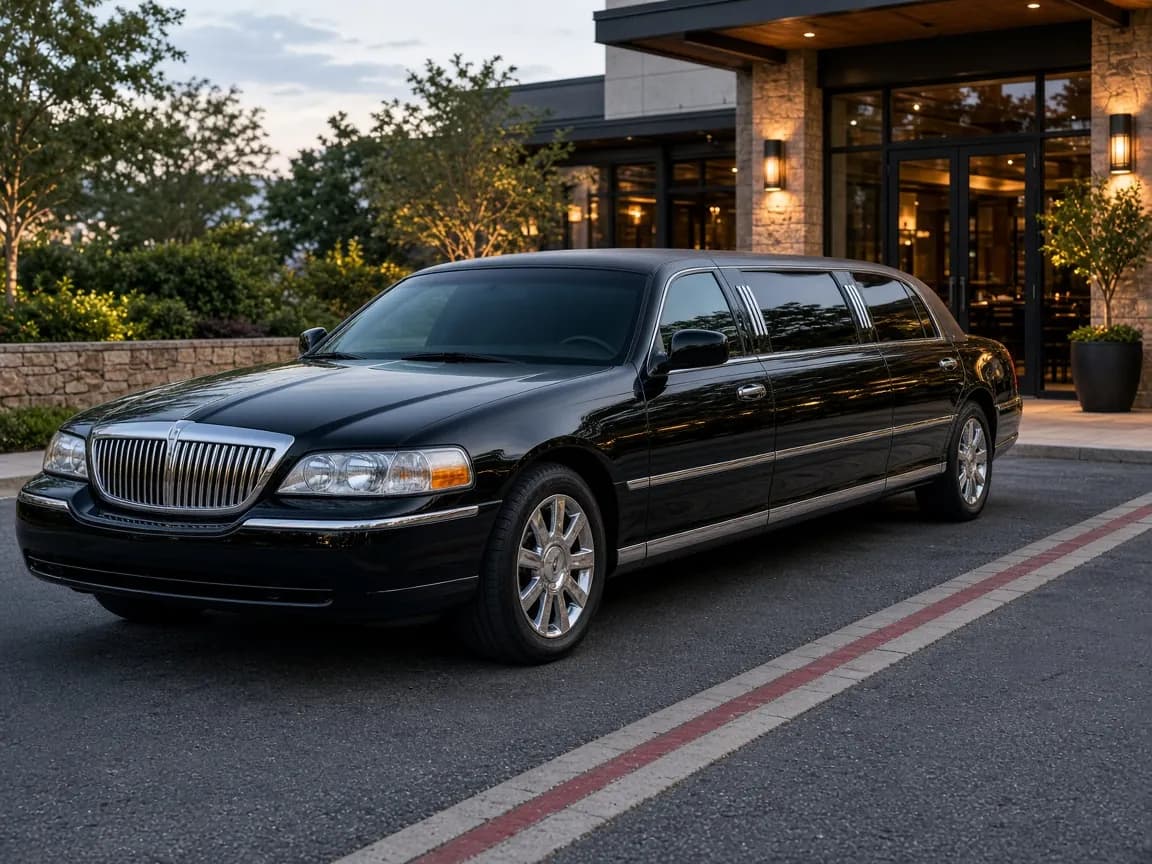
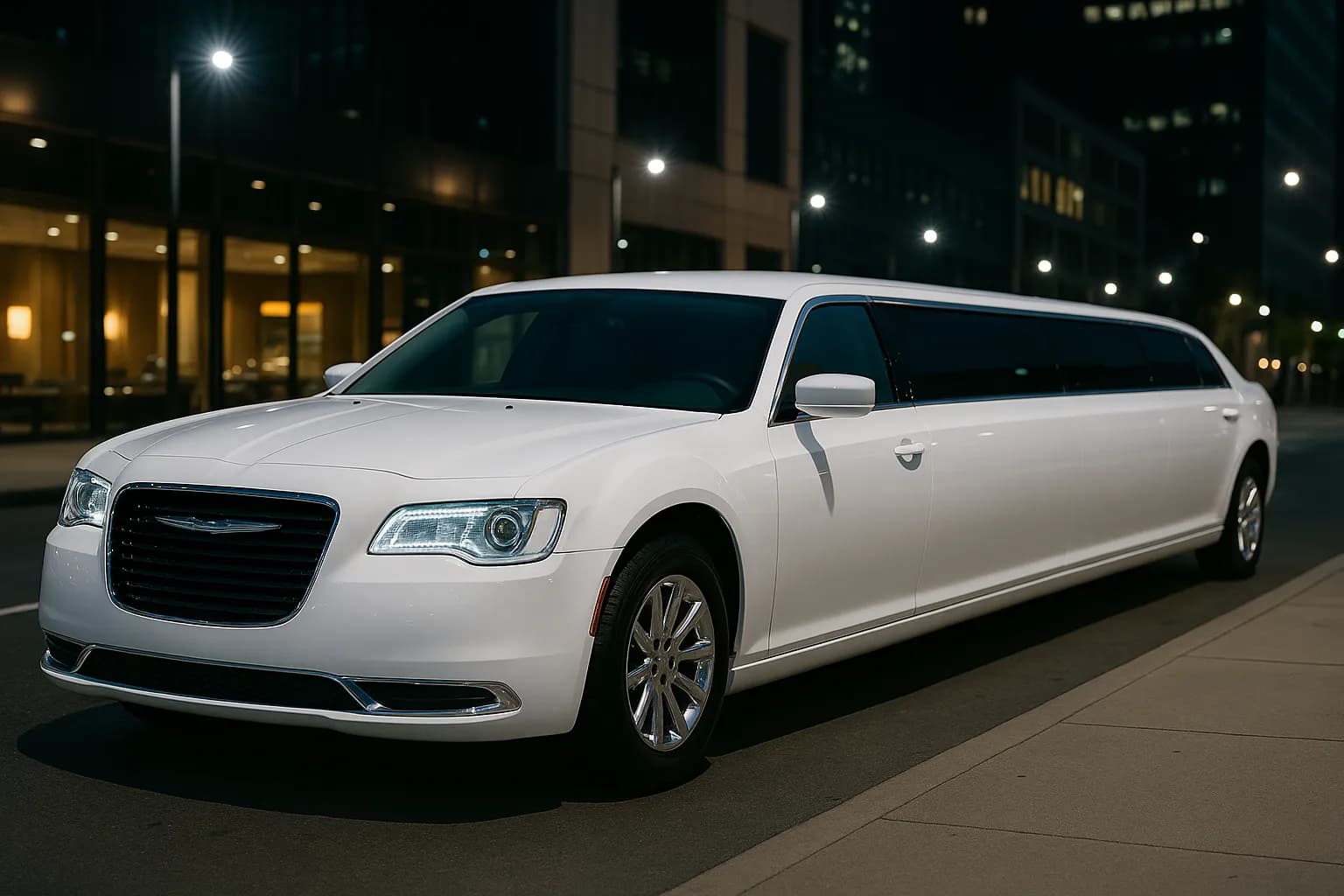
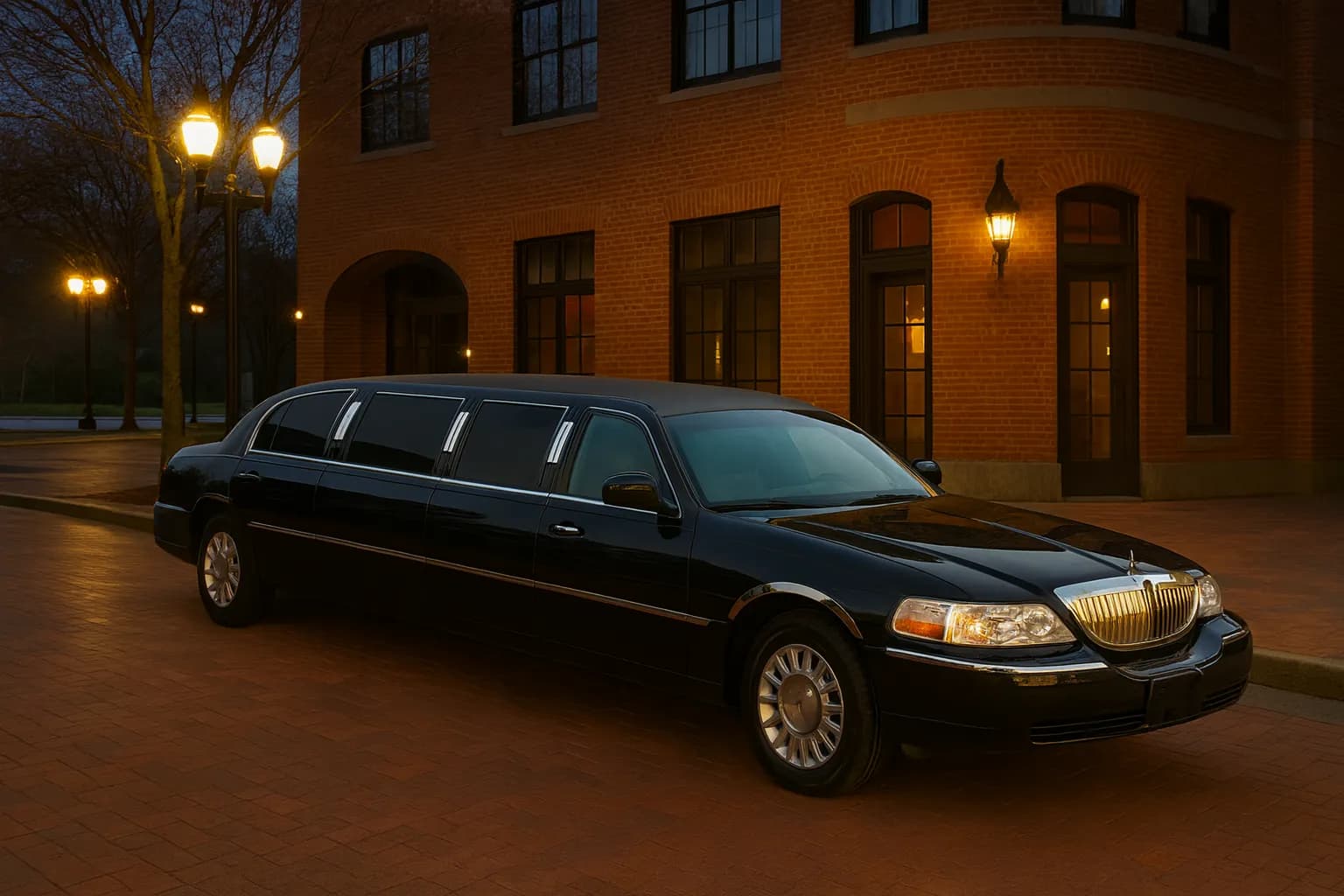
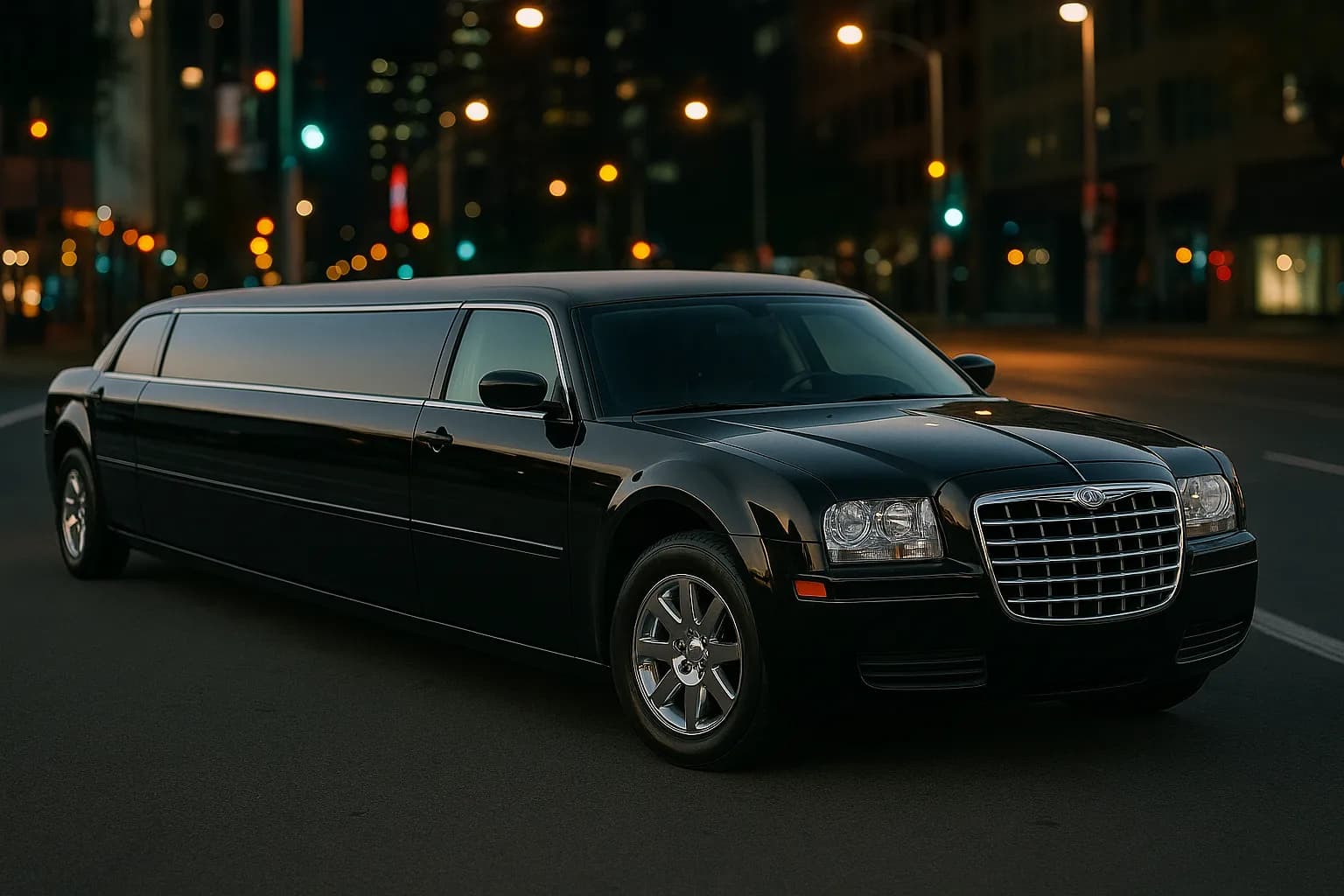
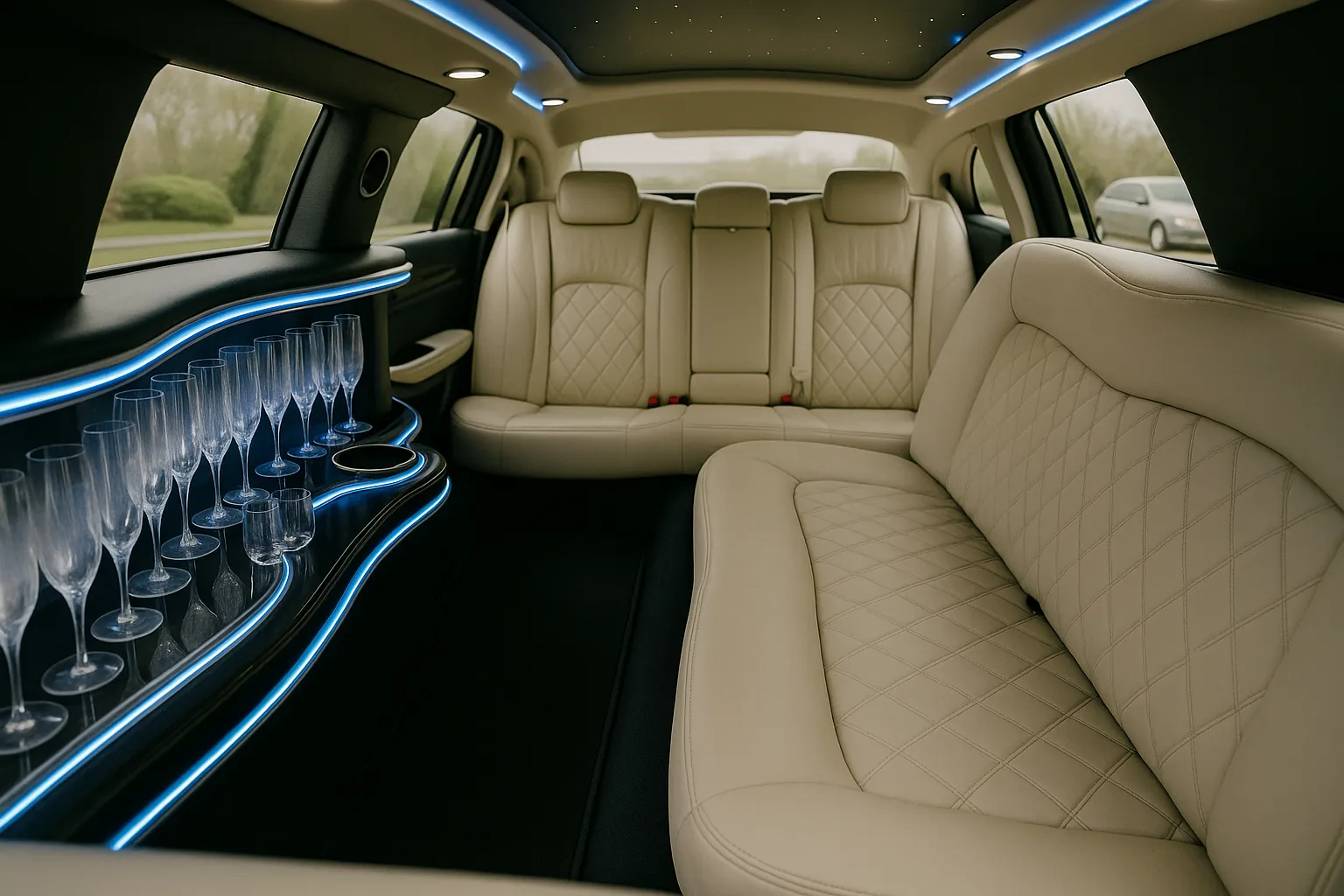
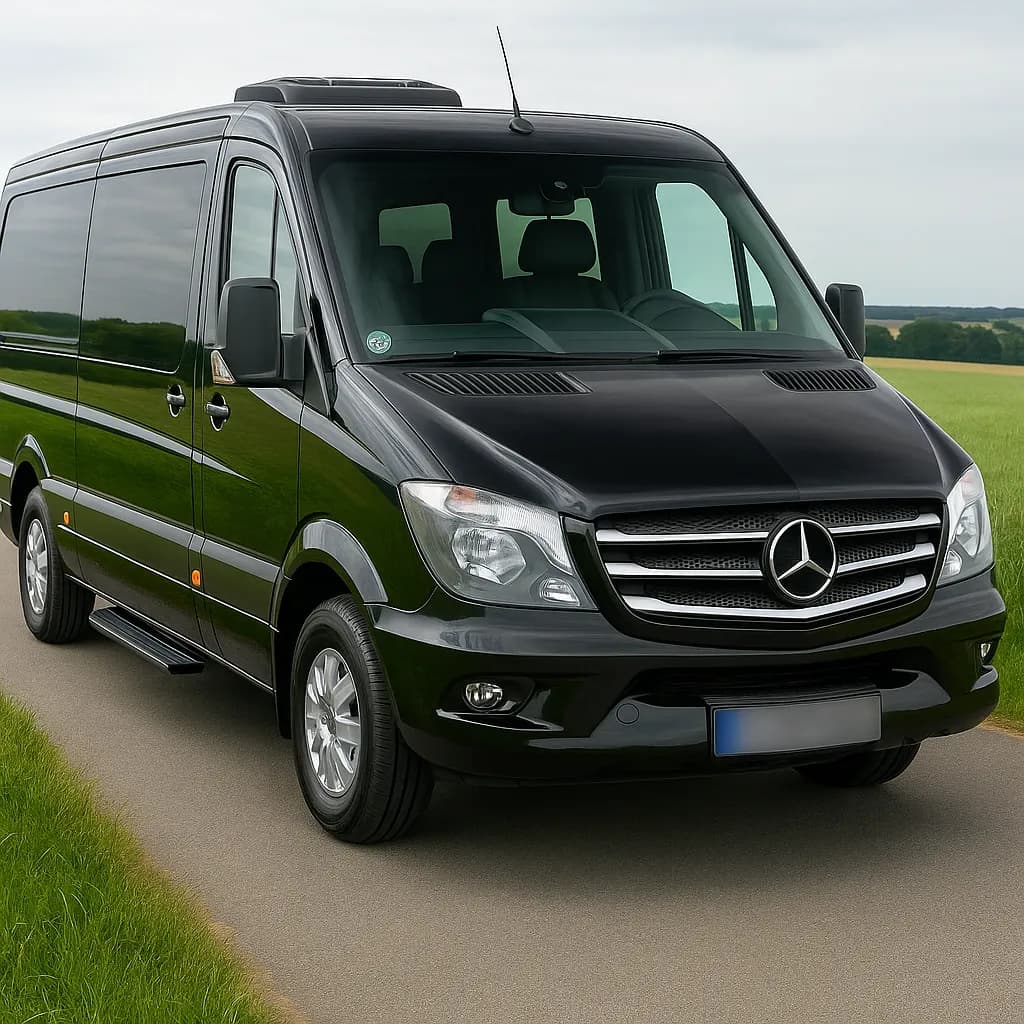
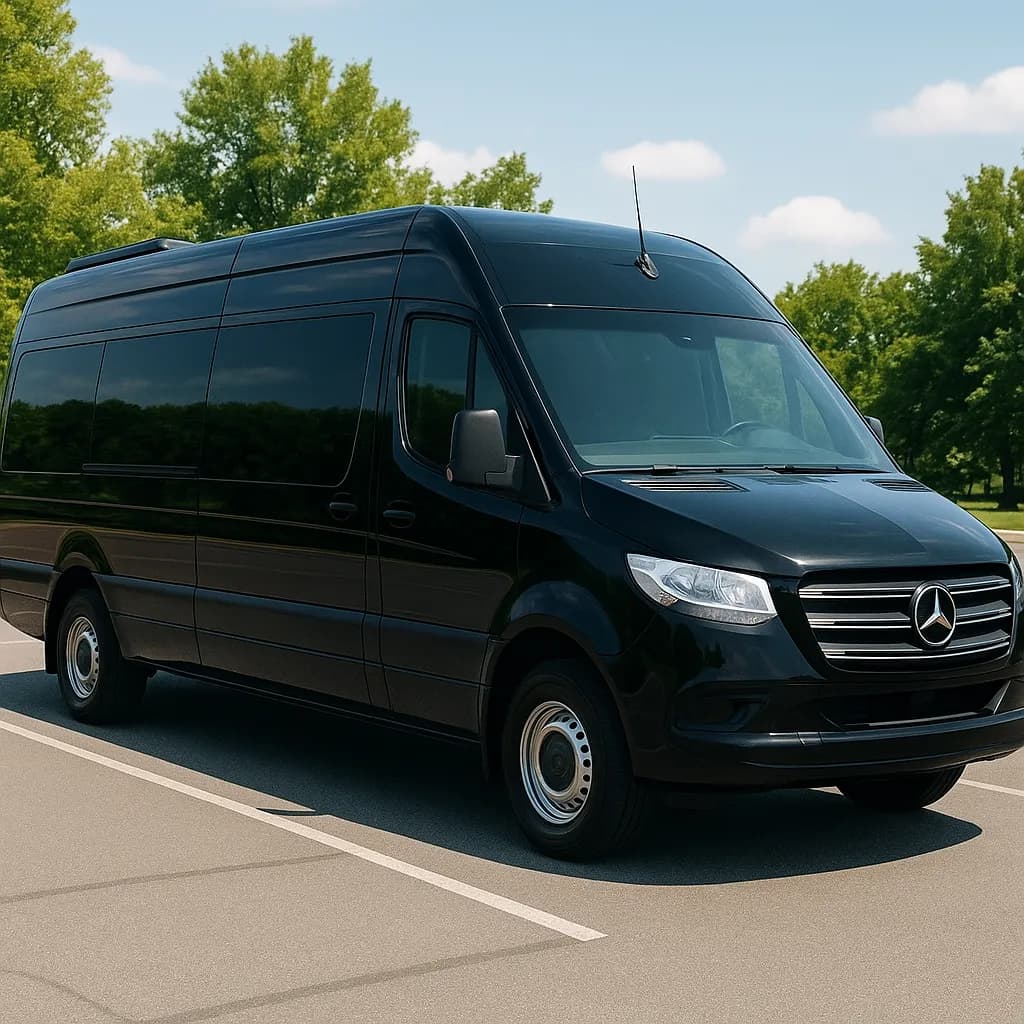
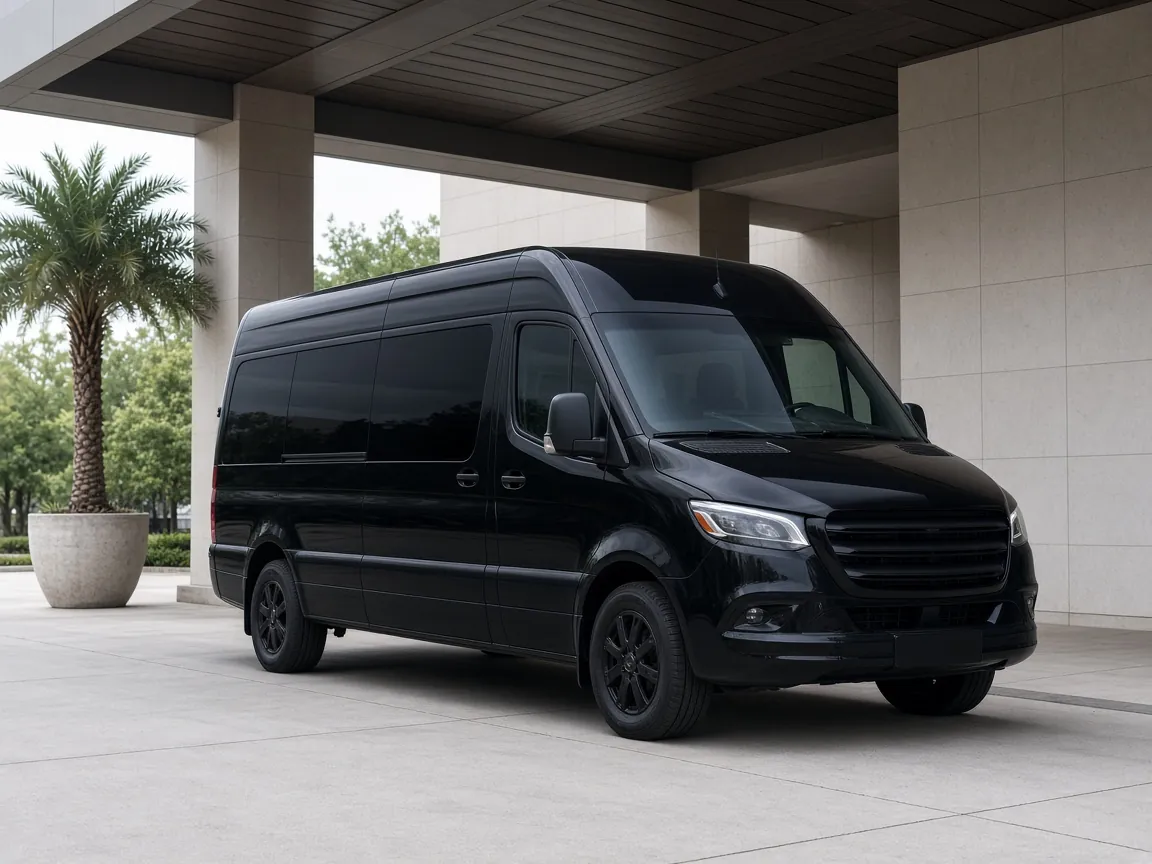
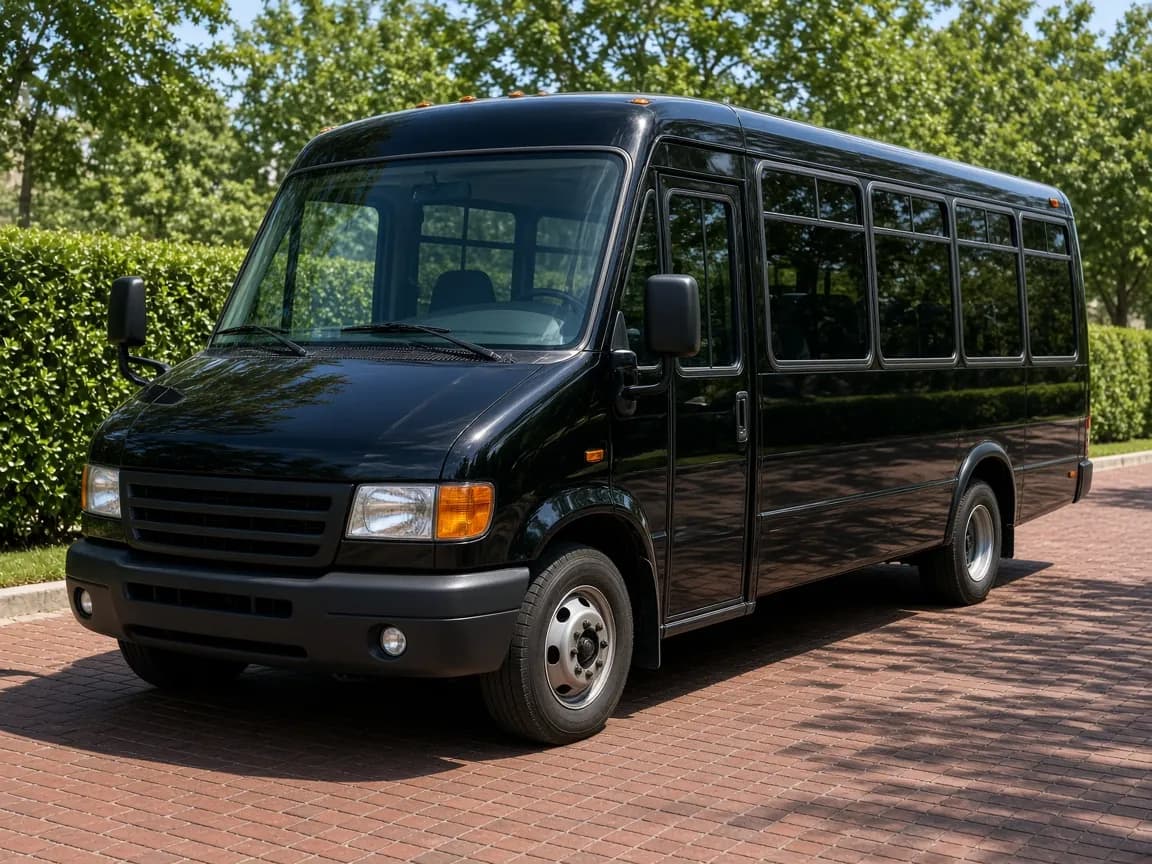
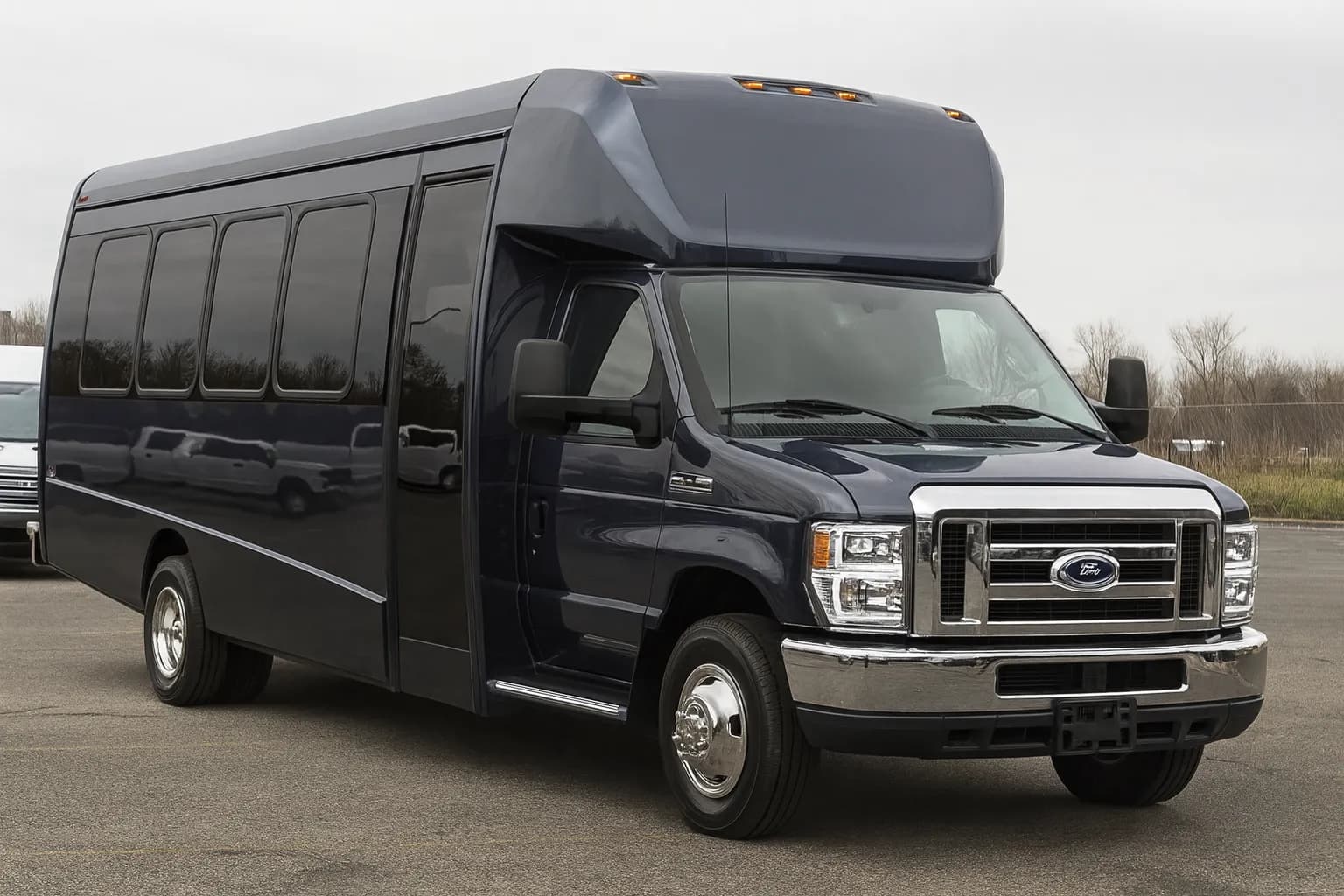
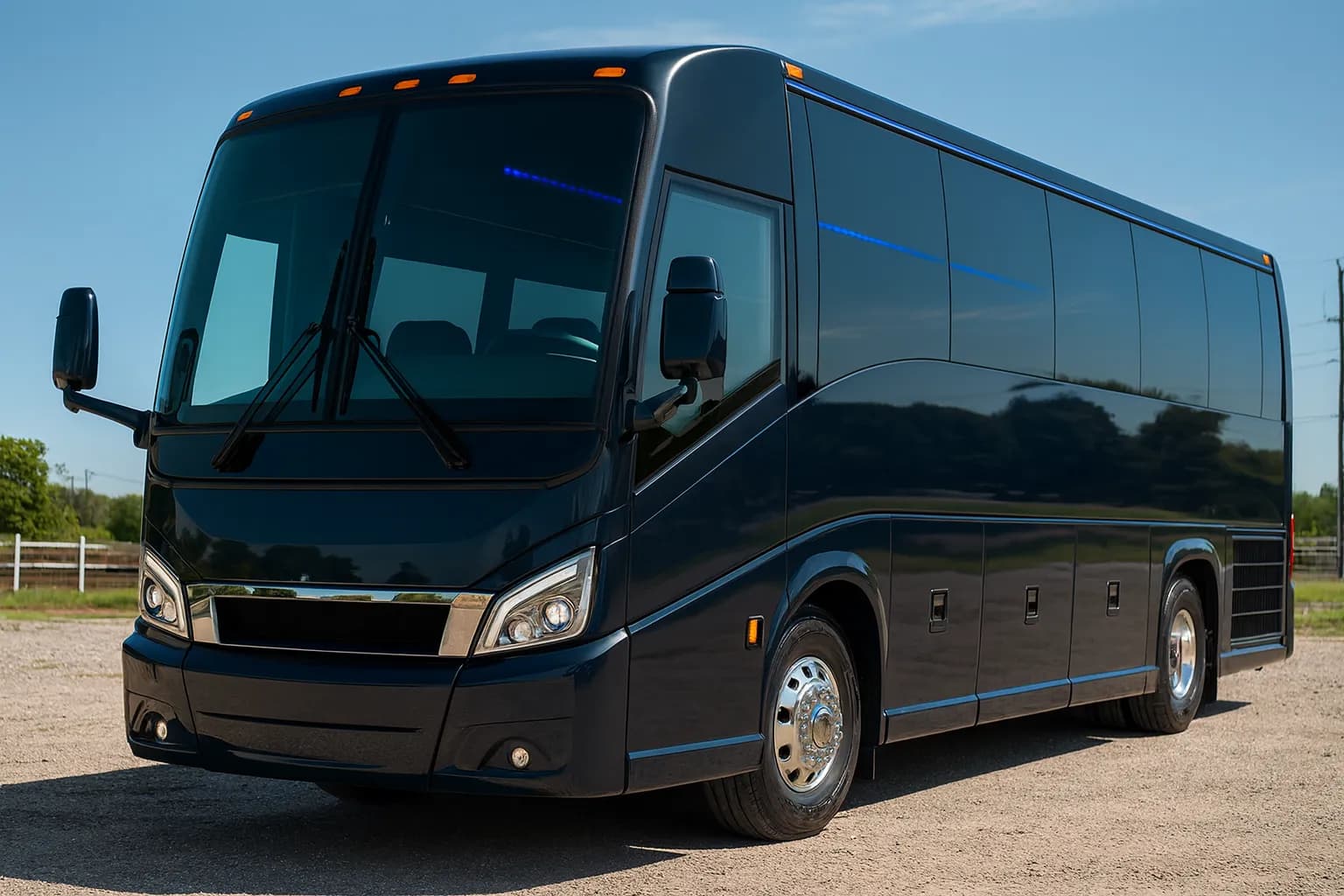
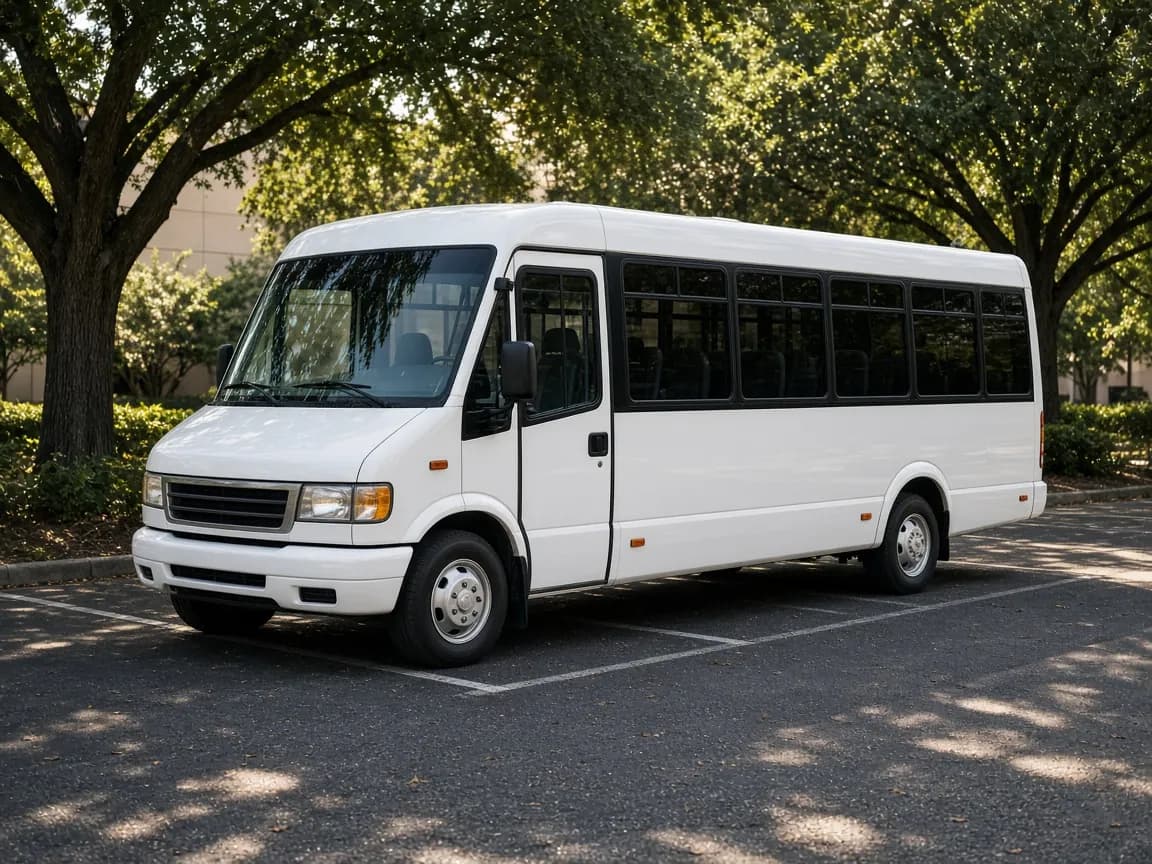
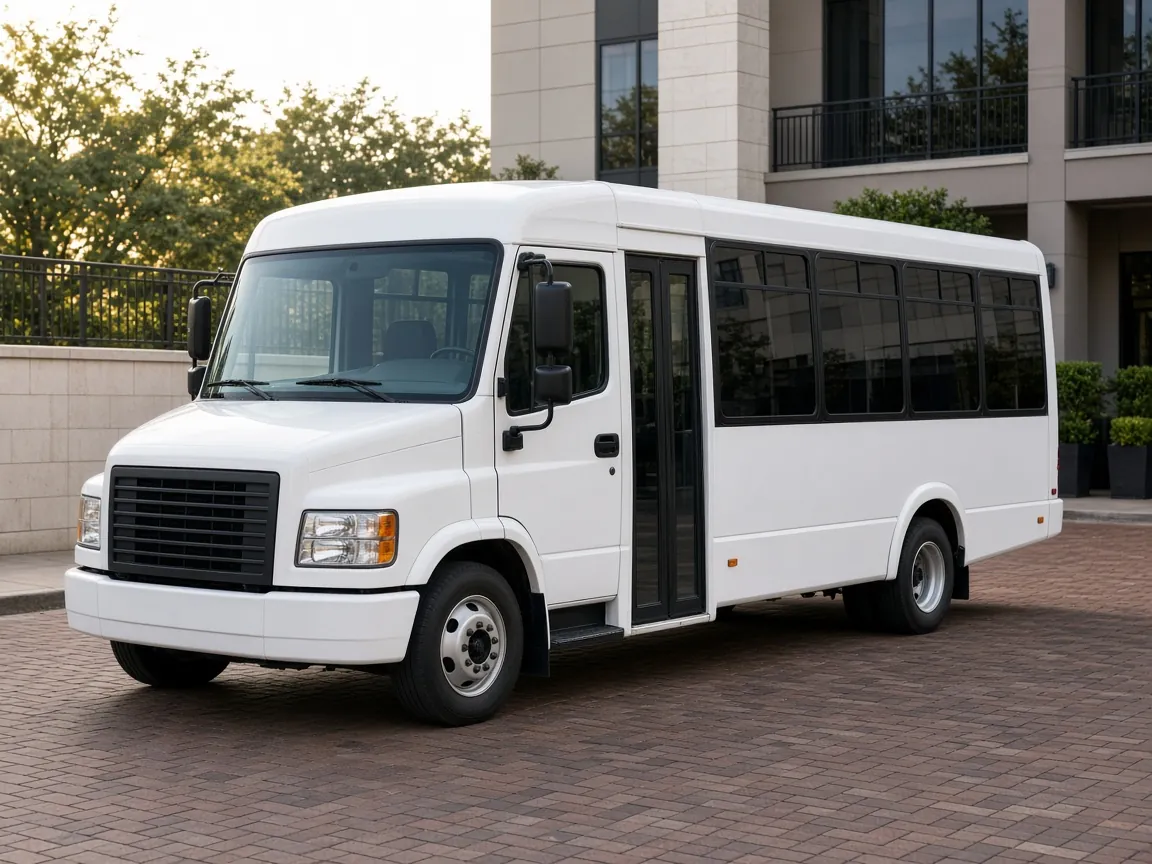
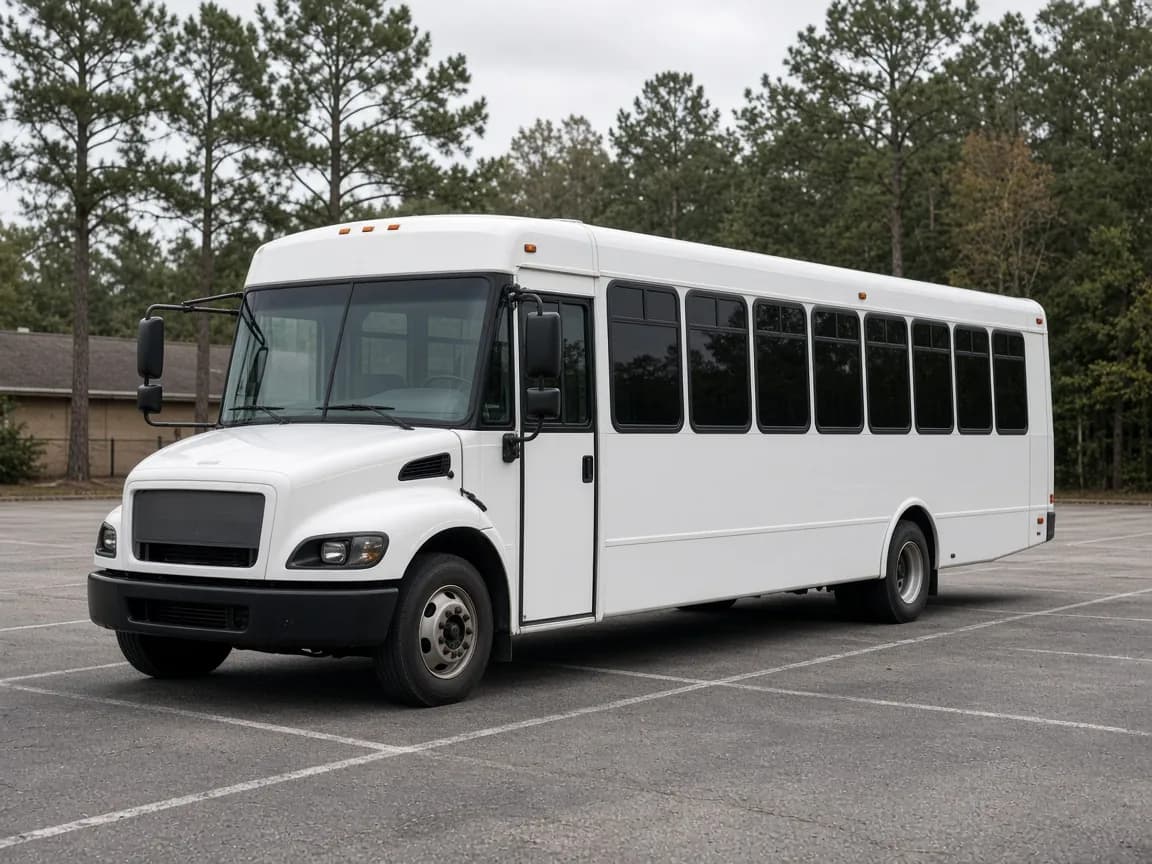
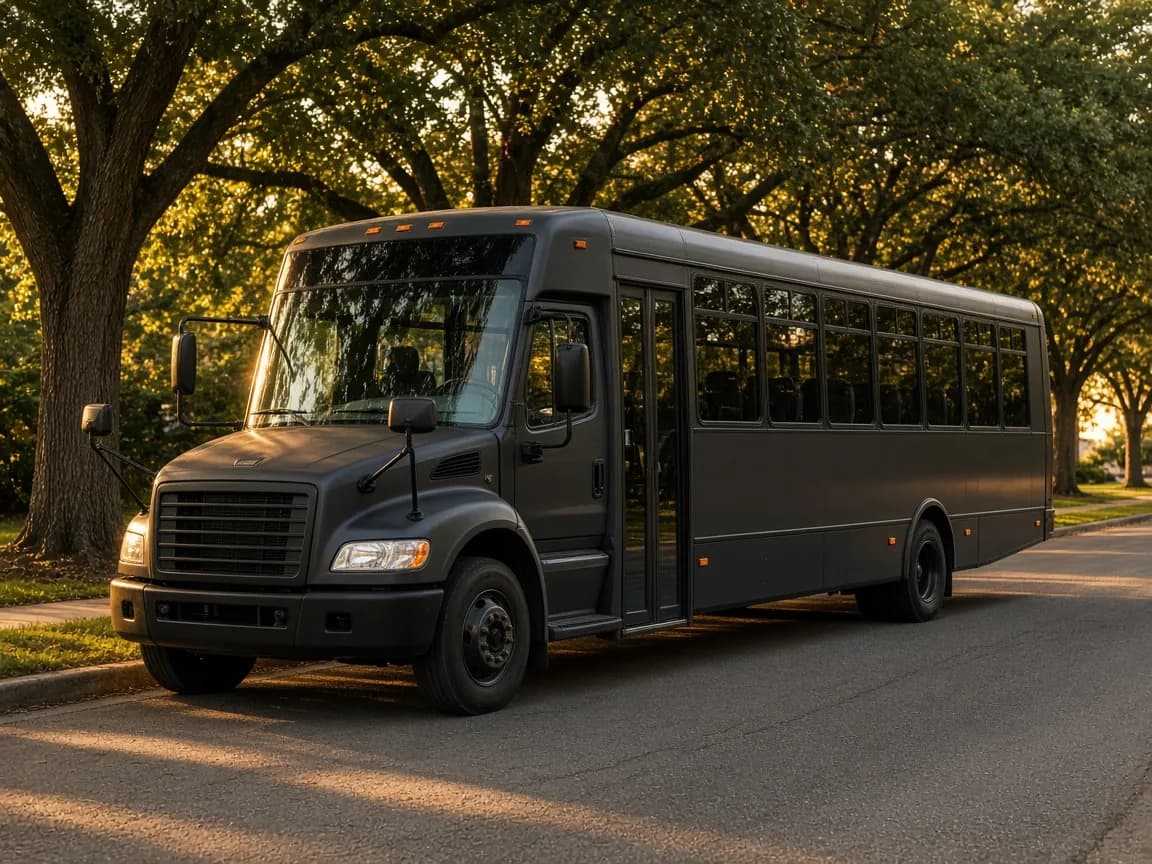
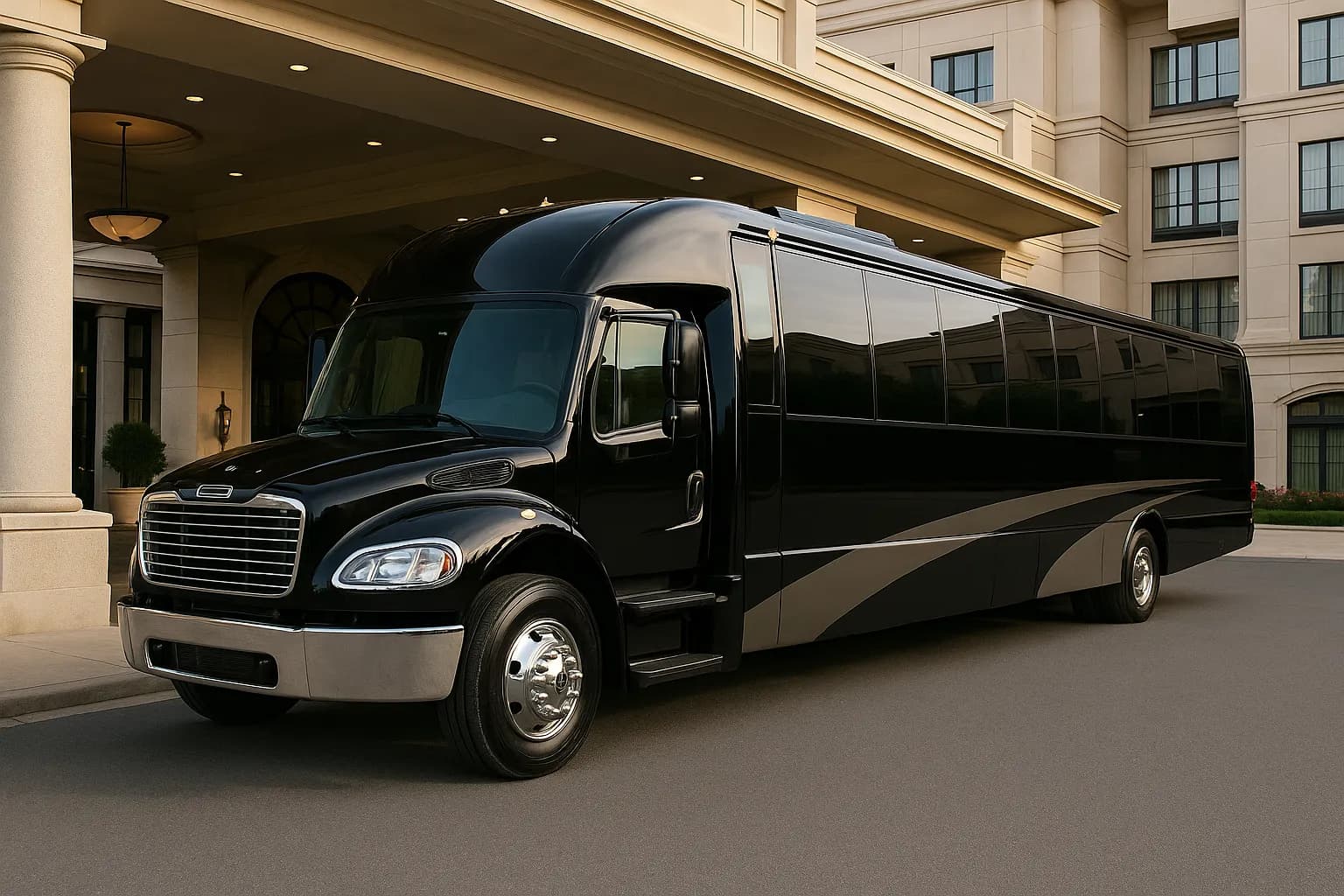
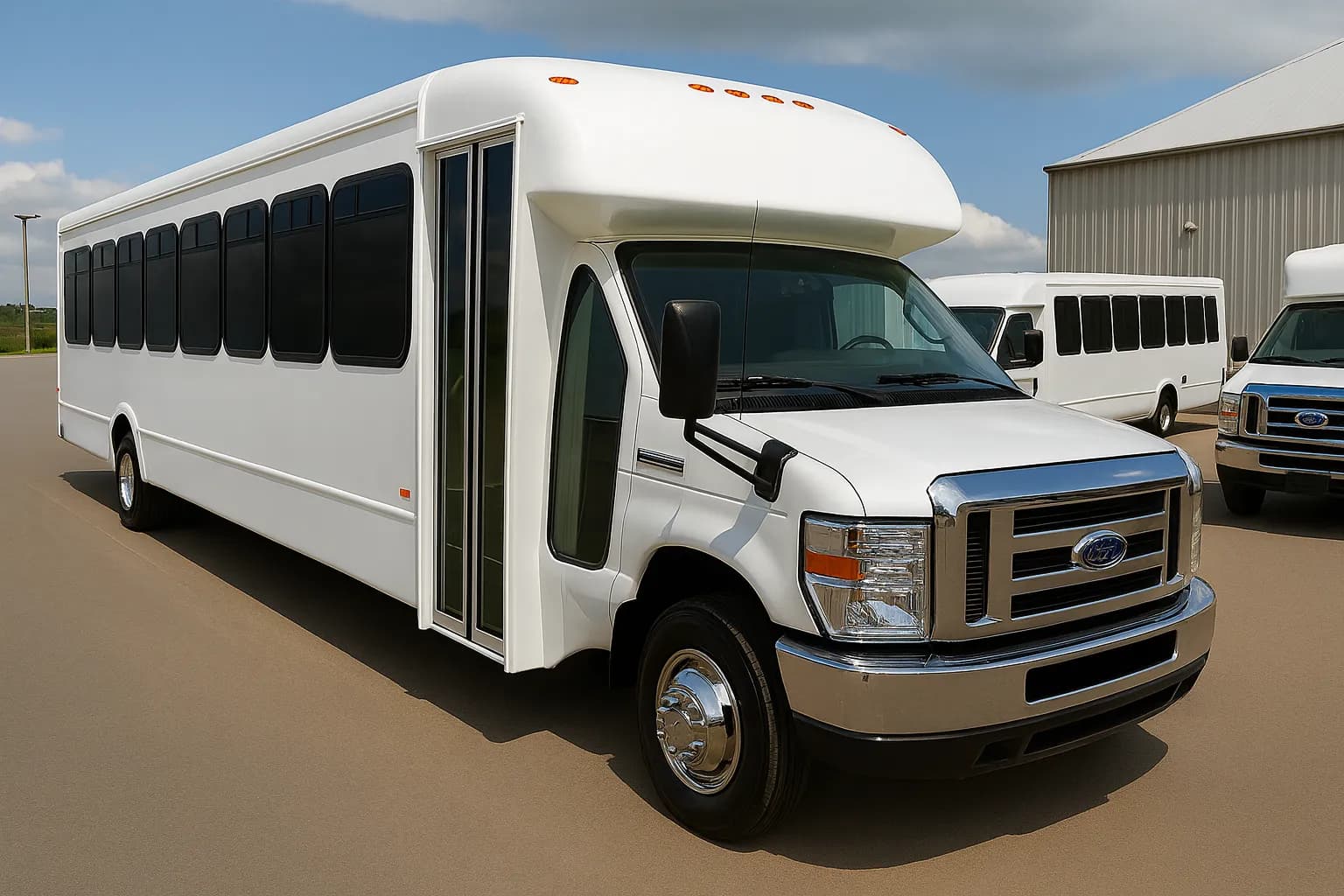
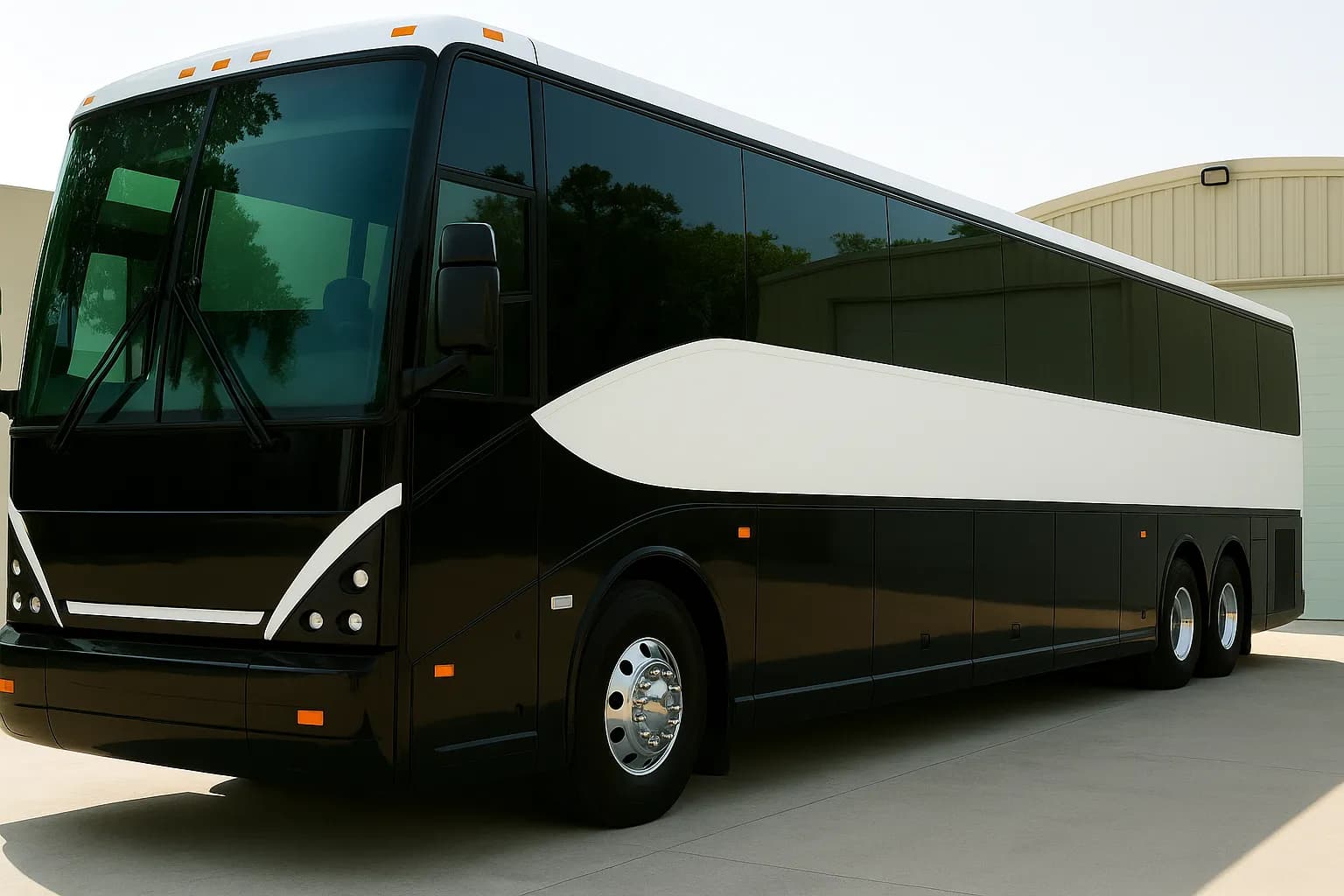
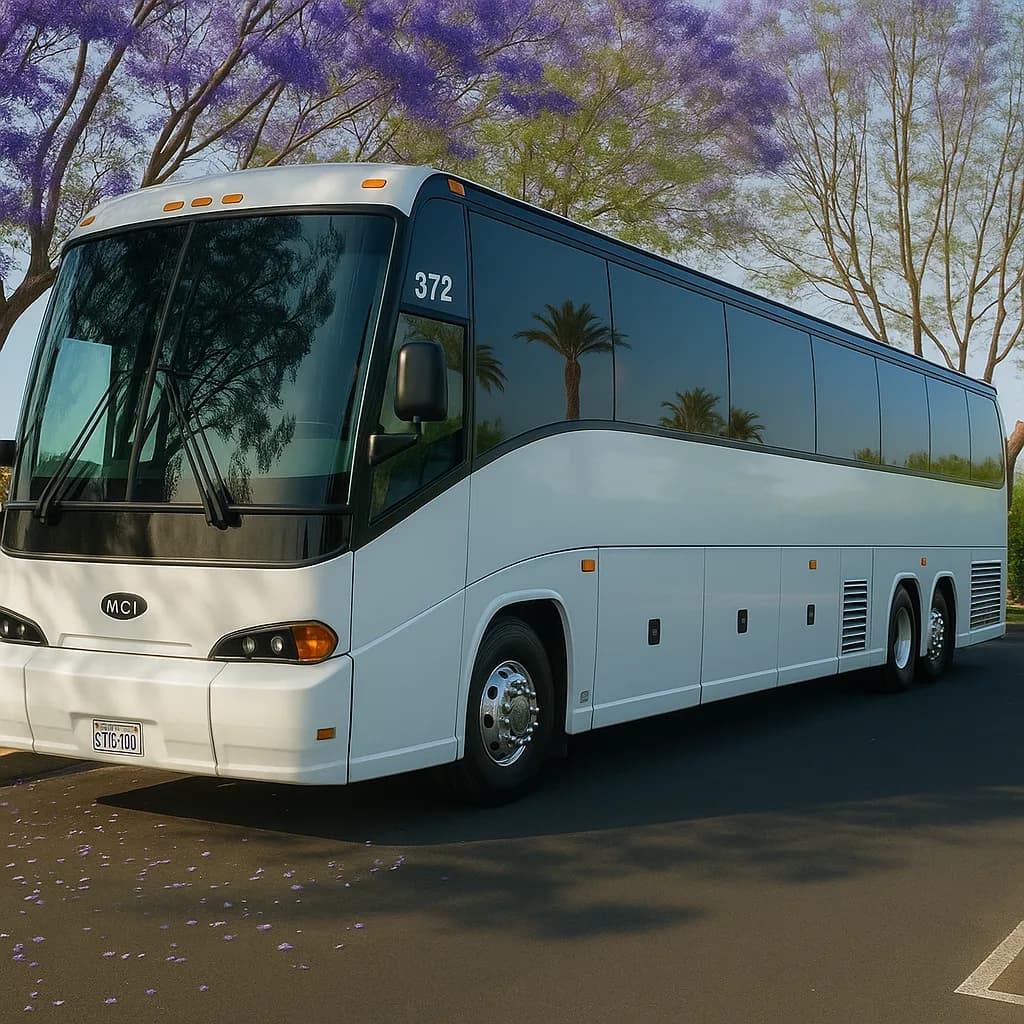
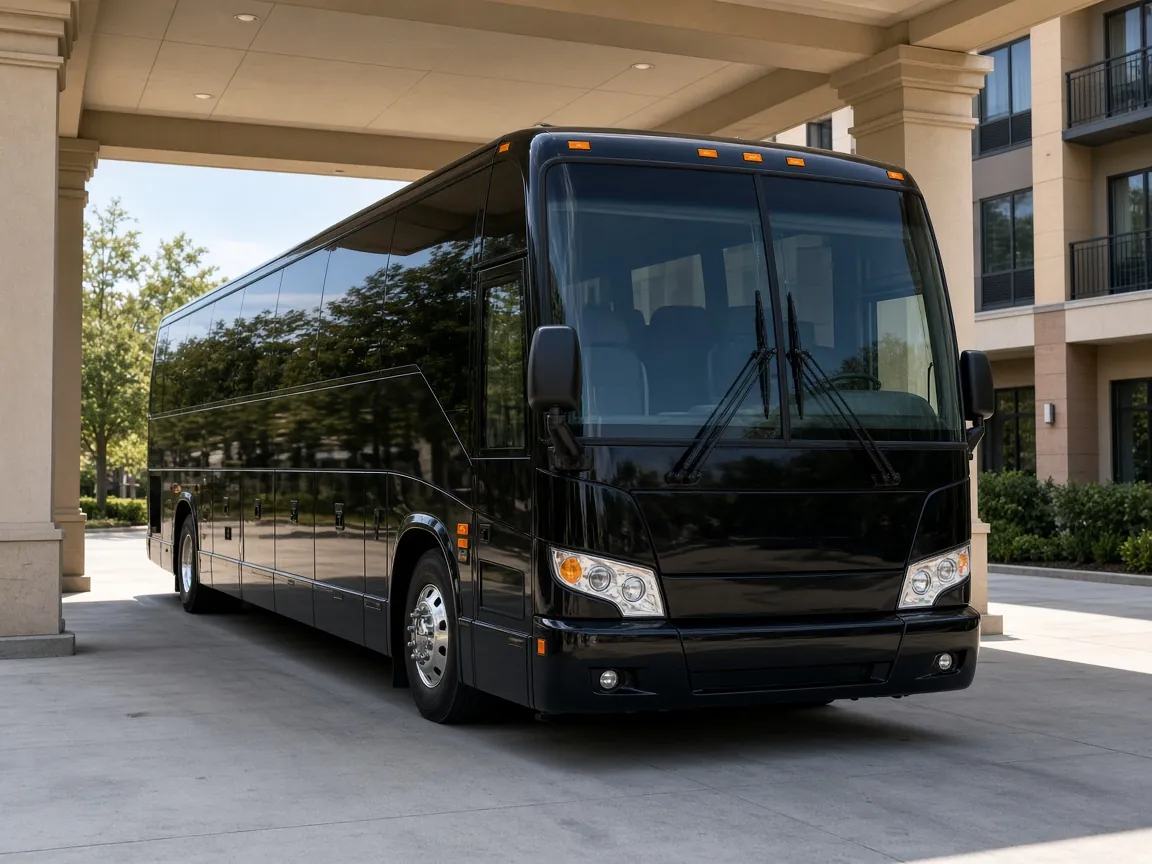
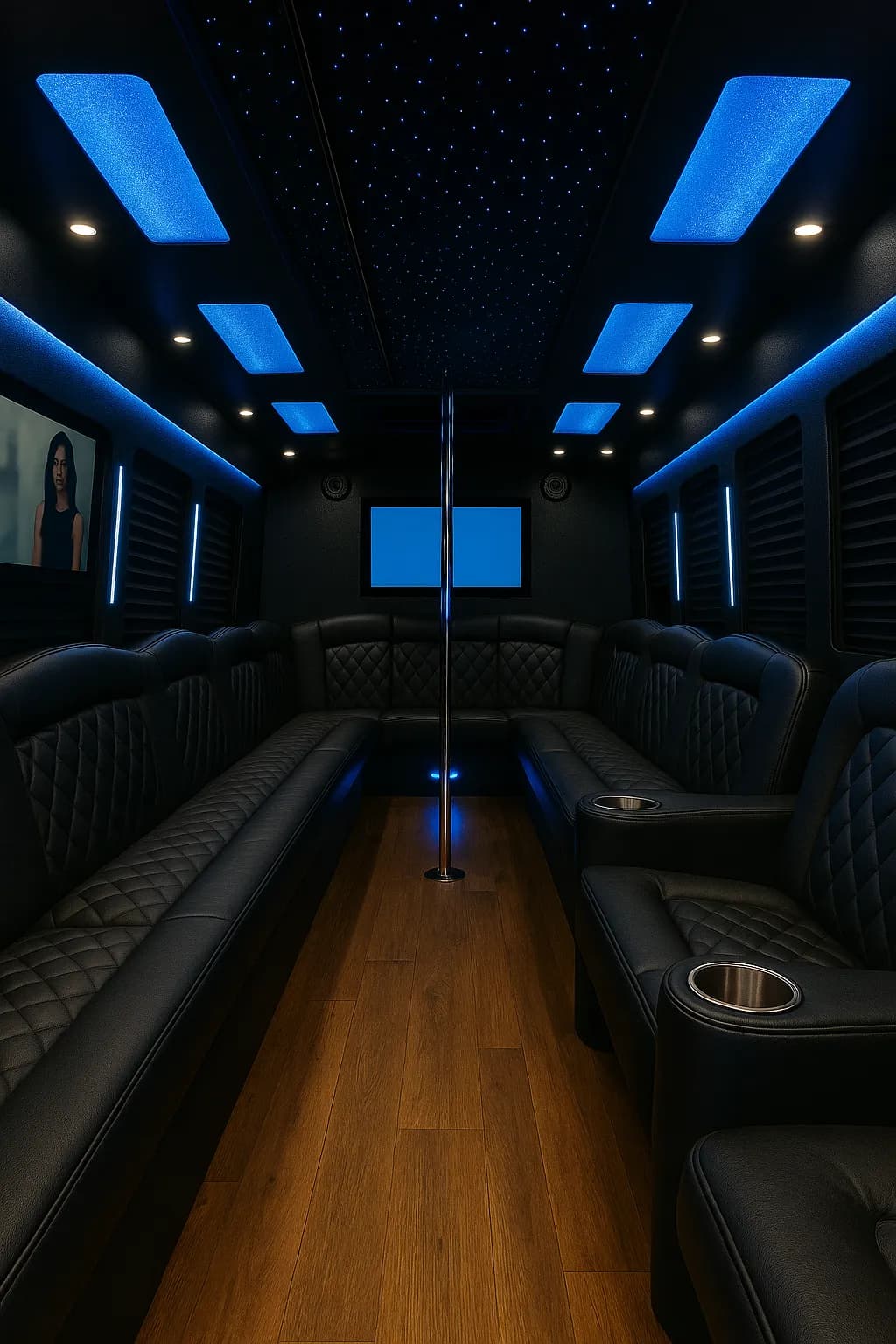
Party buses run the seating along the walls with open floor down the middle and enough headroom to stand, so the group faces itself and the vehicle behaves like a small moving lounge. Limousines use the same inward-facing benches under a low roof, which keeps everybody seated and puts the appeal in the car itself arriving at the door. The luxury coach class turns the seats forward into rows, adds overhead or under-floor storage, and swaps atmosphere for comfort over distance.
The quick test: if the ride is part of the celebration, read the party bus pages. If the arrival is the moment, read the limousine pages. If the ride is simply how people get from the hotel to the venue or the terminal to the conference, read the coach pages.
Benches along the walls and a floor to stand on, or rows and a luggage bay. The layout is the decision.
What sizes do Houston groups ask for?
Roughly half of everything, in one narrow band.
In our Houston inquiry records, about 49% of requests with a group size were for 11 to 20 people. About 31% involved a group of ten or under, about 13% sat in the 21 to 30 range, and about 5% went higher still, to 31 to 40. That distribution is why the lineup has so many options between 14 and 24 seats and comparatively few at the top.
It also tells you where the competition is. In the 11 to 20 band you are shopping for the same vehicles as almost half the city, so book earlier than feels necessary on a popular Saturday. Groups above 30 are a small slice of the records, about 5%, and the lineup is thin at that size too, so on a prom, rodeo or holiday date ask about the largest buses before anything else is settled.
Which classes do people actually request?
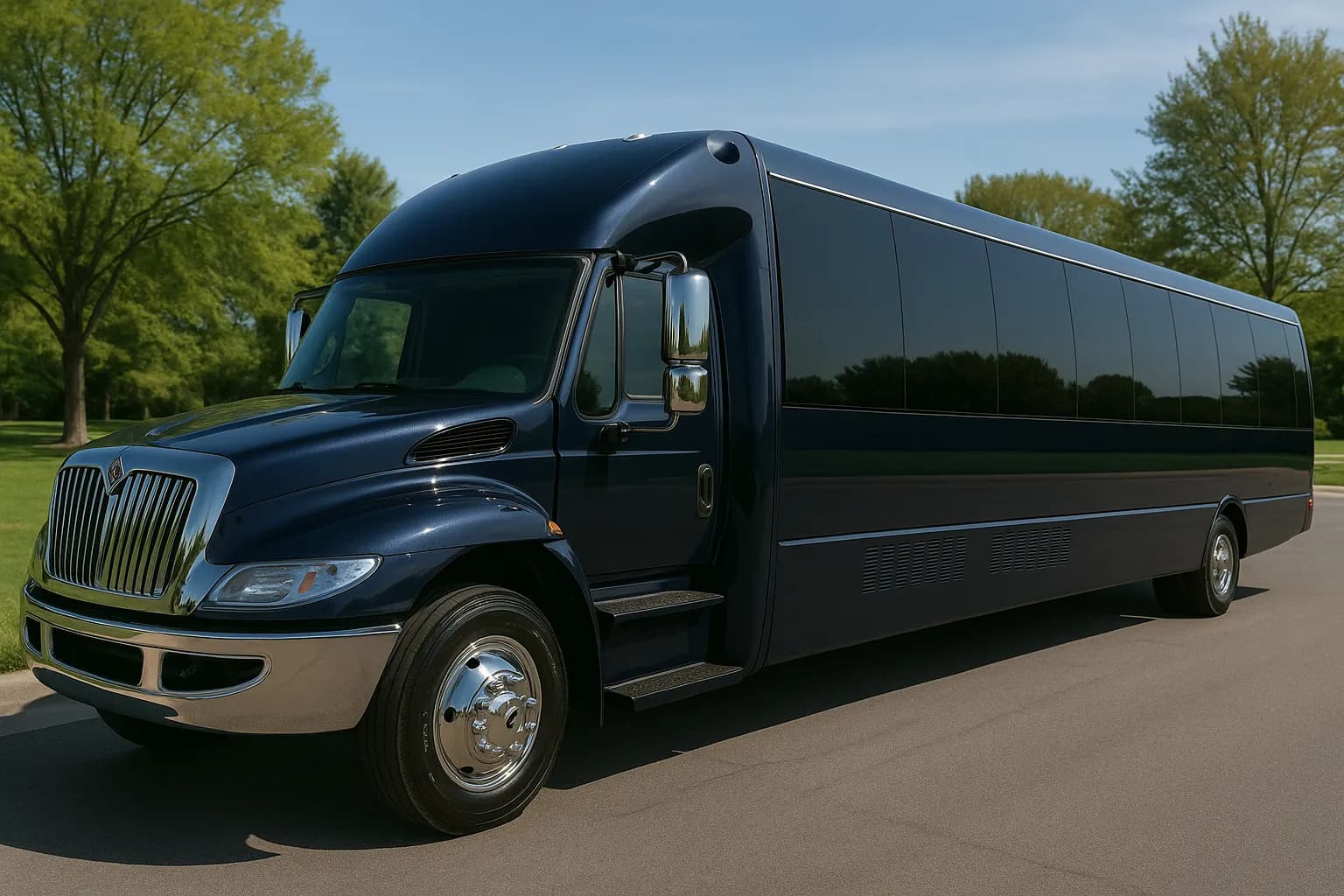
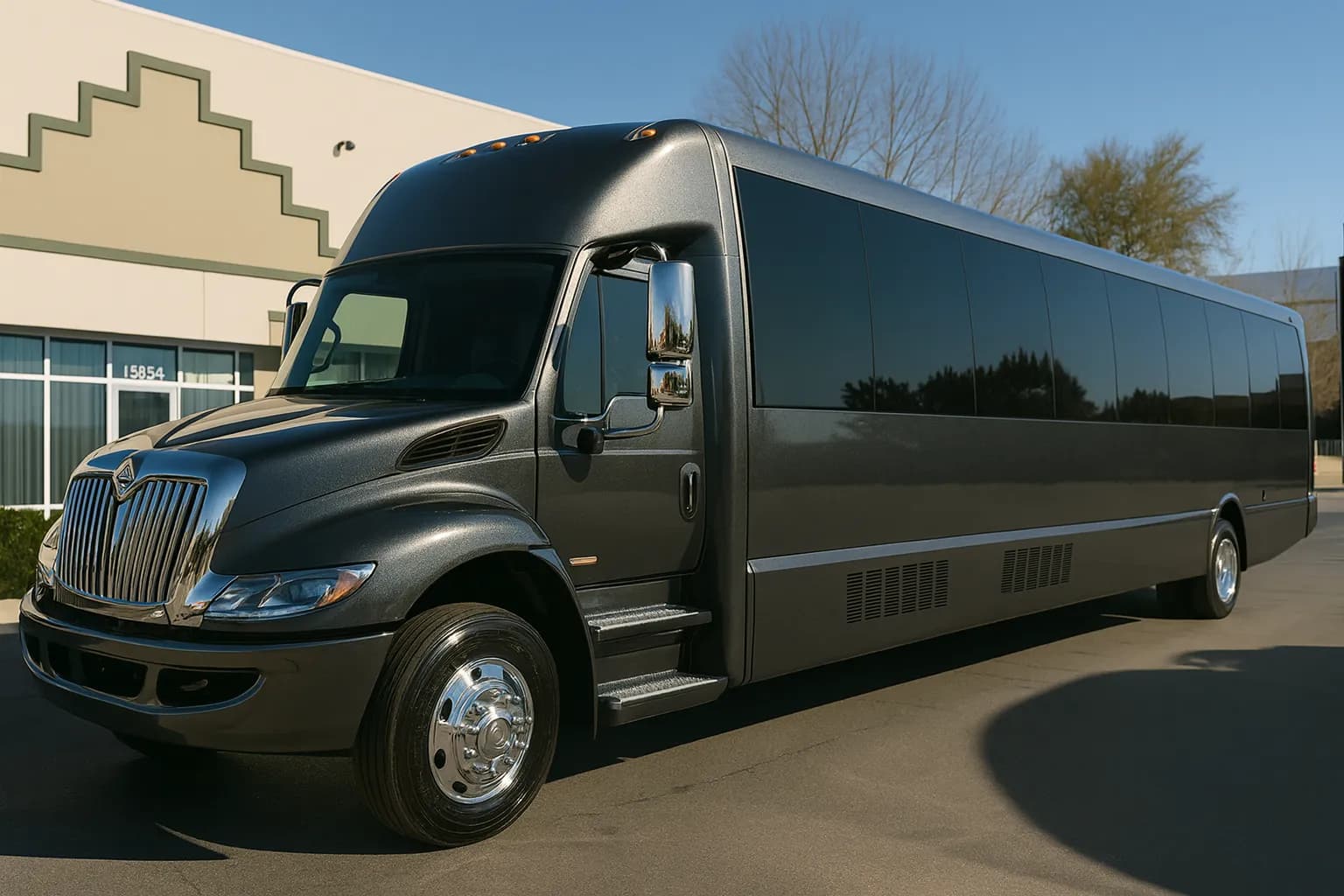
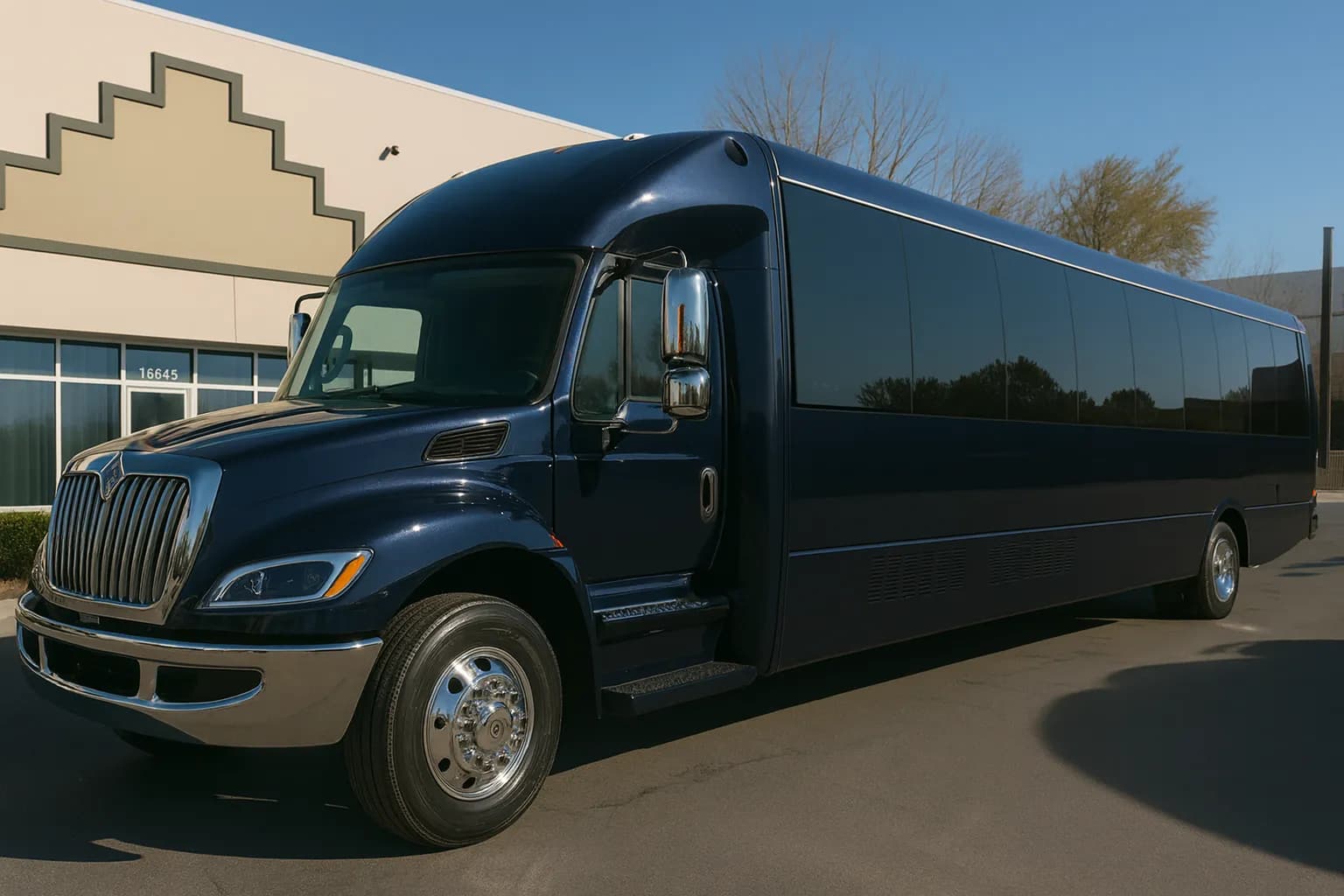
Party buses, overwhelmingly. About 72% of Houston inquiries with a quoted vehicle recorded mentioned one, about 16% a limousine and about 7% a Sprinter van. Given the group sizes above that makes sense: the party bus is the only class covering 16 to 45 people with room to stand up in.
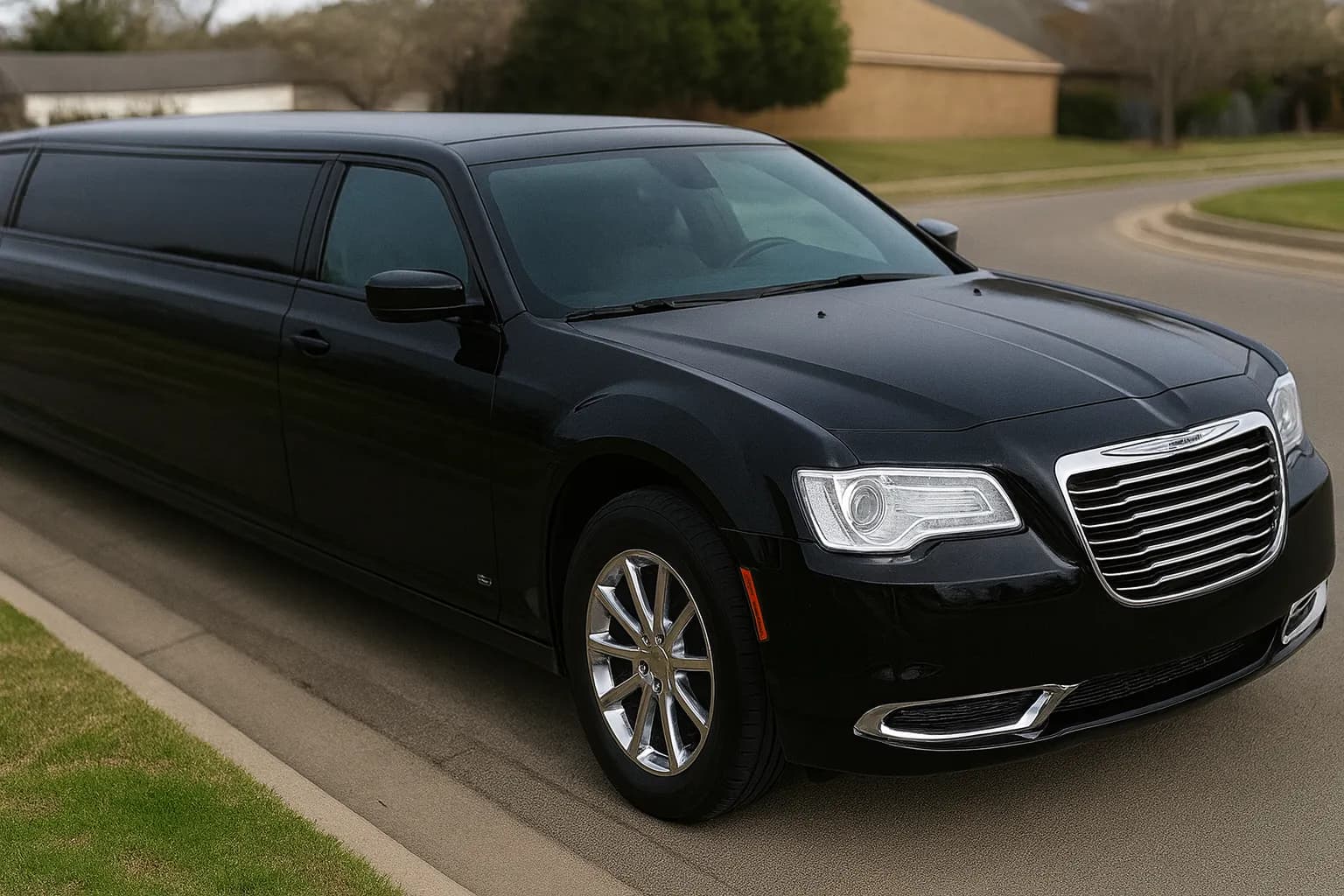
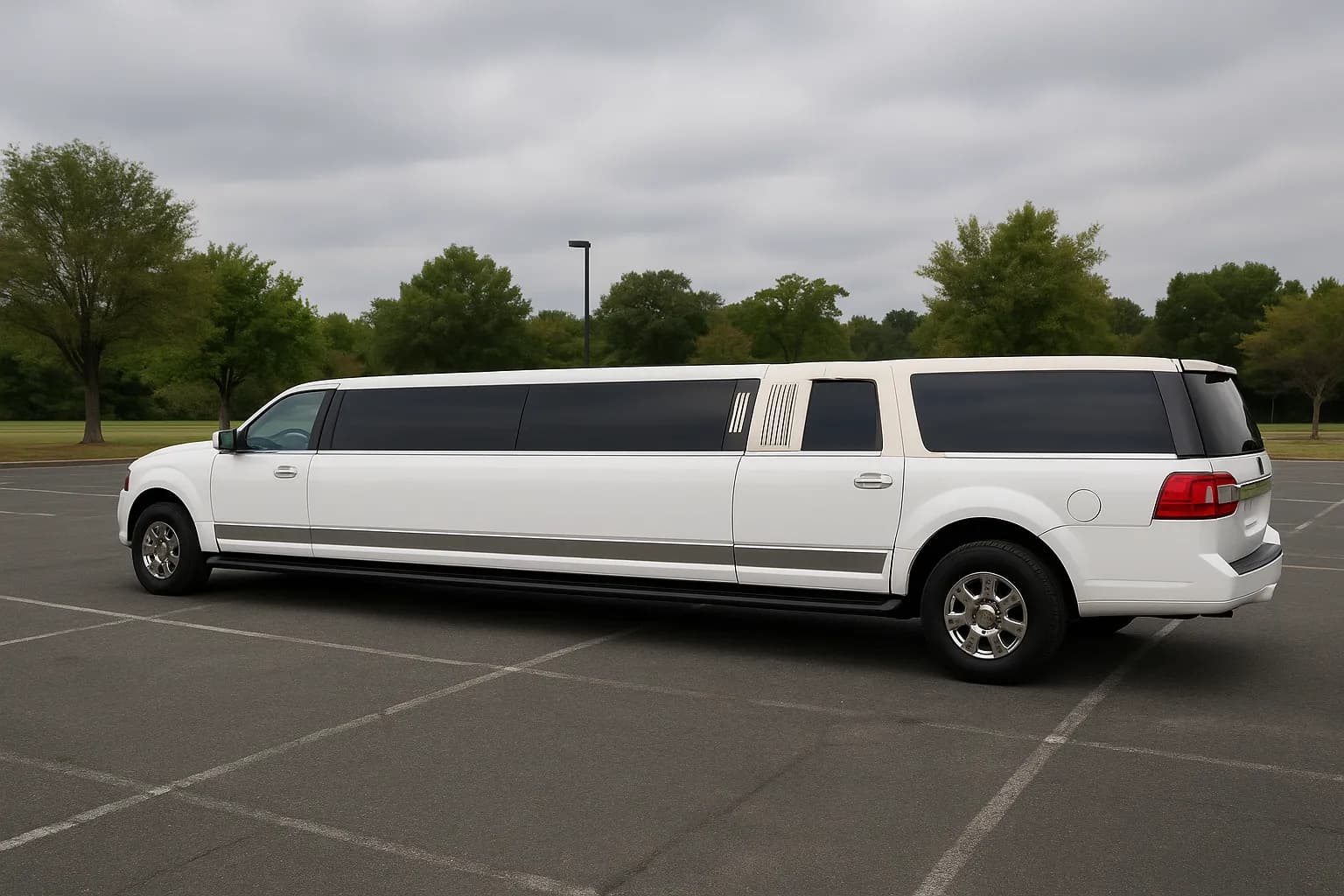
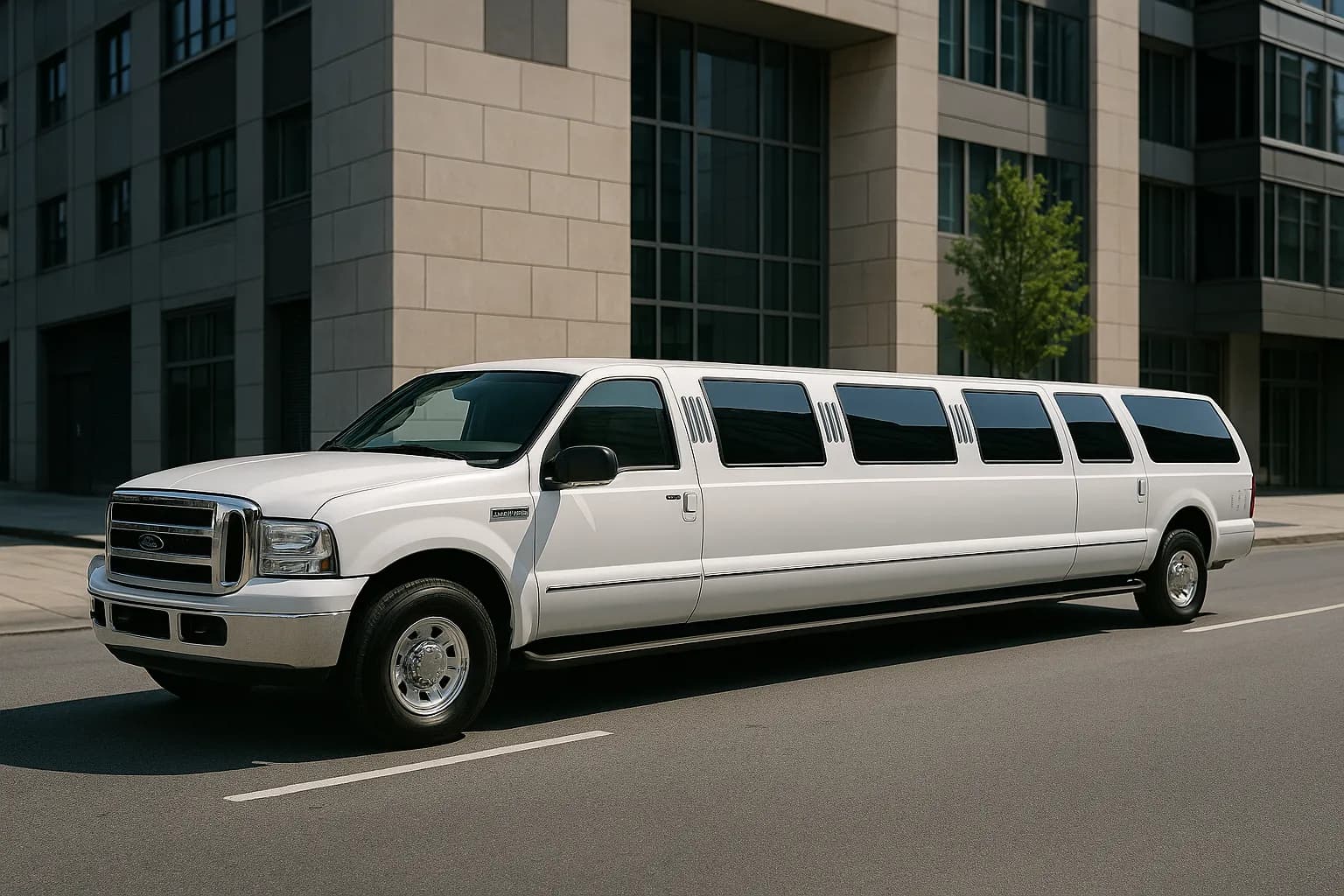
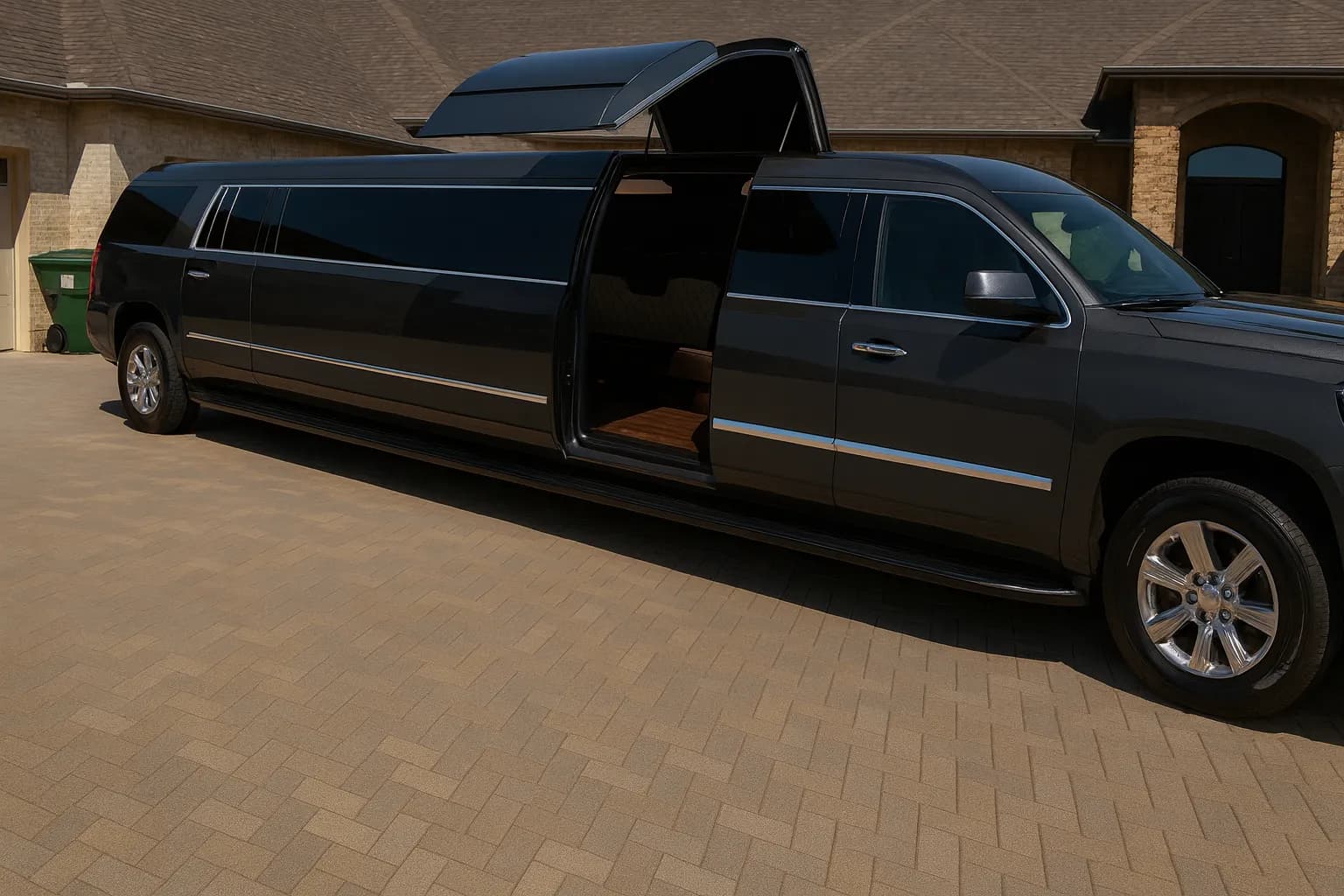
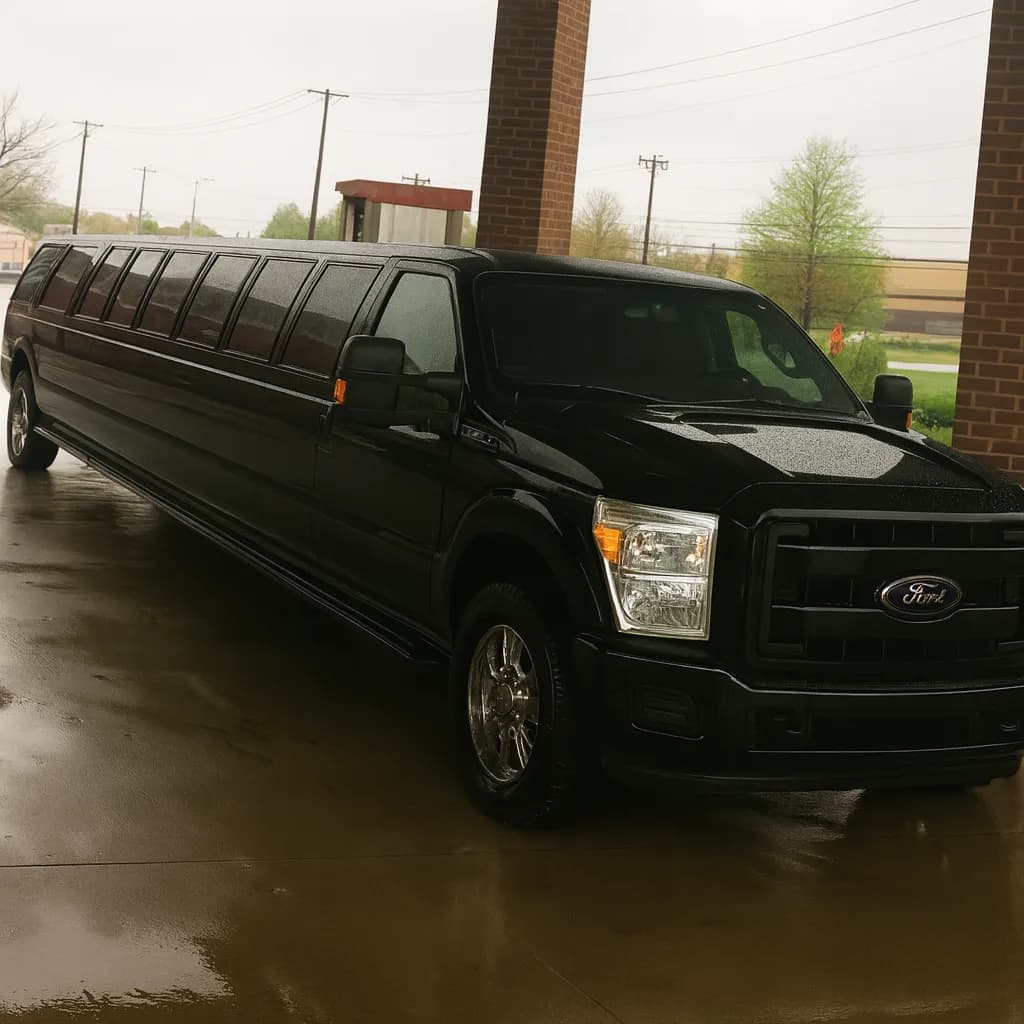
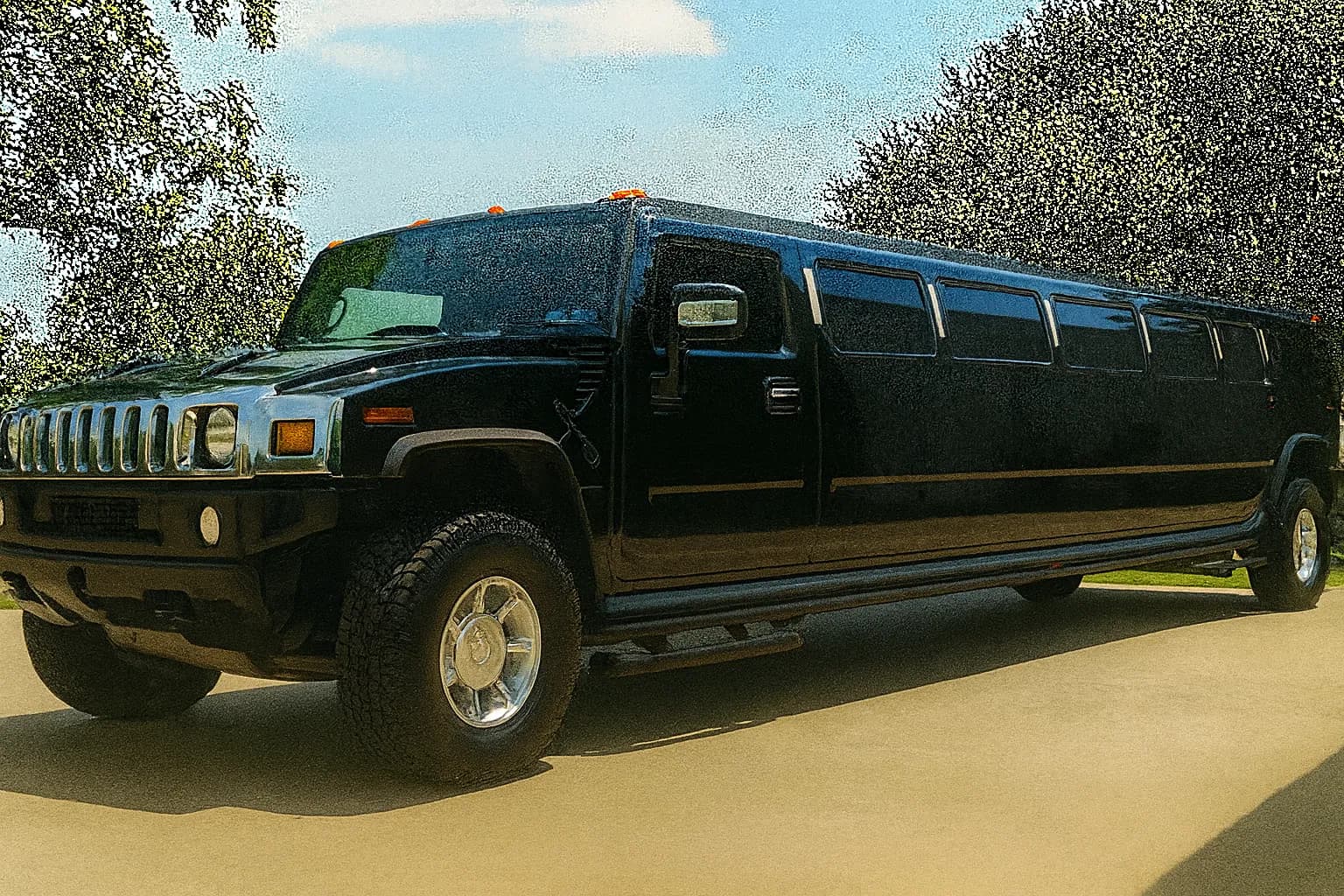
Limousines serve a narrower and rather different need. Among Houston inquiries mentioning a limo with a group size attached, the large majority were for ten or fewer, which matches how limos get used in practice: couples, small wedding parties, anniversaries, six friends at a formal dinner. Once a limo group passes a dozen, the SUV stretches like the 18 passenger Escalade limo hold onto the look, though a party bus usually becomes the kinder ride.
Where the classes overlap
Between about 14 and 22 seats all three have a credible case, which is exactly where people get stuck. The tie-breaker is not the vehicle. It is what your group will be doing while it moves.
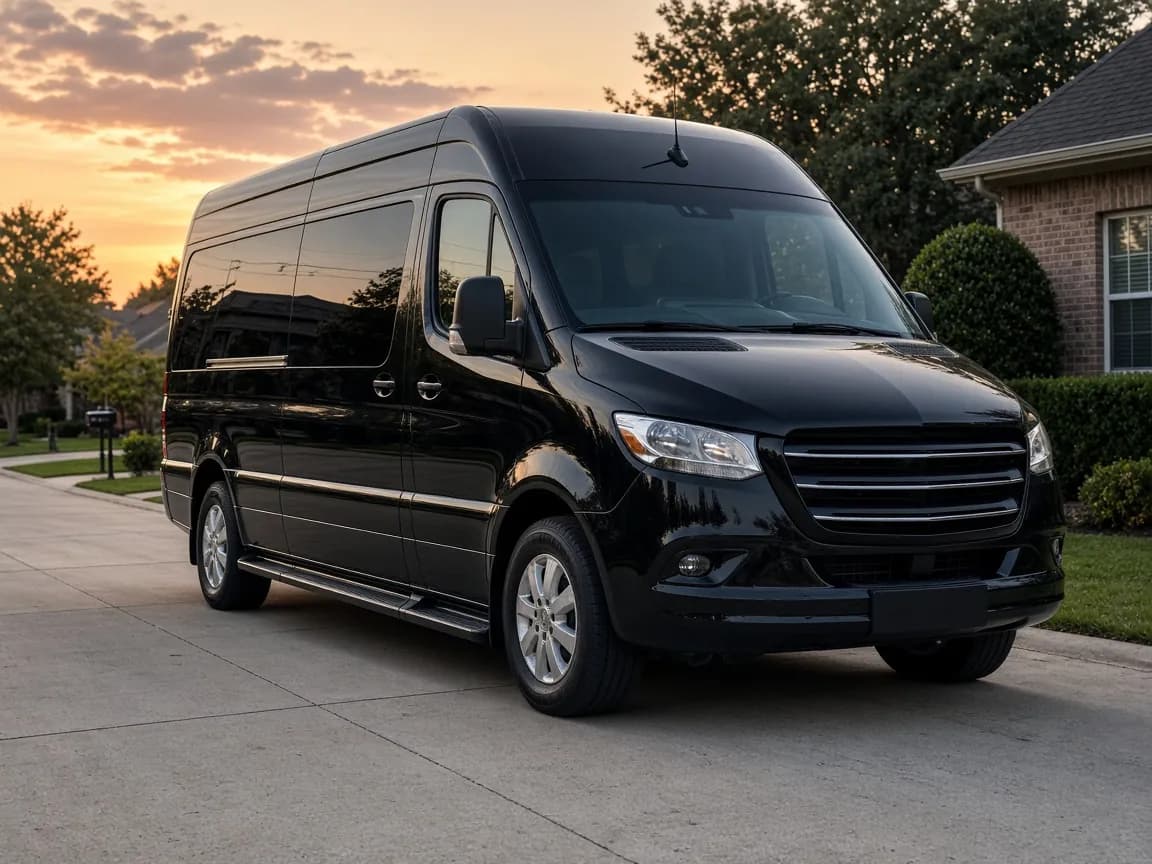
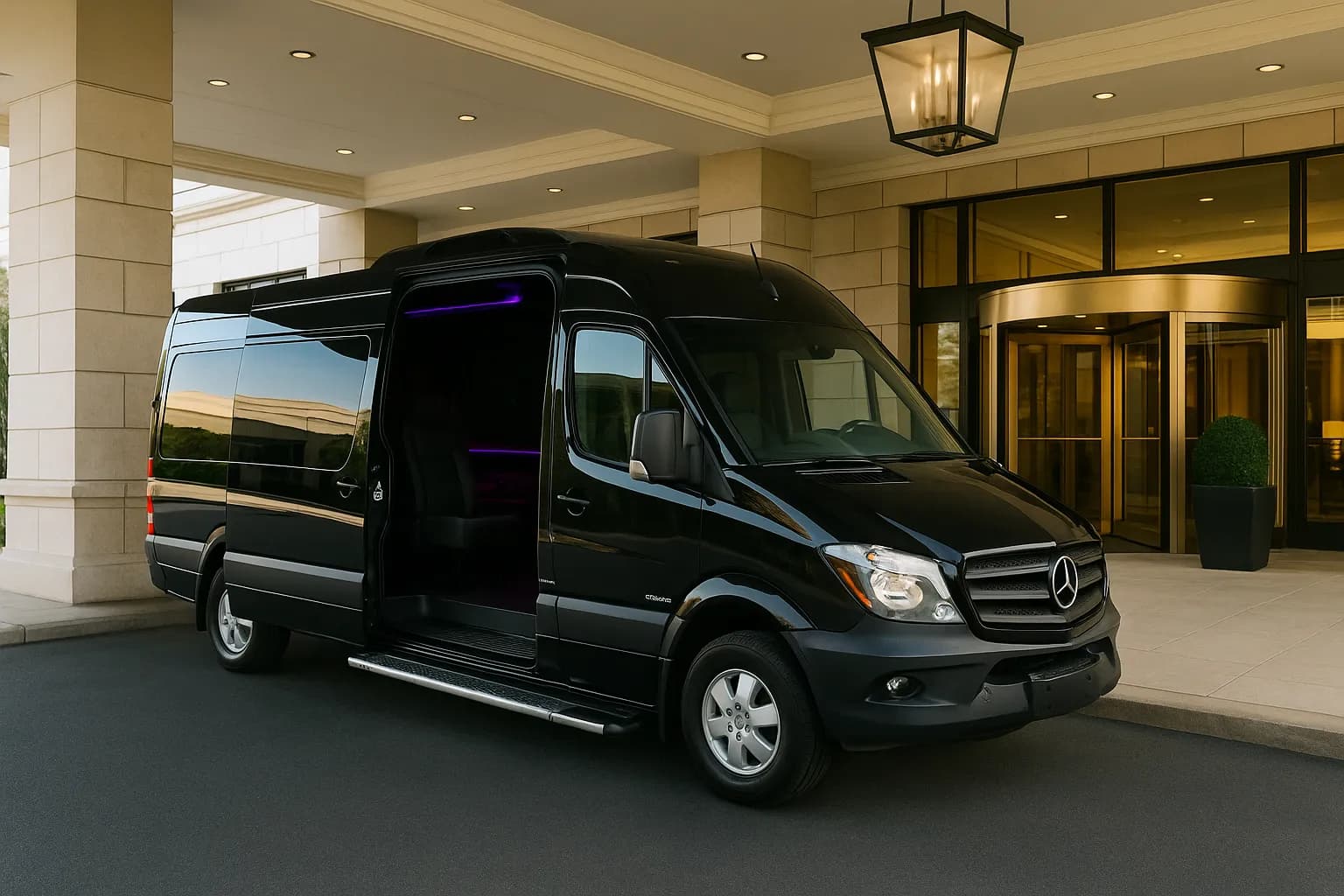
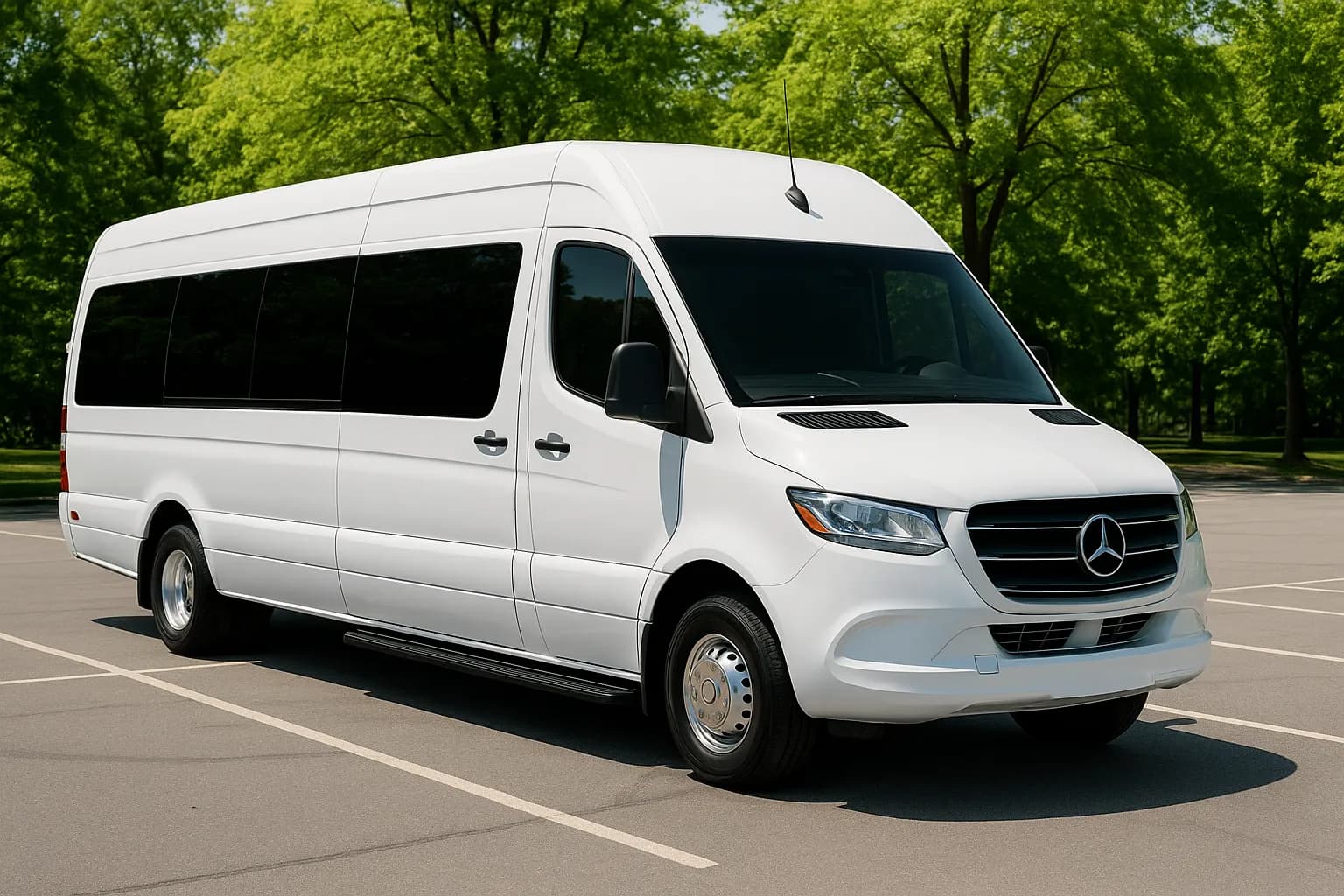
- 14 seats: the 14 passenger limo sprinter for a party with standing headroom, the 14 passenger Navigator limo for a formal arrival, the 14 passenger executive sprinter for an airport run with luggage.
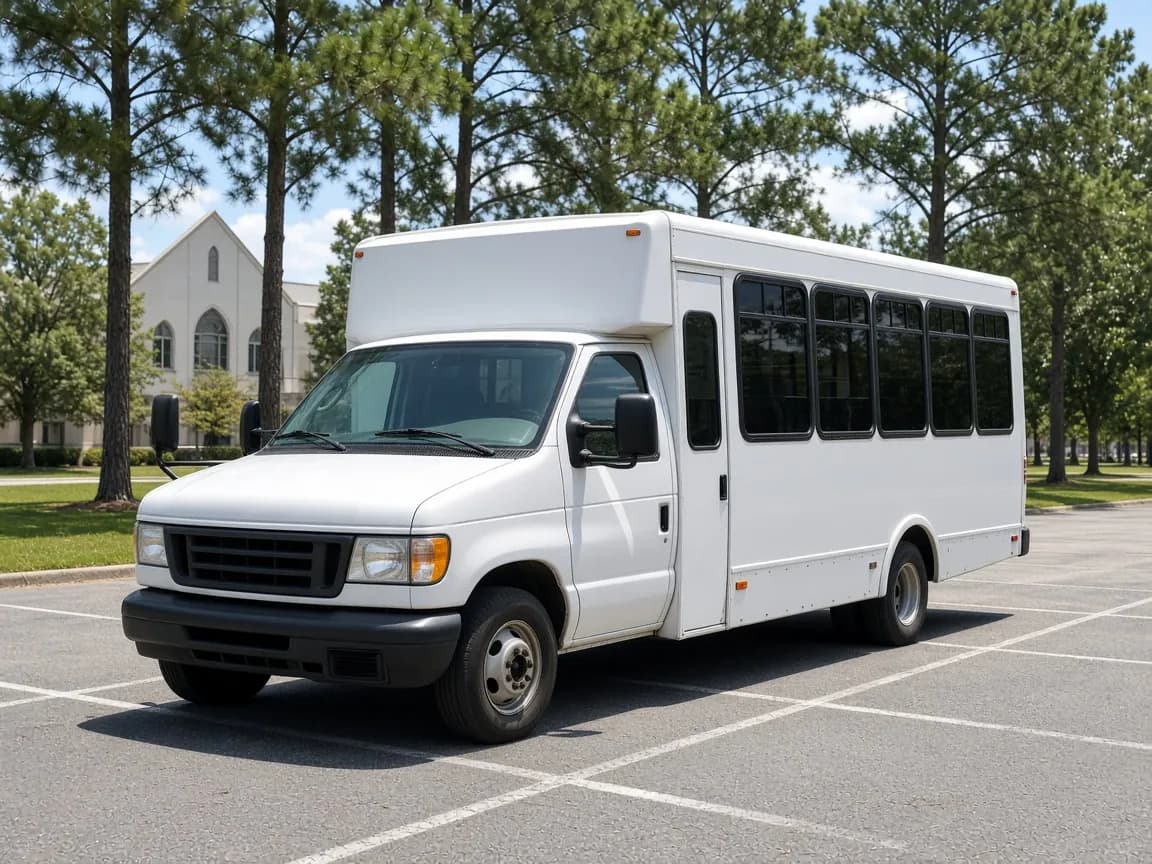
- 18 seats: the 18 passenger party bus for a night out, the 18 passenger Escalade or Excursion limo for an entrance, the 18 passenger shuttle bus for a wedding guest run.
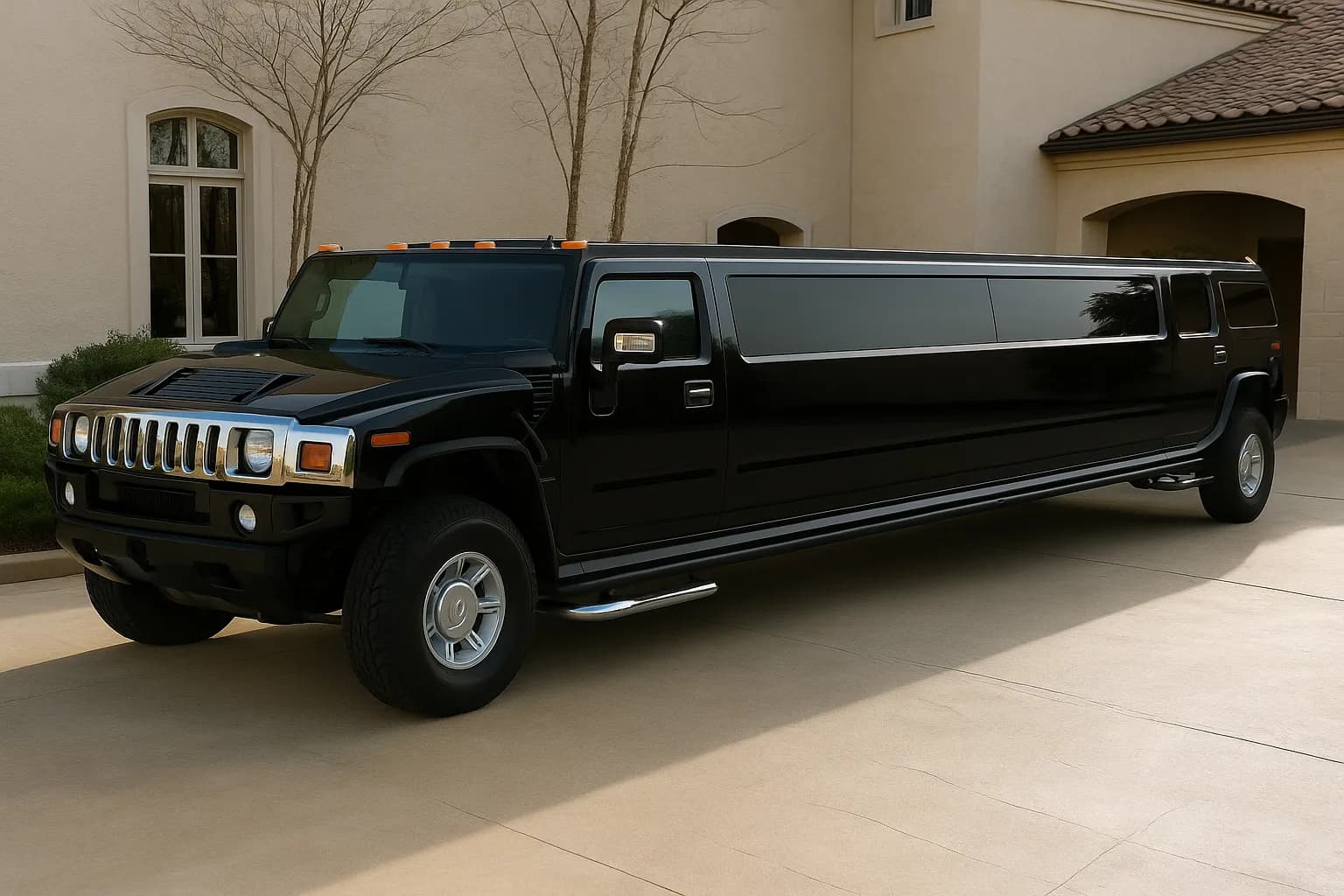
- 20 to 22 seats: the 20 or 22 passenger party bus for moving and dancing, the 20 or 22 passenger Hummer limo for photographs, the 20 or 22 passenger shuttle bus for a church or corporate outing.
The seat count is the easy part. What happens in the aisle decides it.
When to size up, and when two vehicles beat one
Size up when you are within two seats of capacity, when the group is in formalwear, or when coolers, instruments or stadium bags are coming along. Listed capacity counts every seat, including the awkward one wedged by the door that nobody volunteers for. The capacity finder shows everything that fits your number, and the right pick keeps that margin.
Two vehicles win when the group starts in two different parts of town, when half of it leaves early, or when the headcount is simply past what one party bus holds. A 60 person wedding is often better served by a 56 passenger coach for guests and a limo for the couple than by two identical buses shuttling in convoy. Run each half through the guest count calculator, and put your last two candidates side by side in the vehicle comparison tool.