When does a team outgrow the smaller vans?
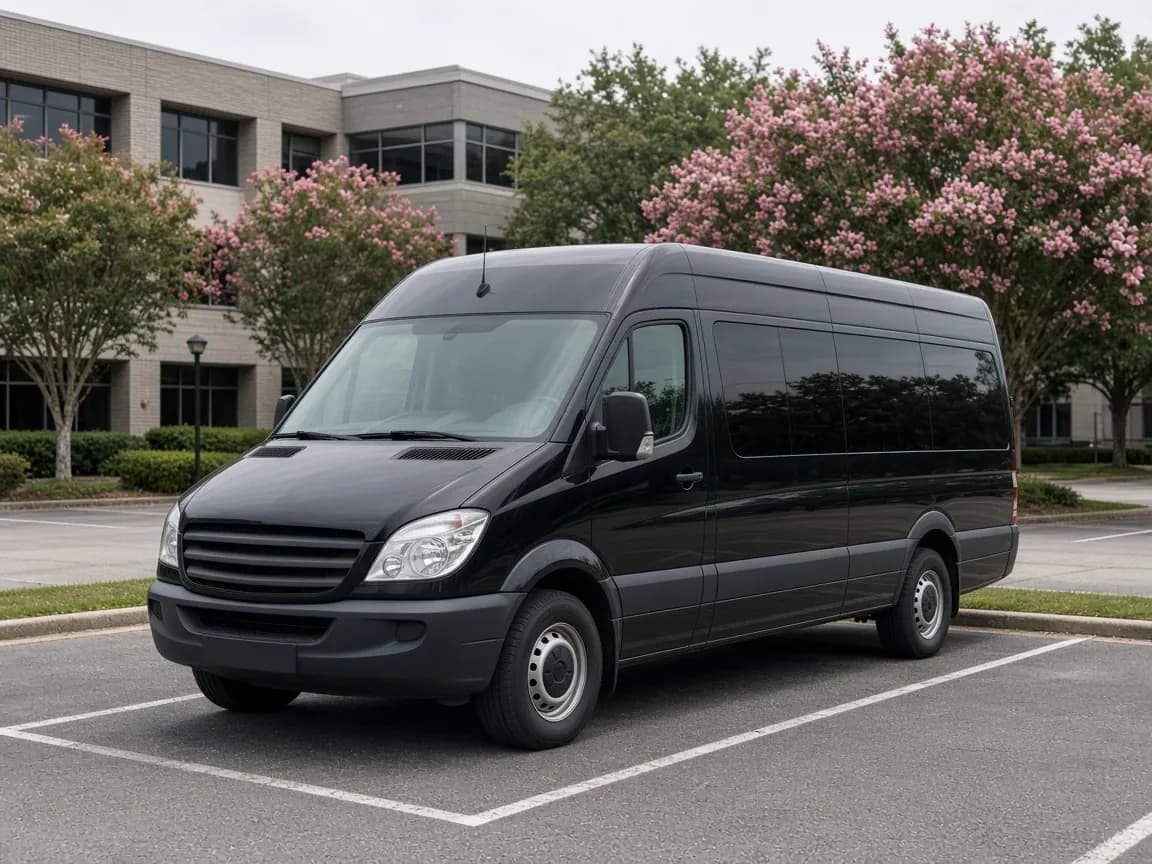
At eleven. Below that a smaller van does it; from eleven up, this is the one.
The 8 Passenger Executive Sprinter carries a leadership group, the 10 Passenger Executive Sprinter handles airport runs, and the 12 Passenger Executive Sprinter is what you book when luggage rather than headcount is the problem. Once there are eleven to fourteen actual people, this is the only van that keeps them in one cabin. Across all the markets in our records, about 45% of inquiries mentioning a Sprinter van with a group size were for eleven to twenty passengers, so a group this size asking about a van is the normal case, not an edge one.
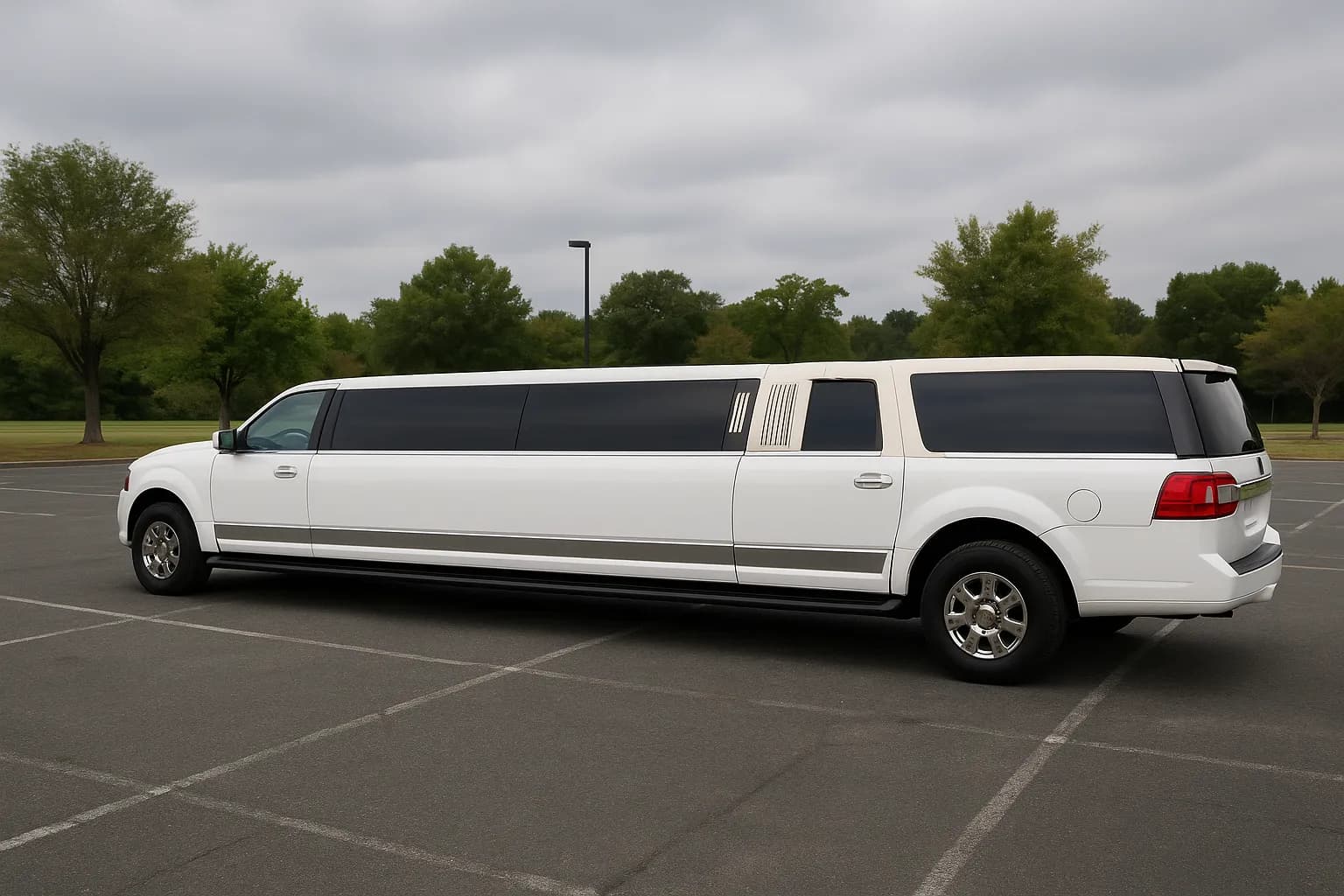
At the top of its range the comparison is a 16 Passenger Shuttle Bus. The shuttle brings a PA system and a bus-sized luggage bay, and it wins whenever the group might still grow. The van is shorter, parks at an office building or a restaurant without ceremony, and reads as a private car rather than a bus. For a settled team of twelve to fourteen, that usually makes the better day.
Building an offsite around one van
The transport is the smaller half of what you are buying.
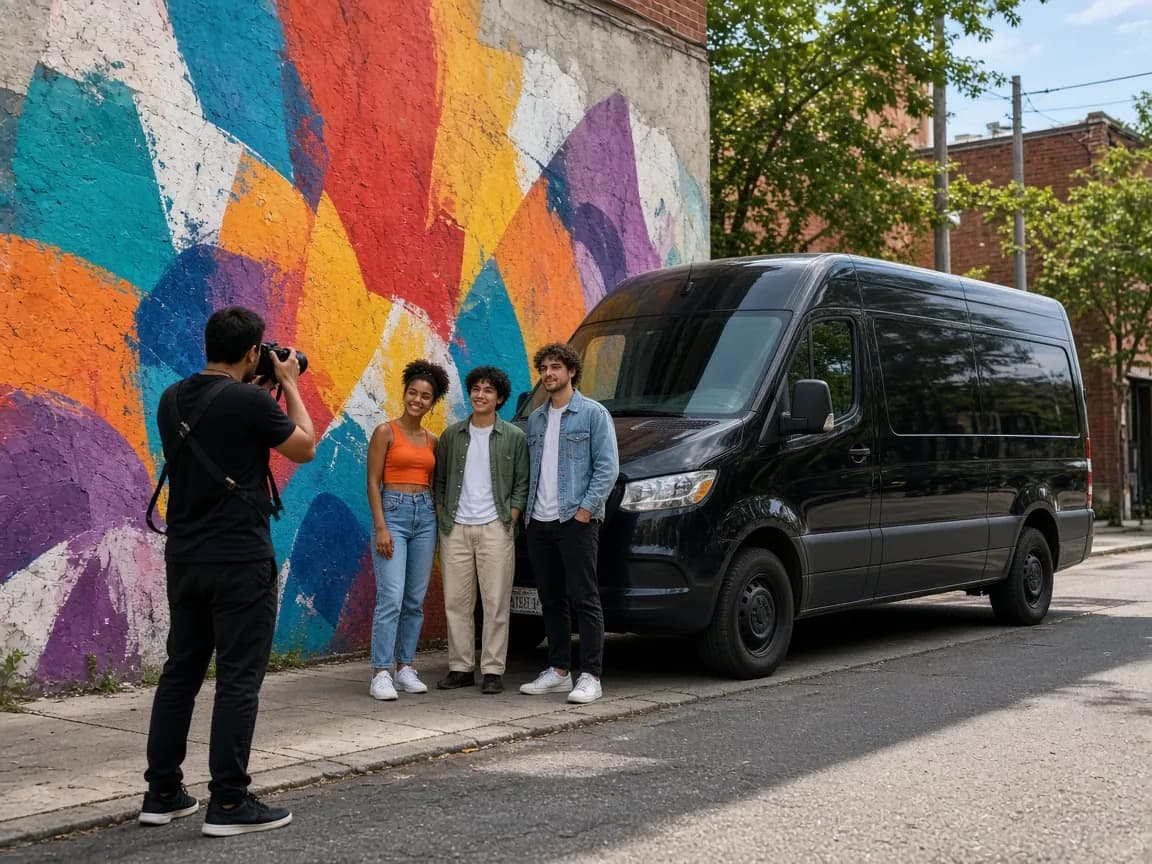
A team building day or a corporate event in this van starts when the side door slides open: everyone steps up into one cabin, laptop bags go in the bay at the back, and the team leaves together. The seats face forward, so nobody rides backward through the Beltway and nobody spends the afternoon quietly calculating how long the drive home will take after dinner. That is worth more to the day than the seat count is.
Full days are a small share of what people ask for. Only about 11% of Houston inquiries with a requested duration were for seven to eight hours, and about 3% of inquiries across all markets asked for nine to twelve. Two things follow. Say plainly in the request that you want the van for the entire day, and build slack into the middle of it, because a morning session, an activity across town and a dinner is nine hours door to door before anything goes wrong. Very long days can need a schedule adjustment or a second driver, which the quote will address. Draft the shape of it in the event timeline builder first.
Convention weeks and hotel loops
During a big show at the George R. Brown Convention Center, a company's booth staff and hosted guests are usually scattered across several hotels with no two check-ins in the same place. A van assigned to that group for the week runs the morning loop, carries display cases in the luggage bay and takes clients to dinner at night. That is a different job from a convention shuttle moving hundreds of attendees on a loop, which needs buses.
Downtown curb space around the convention center gets scarce during a major show. Agree on a pickup door on a side street, and give the driver both the booth number and a phone that someone on the floor will actually answer.
Customer tours, site visits and recruiting days
The best days for this van are the ones where the guests are the point.
A hospital system showing visiting physicians around the Texas Medical Center. A homebuilder running a buyer group through model homes in Cypress and Katy. A company hosting job candidates for office visits and a team lunch. Twelve visitors in one cabin with a host up front hear the same introduction and ask their questions between stops rather than in twelve separate cars.
The ride is part of the agenda, and the hosts who treat it that way get the most out of the day. Forty minutes on the Beltway with a printed schedule and a few talking points beats forty minutes of silence. The route planner gives realistic leg times so the tour is not running late by the third stop.
Forty minutes on the Beltway is the only part of the agenda nobody else has scheduled.
Weekends, holidays and family days
The same calm cabin works outside business hours. A family on a sightseeing day around the Museum District and Space Center Houston gets a window each and one step up at the sliding door. Three households on a Thanksgiving run share one van to one table, casserole dishes in the bay behind the last row. The fourteenth seat is in that row, nearest the bags and farthest from the door, so it suits whoever is out last. It is also a quiet, dignified option for a family travelling to a service and a burial, where forward seats matter more than any feature list.
Inside the van, and what Sprinter quotes have shown
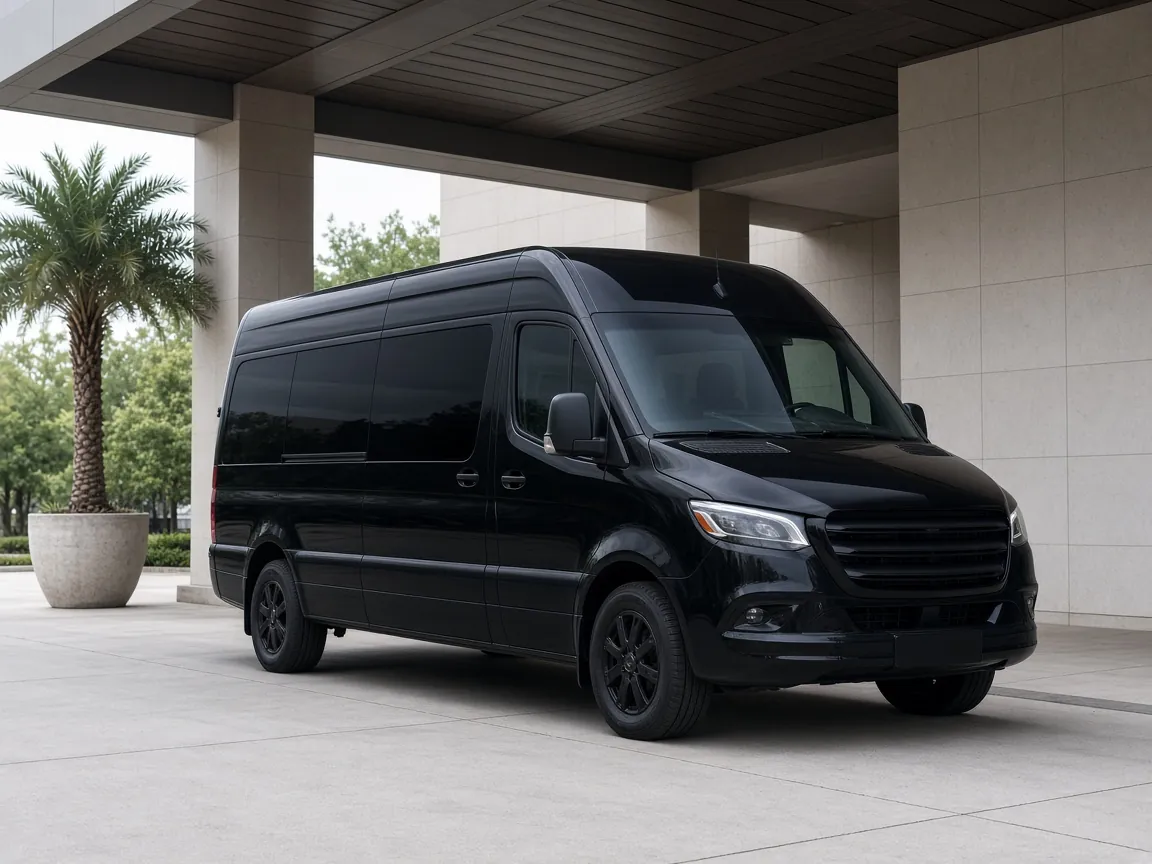
The largest executive vans typically have forward-facing leather seats, an executive-style interior, a rear luggage bay, USB charging and full climate control, with an entertainment screen on some vehicles. If people will be working on laptops all day or presenting on that screen, check the specific van rather than the category.
Across all markets, about 12% of inquiries naming a vehicle mentioned a Sprinter van. Among Sprinter van inquiries with a historical quote on file, about 46% fell between $1,000 and $1,499 and about 12% between $2,000 and $2,499. Those figures pool short transfers and long charters alike, and they are past quotes rather than a price for this van. A ten-hour Kemah offsite runs longer than most trips behind those numbers and will land differently from an airport transfer.
Energy Corridor to Kemah is nine hours door to door, never the eight on the agenda.
Sample offsite: thirteen colleagues, Energy Corridor to Clear Lake and Kemah
Ten hours on a weekday: a planning session, an afternoon visit, and dinner on the water.
8:45 am
Pickup at the office in the Energy Corridor. Laptops and a box of workshop supplies go in the luggage bay.
9:05 am
Morning session in a meeting room at a Memorial-area hotel, 15 to 20 minutes east on I-10.
11:45 am
South for Clear Lake. Loop 610 and I-45 at midday usually want 45 to 60 minutes.
12:45 pm
Afternoon at Space Center Houston on NASA Parkway, with the van waiting in the lot.
3:45 pm
Fifteen or twenty minutes east to the Kemah Boardwalk for an early team dinner, while it is still light.
5:30 pm
Home. Evening traffic makes Kemah to the Energy Corridor a 60 to 80 minute run, ending around 6:45.