Which number goes in?
Riders. Not invitations.
Count everyone who will be on board for at least one leg: the host, the guest of honor, partners, a photographer riding along, any children. Leave out the people meeting you at the venue and making their own way home, however loudly they say they are coming.
Group trips shrink in the final week and grow on the night, which is a maddening combination. The working figure that survives contact with reality is your firm yeses plus the maybes you would genuinely make room for. If that lands between two vehicle sizes you will see it immediately, because moving the slider by one person changes the shortlist. For scale, about 49% of Houston inquiries on record with a valid group size were for 11 to 20 passengers and about 31% were for 1 to 10, so most people using this slider are working in its lower third, where a single extra guest changes the answer.
Count the people, not the enthusiasm.
How to read the three cards
The calculator keeps every vehicle whose listed capacity is at least your number, sorts them smallest to largest, and shows you the first three. The top card carries a Best Match label, which only means the smallest listed capacity that fits. It is not a verdict on your event.
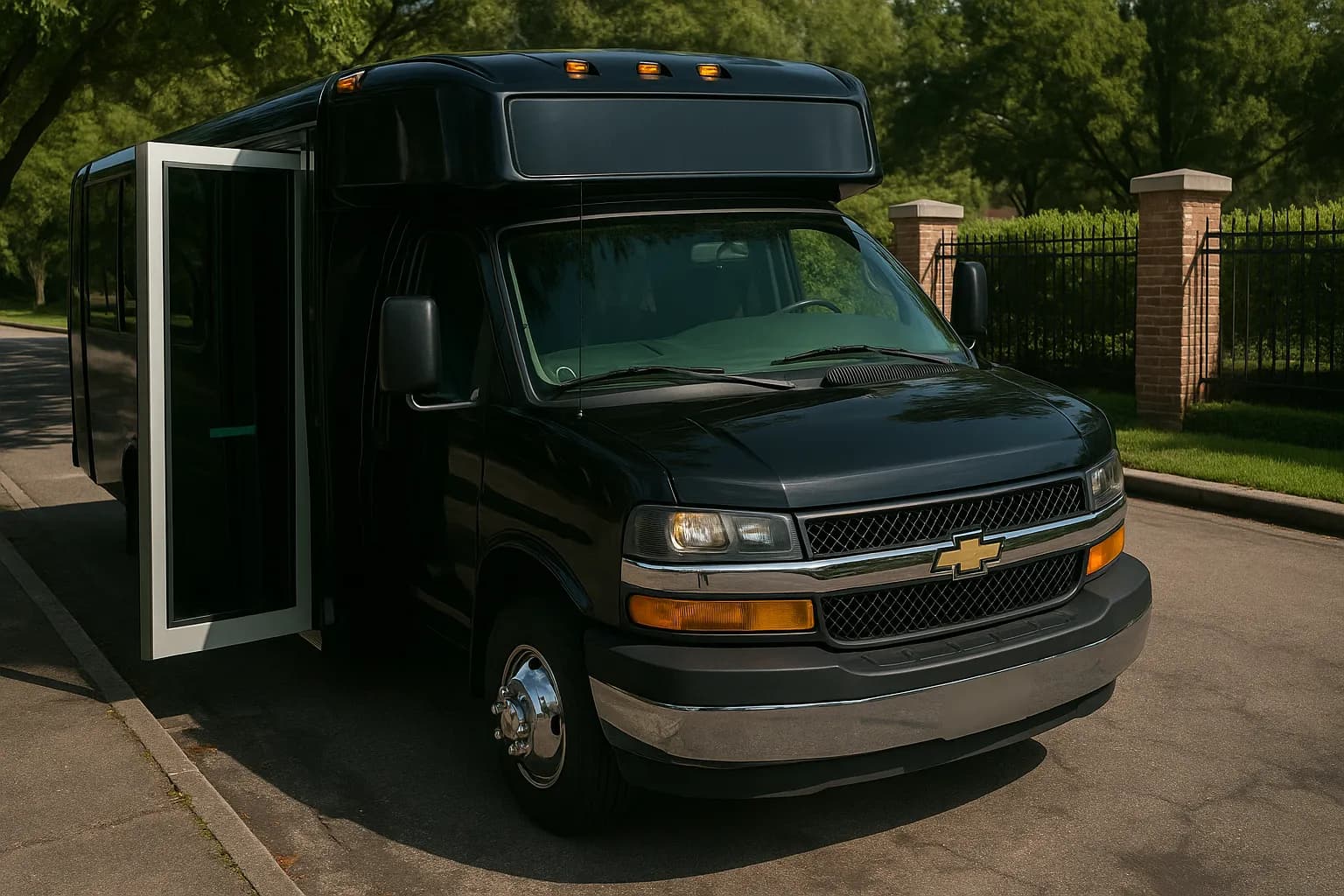
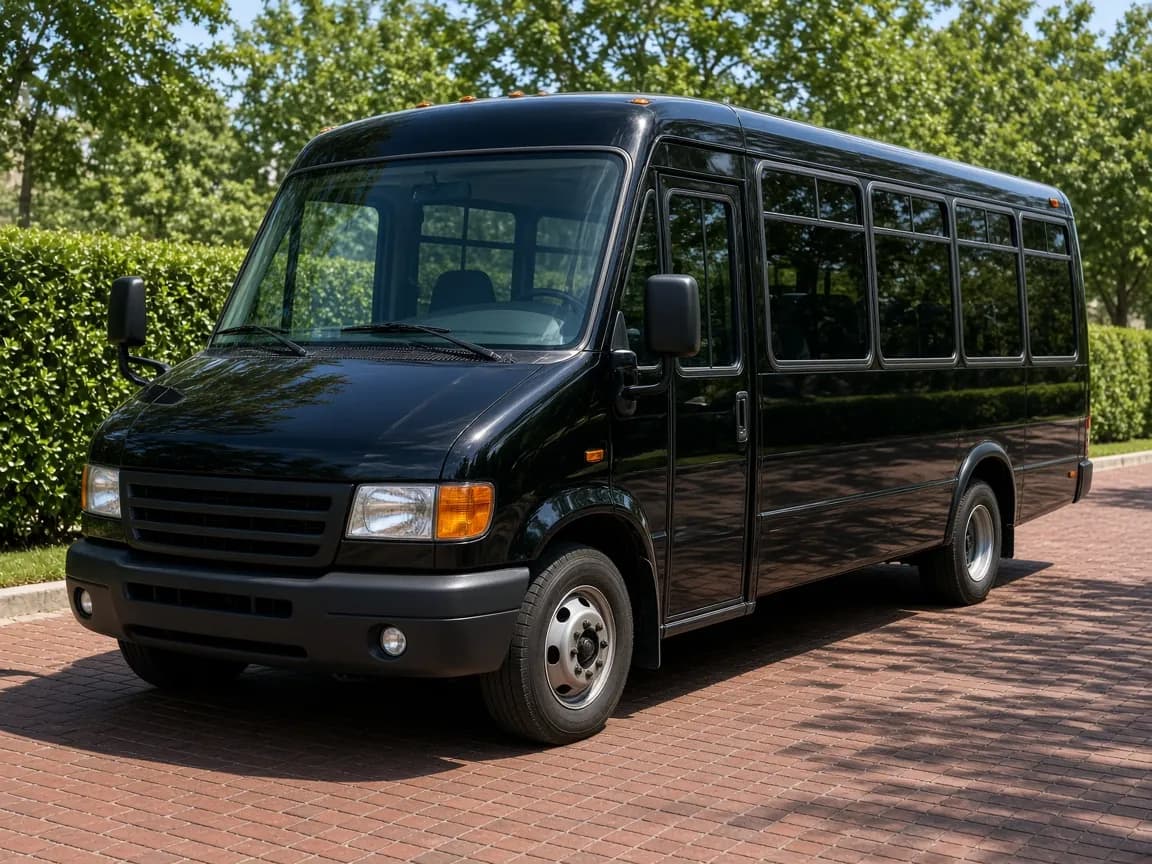
Where several vehicles share a capacity, party buses (limo sprinters included) come first, then limousines, then shuttles and coaches, the order those classes come up in our inquiry records. So at 20 guests the 20 passenger party bus sits above the 20 Passenger Hummer Limo and the 20 Passenger Shuttle Bus for reasons that have nothing to do with your night.
Each card gives the type, the maximum passenger count, and the first three features from that vehicle's listing. No prices, no availability, no luggage space. Take the result as the size to ask about, then choose the class by what people will be doing on board: standing and dancing, sitting and talking, or facing forward with bags at their feet.
Three real numbers: 17, 23, 40
Slide to 17 and you get the 18 passenger party bus, the 18 Passenger Escalade Limo and the 18 Passenger Excursion Limo. All three fit with a single seat spare, which is tight for a birthday once bags, gifts and a cooler are aboard. About 57% of Houston birthday inquiries with a group size fell between 11 and 20 people, and that is precisely the range where stepping up to a 20 or 22 passenger party bus buys floor space rather than just seats. Move the slider to 20 and look. The birthday party bus guide covers how groups that size usually shape the evening.
At 23 the cards are the 24 passenger party bus, the 24 passenger shuttle bus and the 26 Passenger Party Bus. No limousine appears at all, since the largest in the lineup seats 22. For a rodeo night at NRG Park, where people are in boots and jackets and would rather sit than dance, the shuttle earns a second look. Only about 13% of Houston inquiries with a group size were for 21 to 30 passengers, so ask early.
A wedding moving 40 guests from a Galleria hotel gets the 40 Passenger Party Bus, the 40 passenger shuttle bus and the 42 Passenger Shuttle Bus. Guests in formalwear making one run want forward-facing seats, and the extra row on the 42 quietly covers the RSVP that arrives on Thursday.
Why a full vehicle feels smaller
Listed capacity counts every seat, including the corner of the bench nobody ever chooses.
On a party bus, people stand, coolers occupy floor, and handbags colonise a seat each, so the vehicle feels right a few below its maximum. On a shuttle or coach the number is far more literal, because everyone is facing forward and staying put.
There is a quick test for this. Run the slider at your headcount, then at your headcount plus two. If the second shortlist is only one size up, the difference in a quote is often modest and the difference in elbow room is not. About 57% of Houston inquiries that mentioned a party bus and gave a group size were for 11 to 20 people, which is where the single steps, 16 to 18, 18 to 20, 20 to 22, are felt most.
Nobody has ever complained about the extra two seats.
Headcount mistakes that bite on the night
Almost none of these are arithmetic. They are all about counting the wrong people.
- Using the invite list instead of the yes list, then paying for a 30 passenger bus that carries 19.
- Forgetting one-way riders: a chaperone on a prom pickup, or the friend who only joins for the ride home.
- Rounding down and hoping the driver takes one extra. A driver cannot carry more passengers than the vehicle is rated for.
- Booking two vehicles with no shared plan, so one bus spends the night waiting on the other.
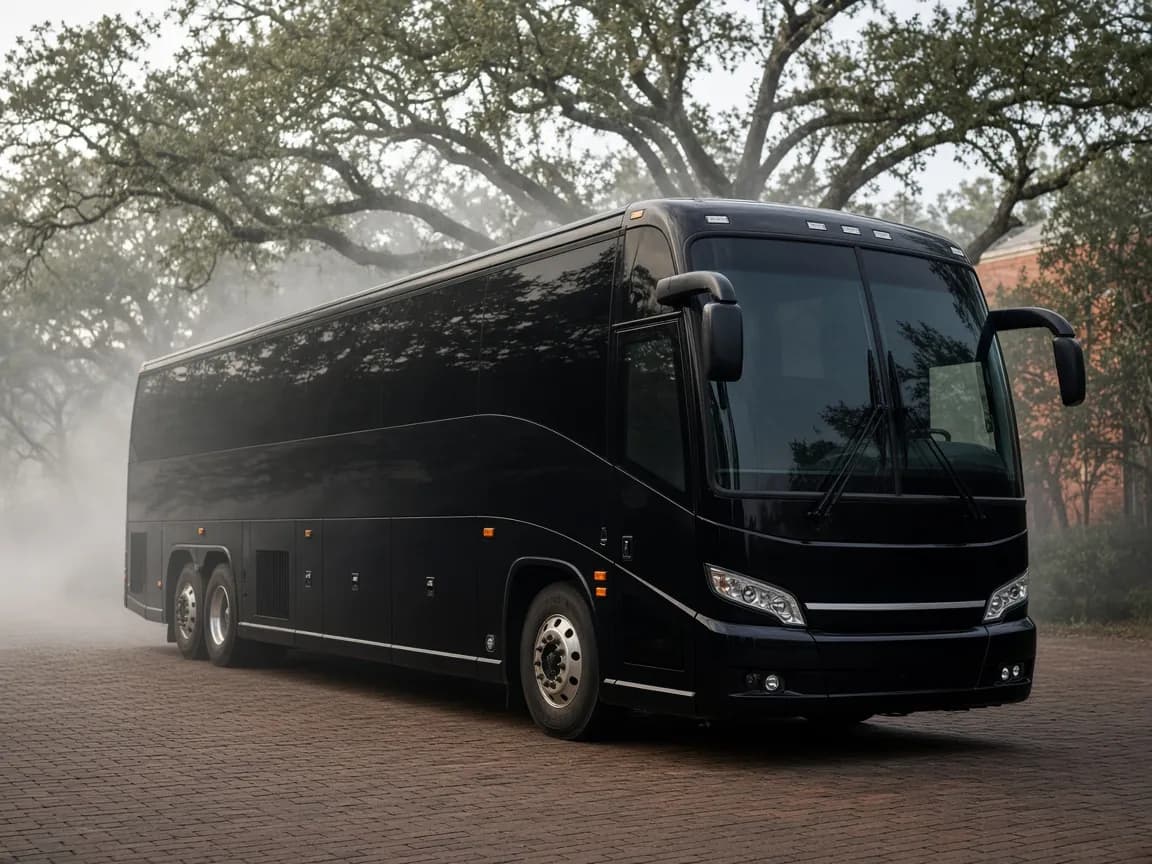
- Stopping at 56. The slider ends there because the 56 passenger coach bus is the largest single vehicle, so bigger groups run the calculator once per vehicle.
This one or the capacity finder?
Both read the same vehicle list and apply the same rule, listed capacity at or above your number, so they will never disagree with each other. The difference is the job each does. This calculator gives you the short answer, the three sizes to name in a quote request. The capacity finder lists everything that fits across every class, which is what you want while you are still weighing a limousine against a party bus against a shuttle.
With a size settled, the vehicle comparison tool lines two options up side by side, and the group split calculator turns a quoted total into per-person shares. When the number stops moving, send it with your date and pickup area through the booking page.