Short answer
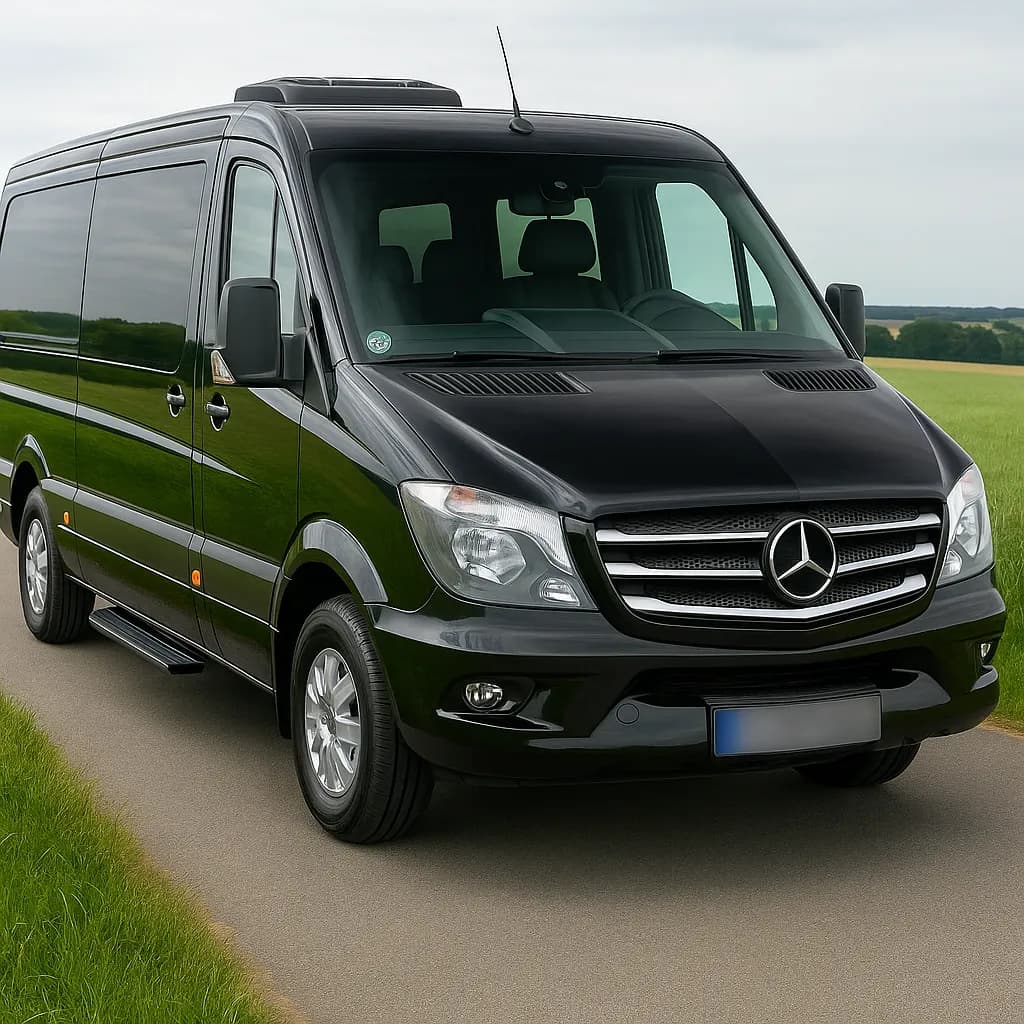
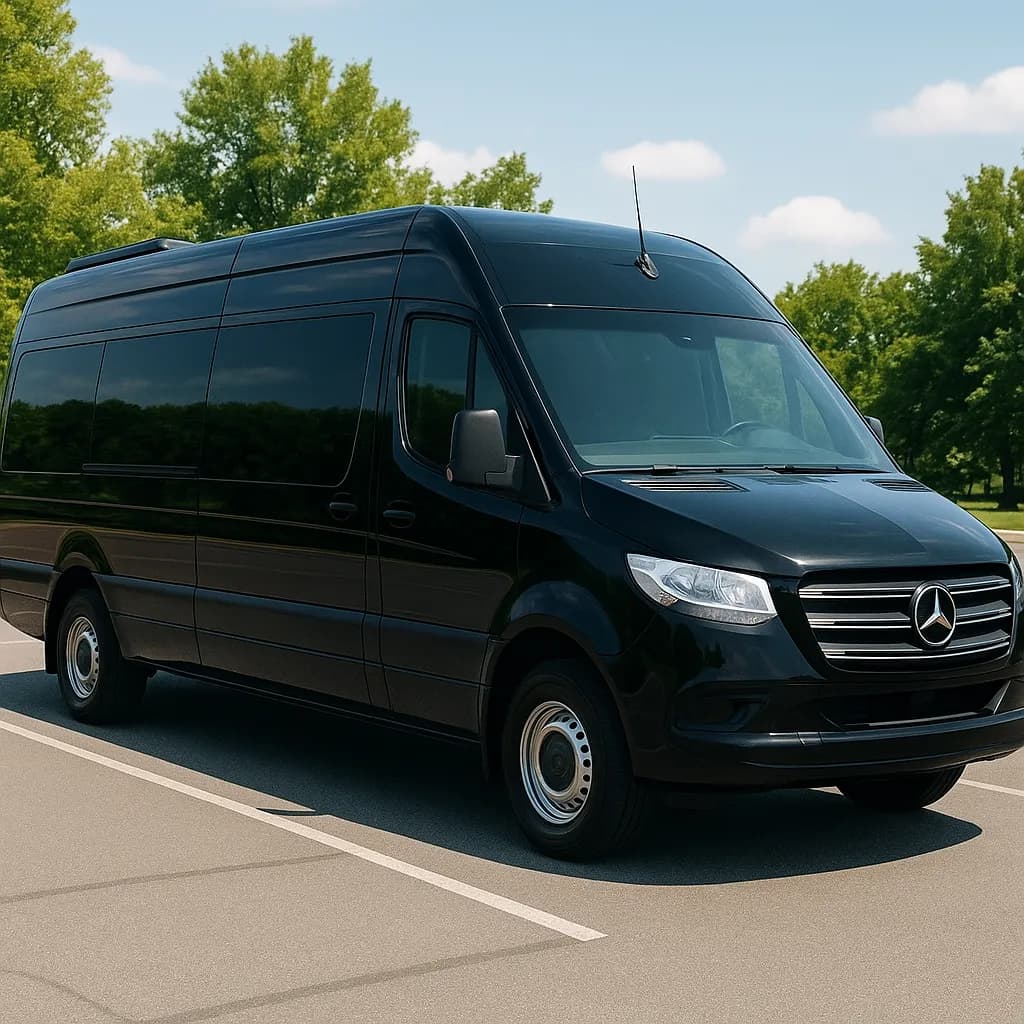
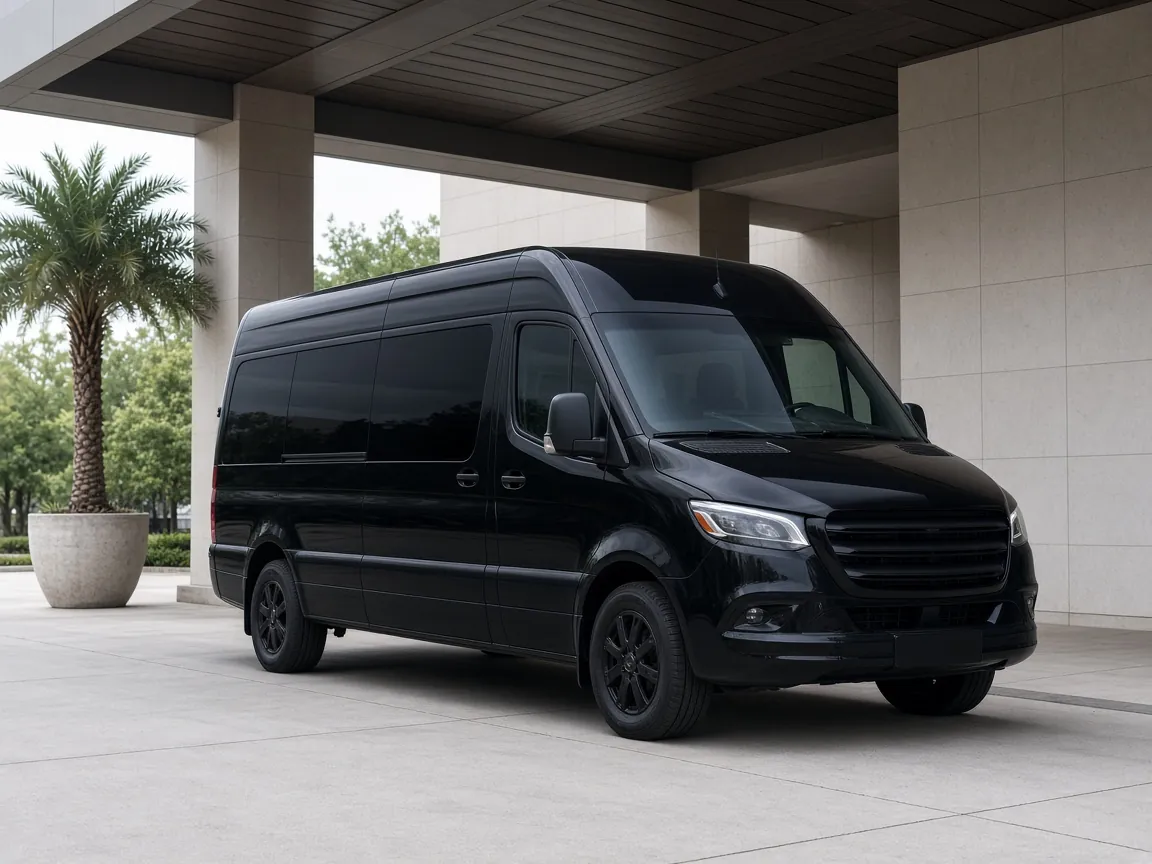
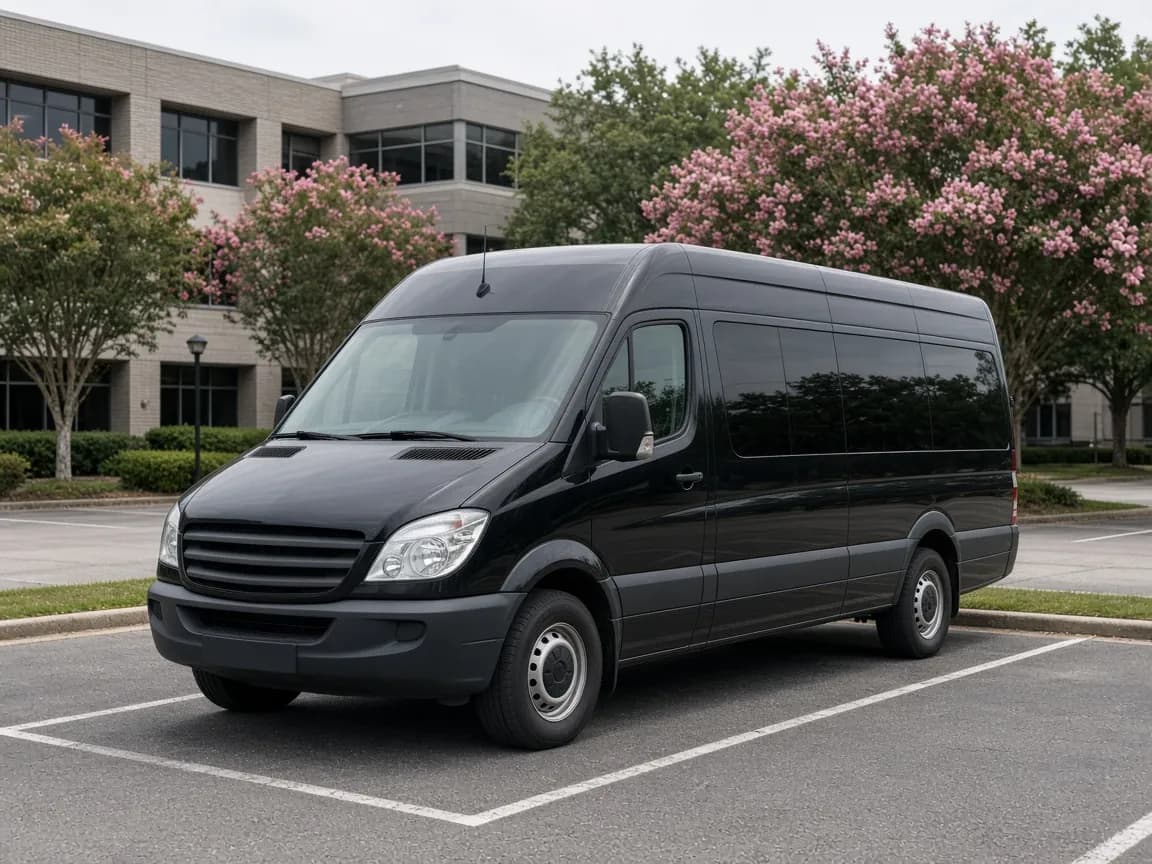
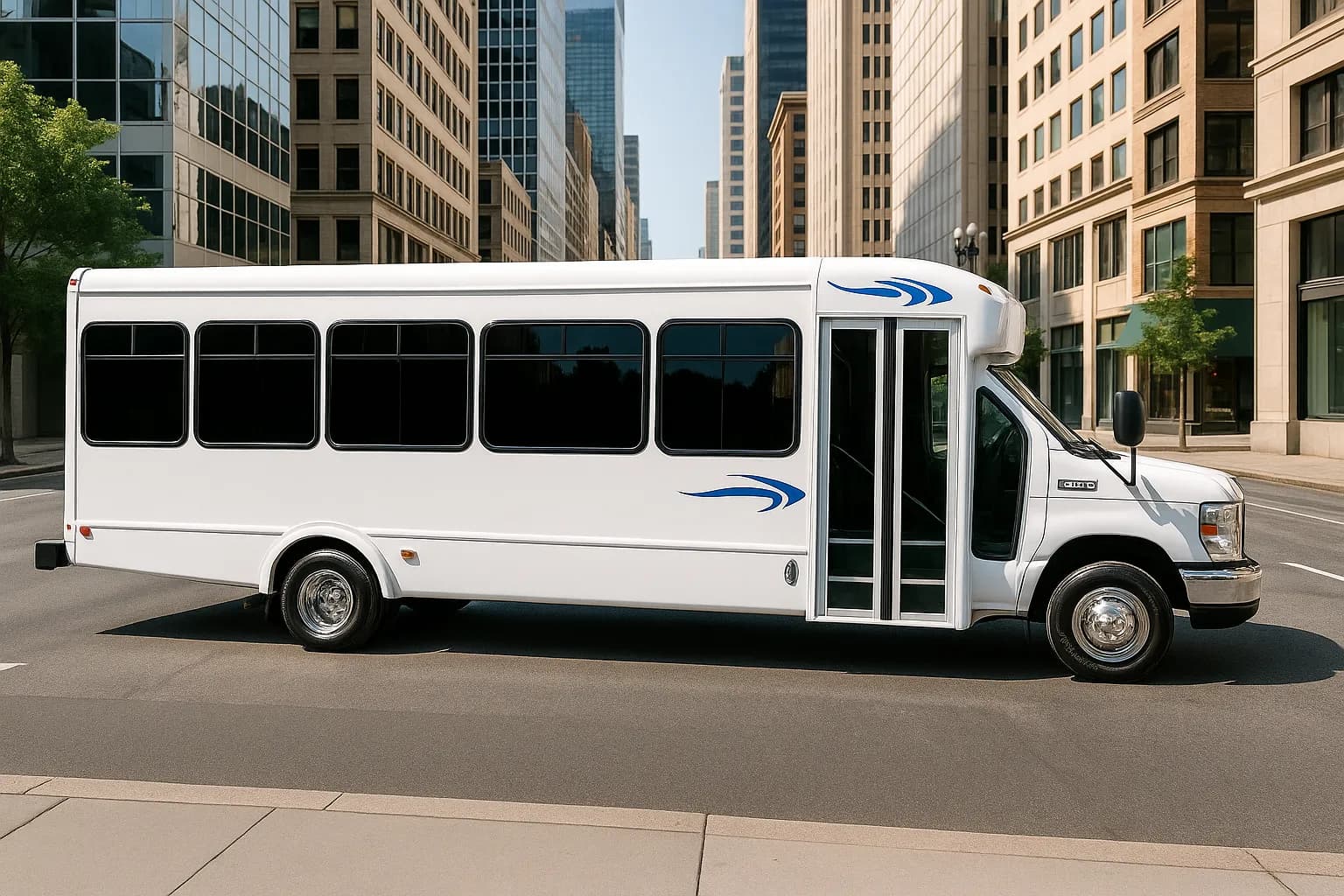
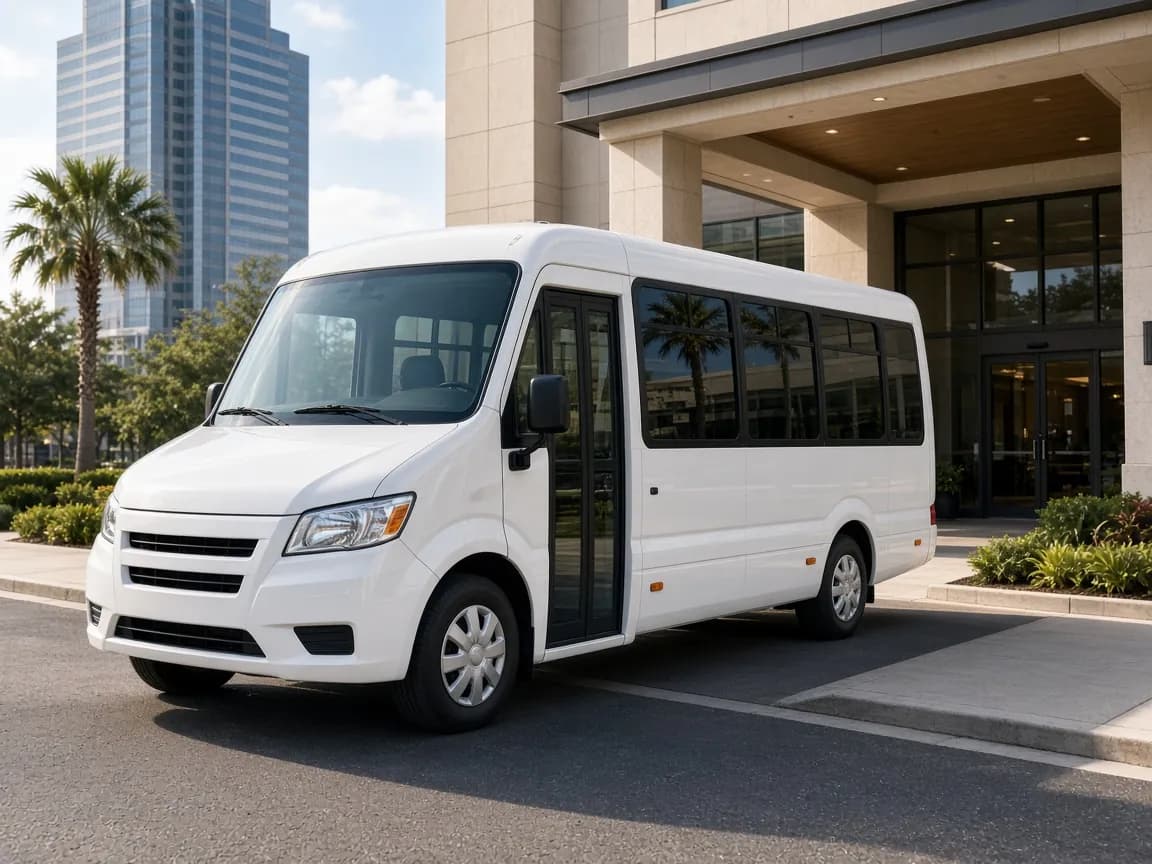
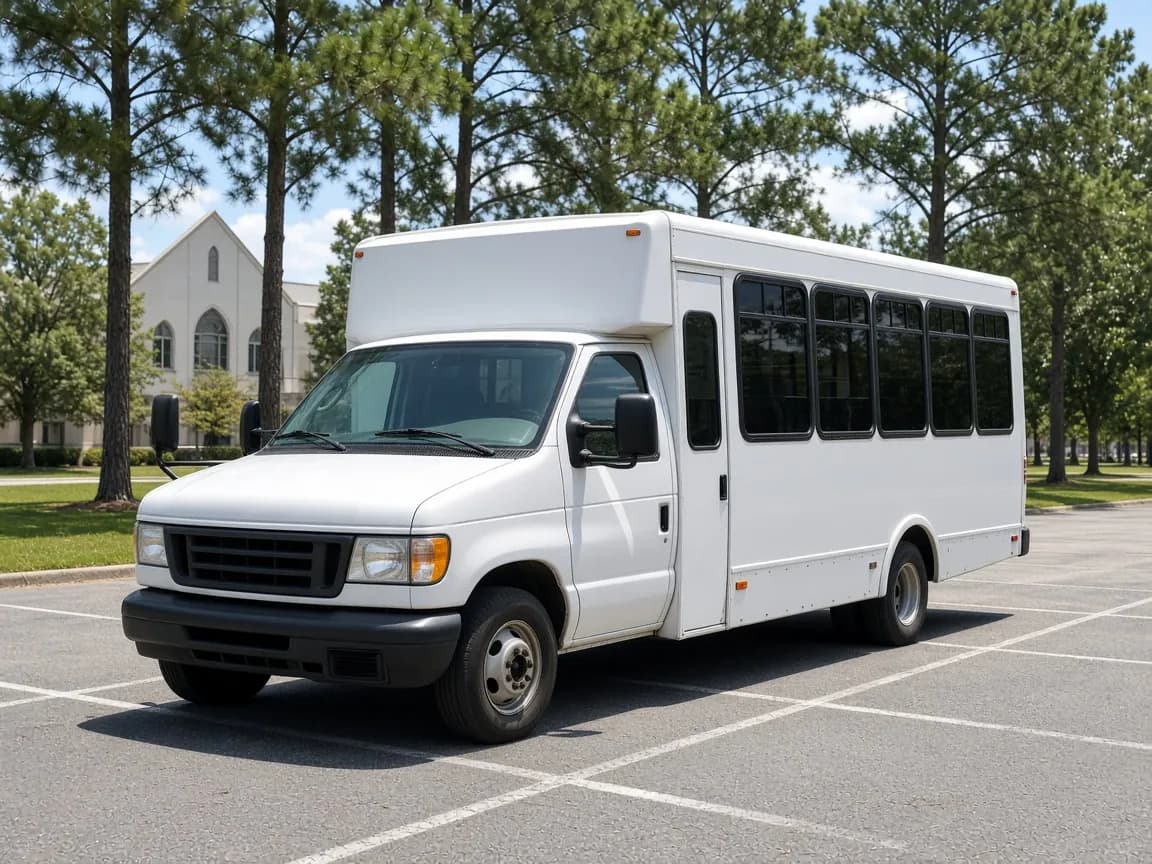
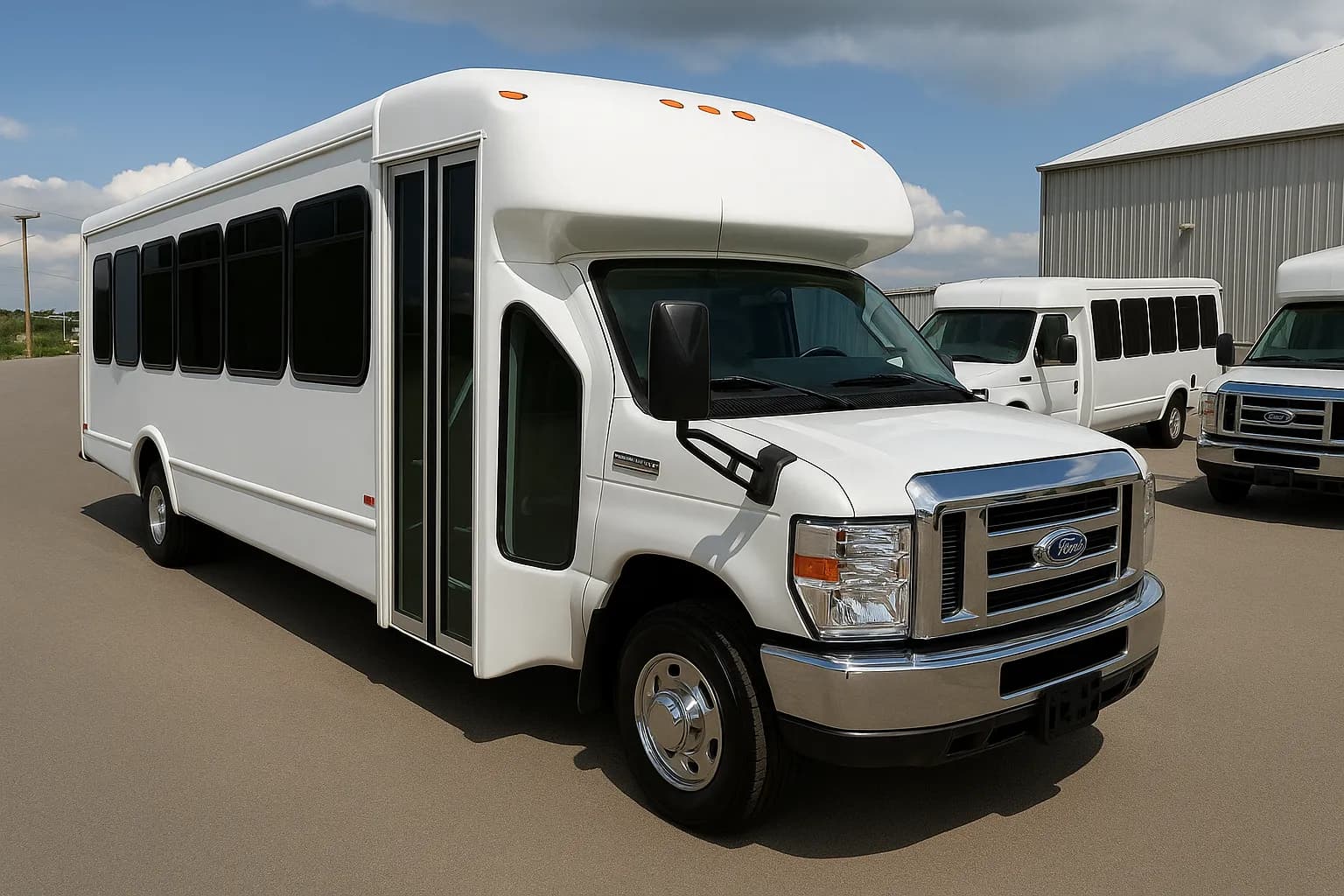
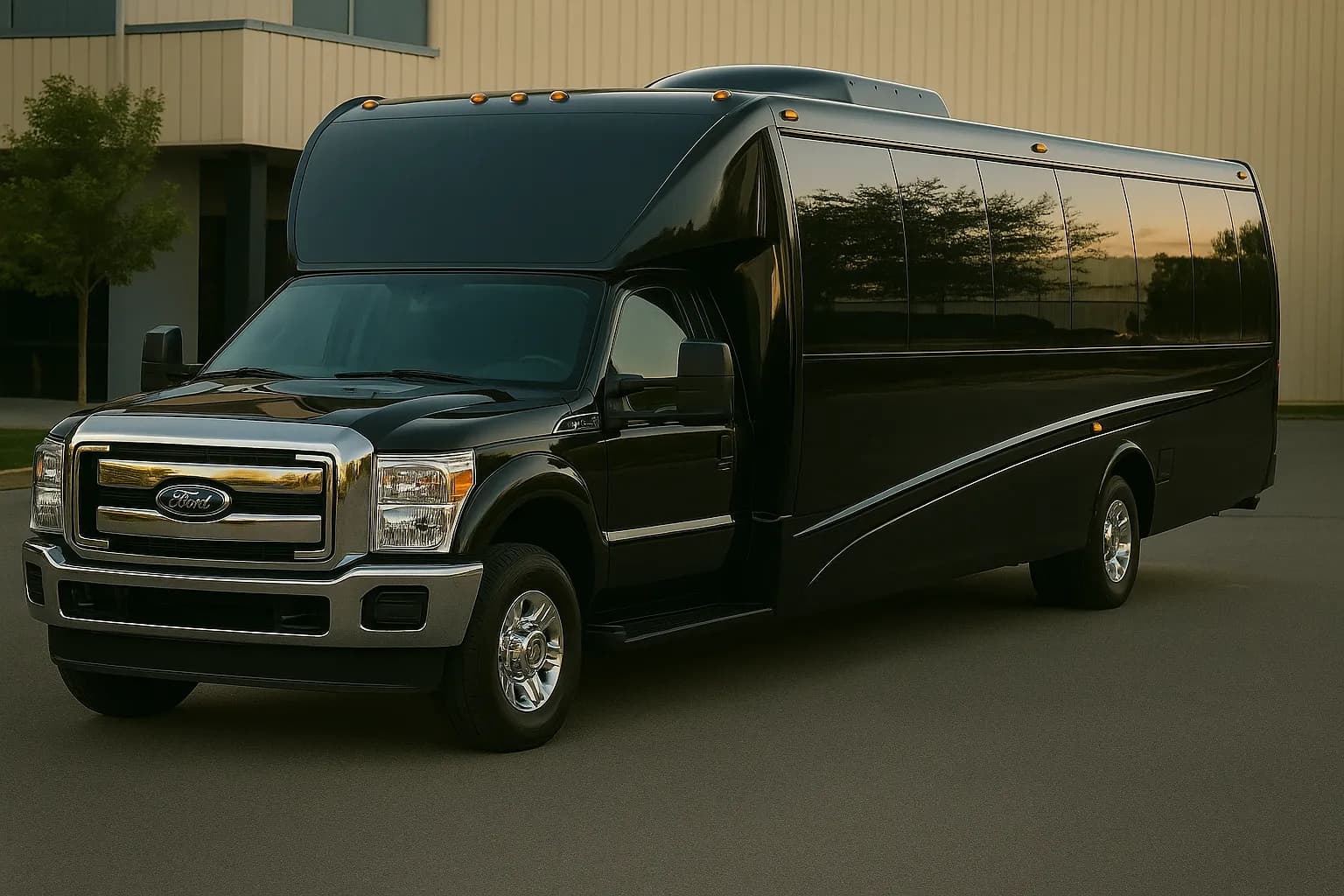
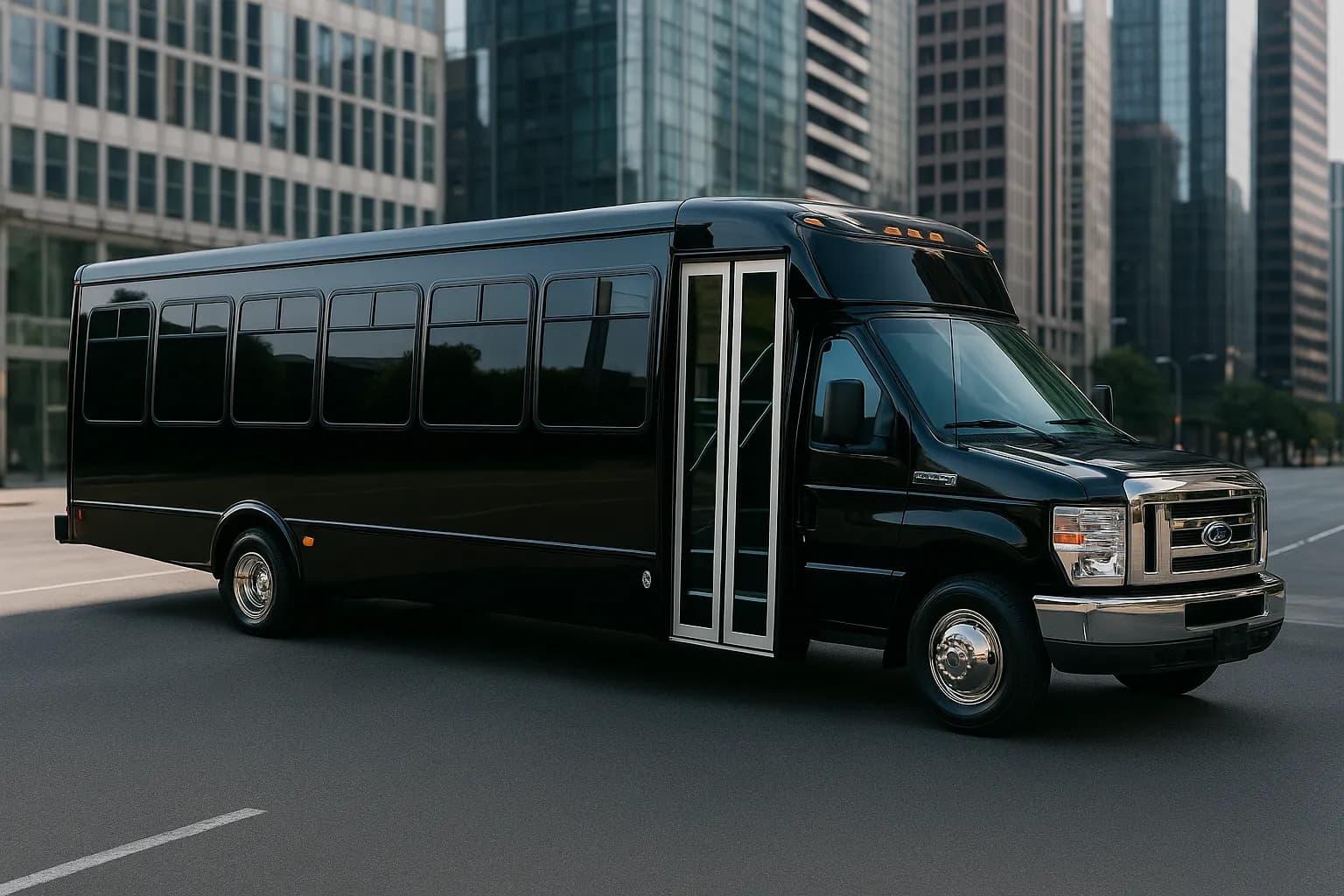
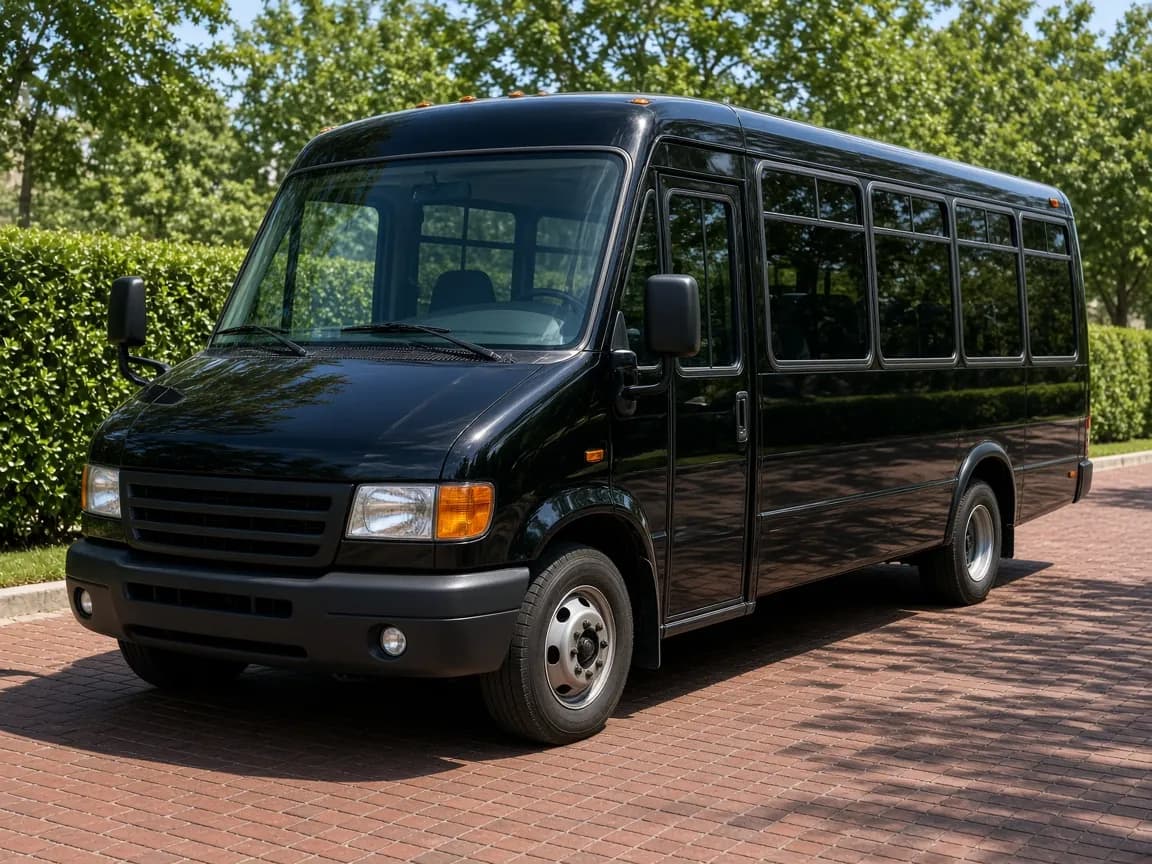
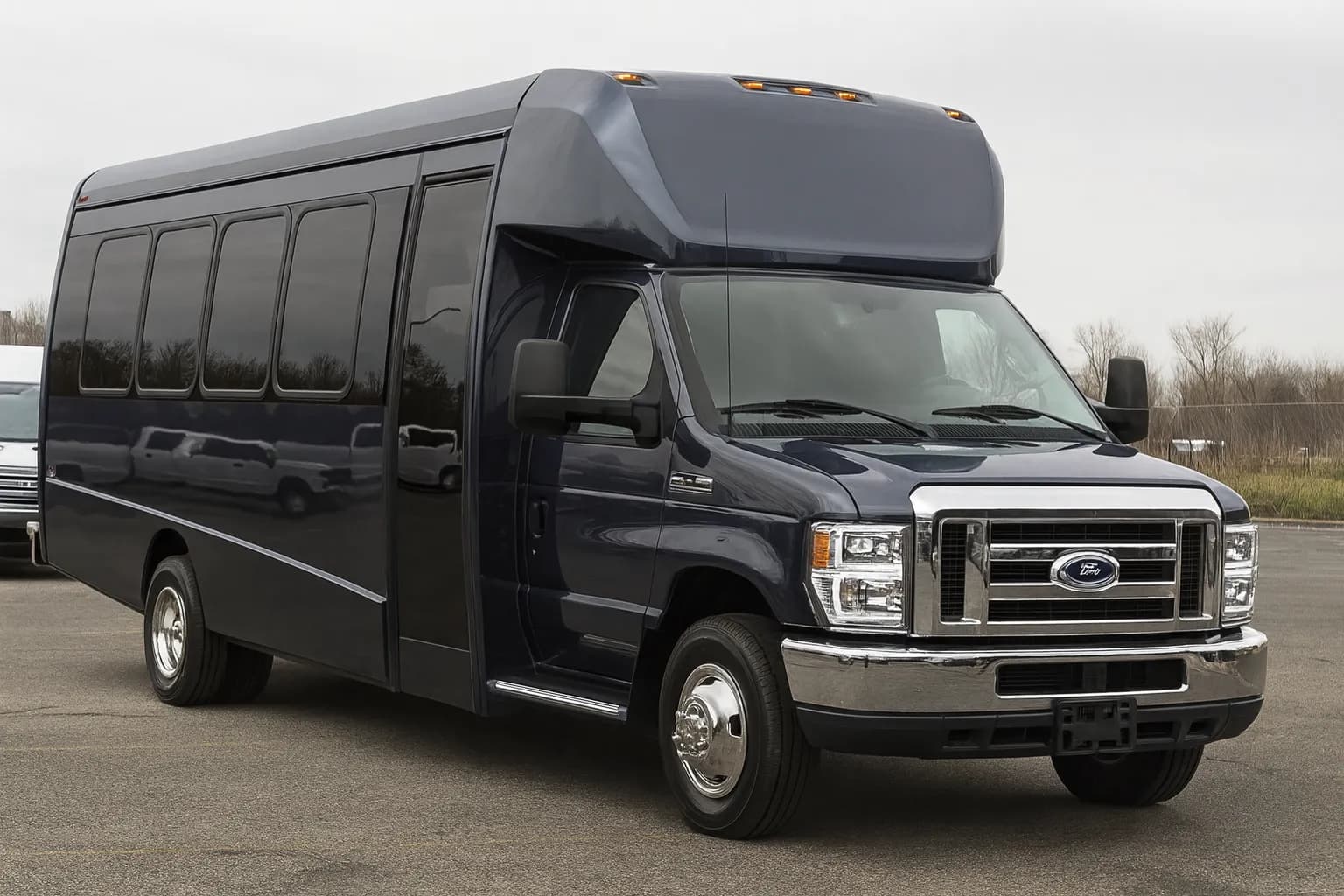
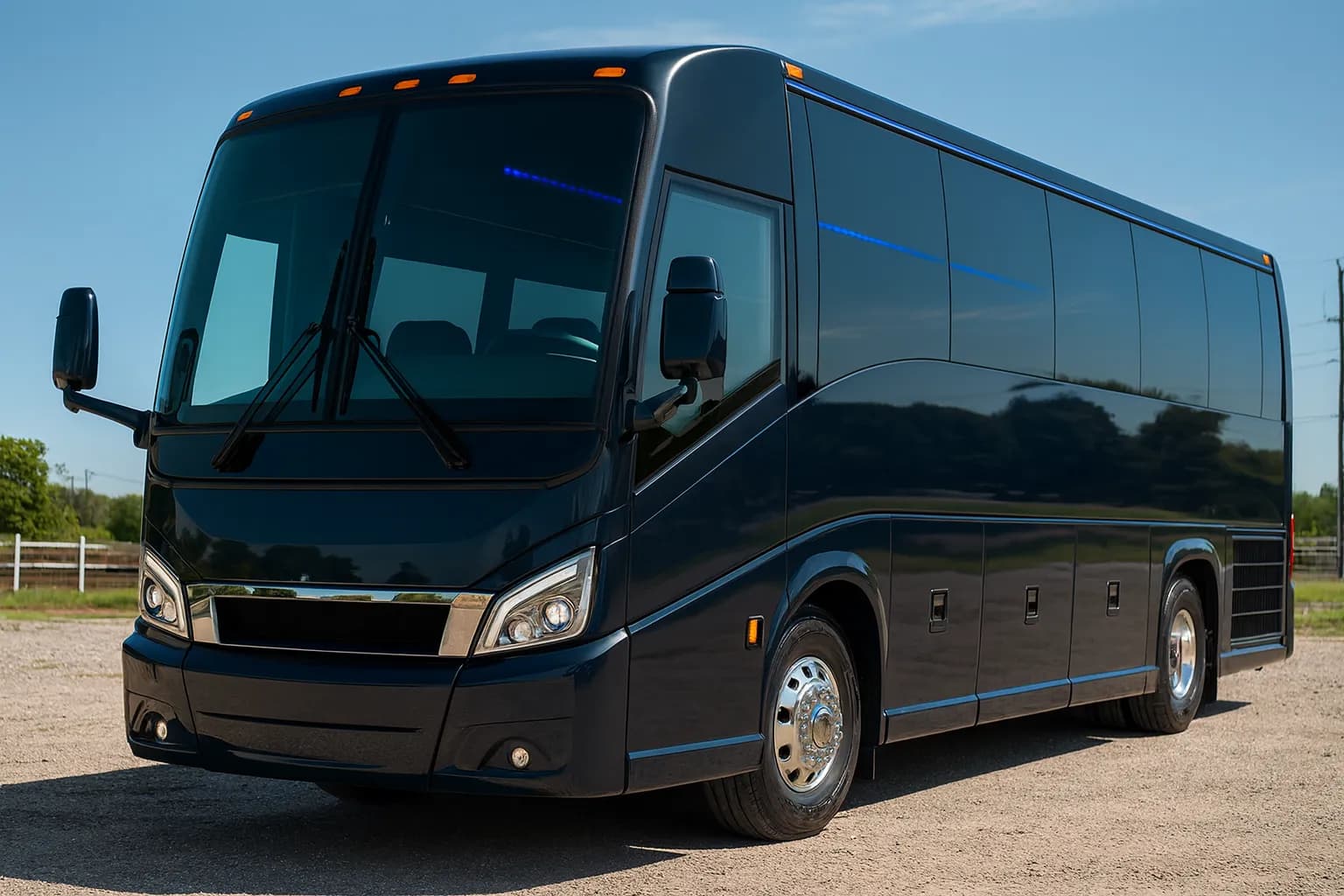
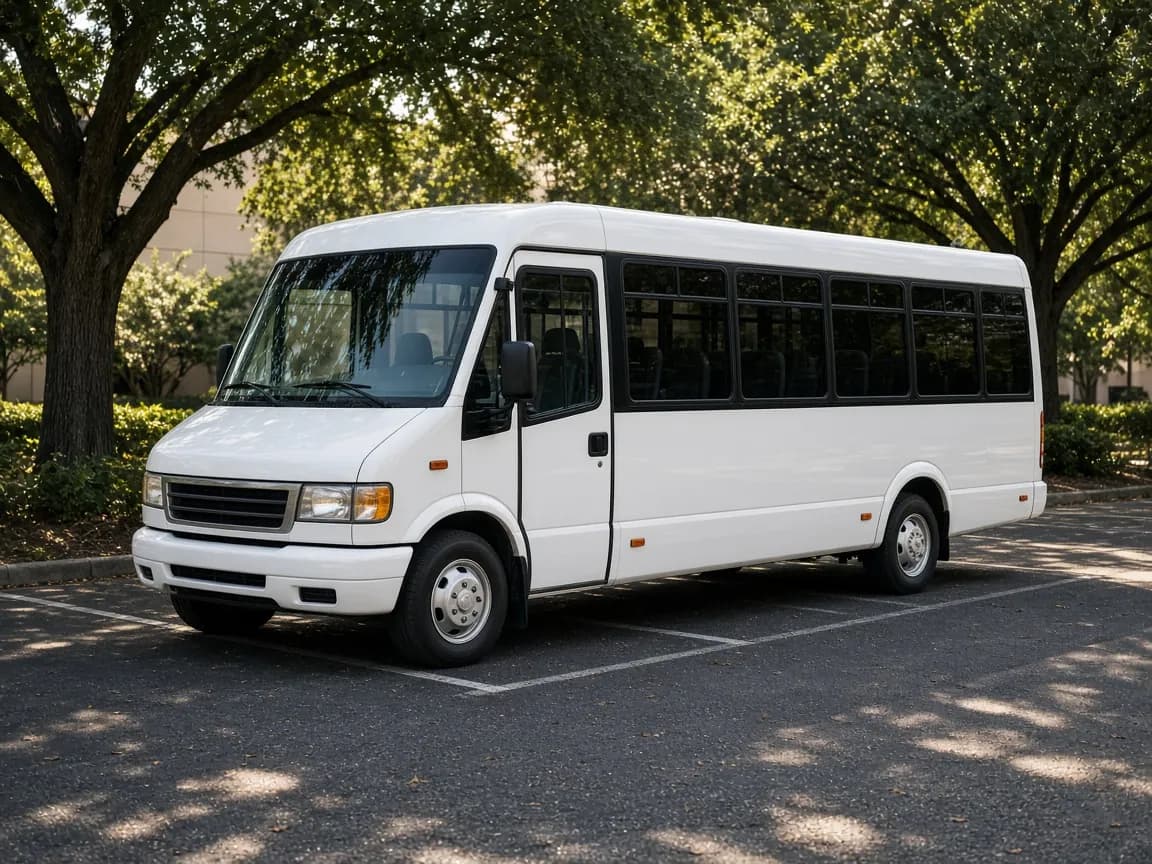
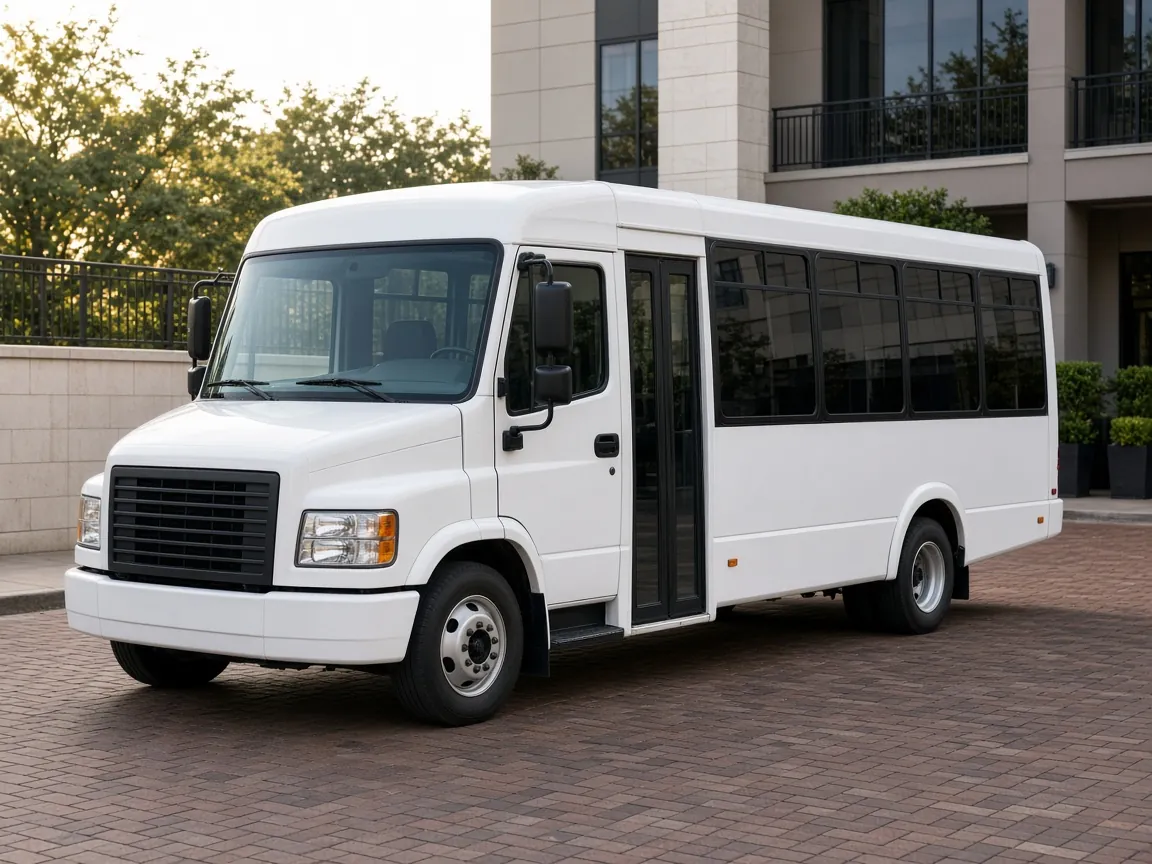
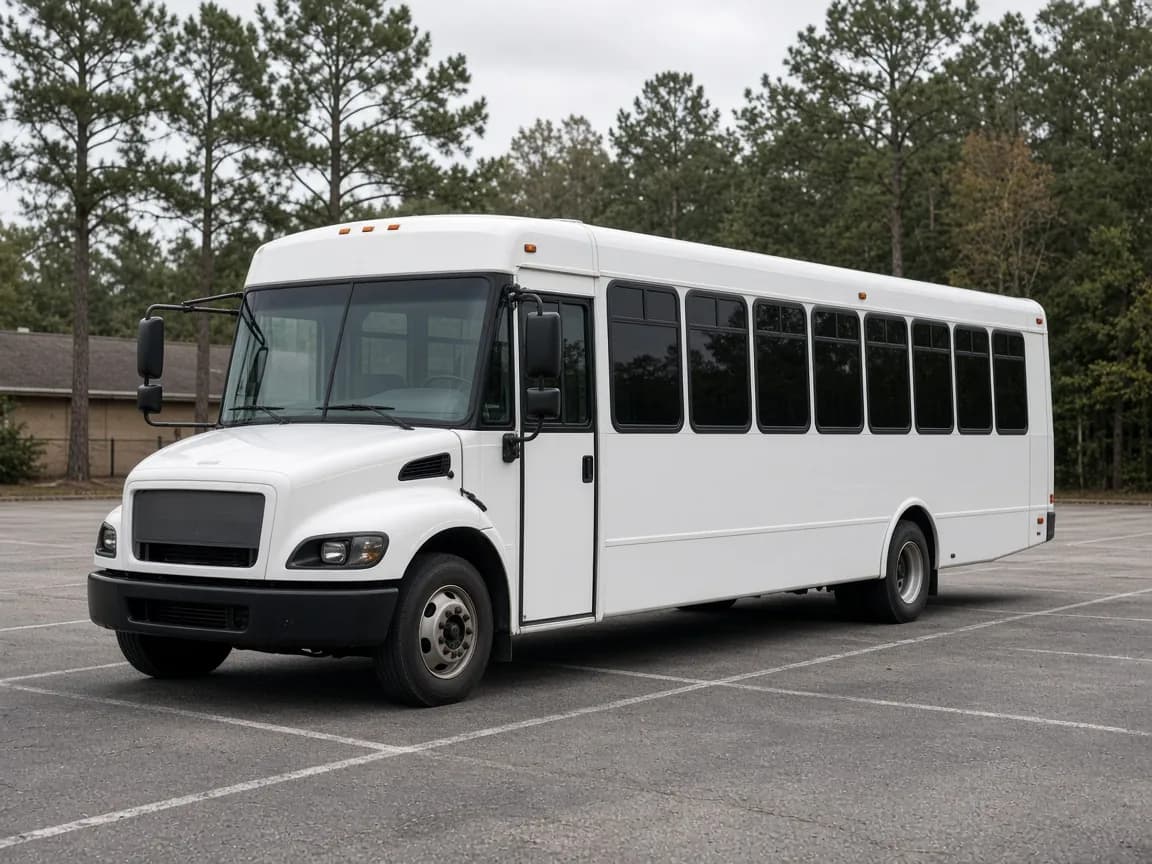
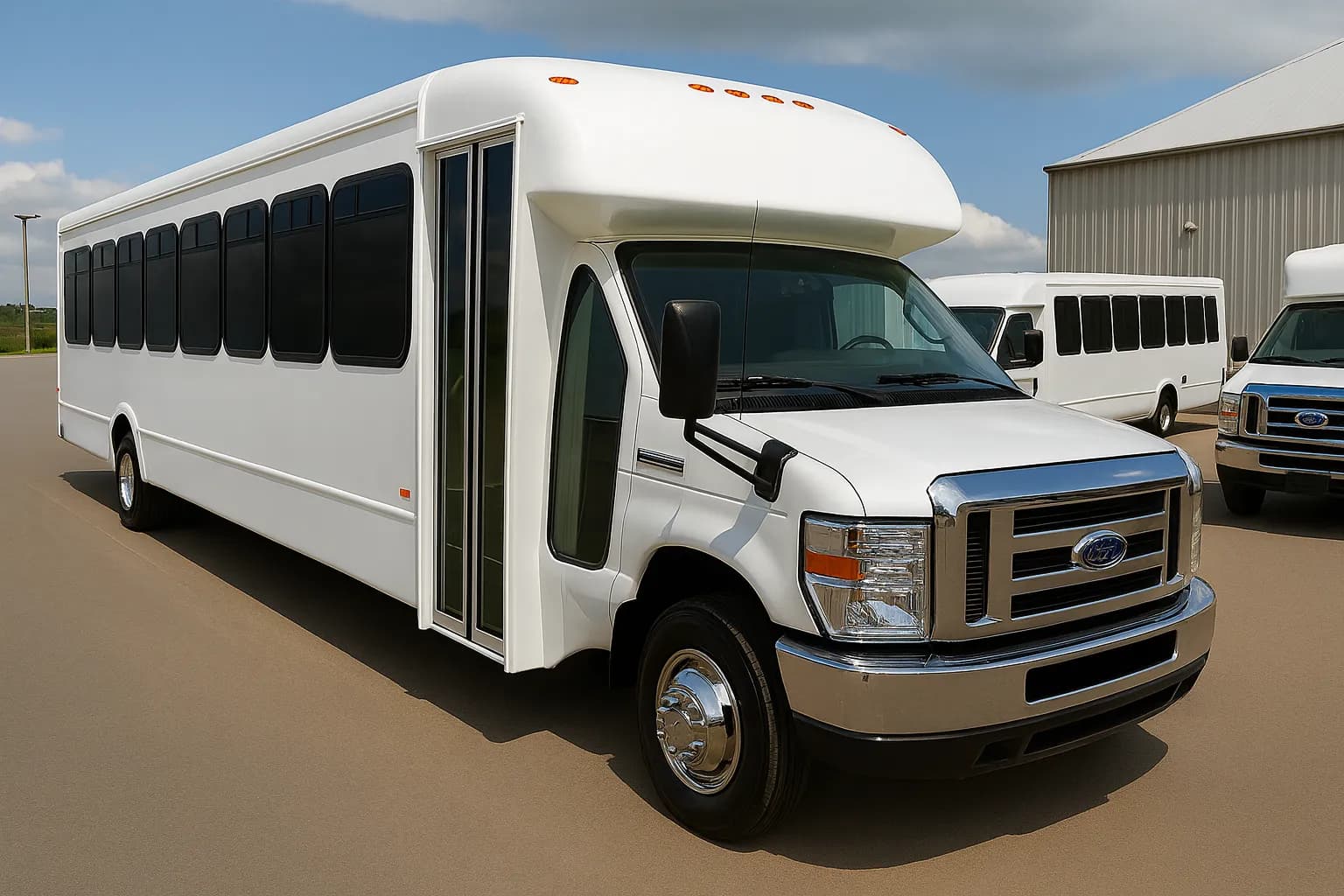
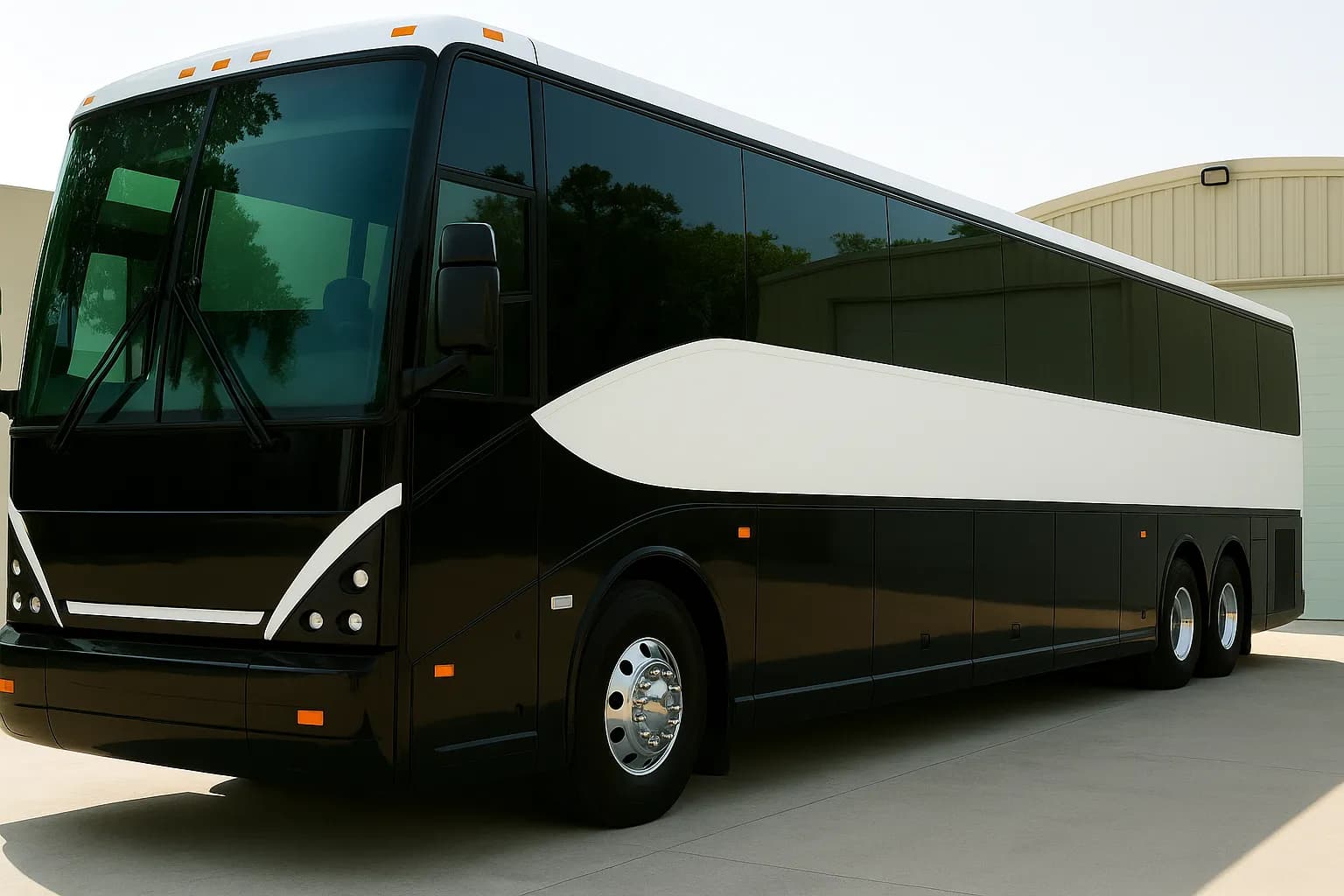
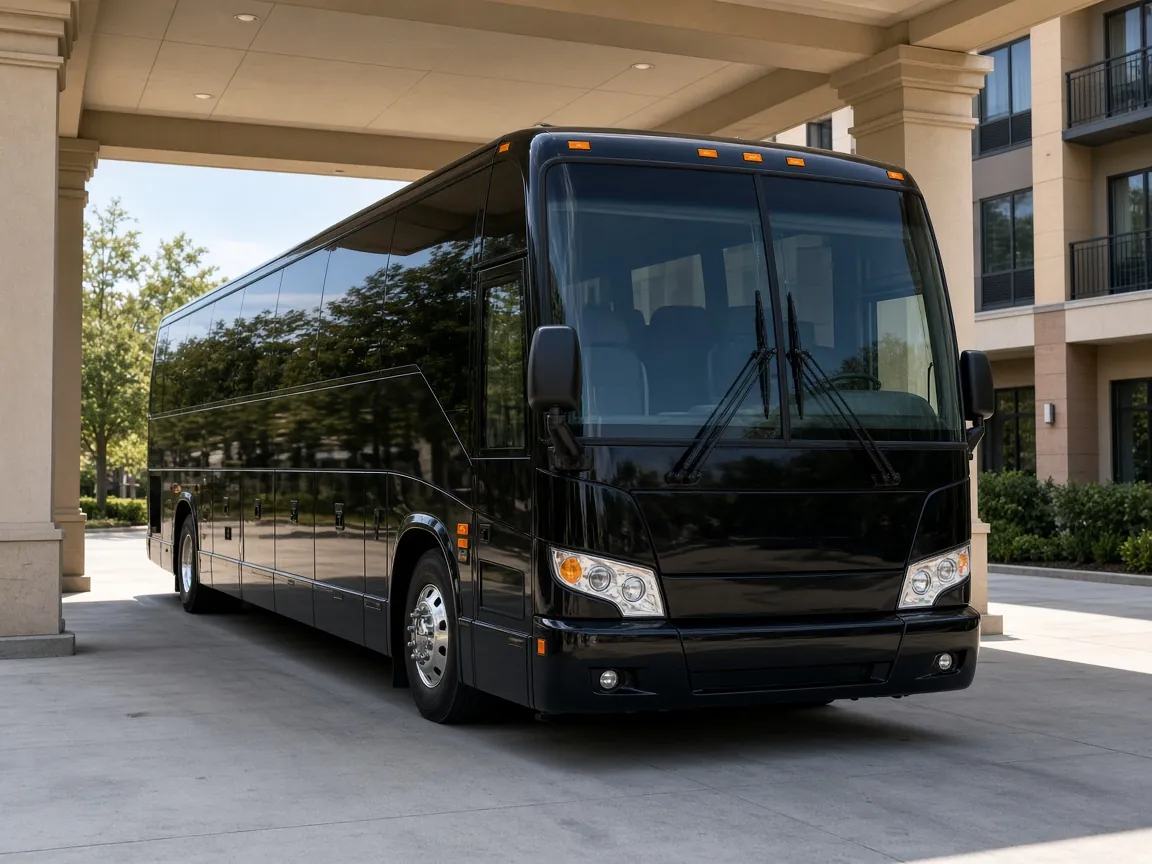
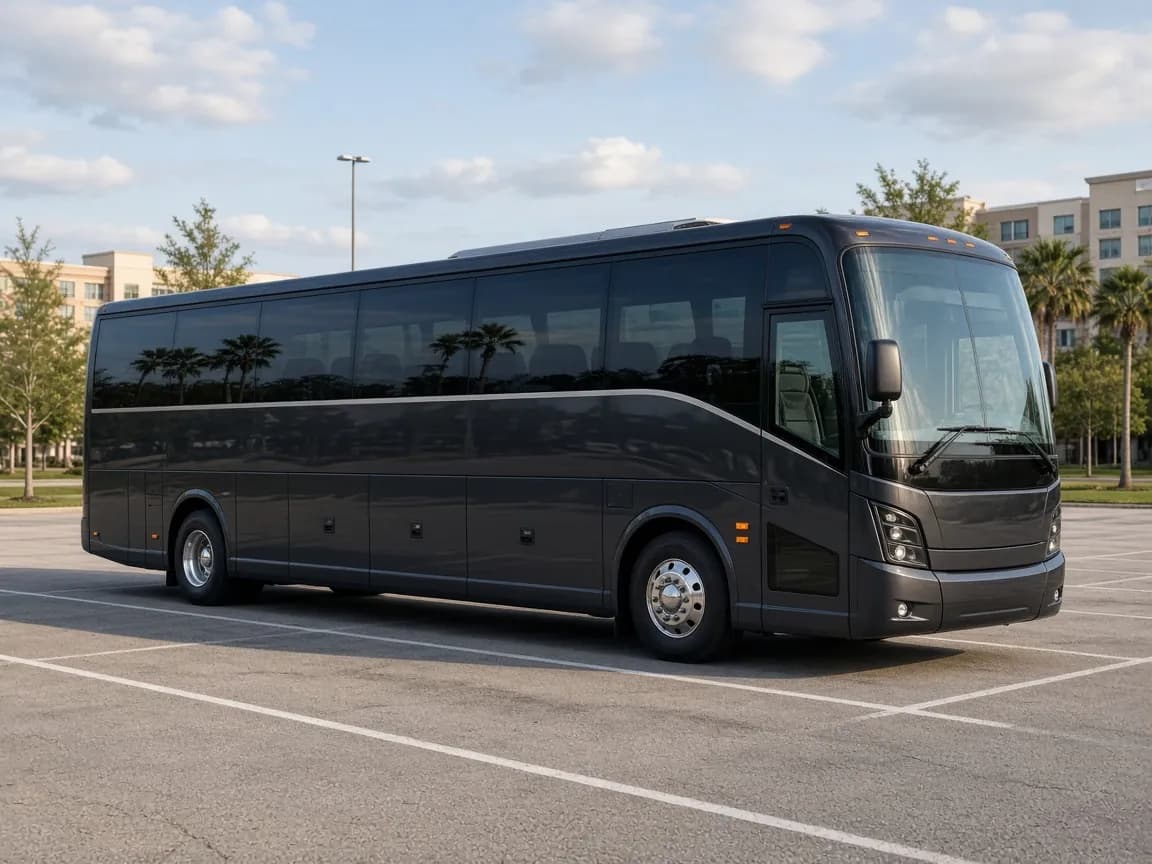
This class moves people and their bags on forward-facing seats, in three tiers: executive sprinters for 8 to 14, shuttle buses for 16 to 46, and full-size coaches for 48 to 56. An executive sprinter handles small airport and business transfers, a shuttle bus runs wedding and event loops around town, and a full-size coach is for long highway runs or one large group travelling with luggage.
What separates the three tiers?
Luggage and distance, more than headcount.
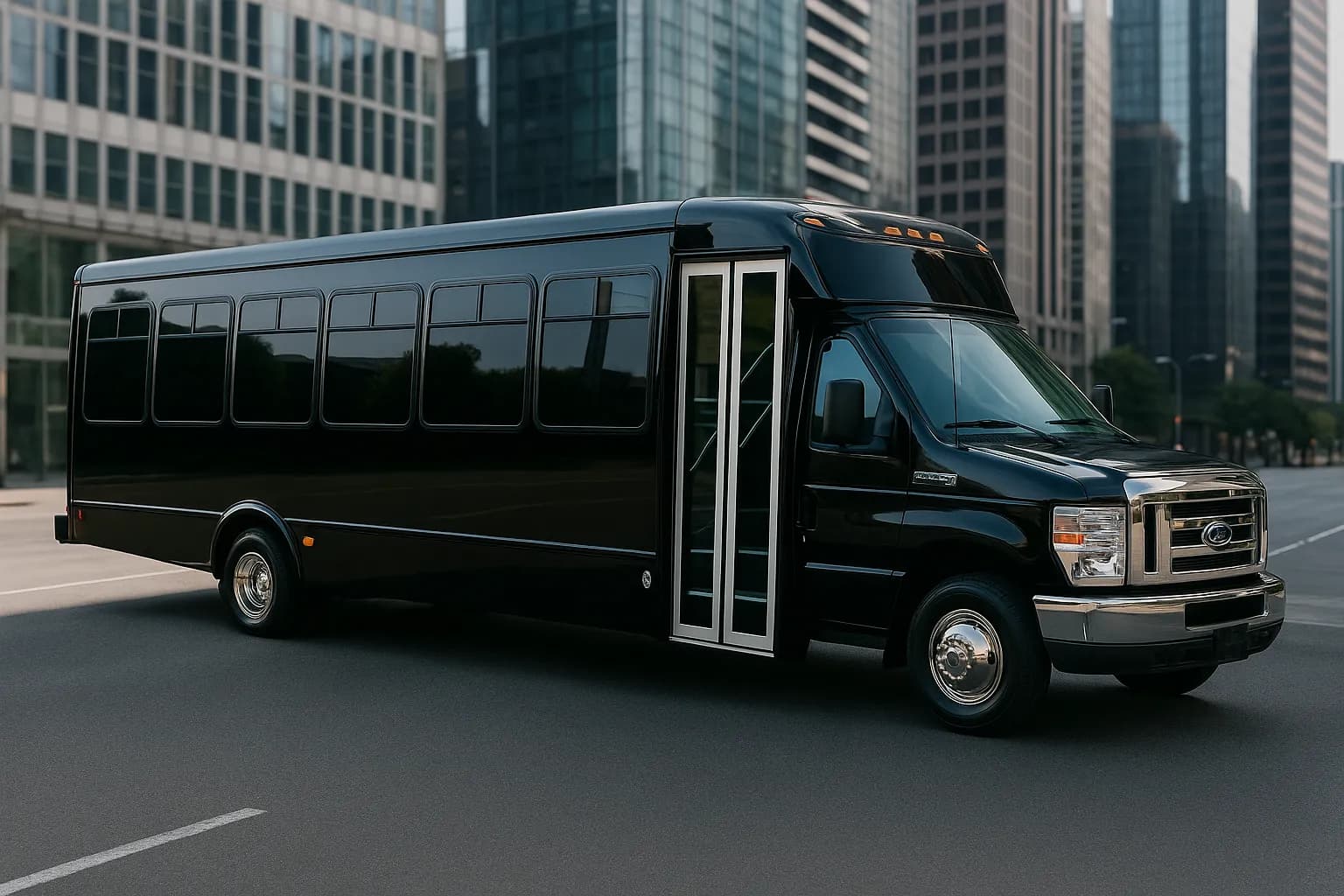
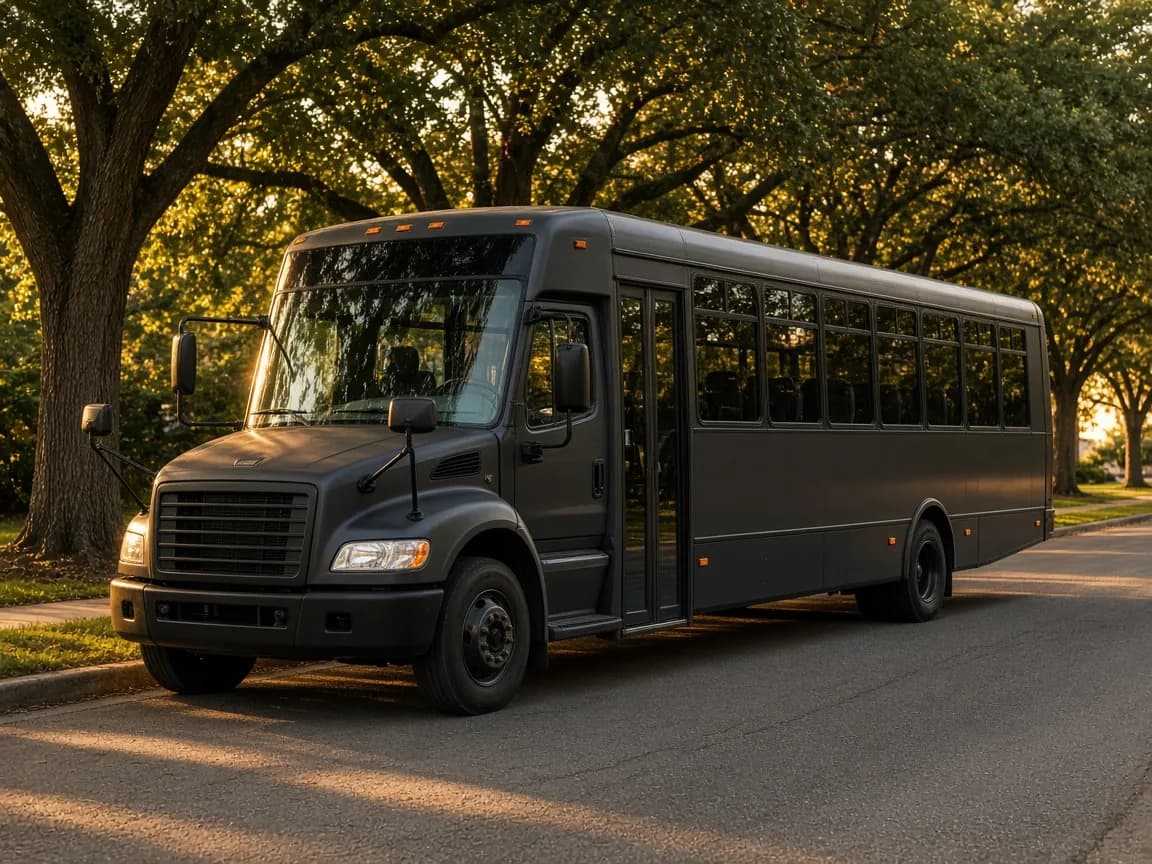
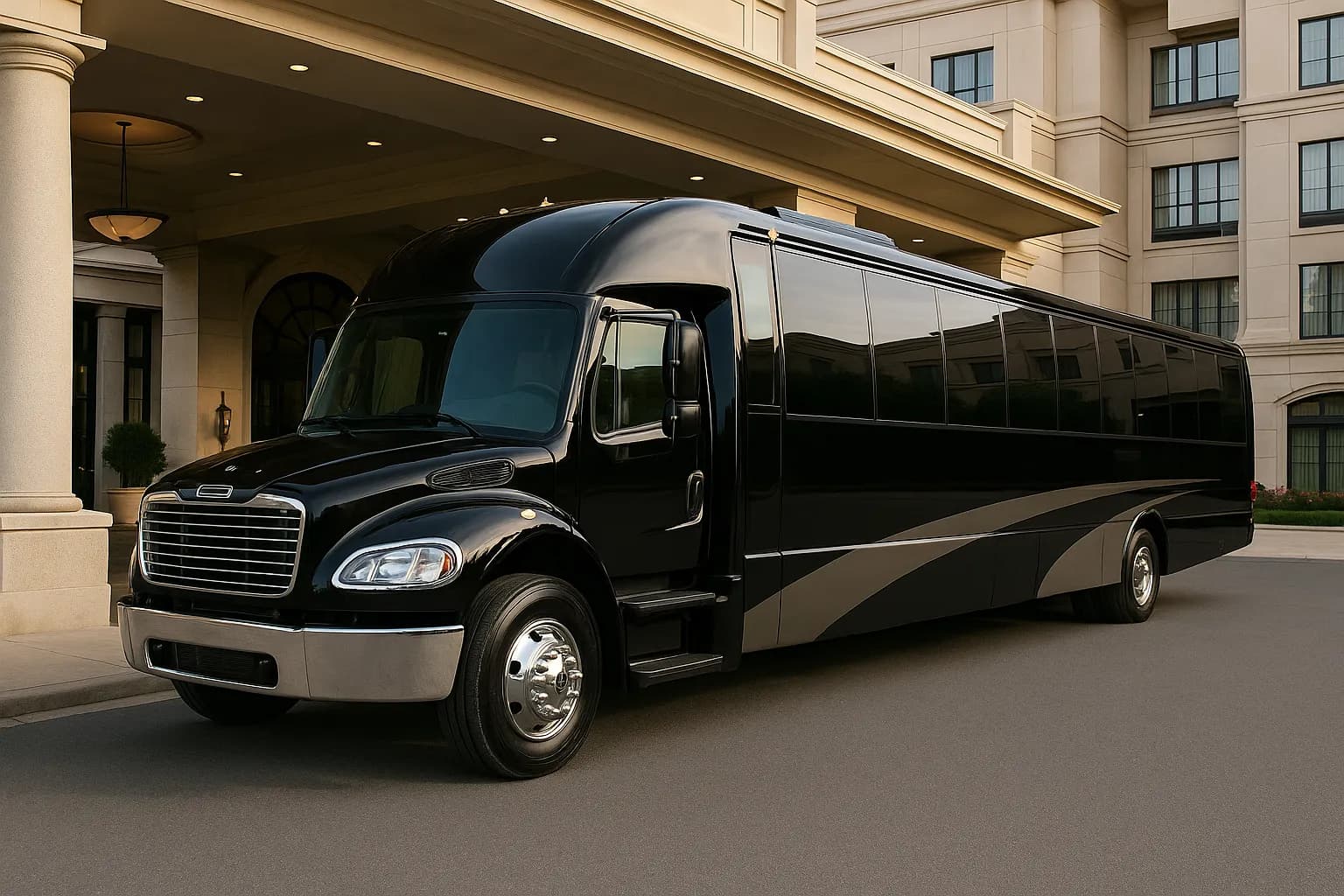
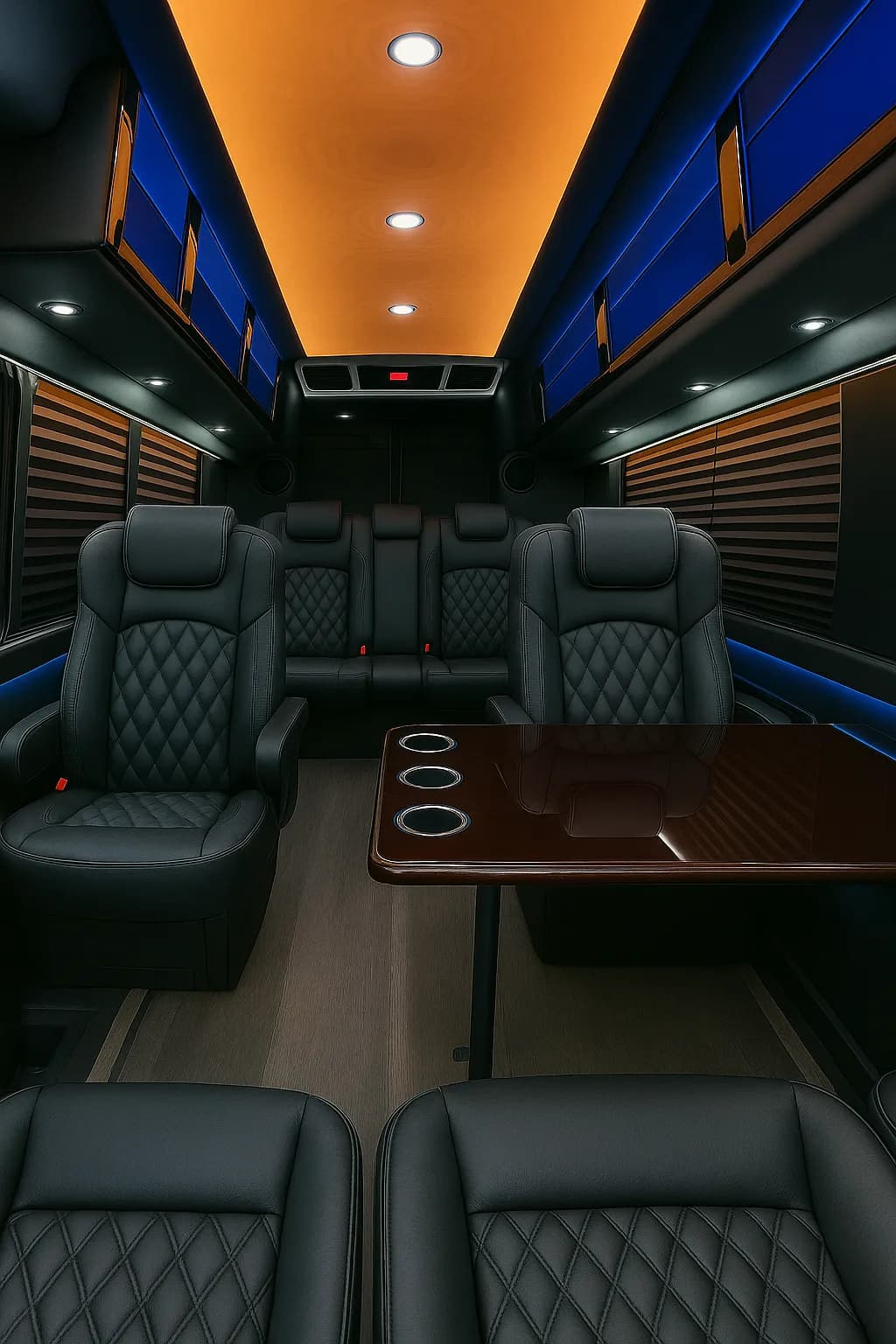
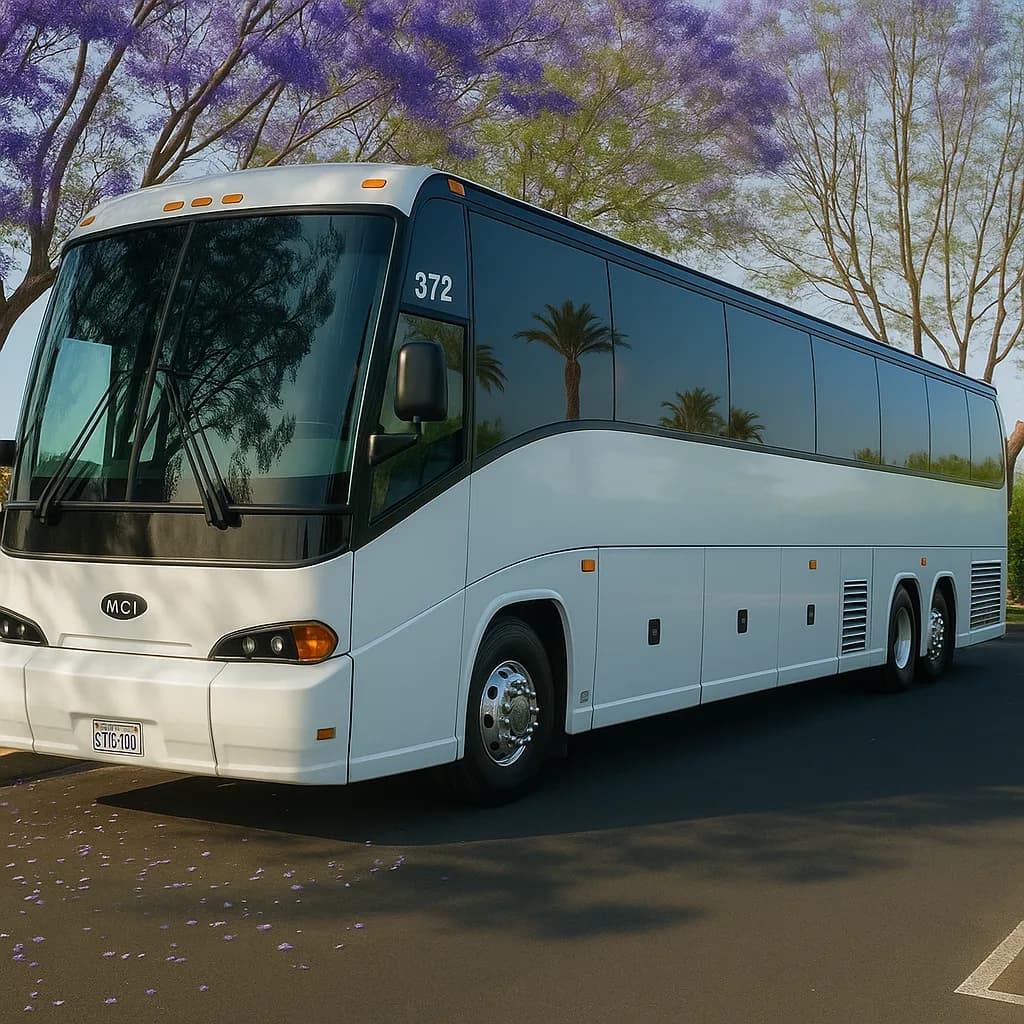
An executive sprinter is a large van fitted with rows of forward-facing leather seats and space for bags behind the last row. It loads quickly, parks like a big SUV, and looks at home in a hotel drive or an office tower pickup lane. A shuttle bus, listed here from 16 to 46 seats, is a purpose-built bus with an aisle, overhead storage and a PA system, and it is the workhorse for moving guests between two fixed points. A full-size coach, 48 to 56 seats, is the highway motorcoach: reclining seats, luggage bays under the floor, a restroom on select models.
Twenty people going eight miles to a reception fit a shuttle bus nicely. The same twenty with suitcases, headed for a cruise terminal in Galveston, want the coach and its luggage bay. Same headcount, different vehicle.
Airport runs: size for the bags, not the seats
The suitcase is the passenger everyone forgets to count.
Sprinters are the natural airport vehicle and the records agree. In Houston, about 7% of inquiries with a quoted vehicle on file mentioned a Sprinter van, and across all markets about 53% of Sprinter inquiries with a group size were for ten or fewer with about 45% at 11 to 20. The 10 passenger executive sprinter carries a small team with carry-ons. Give those same ten a large checked bag each and the 14 passenger executive sprinter is the better answer, with the spare seats soaking up the overflow.
Time the pickup around the terminal rather than the clock. From downtown, Hobby usually runs 15 to 25 minutes and Bush Intercontinental 25 to 40, longer at rush hour. Send the flight numbers so a delay can be followed, and agree a meeting point outside baggage claim before anyone is in the air and unreachable.
Ten people and ten suitcases is a fourteen-seat problem.
How many shuttle loops will a wedding need?
Work it out from the loop, not from the guest count.
Say 120 guests are at a hotel near the Galleria and the venue is twenty minutes away. One round trip, with ten minutes to load and unload, is about fifty minutes. A 40 passenger shuttle bus therefore needs three loops and roughly two and a half hours to bring everyone in. Two buses do it in two loops, and the difference is whether your last guests arrive before the ceremony or during it.
Convention shuttles between downtown hotels and the George R. Brown Convention Center run on the same arithmetic, only with shorter loops and more of them. The guest count calculator shows which vehicles cover a headcount or each half of a split one, and the wedding transportation guide deals with the loop nobody plans, which is the one home.
When does a full-size coach earn its place?
On long runs, and for one group that genuinely must stay one group.
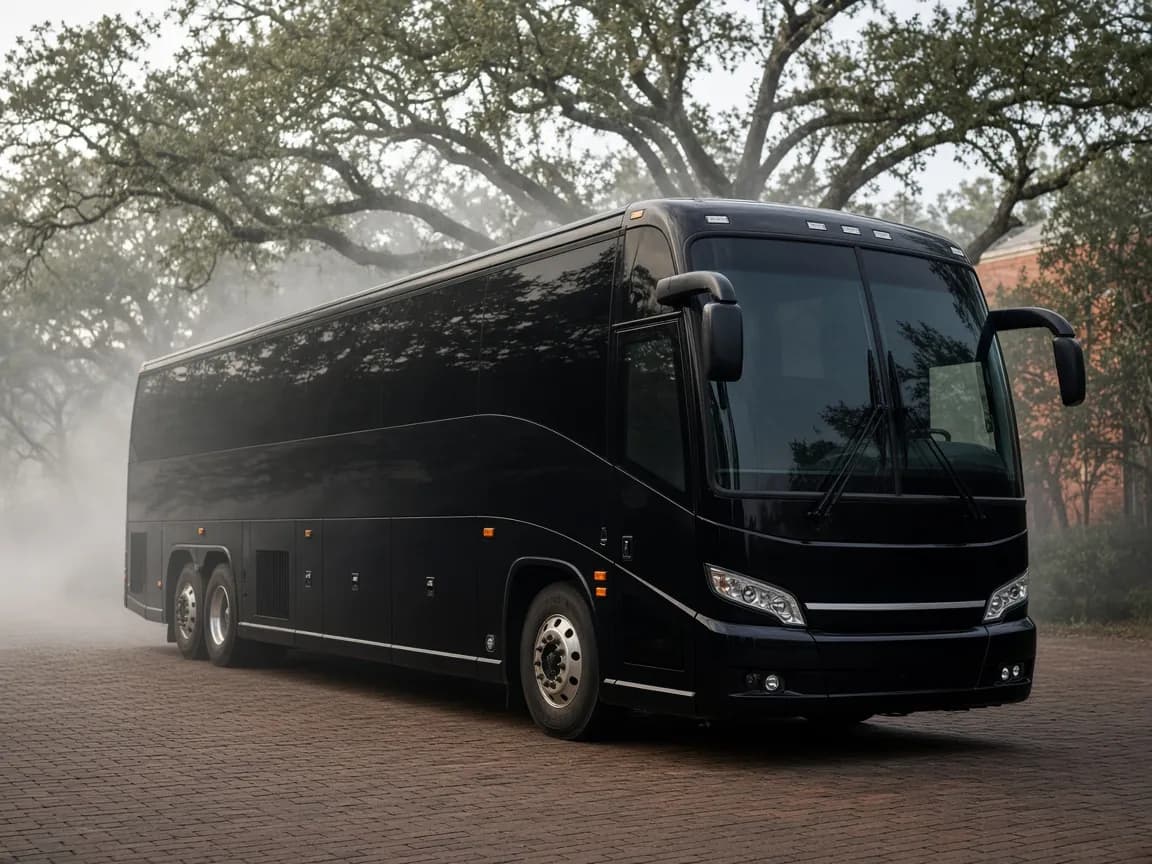
A Texas A&M game day at Kyle Field is typically an hour and a half to two hours from Houston, Austin two and a half to three, San Antonio three or more. Over that distance, reclining seats, overhead racks and the possibility of an onboard restroom stop being luxuries. The 56 passenger coach bus is the largest vehicle in the lineup, and a school band, a church congregation or a company offsite of fifty fits in one of them.
Do not reach for a coach just because the number is big. Across all markets in our records, about 33% of coach bus inquiries with a group size involved 31 to 40 people and about 24% involved 41 to 50, ranges a 36 to 46 seat shuttle bus covers perfectly well. No luggage and no highway means a shuttle bus is the simpler fit. Once you have narrowed it down, confirm the restroom and luggage space on the specific vehicle you are quoted.
Forty-five people going to a Galleria reception is a shuttle bus. Forty-five going to Kyle Field is a coach.
What is this class not built for?
Celebrating.
Forward-facing rows mean everyone looks at the back of a headrest and conversation happens in pairs. A birthday, a bachelorette or a bar night goes flat in a shuttle bus within about ten minutes, and that group belongs in the party bus lineup instead.
Tight pickups are the other limit. A full-size coach is typically 40 to 45 feet long and needs a wide approach with a legal place to stop at the end of it. Neighborhood streets, gated entries and small restaurant lots frequently cannot take one, so pick a single staging point such as a hotel entrance, a church lot or a park-and-ride. The route planner lets you draft pickup points and drive times before the quote request goes out.