What a reunion asks of one vehicle
A reunion is not a trip. It is a hotel full of relatives and a list of addresses that mean something.
Most of them flew in and have no car. The elders should not be finding their way back along Houston freeways at eleven at night after the banquet. The cousins who did rent cars do not know where anything is. And the thing everybody actually came for is time in the same room, which does not happen spread across nine vehicles on the Southwest Freeway.
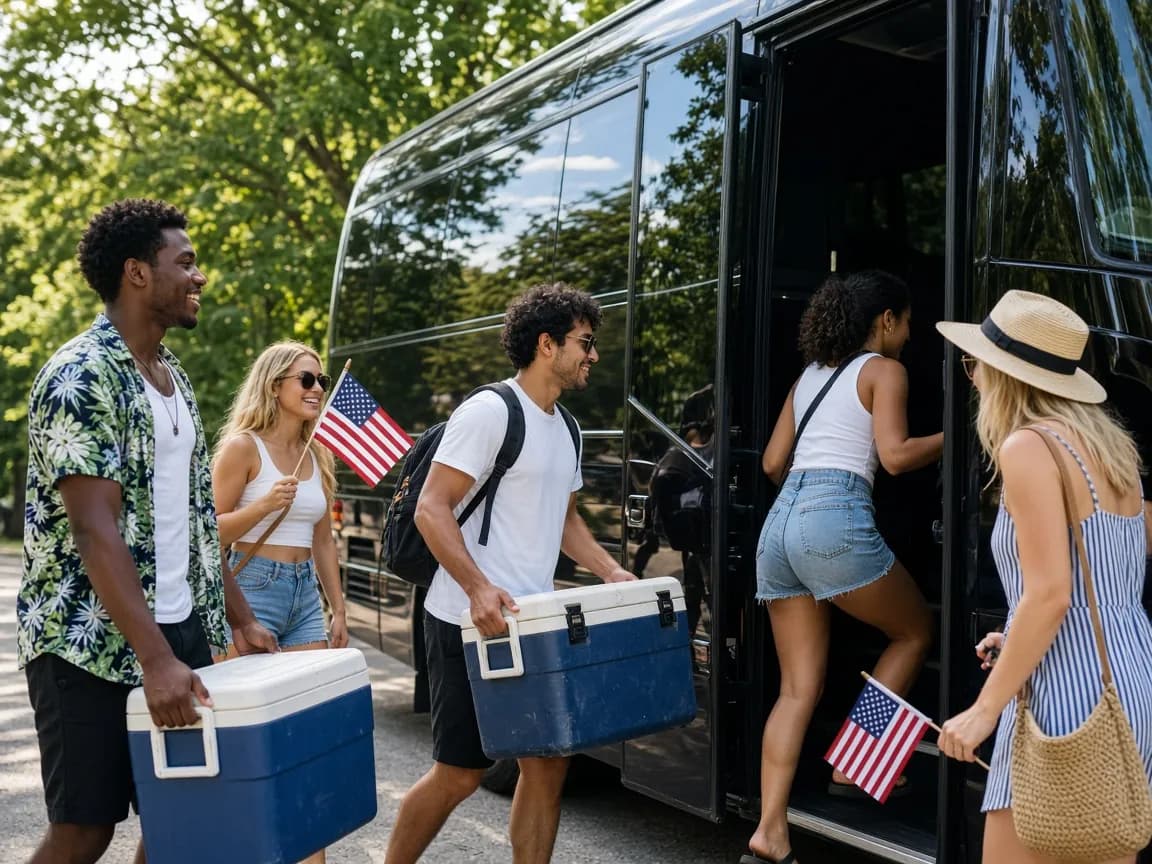
A shuttle turns the weekend into a schedule. The committee picks the events, sets a departure time for each, and every relative learns one sentence: the bus leaves the lobby at 9:30. It is kindest to the oldest generation, who get the front rows, a handrail, and a seat to rest in between stops while nobody circles a parking lot.
Three days of "where is everybody" becomes one line: the bus leaves at 9:30.
Counting cousins
The reunion number and the bus number are two different numbers, and only one of them matters here.
Ask for RSVPs that say who is riding and who is driving themselves, and size to the riders. Children count, because every child needs a seat. Groups this large are a small share of what we see: in our Houston inquiry records about 5% of requests with a valid group size were for 31 to 40 passengers, and across all the markets in our records it was about 4%. That thin band is precisely why the sizing has to be right the first time, since the gap between 36 riders and 44 is a different vehicle, not a folding chair in the aisle.
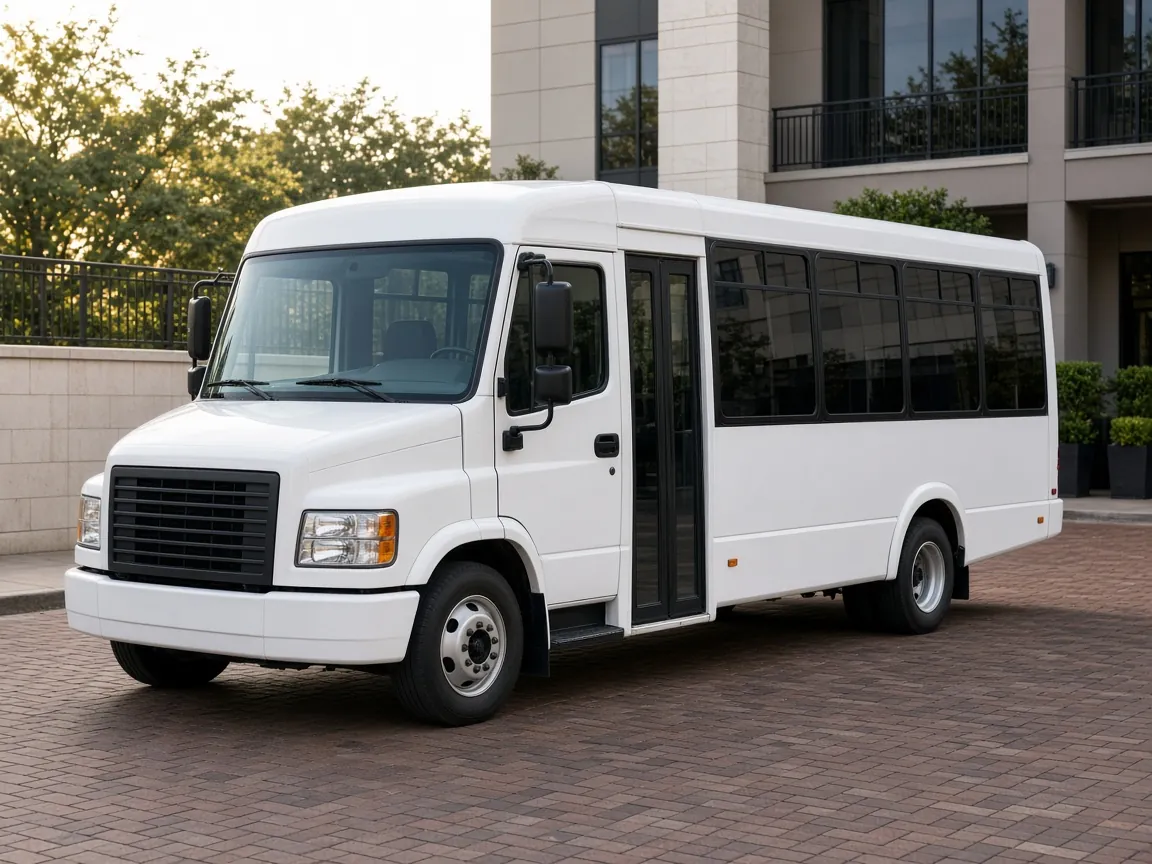
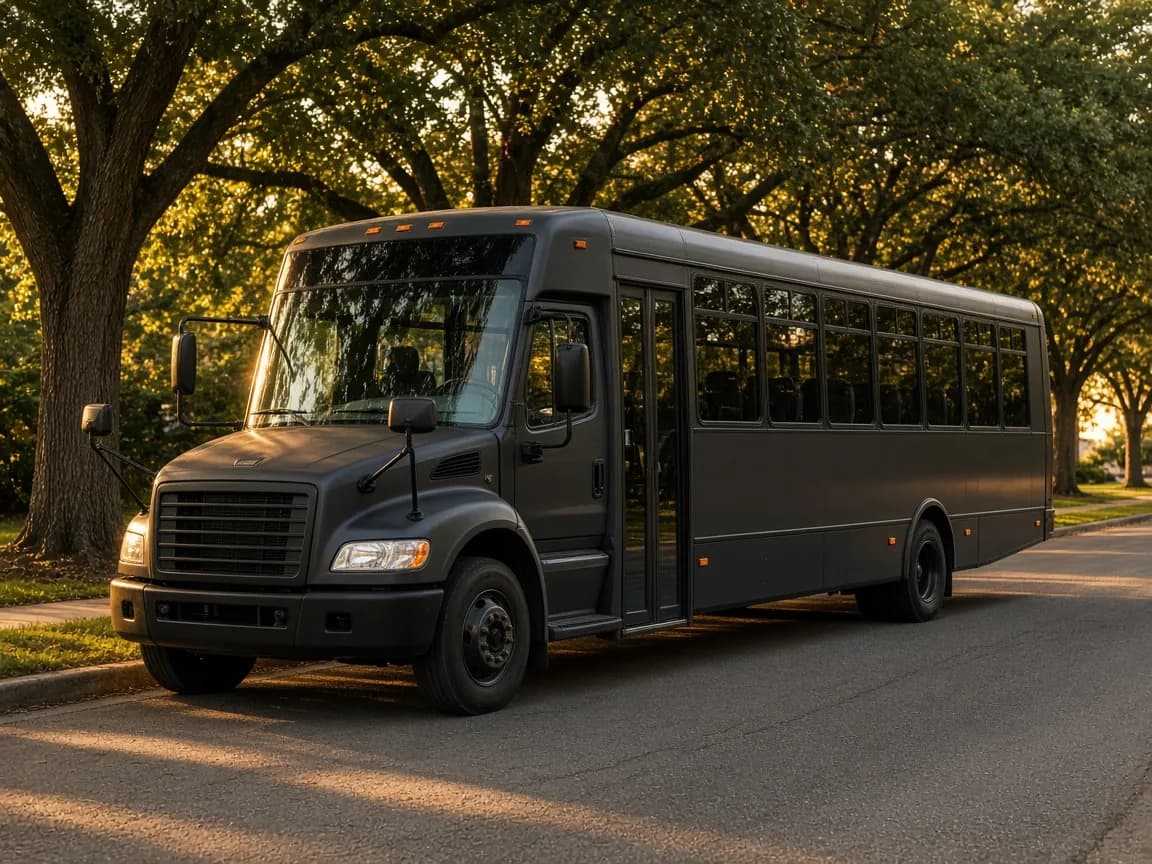
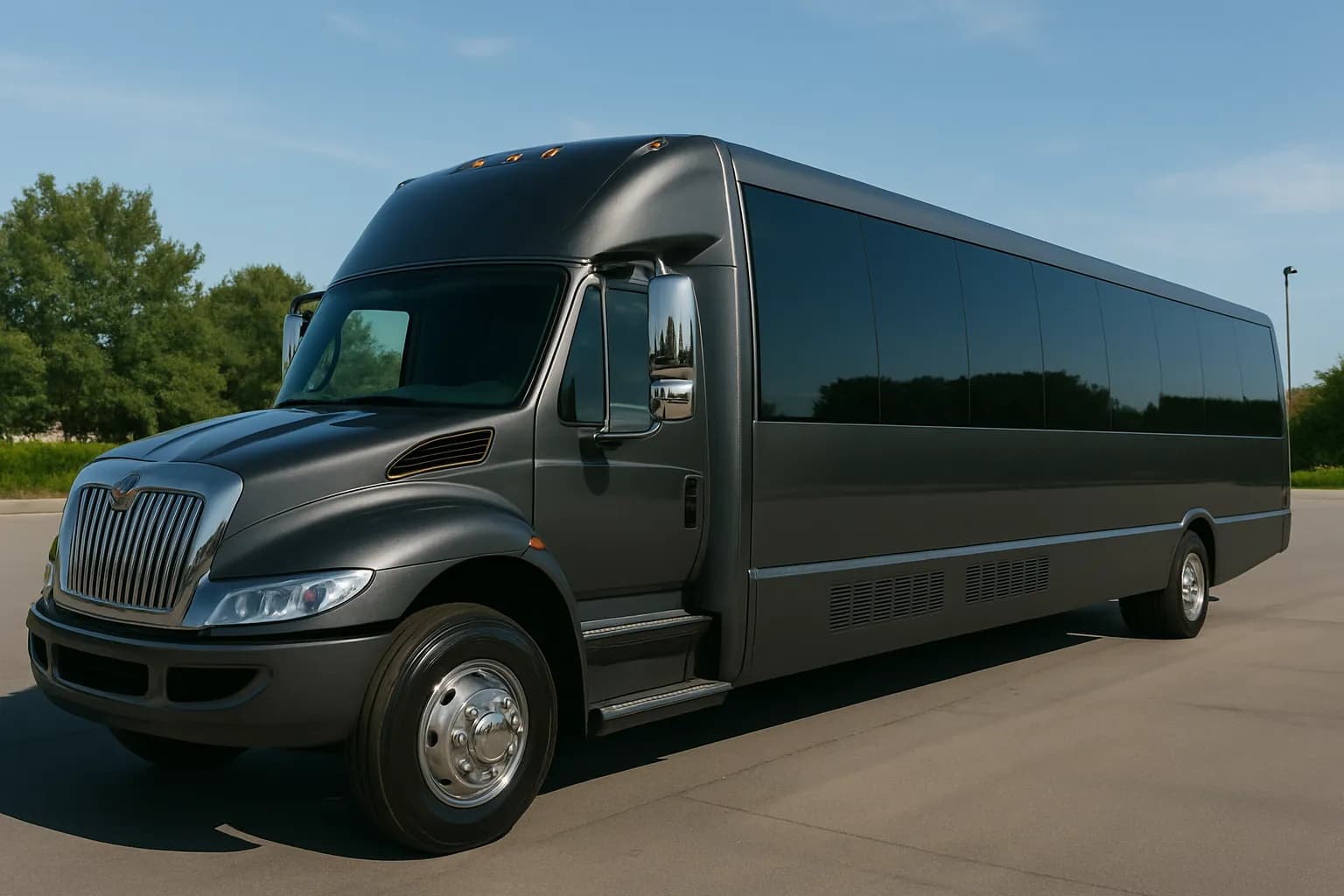
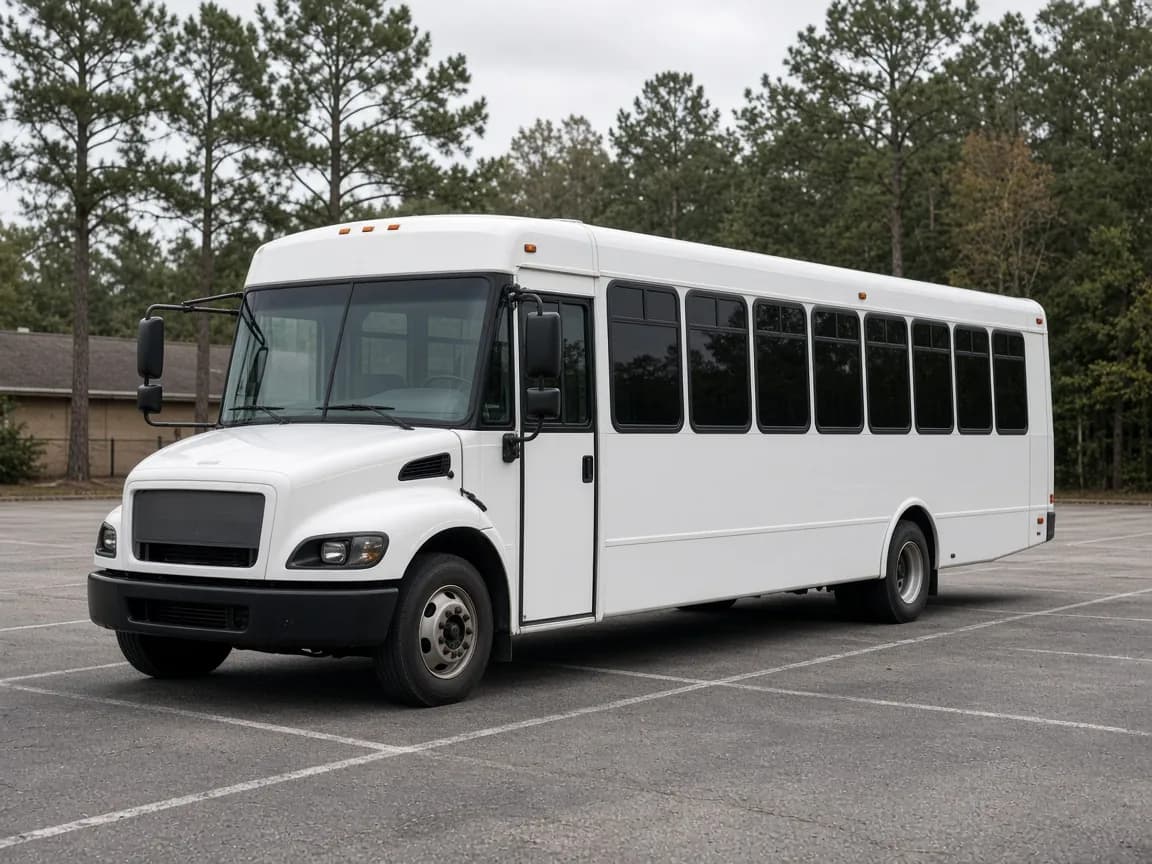
For 24 to 30 riders, the 30 passenger shuttle bus covers it. At 40 to 44, the 44 passenger shuttle bus keeps everyone together. A family of fifty or more belongs on a full-size 56 passenger coach bus. The guest count calculator turns an RSVP list into a vehicle size.
The drive through the old neighborhood
Most reunions include the tour: the church where the grandparents married, the old house, the school, the cemetery.
Those addresses tend to sit on narrow residential streets in neighborhoods like the Third Ward, Fifth Ward or Independence Heights, where a full-length shuttle bus cannot park and may not be able to turn around at all. The version that works is a slow drive past, with one or two real stops somewhere that has a lot of its own, usually the church or a park. Give the driver the exact addresses in the order you want them, because improvising a route like that from the aisle does not go well.
Put the family historian at the front with the microphone if the bus has a PA. Hearing the story while the house is going past the window is the part people talk about afterward, more than the banquet. From a hotel in Sugar Land, the Third Ward is typically 25 to 40 minutes up US-59/I-69.
Give the oldest person the microphone. The house going past the window does the rest.
Picnic, banquet, Sunday send-off
Outdoor events in Houston are a seasonal gamble, and June through September the house usually wins.
A midday picnic in that stretch needs shade, a reserved pavilion, and a bus parked close by with the air running for anyone who needs twenty minutes out of the heat. Parks such as Emancipation Park and Hermann Park are long-standing spots for family gatherings; each has its own rules on reserving space, which are worth reading before you promise a location to two hundred relatives. The Houston weather checker shows how hot and how wet your month usually runs, which helps you pick an hour.
The banquet lands in the evening, generally a hotel ballroom or a church hall. Sunday service is the send-off, and it is common to finish the block with a run to IAH or Hobby for whoever is flying home that afternoon. Our family reunions page has more on shaping the weekend.
Book by the day, not by the weekend
Nobody wants to pay for a bus sitting in a hotel lot while thirty relatives nap.
About 34% of Houston inquiries with a stated duration asked for five to six hours and about 11% asked for seven to eight. A Saturday of heritage tour and picnic lands in the first group. A Saturday that rolls straight into the banquet lands in the second. Requesting each day as its own block, with its own start and end, keeps the quote attached to the hours you actually use.
One small thing that pays for itself: matching shirts. They are not only for the group photo. They make the headcount at every stop take thirty seconds instead of five minutes. The event budget planner keeps transport alongside the venue, the food and the shirts, so the committee can see the whole shape of it at once.
Matching shirts are a headcount tool that happens to photograph well.
Sample reunion Saturday: 38 relatives, a Sugar Land hotel to the Third Ward
A daytime block of about six hours. The evening banquet is booked separately.
9:30 am
Boarding in the lobby of the family hotel in Sugar Land, with the elders taking the front rows.
10:10 am
Arrival at the family's home church in the Third Ward for a short visit and the group photo.
11:00 am
A slow pass by the old house and the grandparents' school, stories running over the PA.
11:45 am
Picnic at a reserved pavilion. The bus stays close for anyone who needs air conditioning.
2:45 pm
Back aboard for the hotel, so there is time to rest before the banquet.
3:30 pm
At the hotel. The daytime block ends here.