What the planner actually does
One figure in, six sliders to argue over.
The total is the only thing you type. Each of the six sliders runs from zero to 80 percent of it, opening at half on transportation, 15 points each on venue and food, 10 on drinks, and 5 apiece on decorations and miscellaneous. Drag any of them and the category shows its dollar figure while a bar chart at the bottom redraws. Push the sliders past the whole and a red warning tells you by how much. Leave money unassigned and a yellow note says how much is still loose.
It is a scratch pad on one screen. No per-person division, no tax or gratuity lines, no side-by-side comparison, and nothing saved after you close the tab. What it is genuinely good at is ending the fantasy stage of planning, because every point you hand the dinner has to come out of something else.
Where should the transportation slider sit?
On a quote. Not on the default.
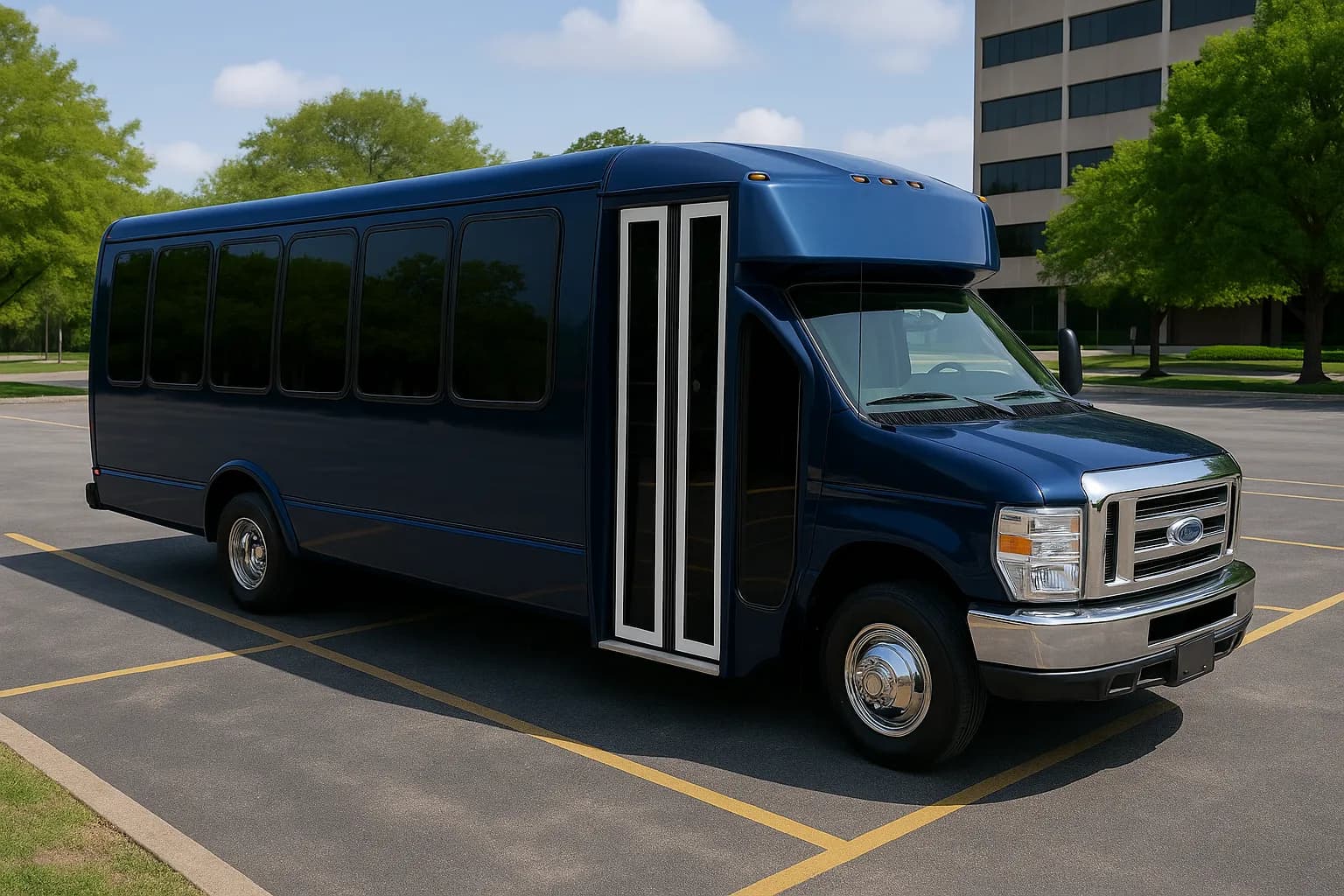
Until one arrives, our own history gives you a sense of scale. Of the Houston inquiries with a historical quote on file, about 47% landed between $1,000 and $1,499, about 30% between $300 and $999, and about 18% between $1,500 and $1,999. Narrow that to inquiries mentioning a party bus and about 44% sat in the $1,000 to $1,499 band. Those are past quotes spread across every vehicle size and every date on record, not a price list. What you are quoted turns on the date, the vehicle, the hours, and how far apart your stops are.
The default split, half of $2,000, happens to land at the bottom of that common band. Coincidence, not advice. A Tuesday airport run and a prom Saturday live in different worlds, and the trip cost estimator and the Houston party bus cost guide both explain what pushes a quote around before you commit a slider to it.
A budget built on a guessed quote is a guess with a chart on it.
A worked example: 17 people, $3,400
Say the group settles on a hypothetical $3,400 for a Saturday birthday, and the hypothetical quote for a 24 passenger party bus comes back at $1,350. Transportation at 40 shows $1,360, near enough with a little slack. Venue at 15 covers a $510 private room fee, food at 25 is $850, drinks at 10 is $340, and decorations and miscellaneous take 5 each at $170. The sliders total exactly 100 and the warning disappears.
Then somebody asks the real question, which is what they owe. $3,400 across 17 people is $200 a head for the whole night. The planner will not tell you that, so run the total through the group split calculator, which also shows what happens when two people quietly vanish the week before. Headcount is the lever planners forget: about 49% of Houston inquiries with a group size on file were for 11 to 20 passengers, and at that size one dropout is felt. Here it adds $12.50 to each of the 16 shares left standing.
Reading the six categories loosely
The labels are fixed. Your reading of them does not have to be.
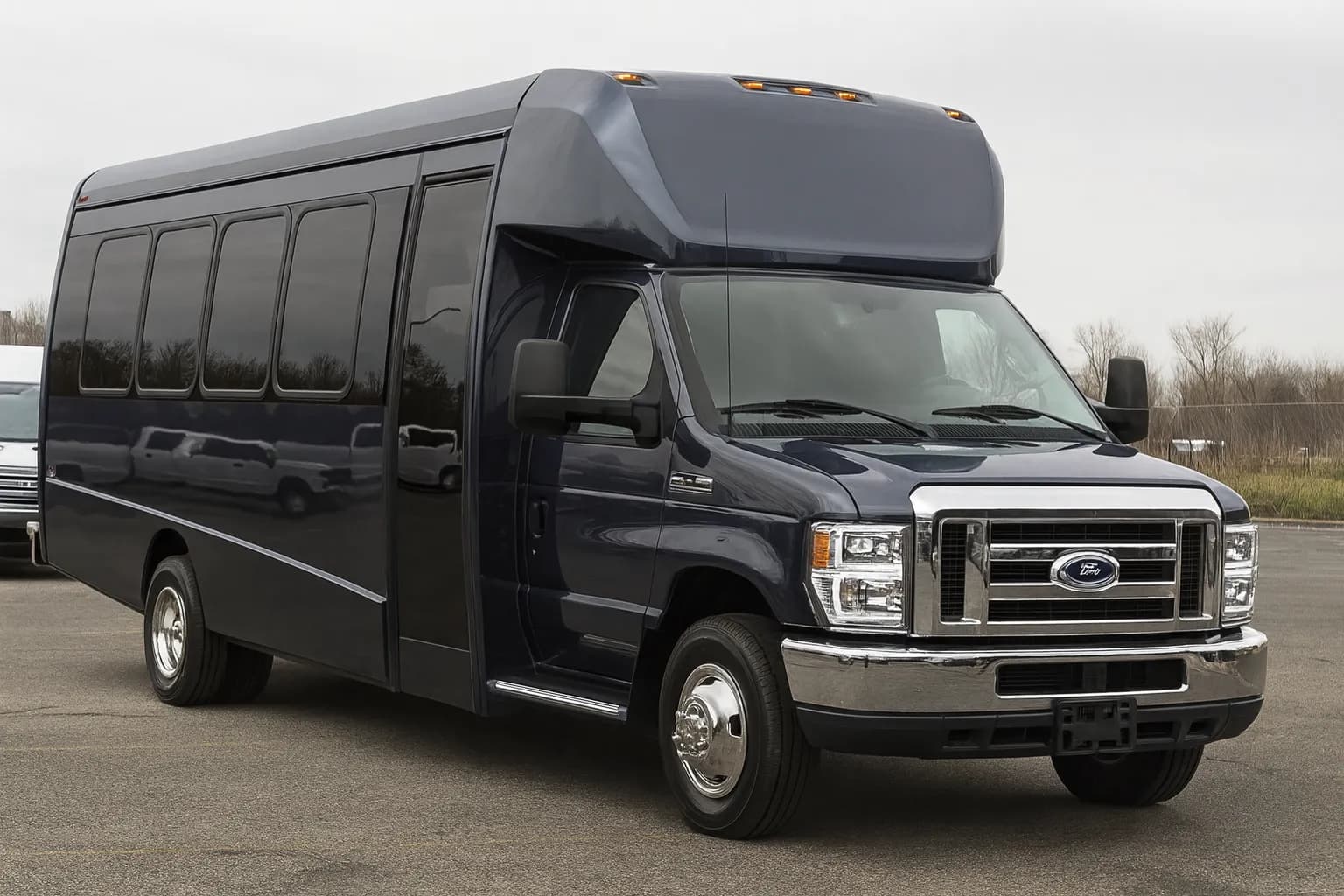
For a corporate event, venue and food dominate, drinks may sit at zero, and transportation might be a 32 passenger shuttle bus moving people between an office and a dinner. Weddings work better upside down: enter only the transportation budget as the total, then use the categories as stand-ins for the bridal party vehicle, the guest shuttle, and the couple's exit car. The wedding timeline tells you how many hours each of those pieces really needs.
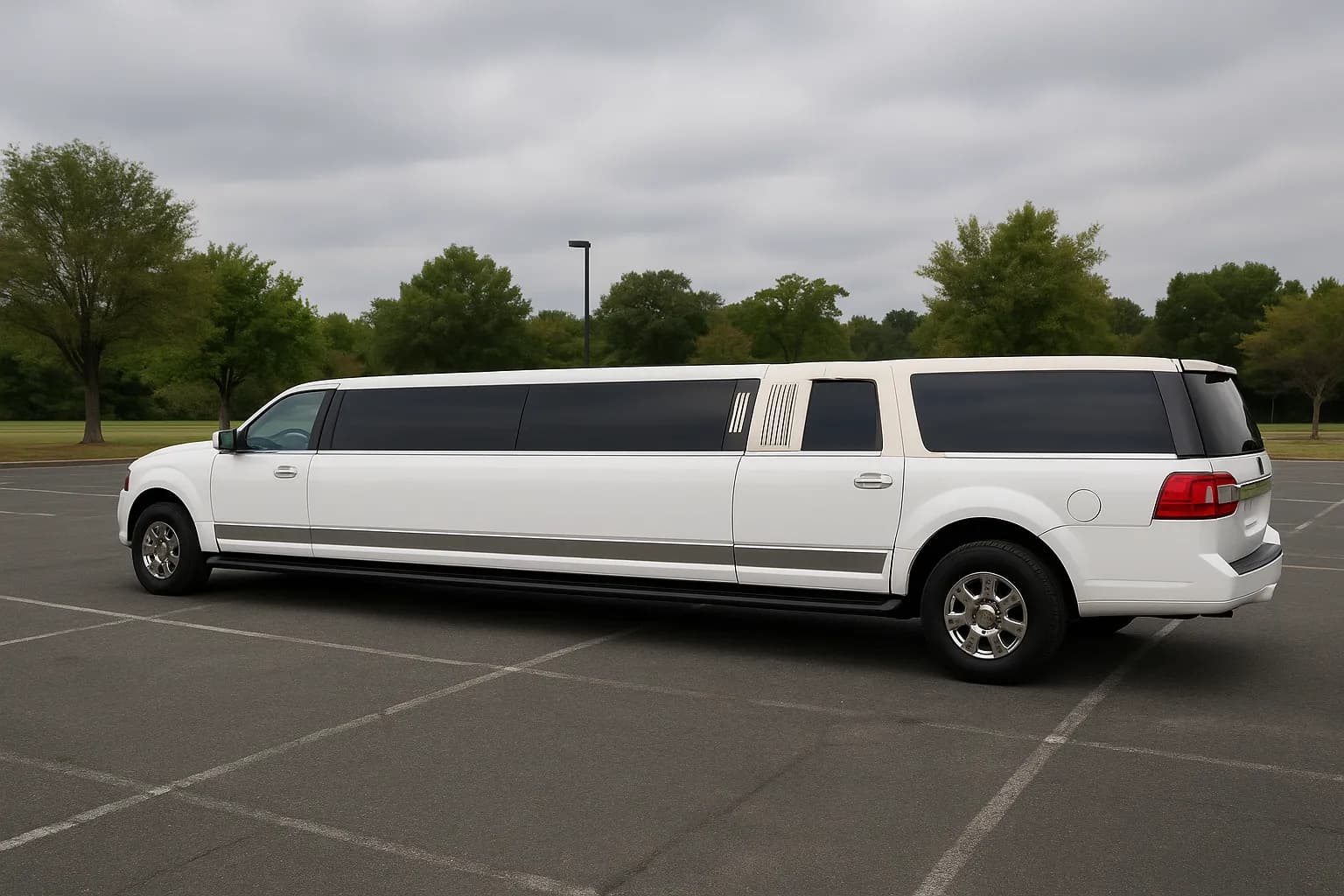
Small groups change the math again, with a 14 passenger Navigator limo or a sprinter doing the work of a bus. Whatever the event, leave miscellaneous above zero. That slider is where venue parking, a club cover charge, a driver tip if the quote does not already carry one, and the replacement cake all end up.
Miscellaneous is not a rounding error. It is the part of the night nobody predicted.
How budgets break
Almost every blown budget traces back to one of these, and each takes about a minute to head off.
- Fixing the transportation slider before a quote exists, then finding the real figure higher.
- Ignoring the yellow unallocated note. Money with no job attached gets spent twice.
- Budgeting for the hours you hope to use rather than the ones the night will take. Ask what extra time costs and park that amount in miscellaneous.
- Never settling who pays for what, especially whether the guest of honour pays a share.
- Buying decorations before checking the rules. The decoration planner covers what tends to be restricted.