How the day gets built
Three inputs, and everything else falls out of them. The first drive, from the house or the hotel to the ceremony, can be set anywhere from 15 to 75 minutes. The reception setting becomes a second drive: 15 minutes for same city, 45 for a different one, 60 for Galveston or the beach. The ceremony time is the anchor, and every other row is a fixed distance from it.
- Pickup at the bride's home or hotel: 30 minutes for photos and boarding before the vehicle moves.
- Departure for the ceremony: the first drive plus 15 minutes before the start.
- Arrival at the ceremony: 15 minutes before it starts.
- Ceremony ends and photos begin: one hour after the start.
- Bridal party leaves for the reception: 90 minutes after the start.
- Arrival at the reception after the second drive, then dinner 30 minutes later, first dances and cake 90 minutes after that.
- Reception ends four hours after arrival, and the newlyweds leave 15 minutes later.
What each row assumes
The two drives are kept apart on purpose, because they often have nothing to do with each other.
If the bride is dressing at a hotel near the Galleria for a ceremony in Pearland, set the first drive to that leg at that hour, and let the reception setting worry about the reception. The 30 minutes at pickup is a genuine cushion rather than padding: boarding, bouquets, a mother who needs one more photograph. The 15-minute arrival buffer sits on top of that and is separate.
The fixed blocks deserve a harder look than most couples give them. A one-hour ceremony slot suits a full service, while plenty of civil ceremonies are done in twenty minutes, which quietly hands you a longer photo window. Thirty minutes of photographs before leaving for the reception is not enough for a large family, and anyone who has waited on a second cousin knows it. Four hours is a common reception, but your venue contract is the only document that decides yours. Change what needs changing on paper, then carry the corrected times into the event timeline builder, where you set your own durations and print the result.
The tool gives you a shape. Your venue contract gives you the truth.
Three days, three shapes
Default settings: 2:00 pm, a 30-minute first drive, same city. Pickup 12:45 pm, leave 1:15, arrival 1:45, ceremony 2:00, photos from 3:00, departure 3:30, reception arrival 3:45, dinner 4:15, first dances 5:45, reception ends 7:45, couple leaves 8:00. Seven and a quarter hours from the first pickup to the last goodbye.
5:30 pm ceremony, different city. A bride getting ready half an hour from a church in the Heights, with the reception out toward The Woodlands. Pickup 4:15, ceremony 5:30, departure 7:00, arrival 7:45, dinner 8:15, reception ends 11:45, couple leaves at midnight. Hold that 45 minute assumption up against a Saturday evening on I-45; outside rush hour it is fair.
4:30 pm ceremony in Pearland, reception in [Galveston](/locations/galveston), 30-minute first drive. Pickup 3:15, ceremony 4:30, departure 6:00, arrival on the island 7:00, reception ends 11:00, couple leaves 11:15. Eight hours, and a late ride back over the causeway for everyone who is not staying the night.
Why the whole day is longer than most bookings
Across all the markets in our inquiry records, about 75% of wedding inquiries with a requested duration asked for three to four hours, about 13% for five to six, and about 6% for seven to eight. The full span the tool draws runs well past all of that, which tells you something plain: most couples are not holding one vehicle from noon to midnight.
The timeline shows you where it naturally breaks. With a 30-minute first drive, the run from pickup to arrival at the reception is three hours in the same city, three and a half to a different one, and three and three-quarters down to Galveston. That is the shape most people asked for. The exit is a separate, short job at the other end of the night. Worth asking whether the company can cover the arrival and the exit as two pieces with the vehicle released in between, and what that costs against one continuous block.
Sizing the vehicle to it
The tool times exactly one vehicle: the one carrying the bridal party.
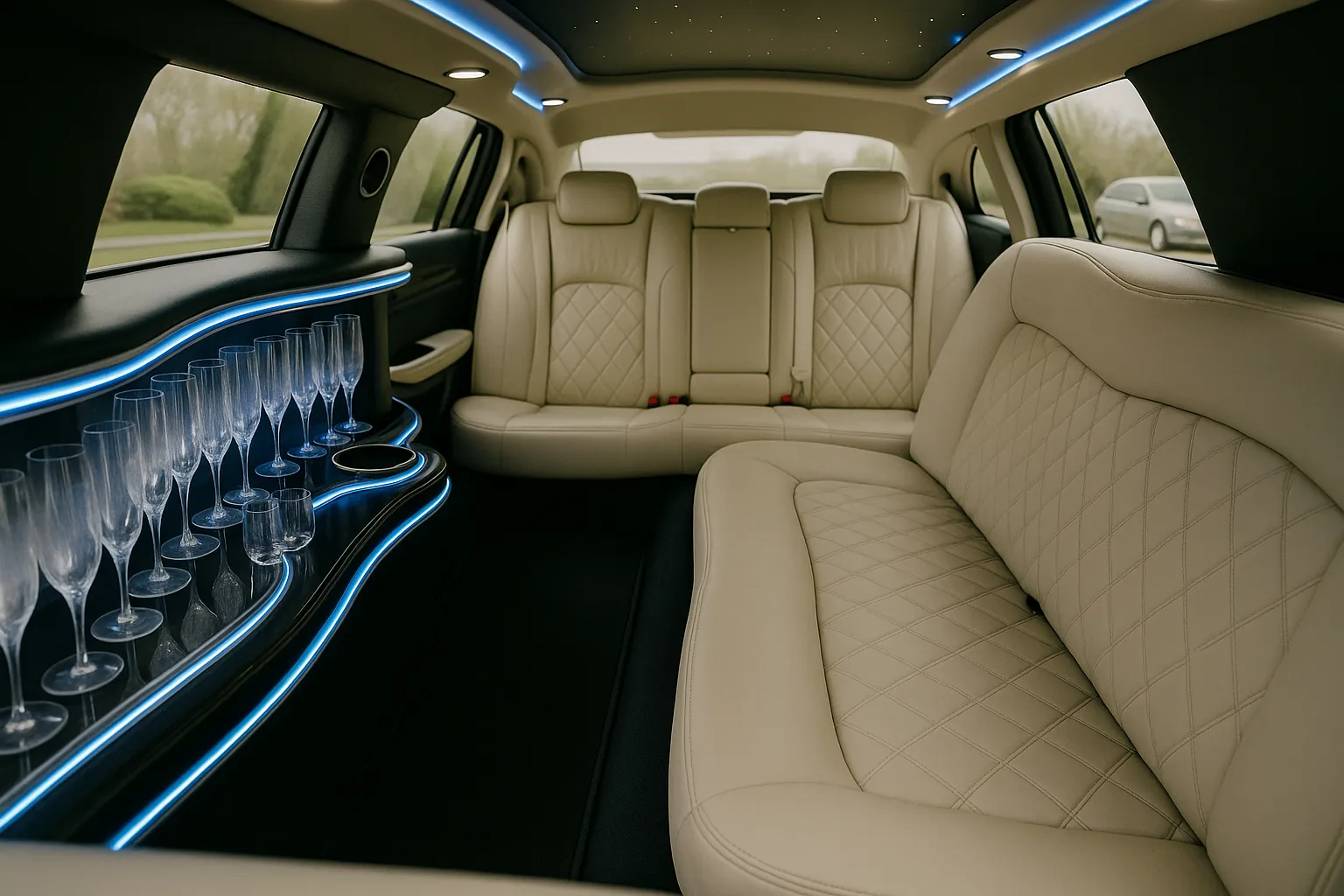
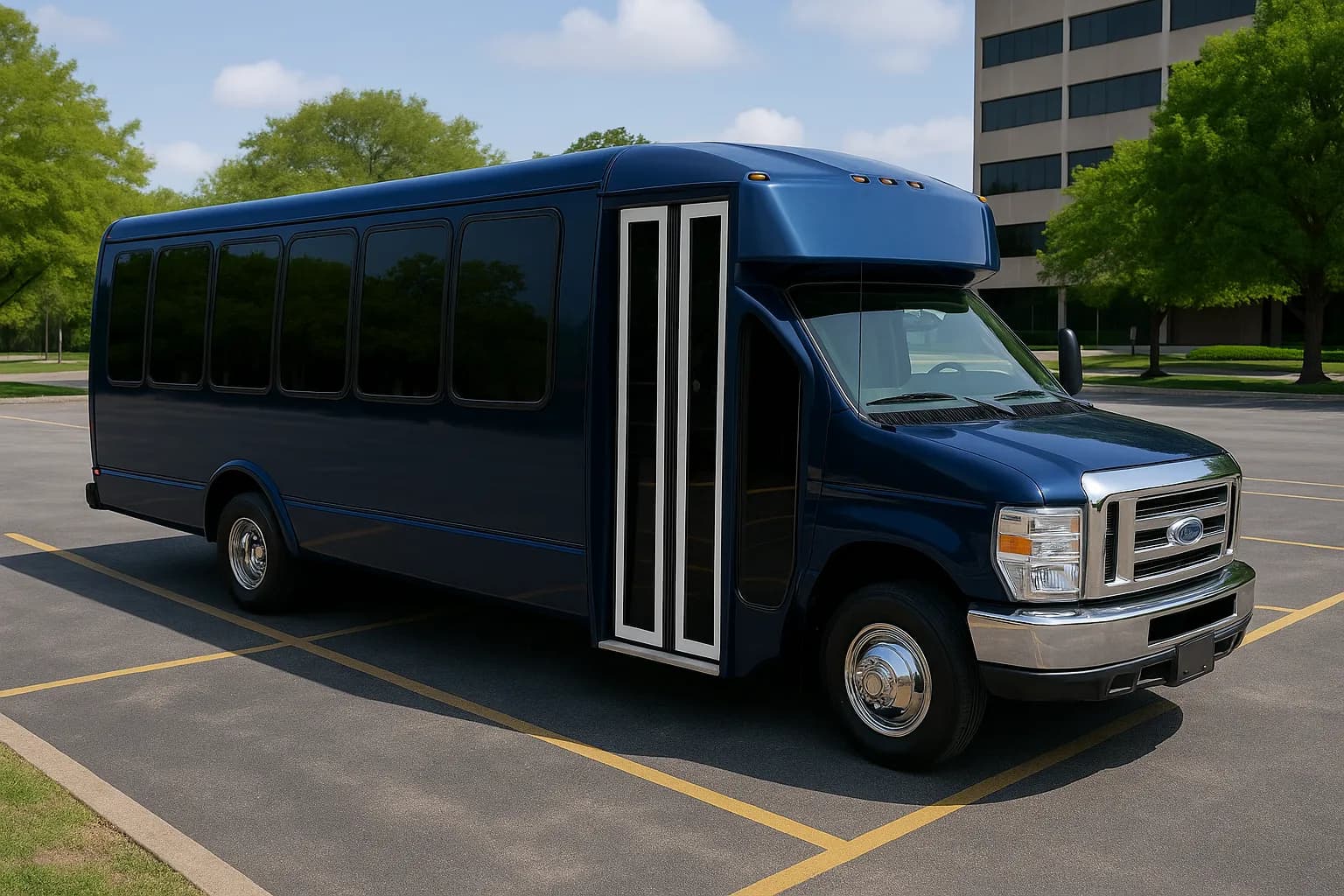
In the all-market wedding records, about 42% of inquiries with a group size were for 11 to 20 people and about 26% were for 21 to 30. Add parents to a bridal party and you are usually in 24 passenger party bus territory. The exit runs on its own clock and often in a different car, something like the 10 passenger white Lincoln stretch limo, timed to the last row of the schedule and nothing else.
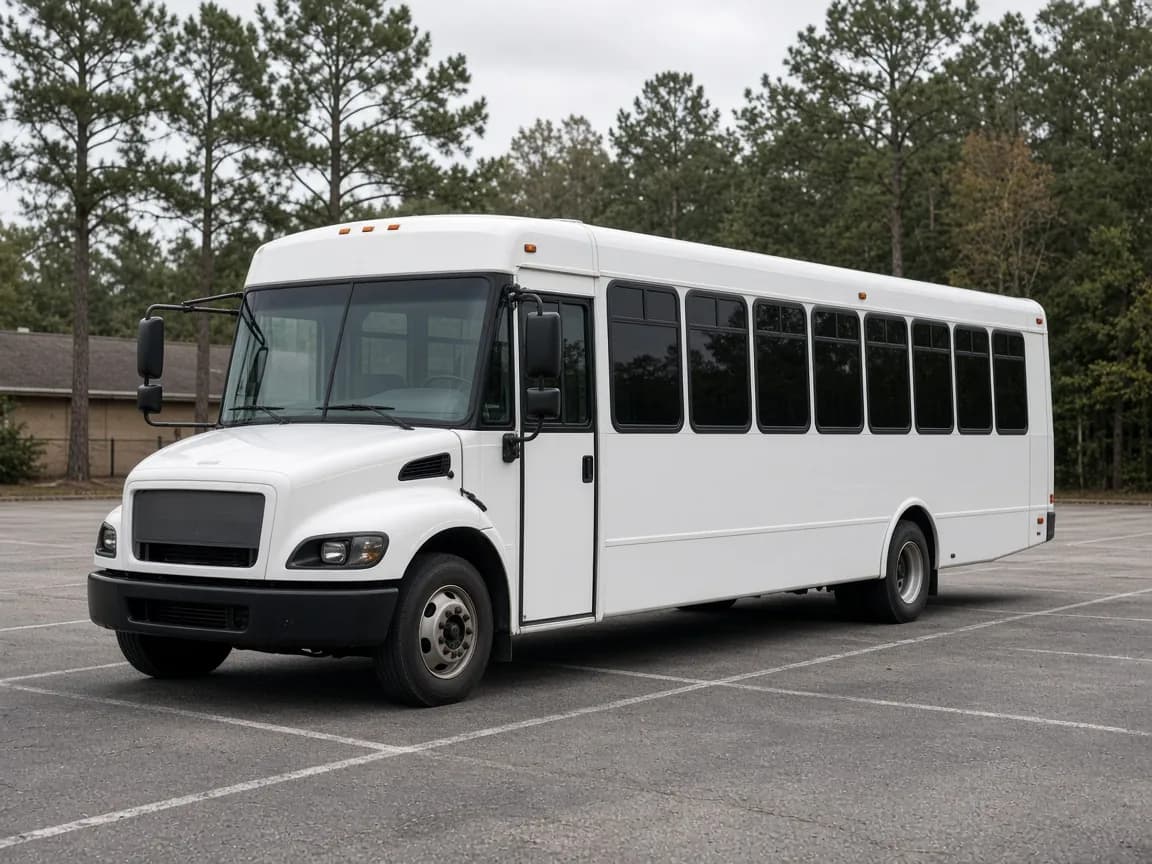
Guests run on their own clock entirely. A 40 passenger shuttle bus working from a hotel block needs its own loop times worked out, and the guest count calculator will tell you whether one trip or two is realistic before you promise anyone anything. For the larger decisions about style and planning order, the wedding guide and the wedding party bus page go further.
The bridal party and the guests are two schedules. Treat them as one and somebody waits.