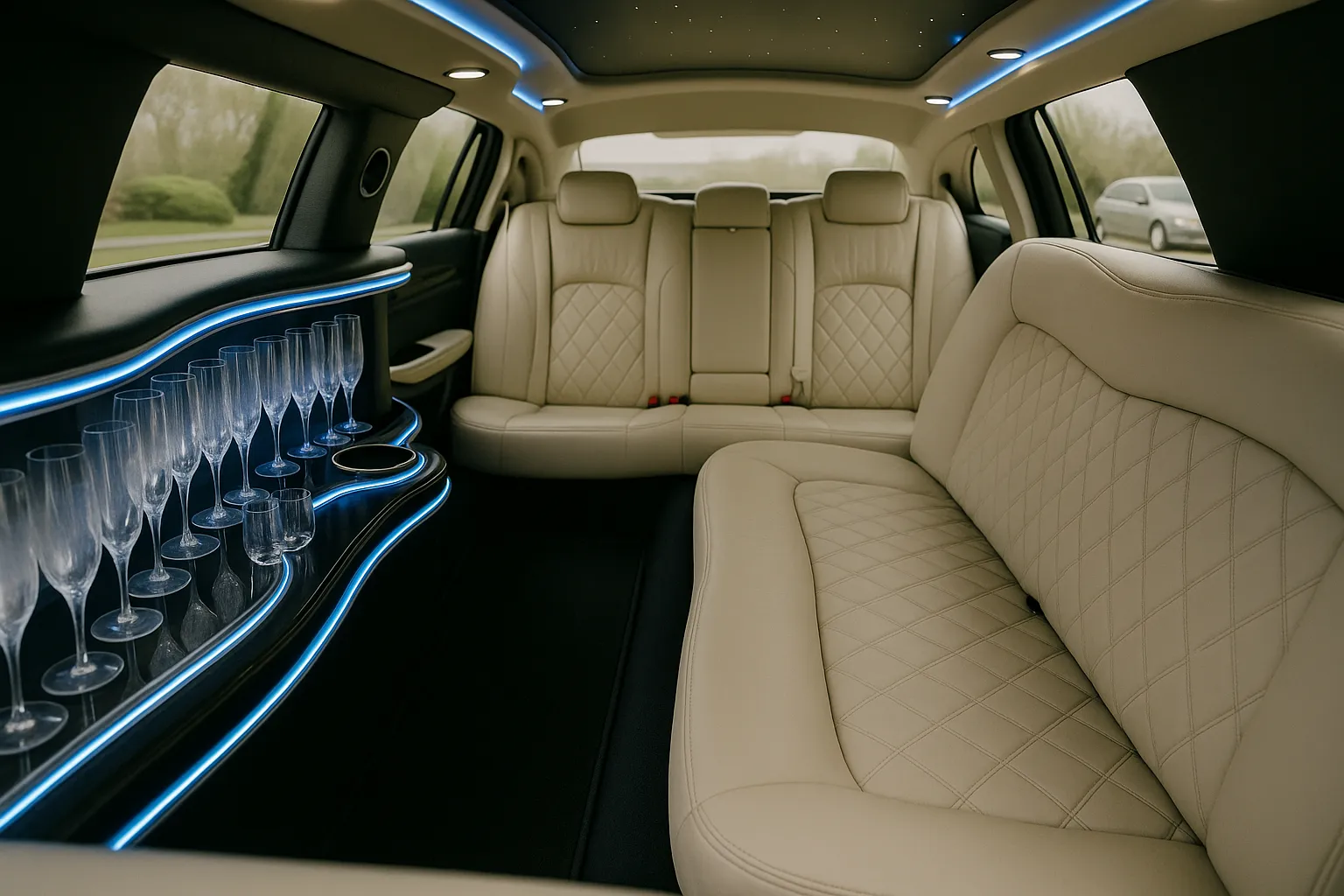
Why weddings still default to a white Lincoln
Photographers want three things from a getaway car, and this one has all of them.
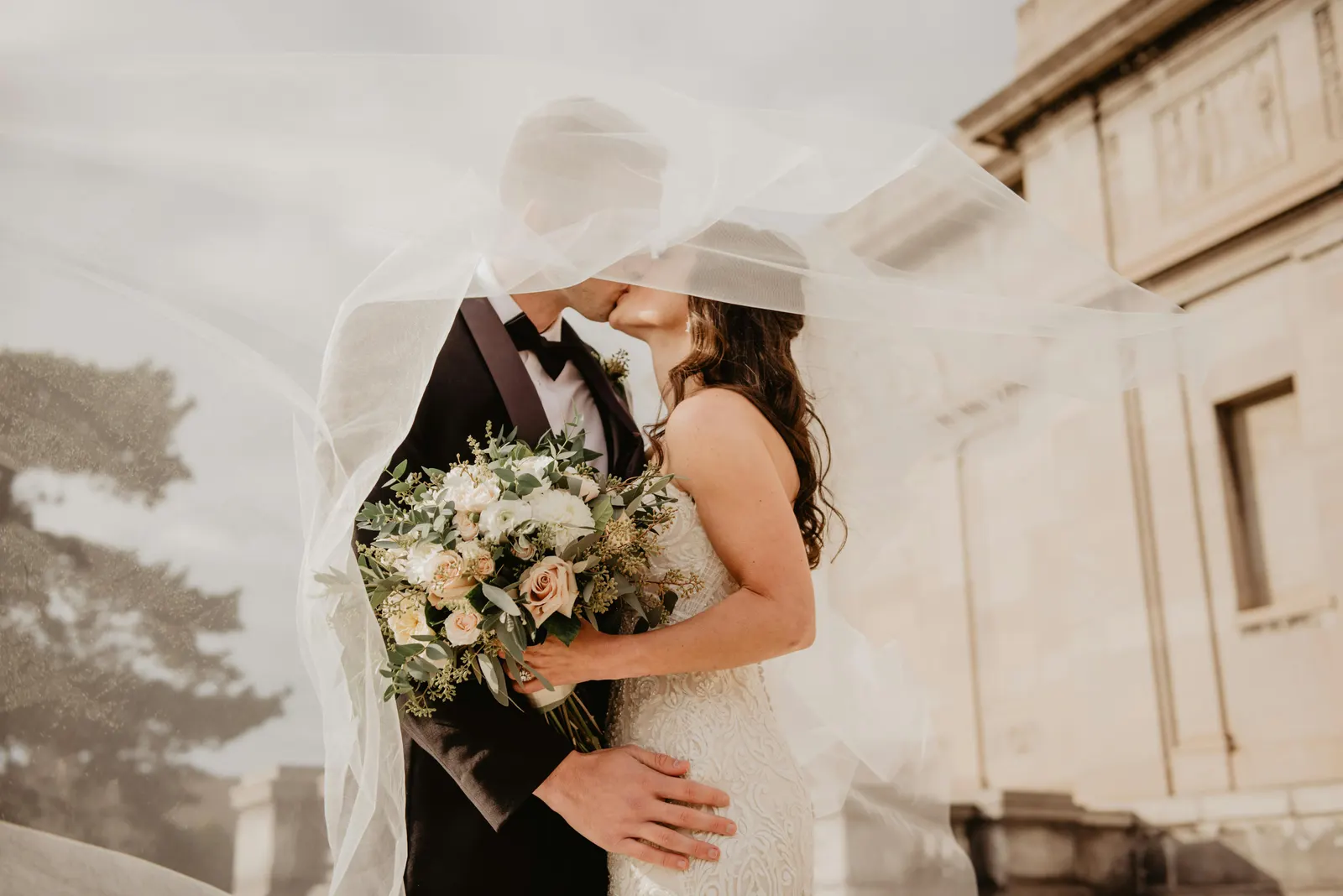
A light color, a long horizontal line, and a wide rear door. Pale paint lifts a white gown rather than fighting it, dark tuxedos read sharply against the body, and the length of the car fills the bottom third of a wide shot in front of a church or a hotel entrance. None of that is an accident; the shape has been photographed at weddings for forty years.
Then there is expectation. Grandparents recognize it on sight. The venue coordinator already knows where it parks. On a day with two hundred moving parts, a vehicle nobody has to explain is worth more than it sounds.
Who rides in it, and who does not
The couple. That is the whole list, most of the time.
Across all the markets in our records, about 22% of wedding inquiries that named a vehicle mentioned a limousine, while only about 15% of wedding inquiries with a headcount were for ten people or fewer. Held together, those two figures say something useful: plenty of couples want a limo, and almost no wedding is small enough for the limo to be the transportation plan.
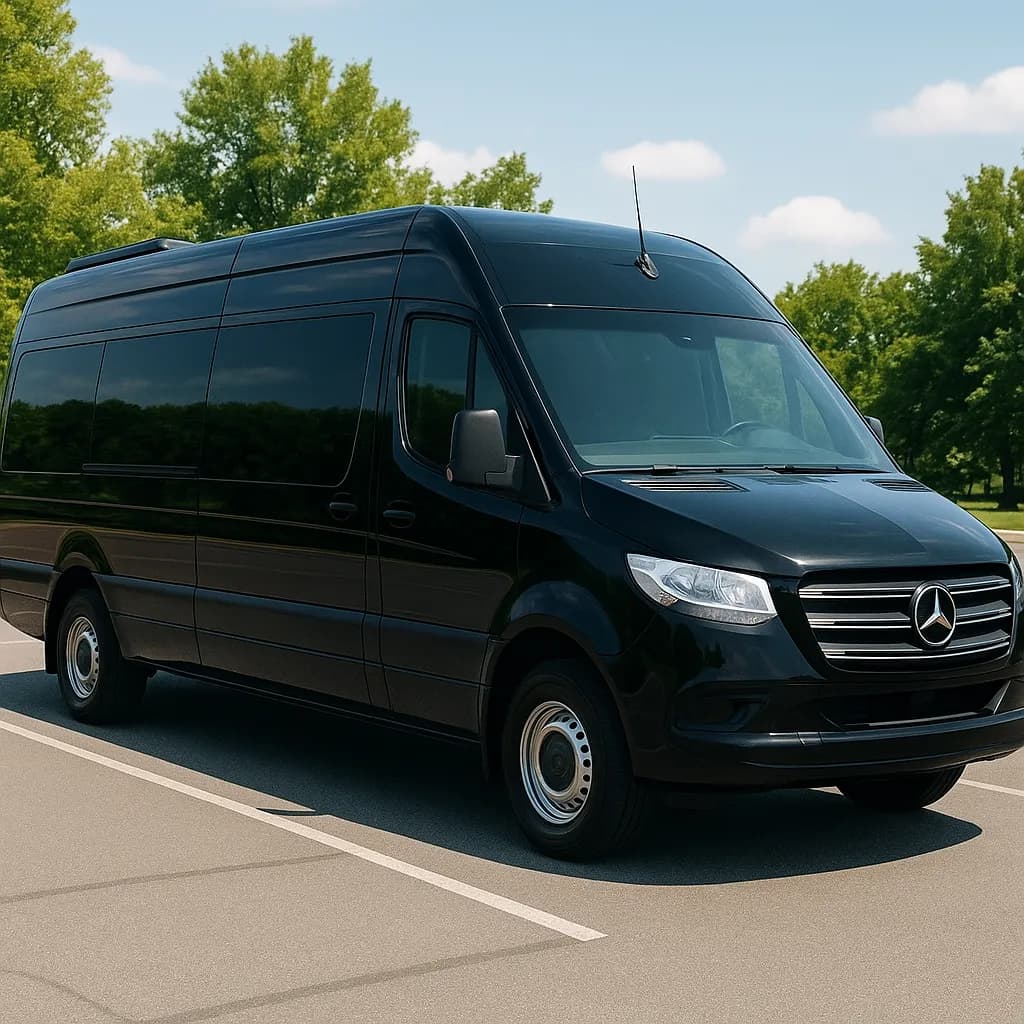
A common Houston arrangement gives this car to the newlyweds after the ceremony, and to the bride with her parents and attendants before it. The groomsmen take a sprinter. Guests in a hotel block near the Galleria or downtown ride a 40 passenger shuttle bus running loops. Our wedding transportation page shows this limo alongside the bigger vehicles for that reason, and the wedding guide walks the day through end to end.
The limo is for two people. Everyone else needs a second plan.
Does a wedding dress fit in a sedan stretch?
With planning, yes. Without it, badly.
A fitted or A-line gown gives nobody any trouble. A ball gown with layers of tulle, or a cathedral train, takes the rear bench on its own, and the bride enters last, sits first, and has someone gather the train in behind her. Because the car is low, she ducks through the door frame on the way in, which is why veils and tall hairpieces are better fitted after arrival where the schedule allows it.
With a large gown aboard, count the limo as a five or six passenger car rather than a ten. Without one, the ordinary sedan-stretch rule holds: ten seats listed, six to eight adults comfortable in formal clothes. A bride worried about the low entry often prefers a stretched SUV such as the 14 Passenger Navigator Limo, which sits higher and opens taller.
How long to book it for
Three to four hours buys the front half of the day, not the end of the night.
About 75% of wedding inquiries with a stated duration, across all markets, asked for three to four hours. That window covers a pickup where the bride is getting ready, the ceremony, a photo stop, and delivery to the reception. It does not cover the send-off. Couples who want the car waiting at 11 pm either book one long continuous block or arrange a second short booking for the exit, and it is worth asking for both to be quoted before choosing.
The wedding timeline tool lays the day out backward from the ceremony hour. In Houston, the leg people underestimate is the hop between ceremony and reception when the two sit in different parts of town. A church in the Museum District to a venue in the Heights is about twenty minutes on a Saturday. That same church to a ranch venue near Montgomery or Brookshire is an hour or more, and the photographer will want a piece of that hour for portraits.
Historical wedding quotes, read carefully
The records describe wedding transportation, not this particular car.
About 37% of wedding inquiries nationally that had a historical quote on file fell between $1,500 and $1,999, and about 33% fell between $1,000 and $1,499. Those include every kind of wedding vehicle, party buses and shuttles among them, so read them as the shape of the category. They are past quotes rather than prices, and your own number will depend on the date, the hours, the vehicle, and the distance between venues.
Peak-season Saturdays in spring and fall are the most contested dates on anyone's calendar. If a white Lincoln specifically is part of the picture in your head, ask about it as soon as the venue contract is signed. The budget planner helps set transportation beside everything else the day is costing you.
Spring Saturdays do not wait around for a group to decide.
White Lincoln or one of the other three?
Silhouette first, then paint, then time of day.
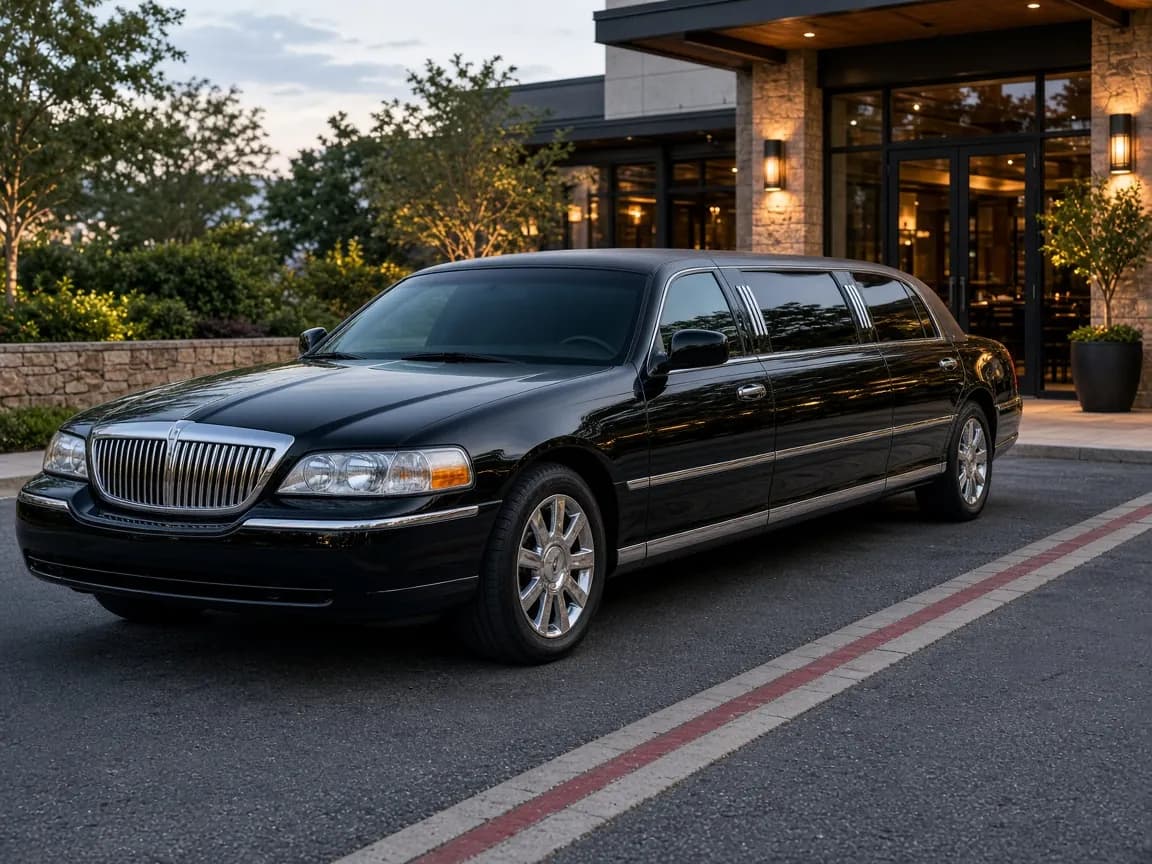
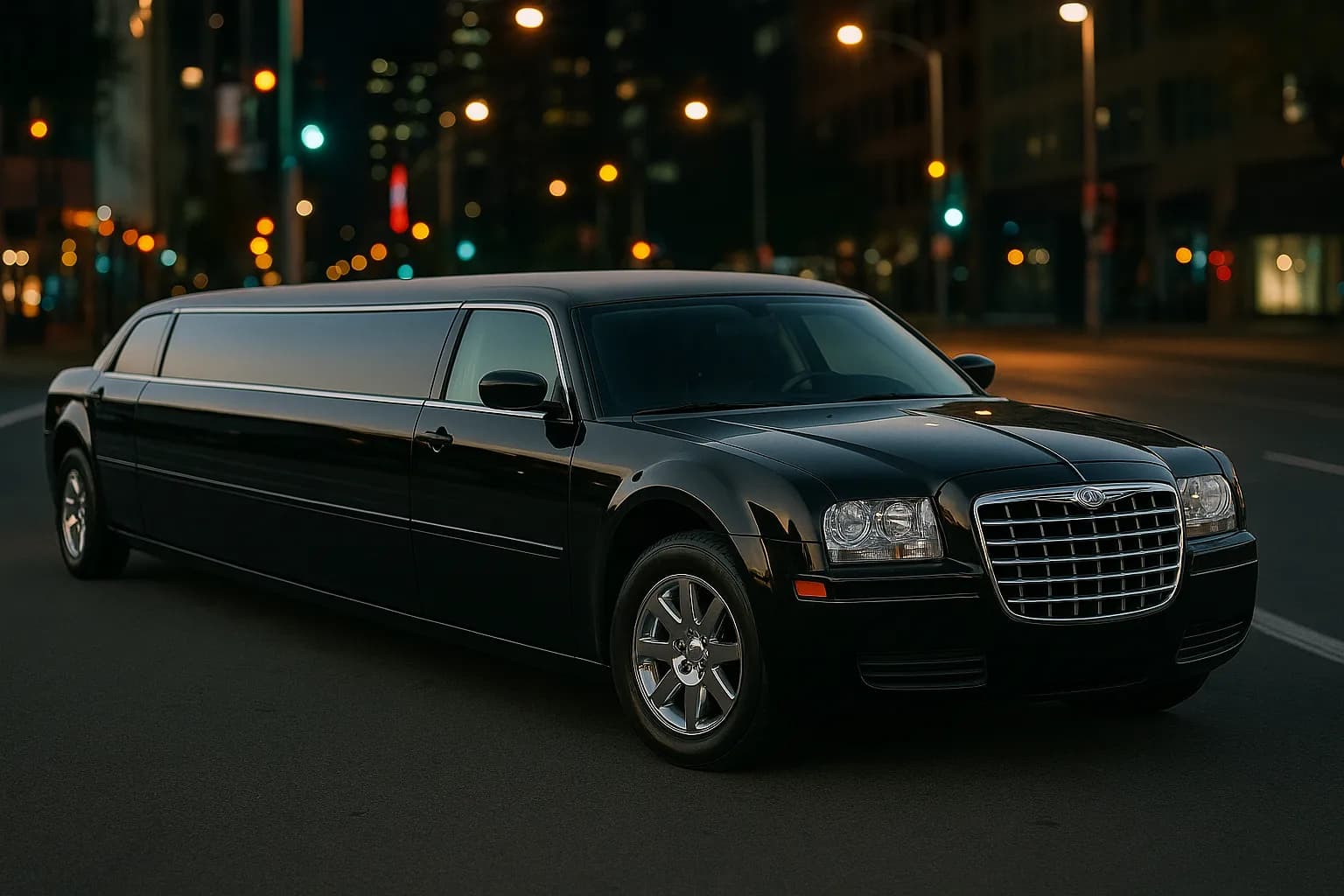
Couples after a more modern look go to the 10 Passenger White Chrysler 300 Limo, which has a squarer nose and more presence and doubles as a quinceañera favorite. For an evening ceremony where the car is mostly seen after dark, the 10 Passenger Black Lincoln Stretch Limo gives the same formal outline and looks cleaner in the rain. The 10 Passenger Black Chrysler 300 Limo tends to be the groomsmen's car, or the one that runs the after-party.
White paint does show weather, so if rain is in the forecast, move the posed car photos under a covered entrance and take them early rather than hoping the sky settles.
Sample wedding day: Museum District ceremony, Hermann Park photos, downtown reception
Four hours on a Saturday: the bride's side before the ceremony, the couple after it.
2:00 pm
Pickup at a hotel near the Galleria where the bride, her parents, and two attendants have been getting ready since morning.
2:30 pm
At the church in the Museum District after a typical 20 to 25 minutes along US-59. The bride stays in the car, partition up, until the guests are seated.
3:00 pm
Ceremony. The limo repositions to the front steps for the exit.
4:00 pm
Out through the bubbles and five minutes to the Mecom Fountain and Hermann Park for portraits.
5:00 pm
Downtown to the reception hotel, around 15 minutes up Main Street or Fannin.
5:30 pm
At the hotel entrance in time for the introduction, and the limo is released.