Short answer
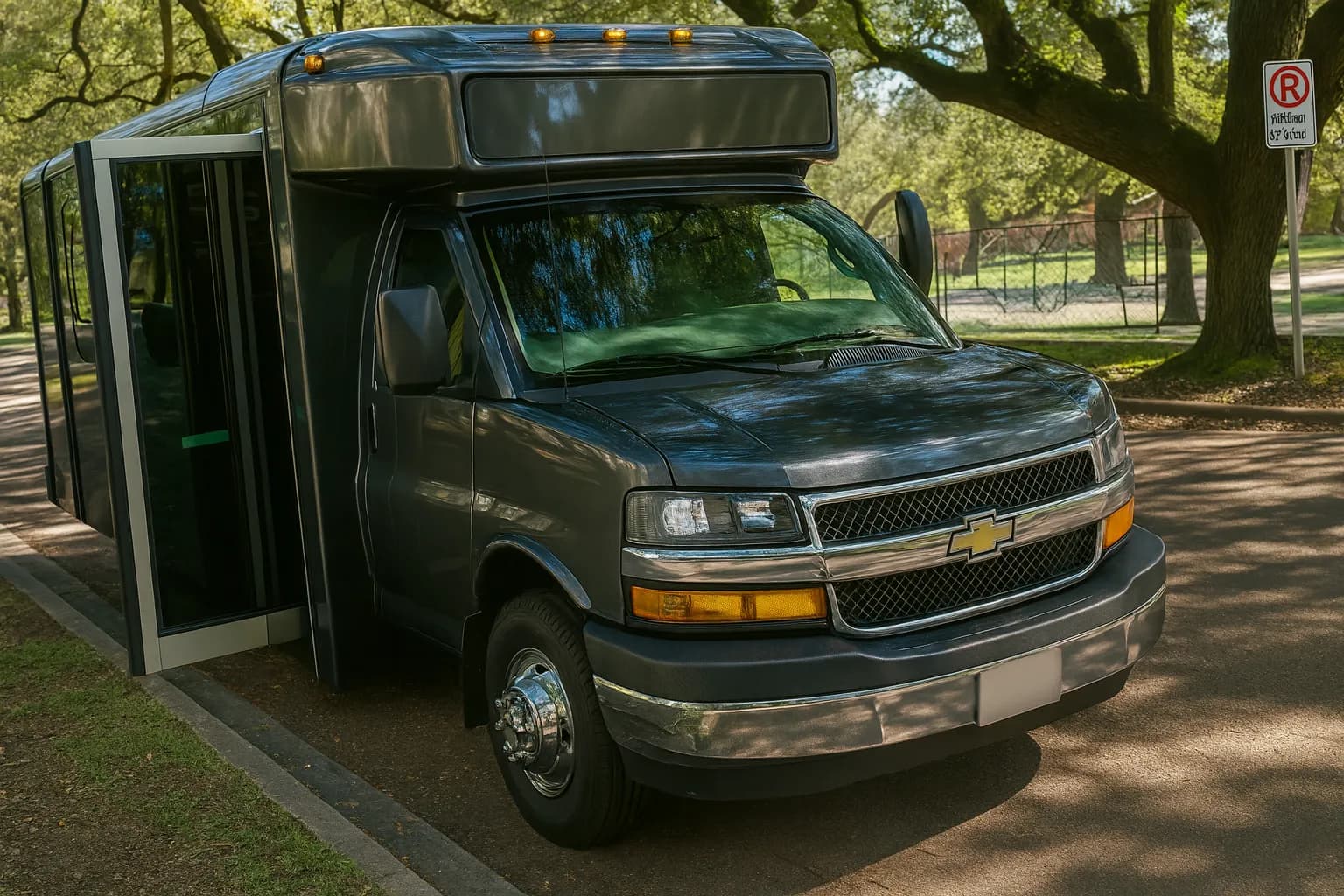
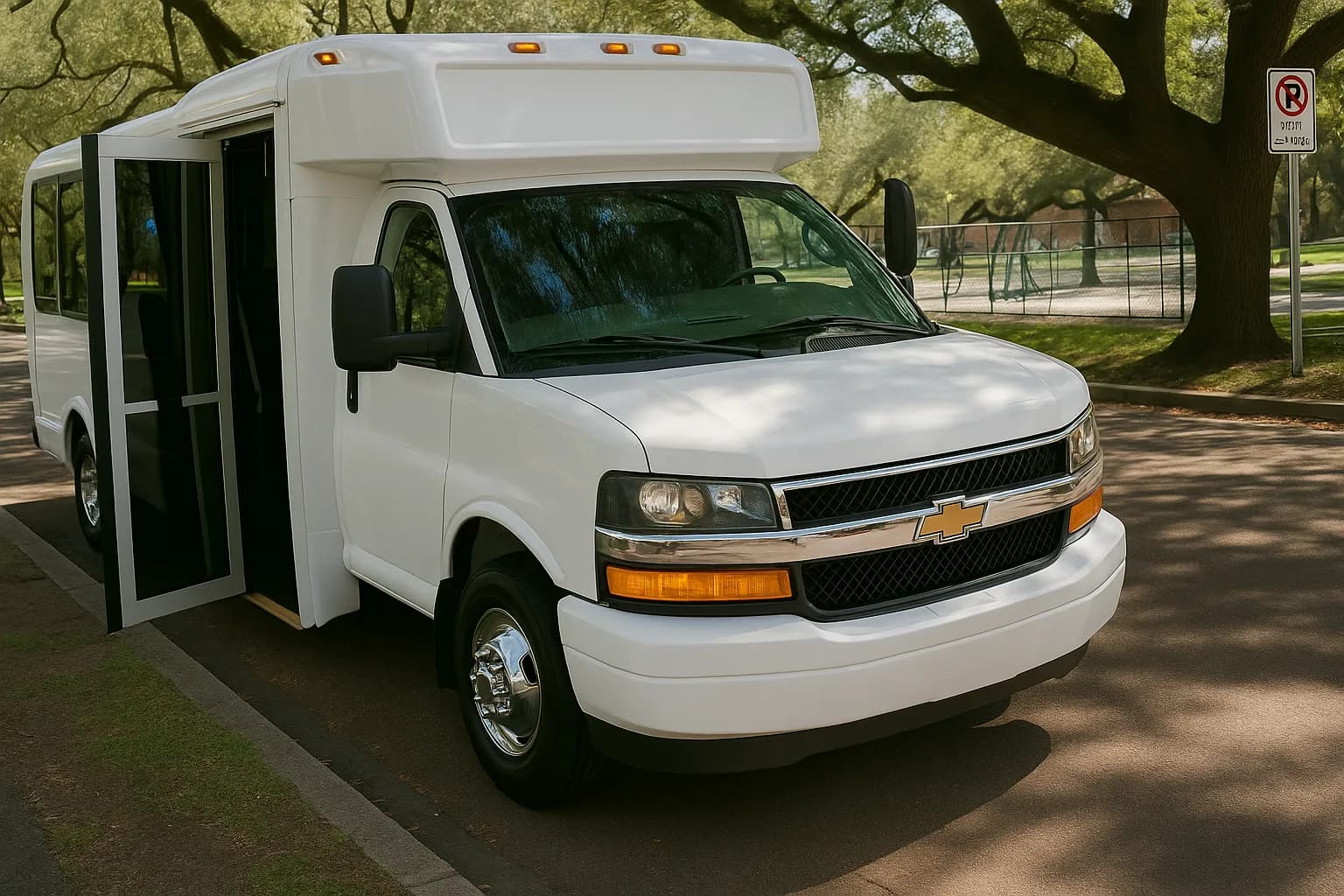
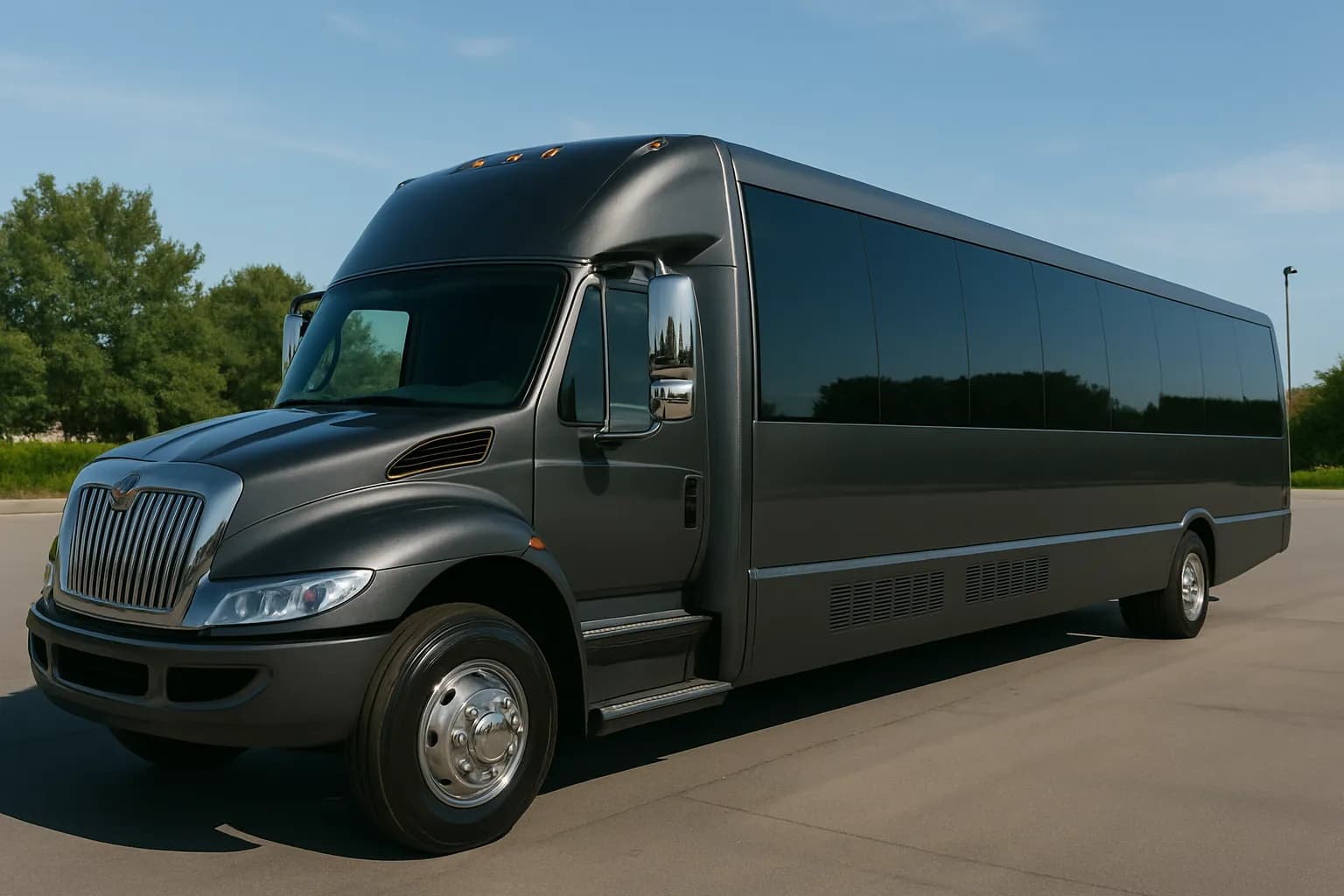
Party buses in Houston run from 8 passenger limo sprinters up to a 45 passenger bus, and most groups belong somewhere between 16 and 24 seats. Ten people or fewer usually do better in a limo sprinter, and nothing above 30 seats makes sense until the confirmed list clears about 24. If nobody plans to get out of their seat, or there are suitcases involved, you want a different class of vehicle.
What sizes are there?
Four tiers, and they behave like four different vehicles.
Seat count is the number everyone argues about. Length is the number that decides the night. A bus that seats thirty also has to turn onto your street, find somewhere legal to sit outside a Midtown restaurant for ninety minutes, and get back out again. Read the tiers below with your pickup address in mind, not your guest list.
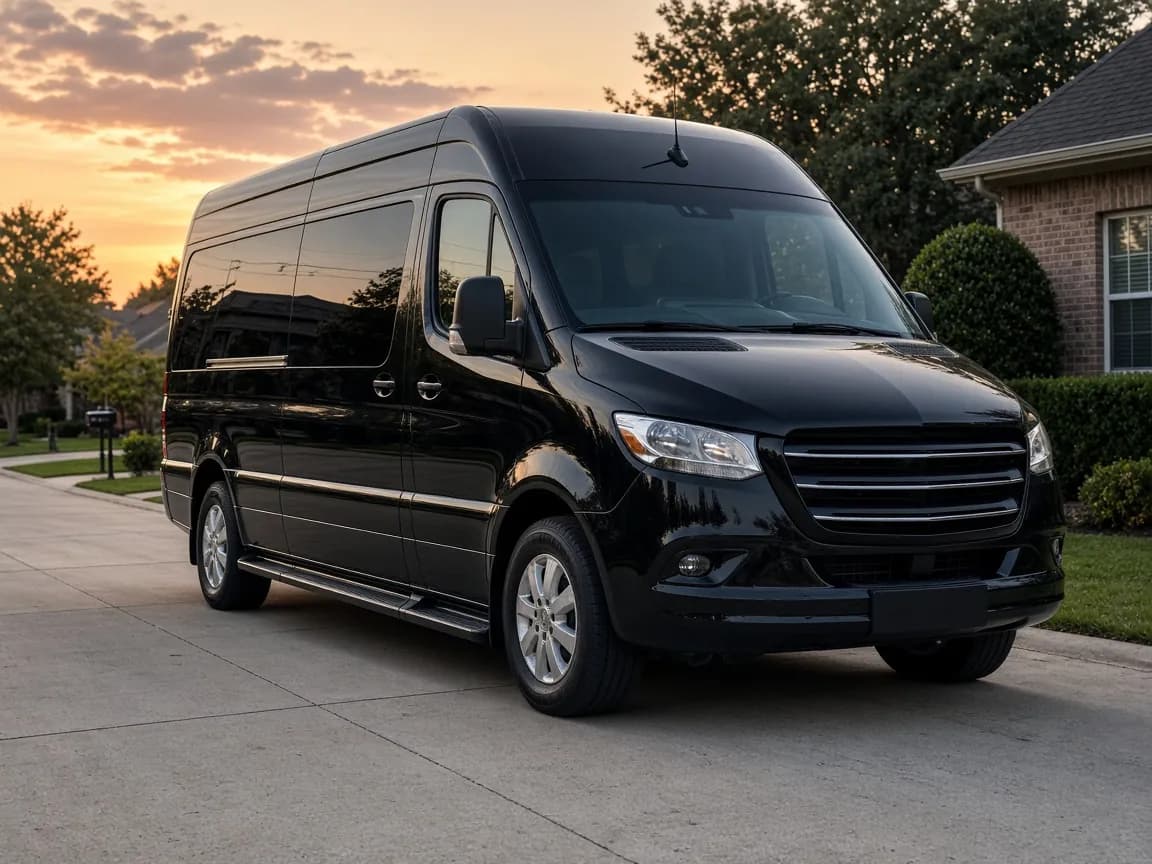
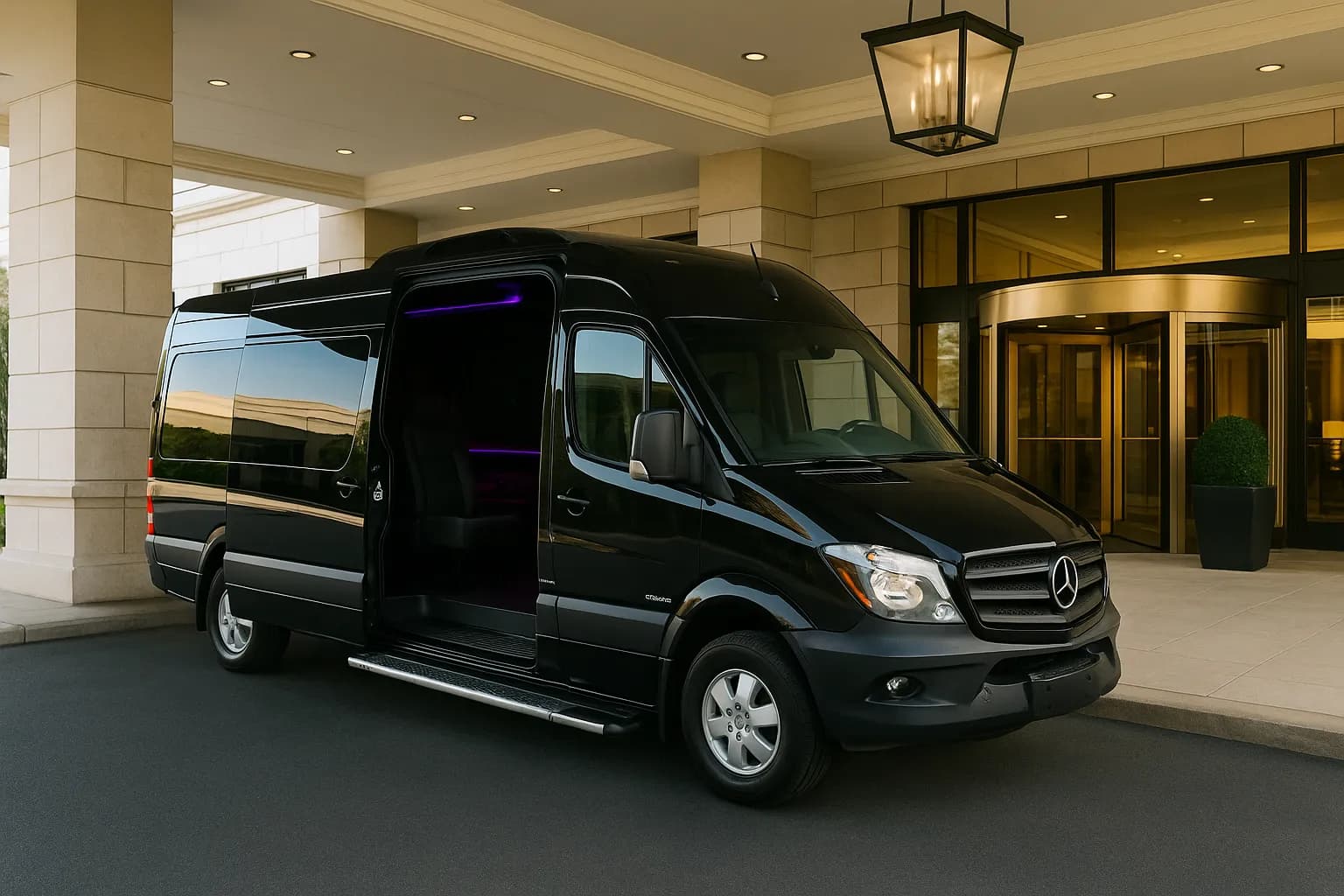
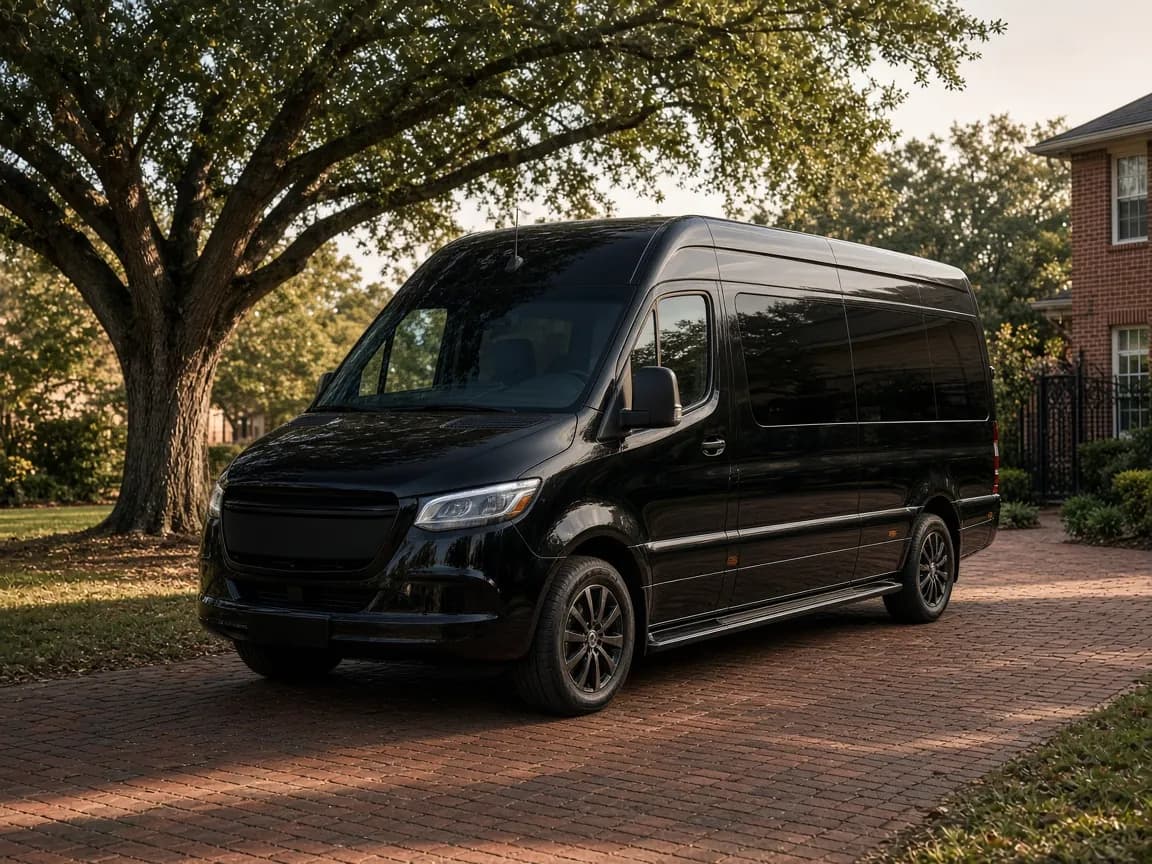
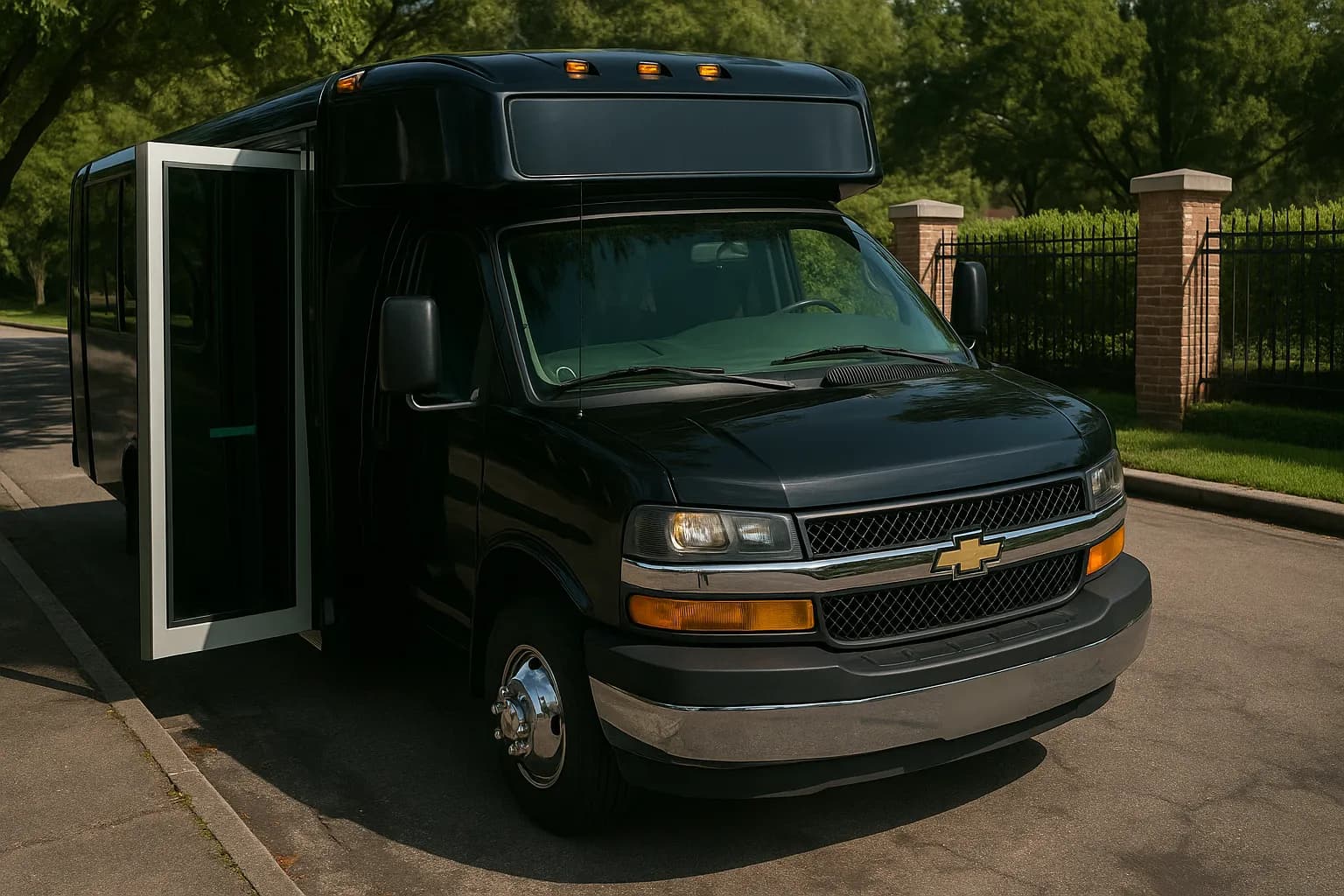
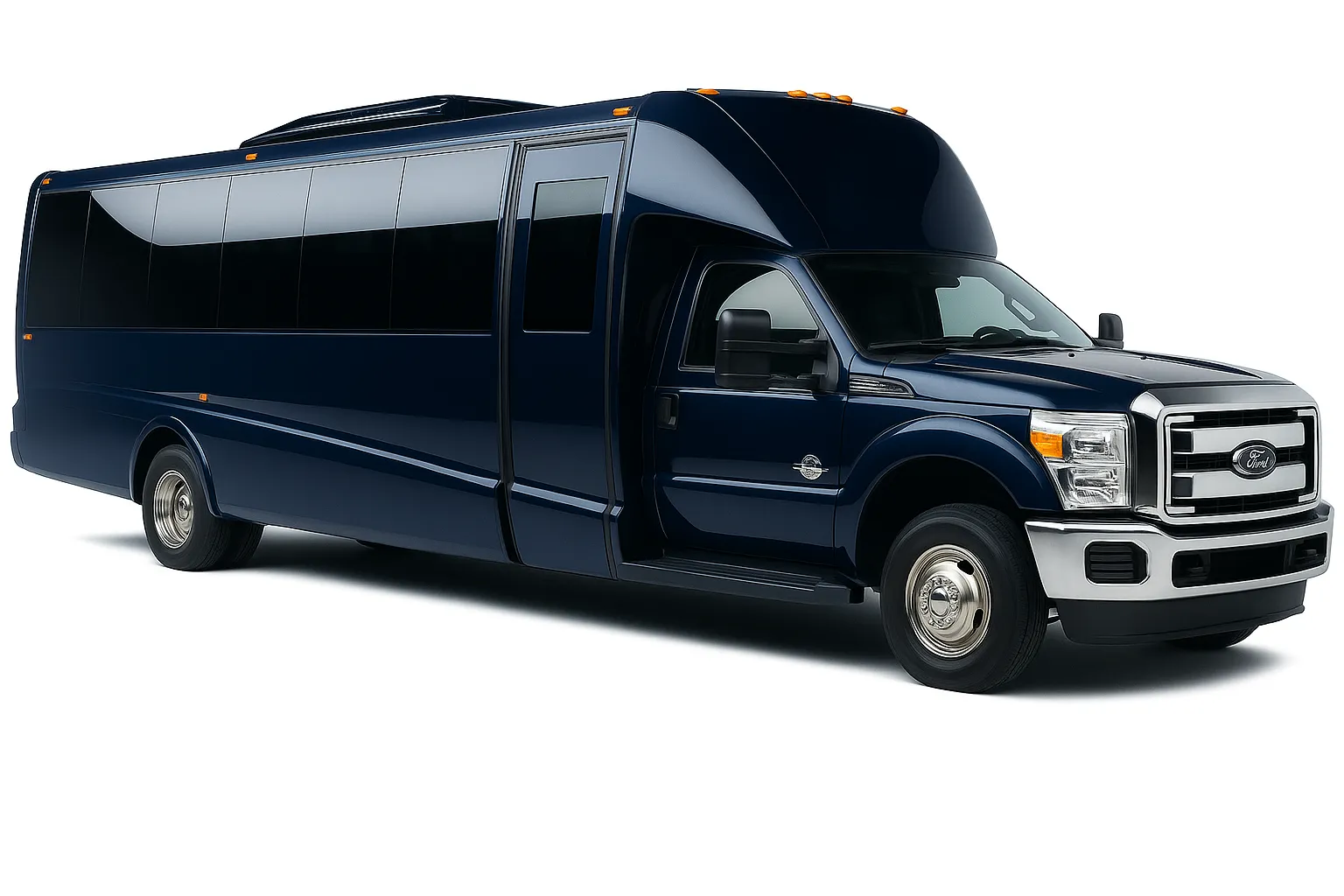
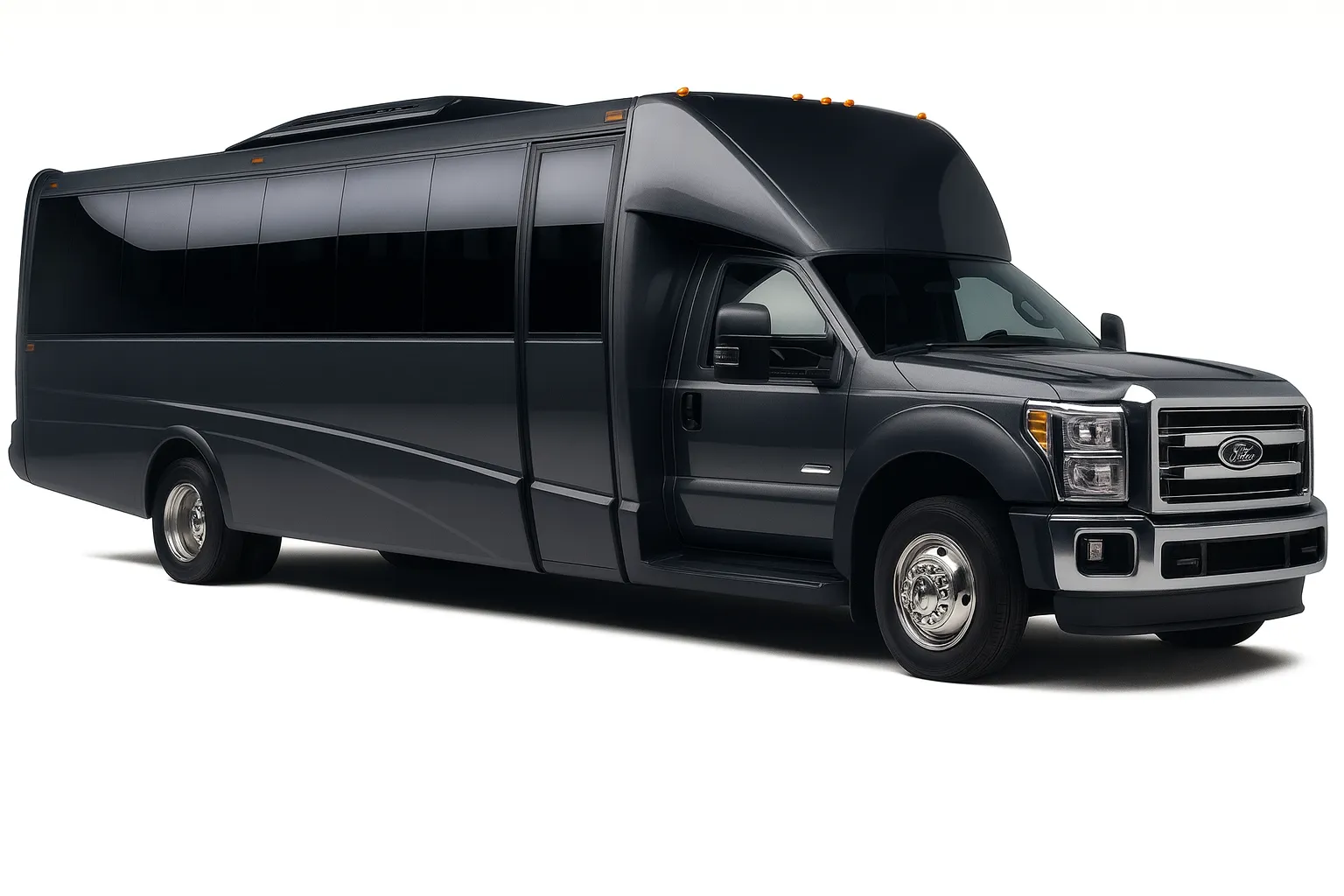
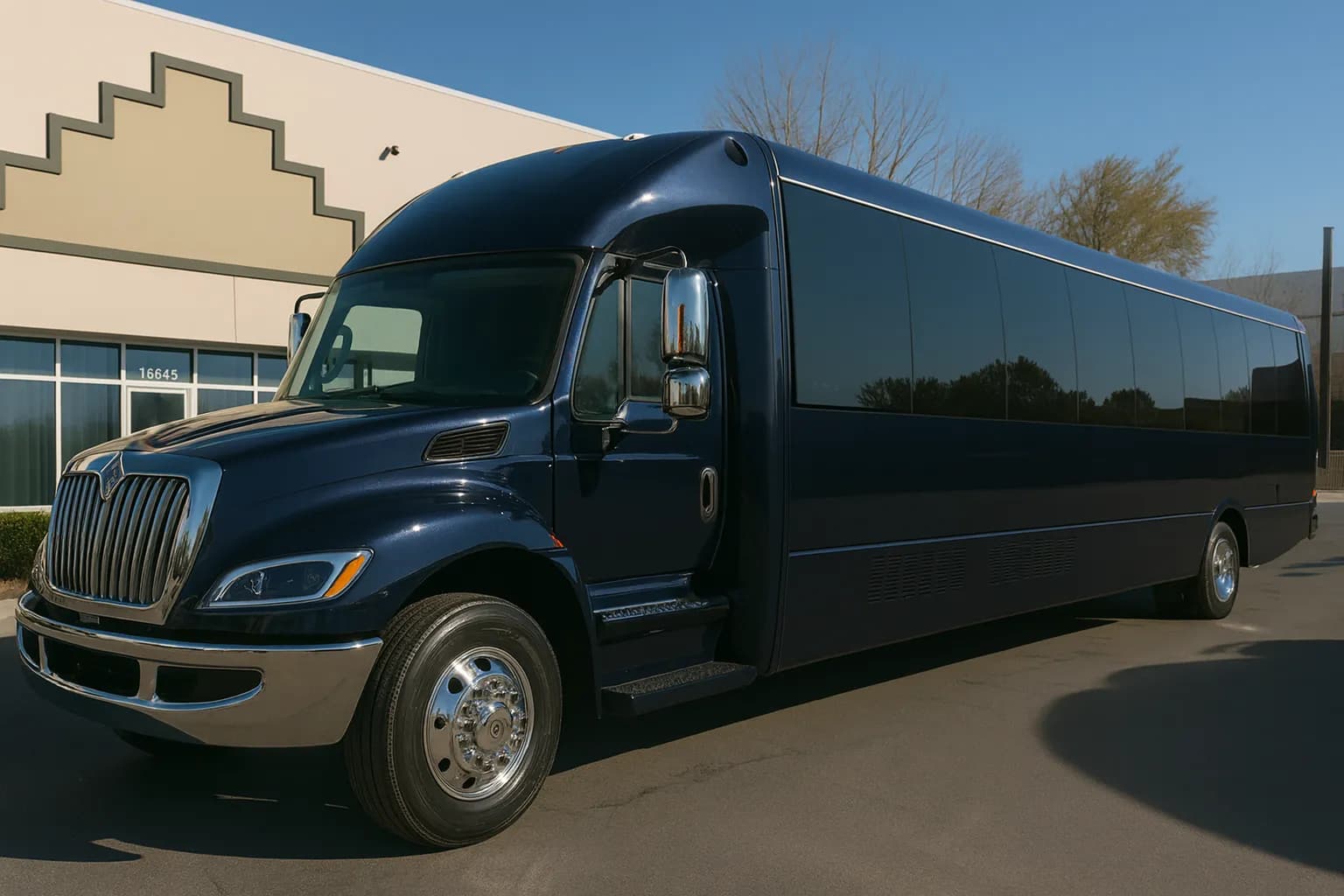
- Limo sprinters, 8 to 14 seats: van-sized, easy to park, standing headroom and a narrow aisle.
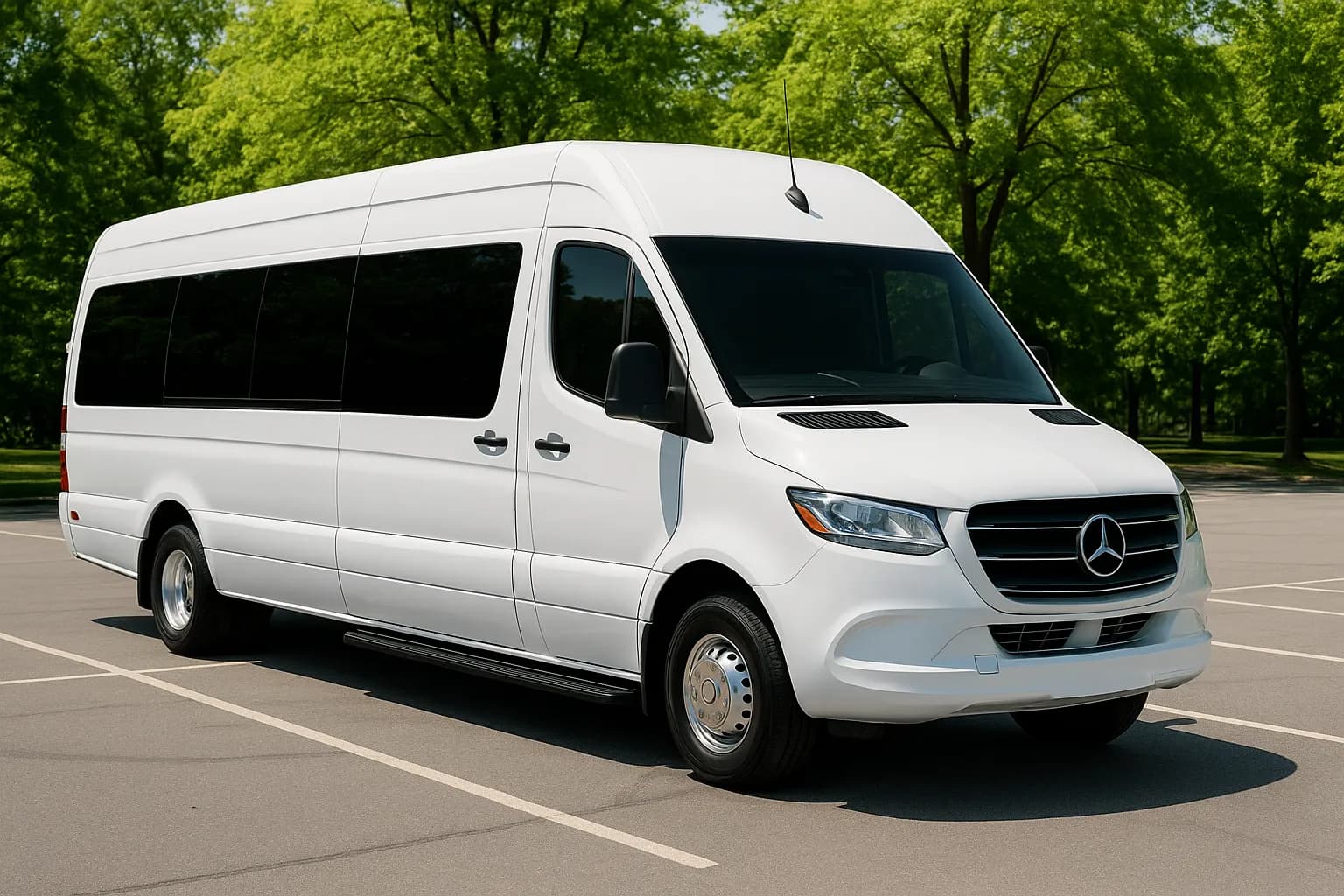
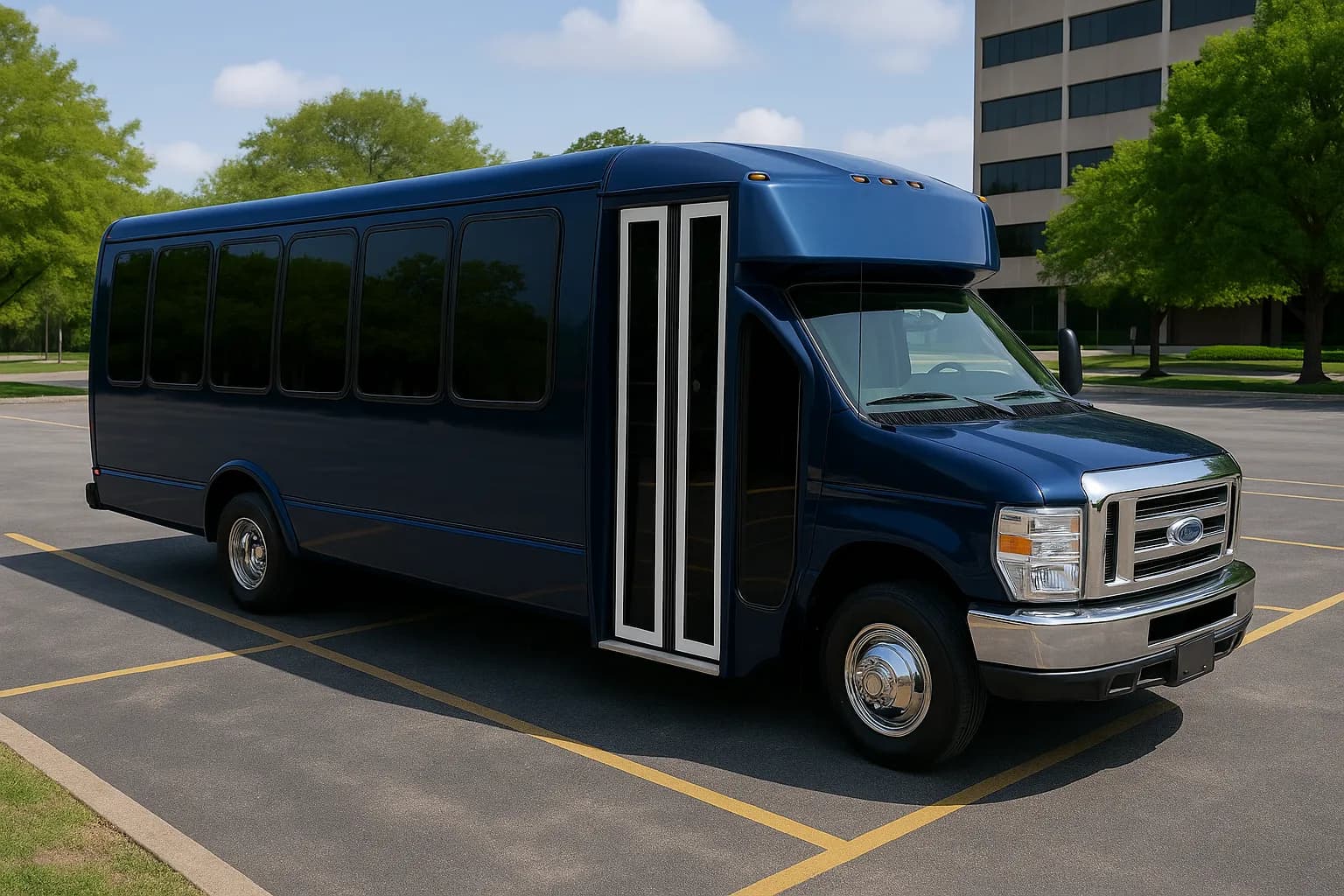
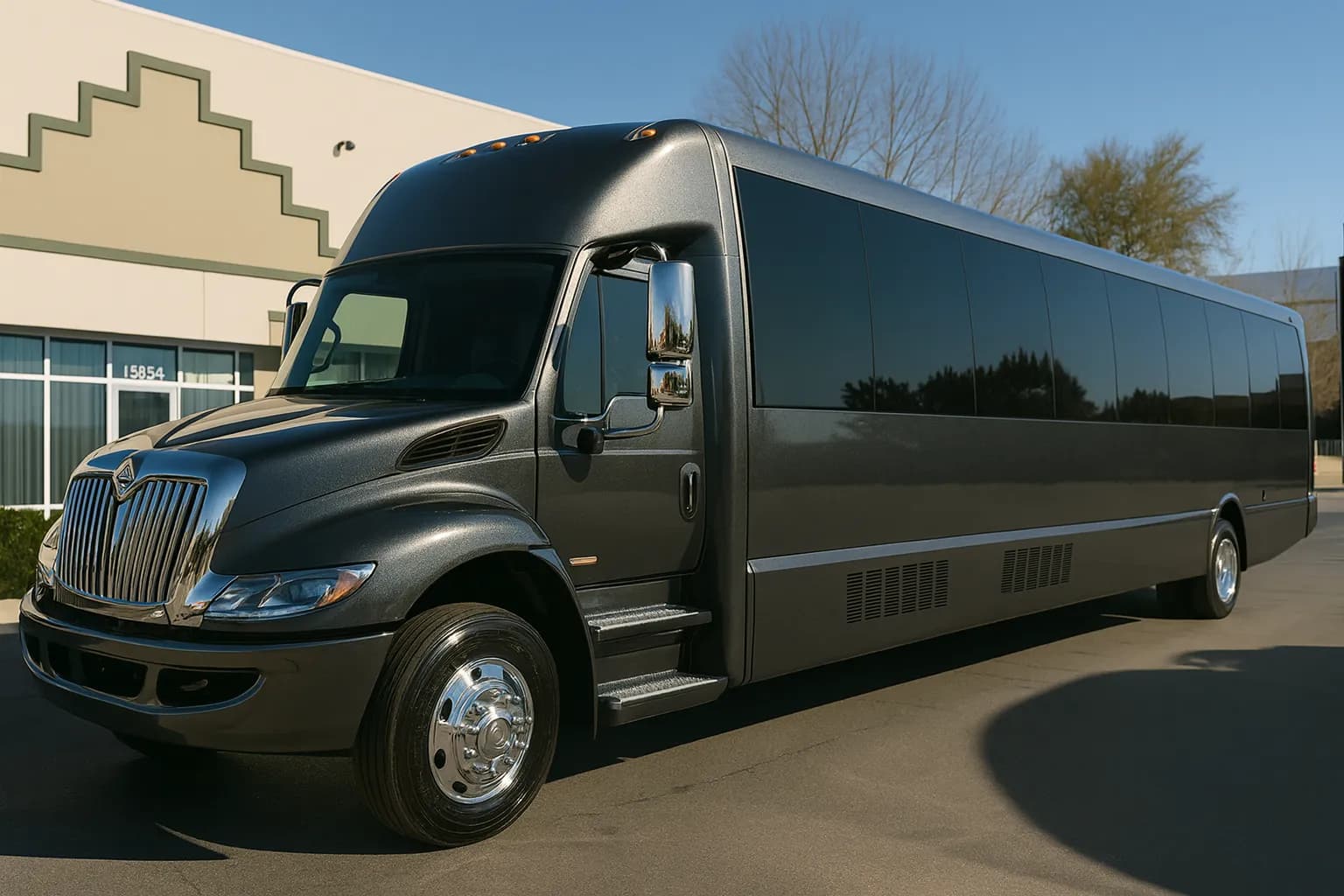
- Mid-size buses, 16 to 24 seats: the heart of the lineup, with a genuine open floor.
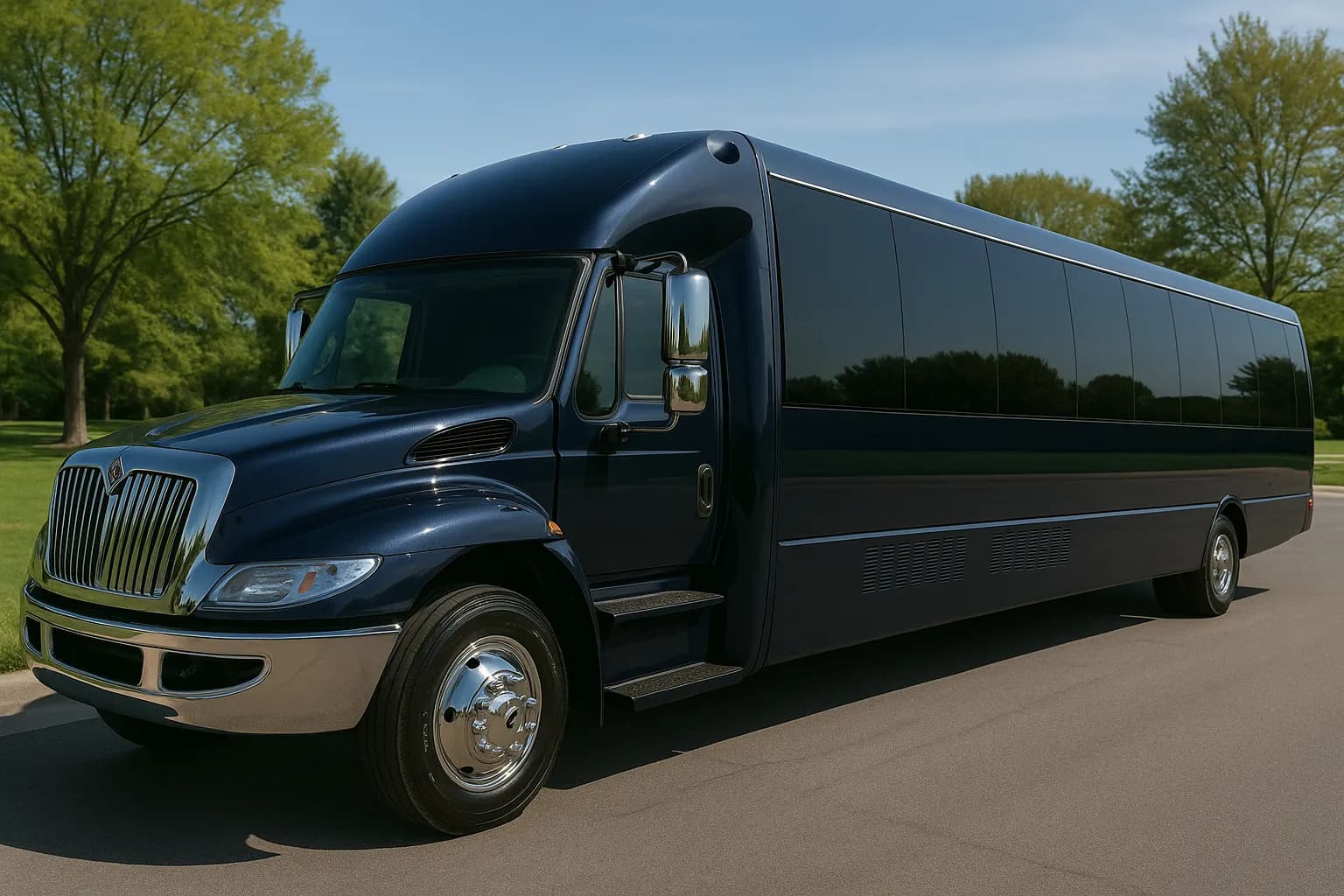
- Large buses, 26 to 36 seats: long enough that where you load starts to matter.
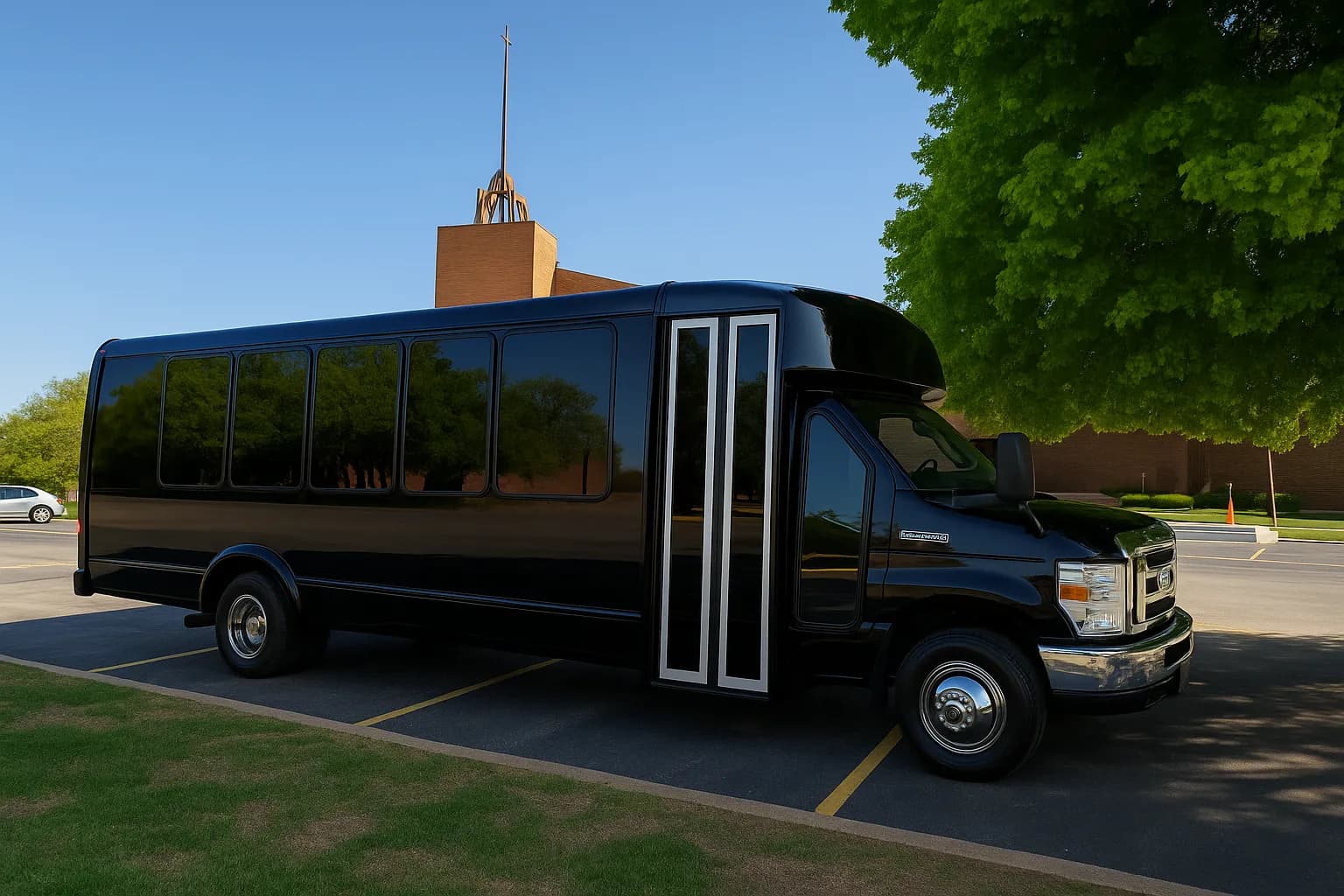
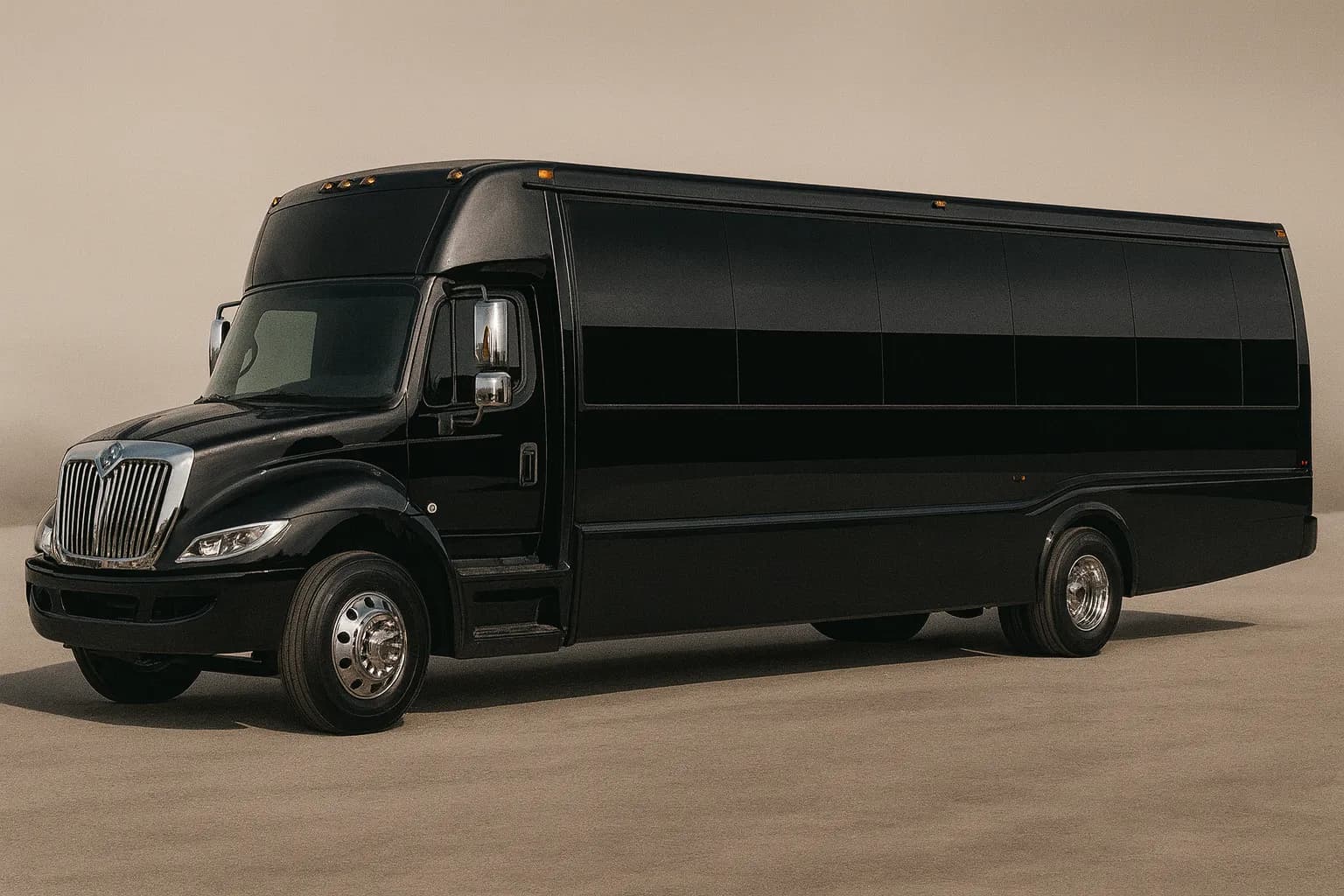
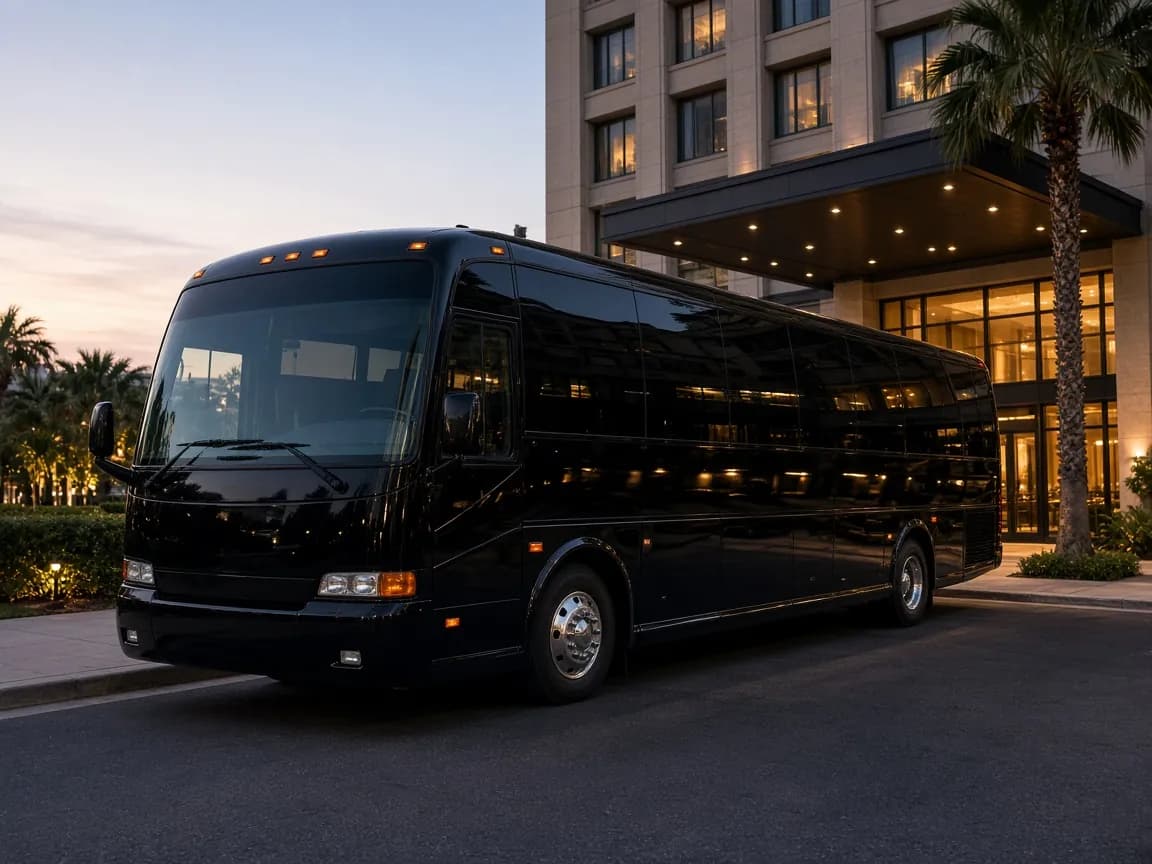
- The biggest buses, 38 to 45 seats: one vehicle instead of the two you were dreading.
Who actually needs a limo sprinter?
Groups that would otherwise take three cars and lose one of them on the way.
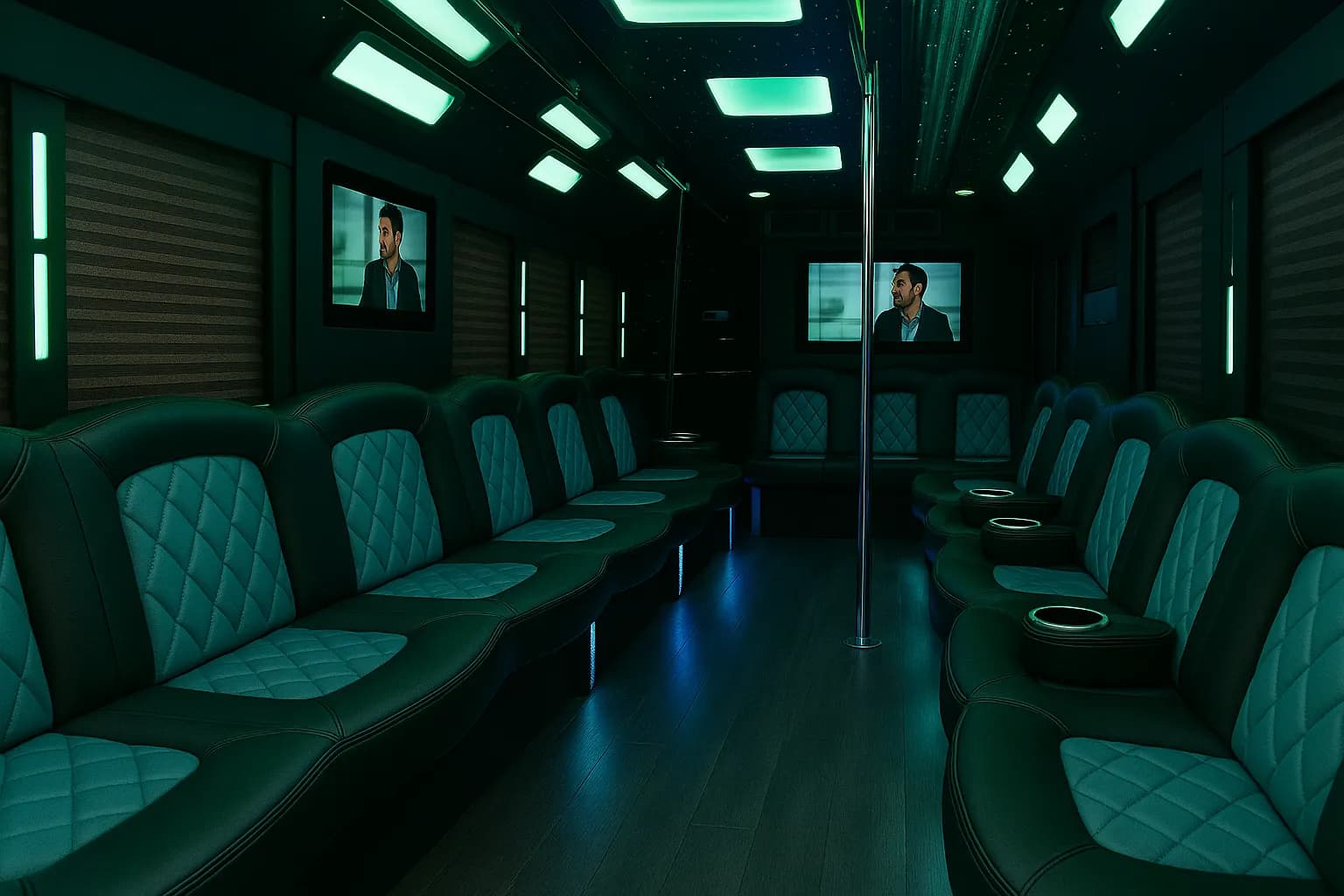
About 20% of Houston inquiries that mentioned a party bus and gave a group size were for ten people or fewer, and those groups get more out of a sprinter than a full bus almost every time. A bachelorette party of nine. A birthday dinner for a dozen. A brewery run that ends earlier than anyone will admit. The 12 passenger limo sprinter is the vehicle that crowd tends to land on.
The footprint is the argument. A sprinter fits the narrow, lived-in streets of Montrose and the Heights, pulls into a restaurant lot without a three-point turn, and waits closer to the door than a 40 foot bus ever will. What you give up is floor. You can stand, but there is no dance floor, and fourteen people in a fourteen seat sprinter make a full room.
A sprinter pulls into the Montrose restaurant lot. A 40 foot bus waits on Westheimer and the night walks to it.
Why do most groups land at 16 to 24?
Because that is where Houston groups actually are.
About 57% of Houston party bus inquiries with a group size on file fell between 11 and 20 people, and this tier was built around them. As a rough guide, a 16 passenger party bus is happy with twelve to fourteen, a 20 seat bus with fifteen to eighteen, and the 24 passenger party bus with nineteen to twenty-two plus the coolers and somebody's spare shoes. These are the buses with a real open floor, which is what people picture when they say party bus.
On money, about 44% of Houston inquiries mentioning a party bus with a historical quote on file landed between $1,000 and $1,499, and about 36% came in under $1,000. Those are past quotes across every size and date rather than prices, and your own number turns on the date, the specific bus, the hours, and how far apart your stops sit.
Is the biggest bus worth it?
Only when splitting the group would spoil the point of going.
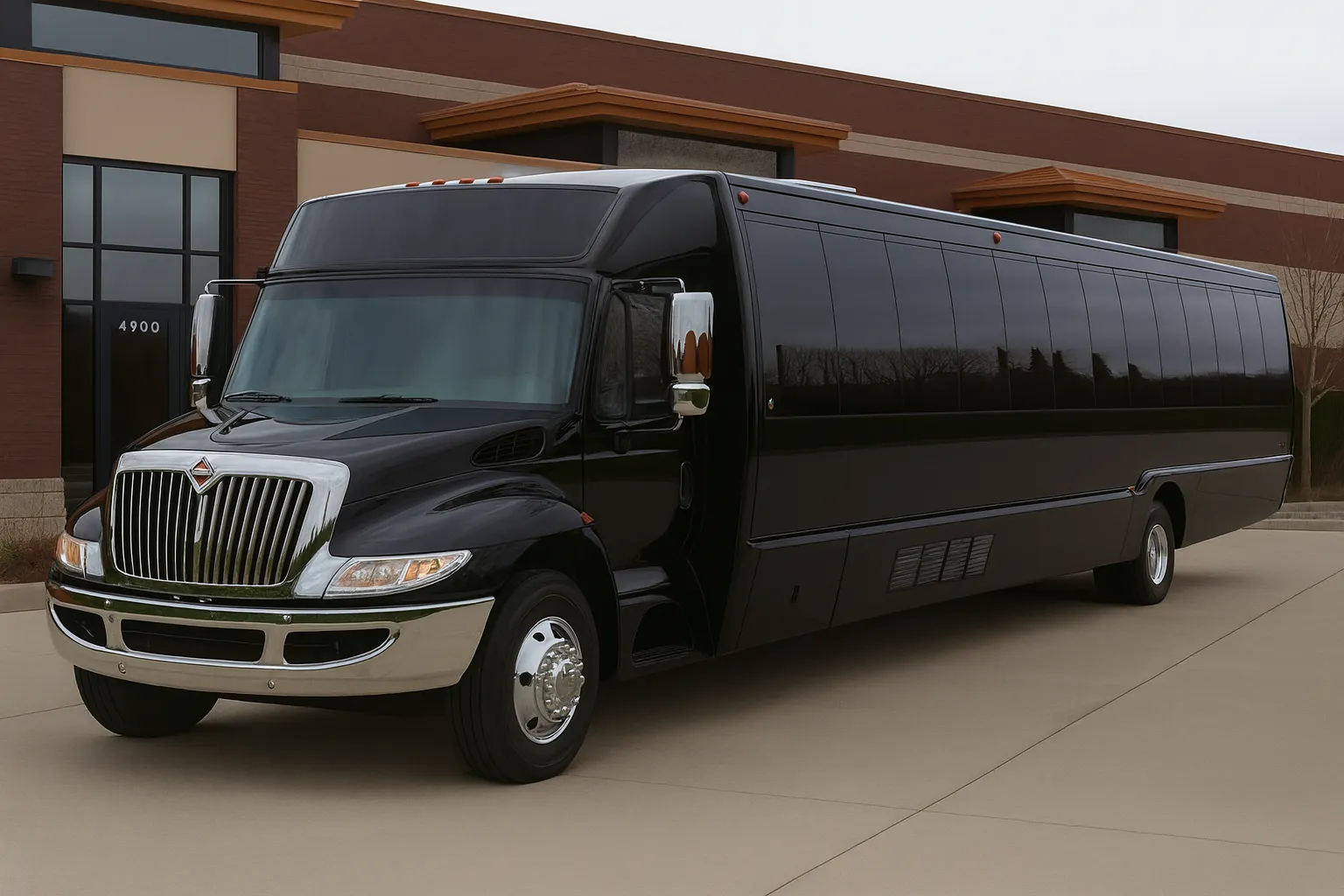
About 16% of Houston party bus inquiries with a group size recorded were for 21 to 30 riders, and a smaller share went higher still. The cases tend to be the same three: a 40th birthday where the whole friend group got invited, a prom group that snowballed, a company night out. The 30 passenger party bus is the usual step up and the 45 passenger party bus is the ceiling. A restroom is listed on select models at 34 seats and above, so ask about the exact bus on your quote if that matters to you.
At this length the pickup stops being a detail. The bus wants a straight approach and somewhere to stop that is not the middle of the road. Cul-de-sacs in master-planned subdivisions, HOA rules about what can sit at the kerb, low oak branches over a bungalow block: any one of them turns a doorstep pickup into a meeting-point pickup. A church lot or the edge of a shopping center is easier on everybody, neighbours included.
Two 20 seat buses means the 40th birthday happens twice, a block apart.
What is a party bus bad at?
Almost everything that is not a party.
Perimeter seating puts most riders sideways, which is fine for forty minutes up I-45 and wearing after three hours of highway. Luggage space barely exists, so airport runs and weekend trips waste the class. The sound and the lighting make quiet conversation hard work, and the high step with a standing crowd behind it is not kind to older relatives. It does not make an entrance, either. It pulls up like a bus, because it is one.
When should you switch class?
If two of these describe your trip, you are shopping in the wrong aisle.
The vehicle comparison tool is the quickest way to hold two of them up against each other before the group chat forms an opinion it cannot be talked out of.
- Ten or fewer people and a formal occasion: a stretch limousine does that job properly.
- Everyone stays seated and the trip is mostly highway: a shuttle bus such as the 24 passenger shuttle bus is far more comfortable.
- Suitcases: executive sprinters and coaches in the luxury coach lineup have somewhere to put them.
- More than 45 people: two buses, or a full-size coach when the atmosphere is not the point.