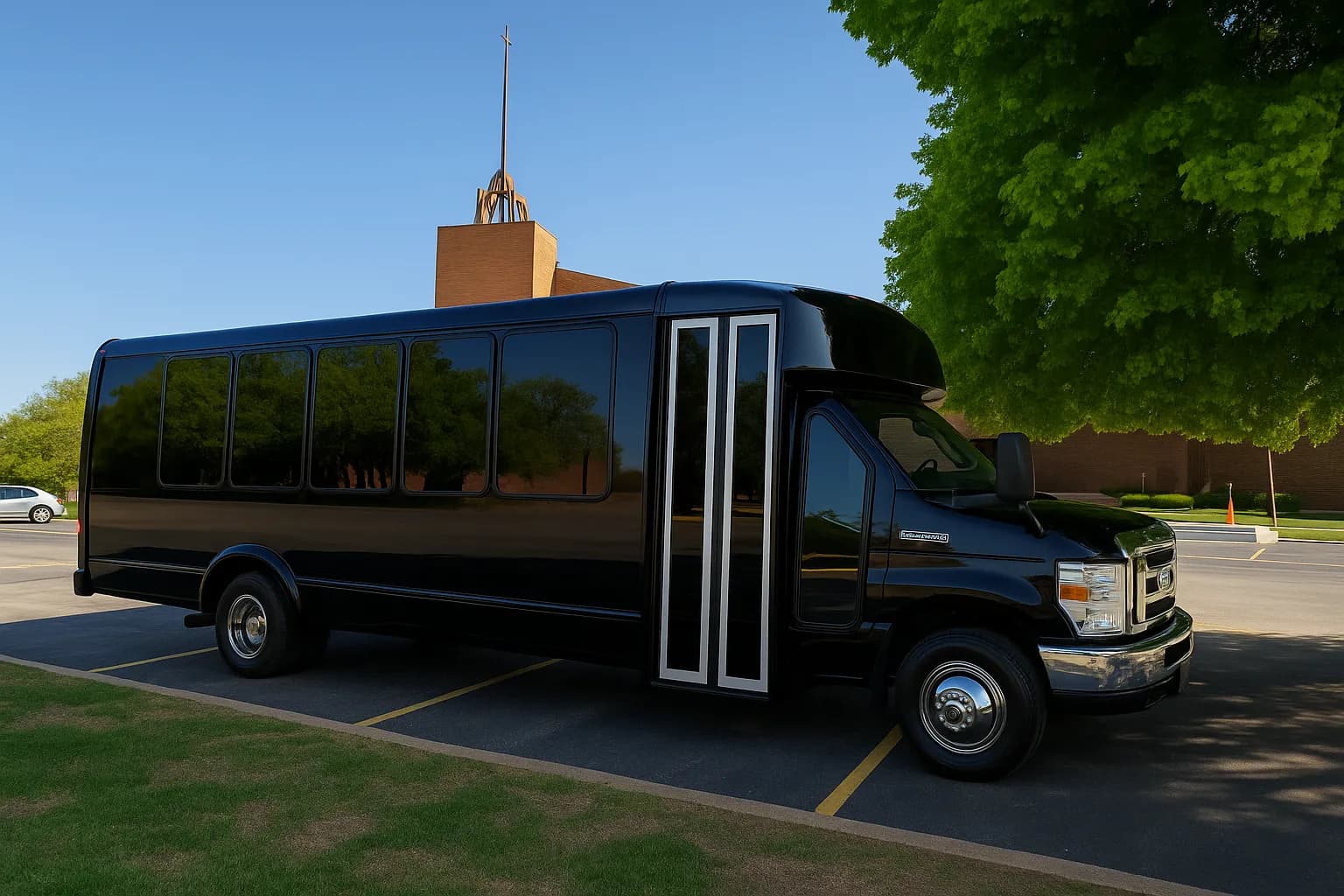
Two more seats sounds like nothing
Seats are not only for people.
On any trip with gear, a couple of bench positions get quietly claimed by objects: the cooler that will not slide under anything, a stack of stadium chairs, a speaker, a box of king cake nobody wants to sit on. Nineteen people on a 20 seat bus have one spare position. The same nineteen on a 22 have three, and that is the difference between a cabin you can walk through and one where everybody climbs over luggage at every stop.
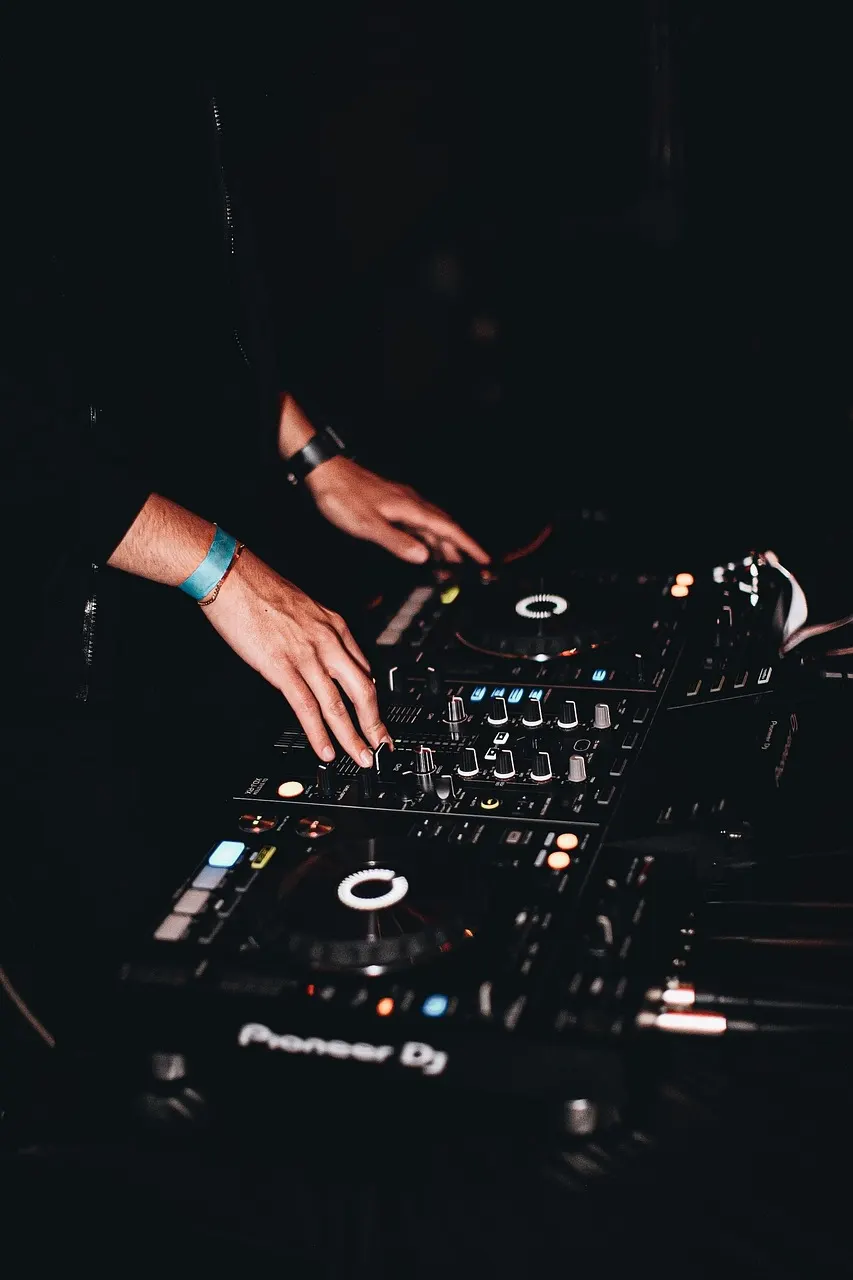
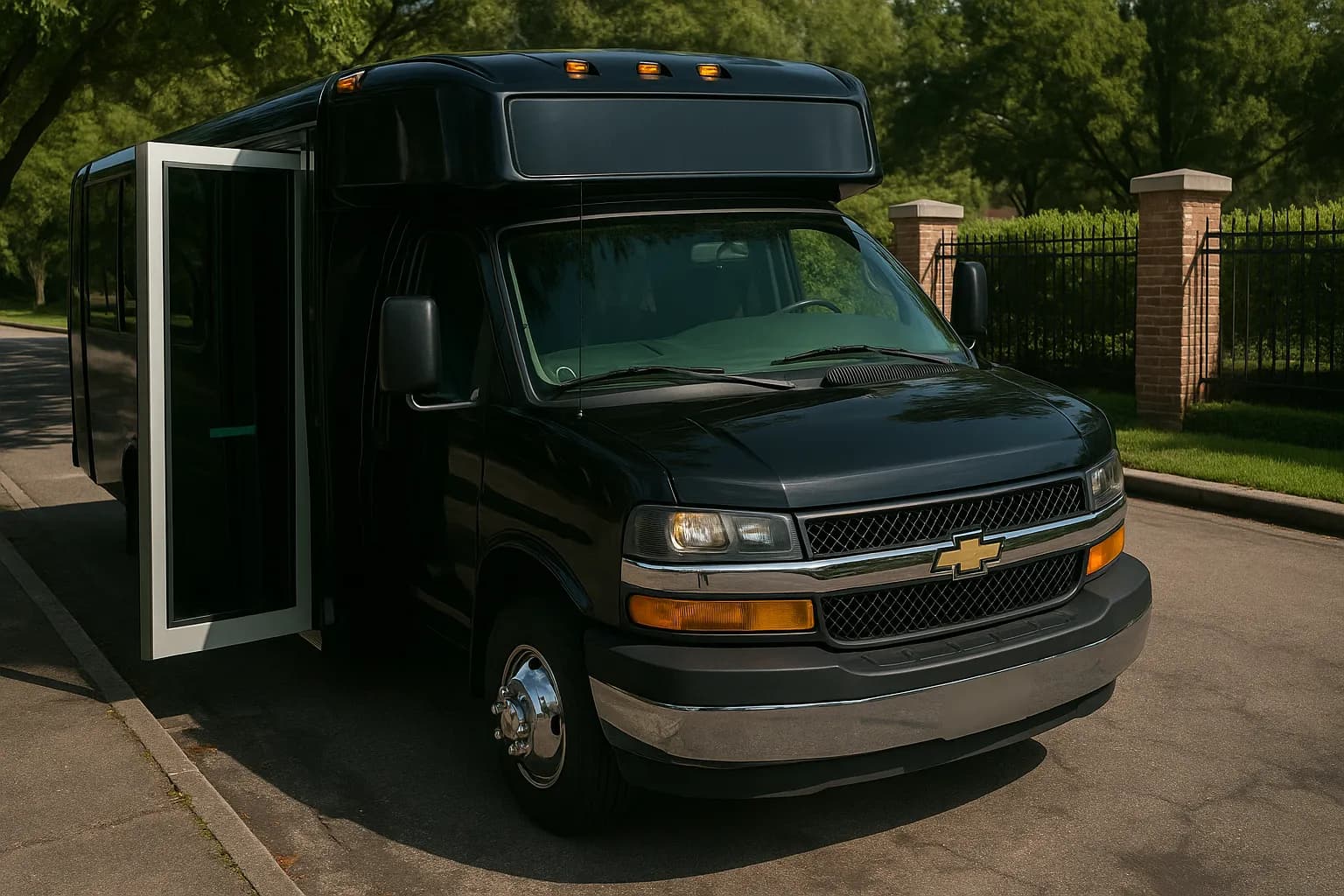
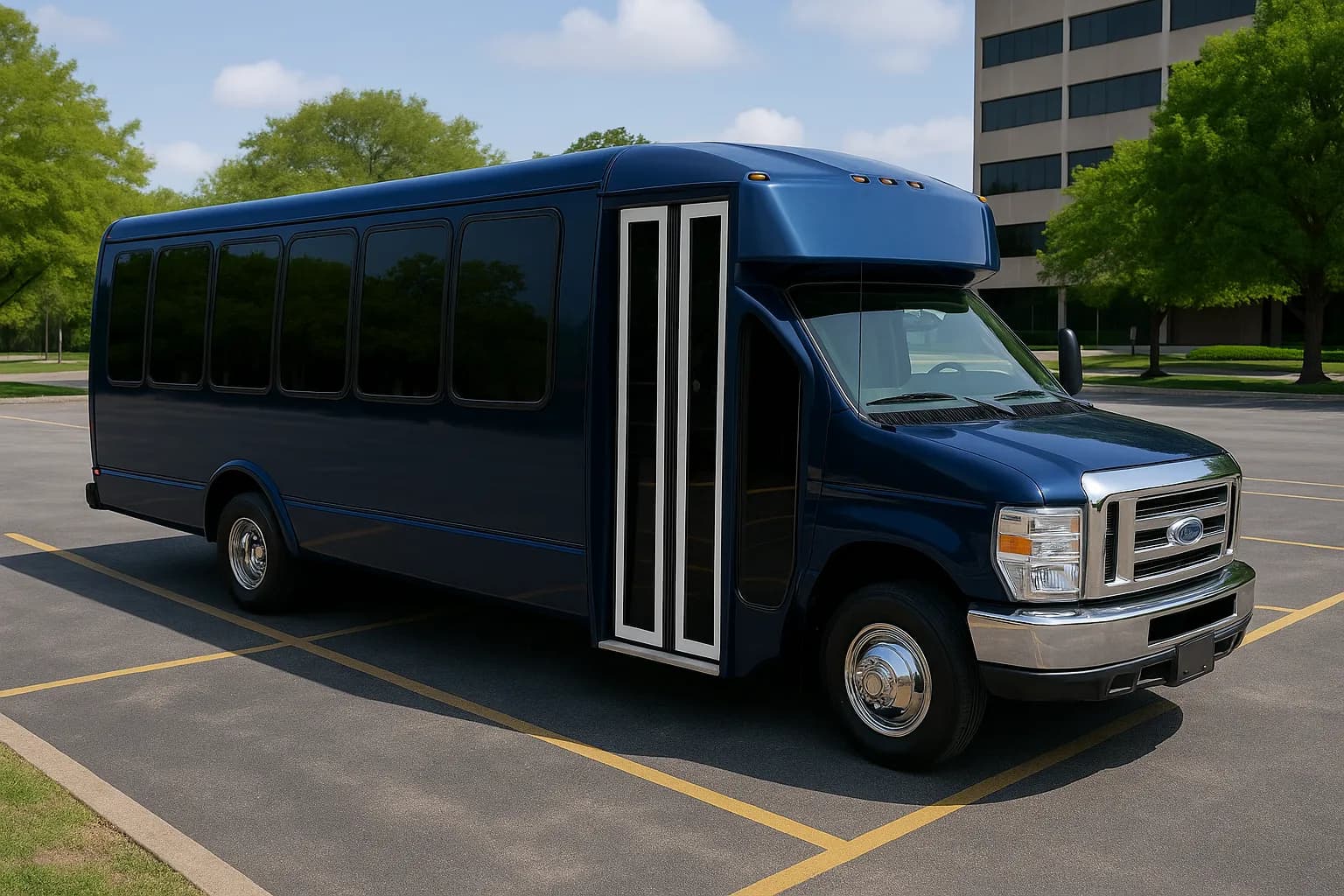
This vehicle is listed with two-zone seating and a full dance floor with color-changing LEDs, a wet bar and climate control. Two zones turns out to matter for mixed groups: the loud half collects near the speakers, the half that came to talk drifts to the other end, and everyone is still on the same bus. Layouts differ, so look at photos of the one on your quote.
The cooler always gets a seat. Plan for it.
Who actually asks for a 22?
Just past the crowded part of the market. In our Houston inquiry records, about 13% of all requests with a group size were for 21 to 30 passengers. Among those that specifically mentioned a party bus, the share was about 16%. Set that beside the 11 to 20 band, which is several times larger, and it is clear that fewer groups go looking for a 22 than for a 20 passenger party bus.
That cuts both ways. A group of sixteen that wants the spare bench can ask about the 22 and often should. On a Texans home date or Memorial Day weekend, the early planners have the advantage whatever the size.
Tailgating at NRG
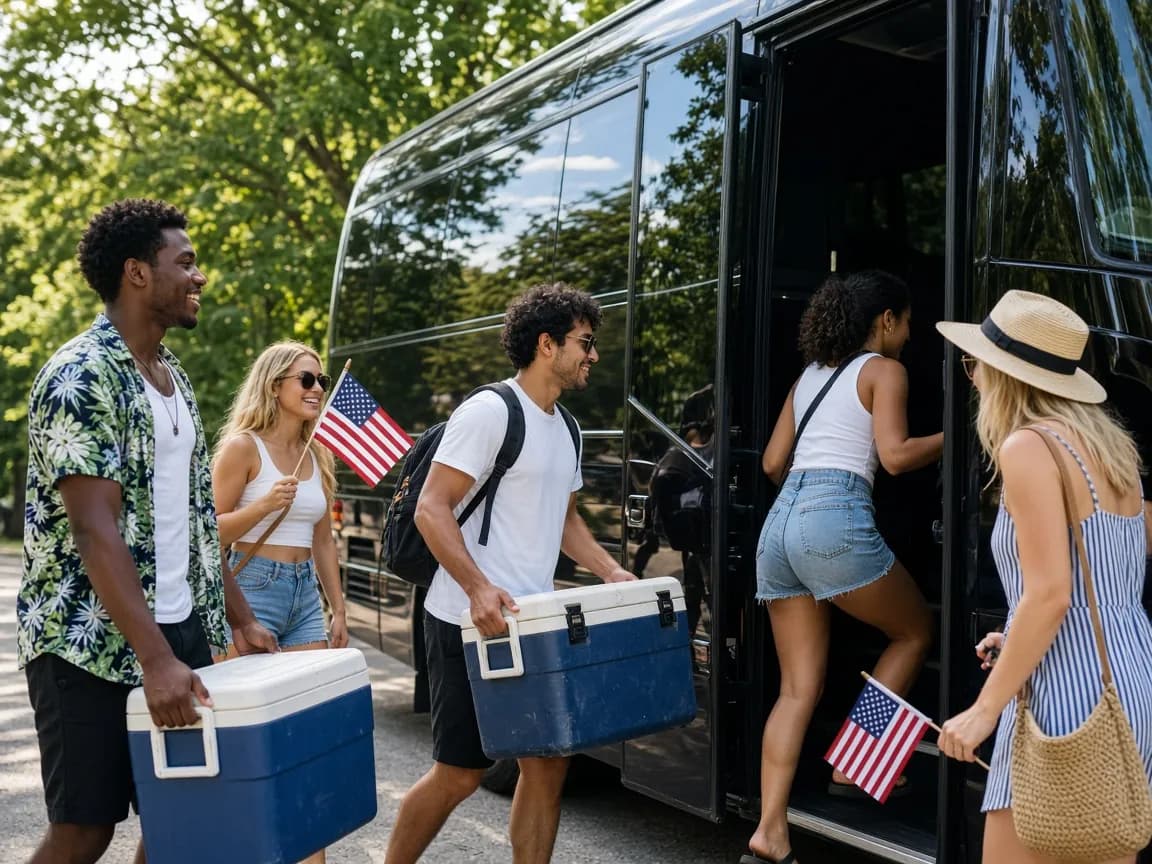
For 16 to 20 fans, this is a strong fit. Across all markets in our records, about 49% of sporting event inquiries were for 11 to 20 passengers and about 16% were for 21 to 30, so a bus that straddles the line covers most game-day groups. That is the tailgating bus: gear goes in first against the rear bench, and the grill crew gets its own end.
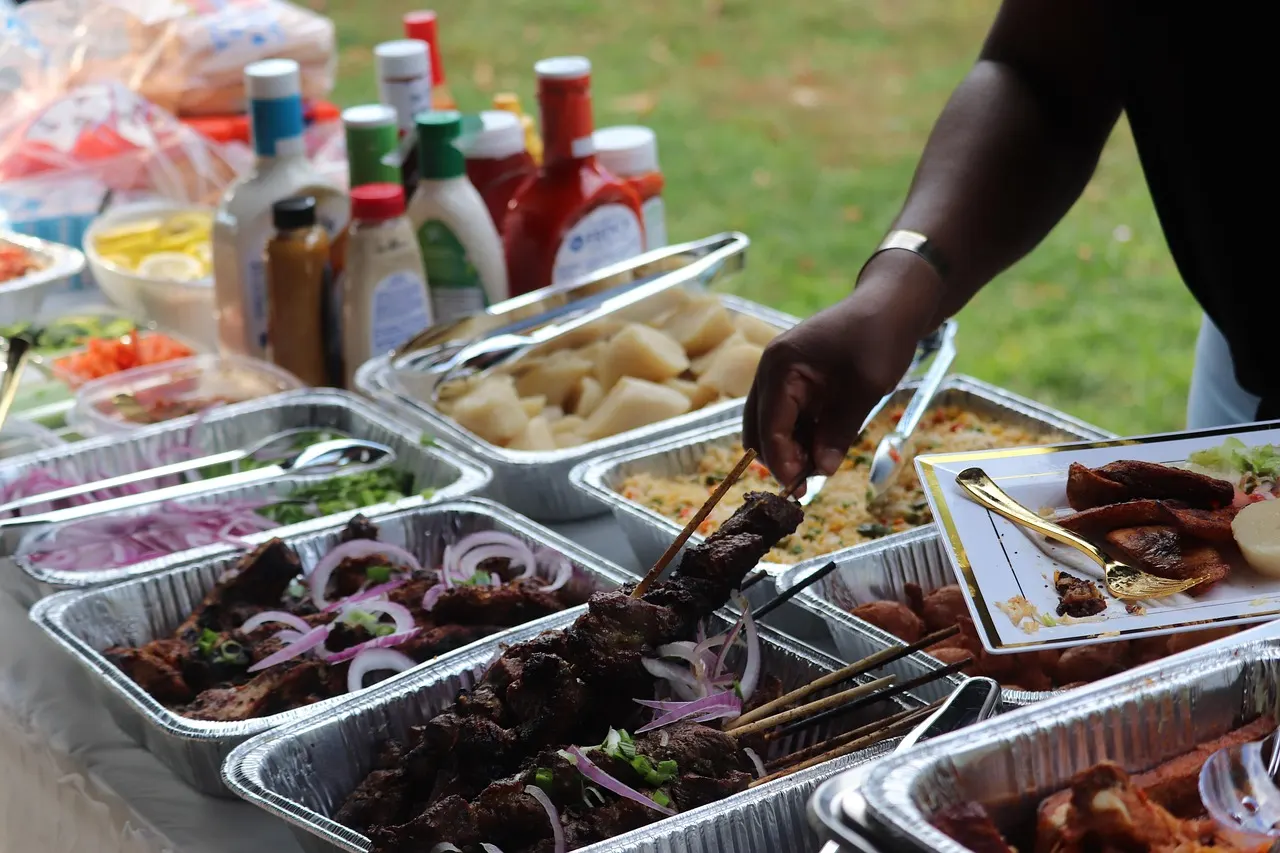
Game day asks two things of a bus: cargo tolerance and patience. You will load a grill kit or at minimum coolers and chairs. You will sit on the Kirby Drive or Main Street approach for longer than any map predicted. And you will want the bus parked somewhere you can find it after the fourth quarter, because stadium lots handle buses differently from cars, often with designated areas and a separate parking fee. Raise parking when you ask for the quote, not on the morning of the game. The same holds for sporting events at Daikin Park and Shell Energy Stadium downtown, where the drop-off zones are tighter still.
Crawfish season, bar crawls, long weekends
Away from the stadium, this size does its best work whenever the guest list is two friend circles stitched together.
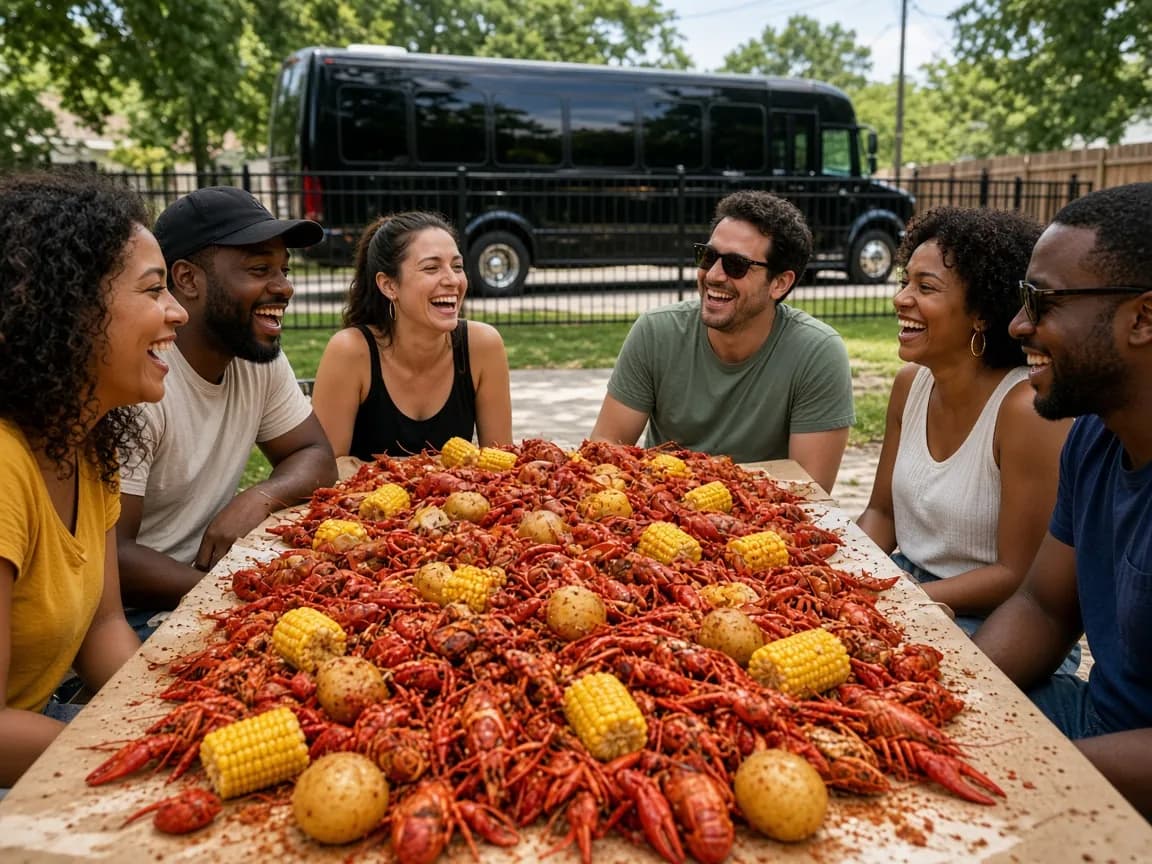
A bar crawl with the birthday crew and the work crew on the same bus. A crawfish boil run in March or April, when half the riders come back to the bus holding a tray or a sack. A Memorial Day trip to the water at Kemah or Clear Lake, where everybody brings a beach bag and nobody brings a small one. Put the stops in order before you ask for hours: Midtown to Washington Avenue is ten to fifteen minutes, EaDo out to the Energy Corridor is thirty or more. The bar crawl planner suggests an order inside each neighborhood so the bus is not crossing downtown twice.
EaDo to the Energy Corridor is the half hour nobody budgets for.
Hours, and what past quotes looked like
Bigger groups move slower and game days are full of dead time, so this size leans longer than the citywide norm. About 34% of Houston inquiries with a duration asked for five to six hours. A noon kickoff with a proper tailgate fits that exactly: arrive three hours early, the game runs a little over three, and the drive home sits on top of both.
On money, about 44% of Houston party bus inquiries with a historical quote sat between $1,000 and $1,499, and about 15% between $1,500 and $1,999. Longer bookings on larger buses push toward the upper band. These are quotes given in the past across all kinds of trips, not current pricing; a six-hour Sunday from Katy to NRG and a four-hour Midtown crawl sit at different points on that spread. As an illustration only: a hypothetical $1,615 total divided among 19 riders is $85 a head for the whole day, nobody driving home. Run your own version in the trip cost estimator.
Up to the 24, or back down to the 20?
Back down if your group is sixteen or under, carries nothing worth mentioning, and the trip is short.
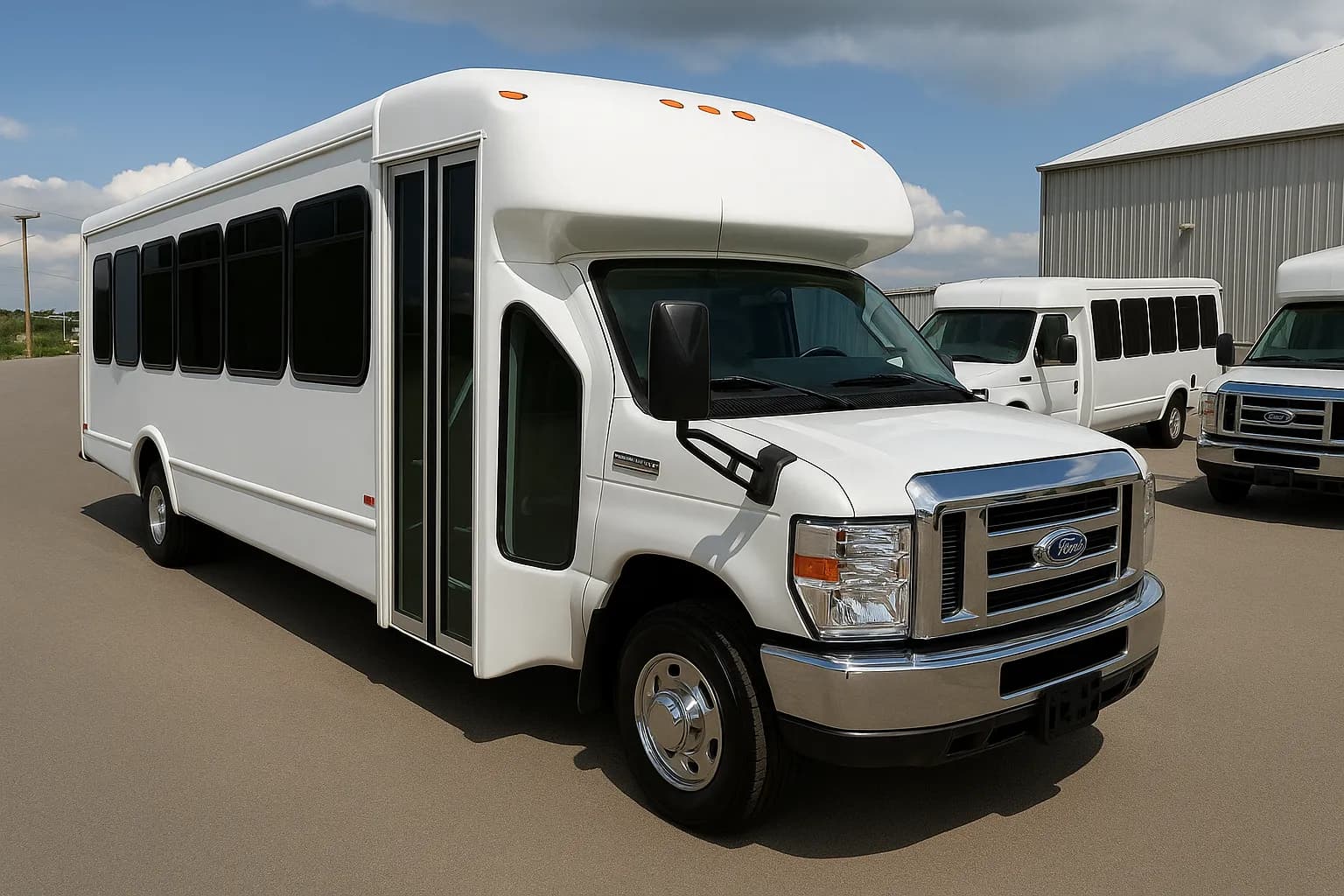
Up to the 24 passenger party bus if your confirmed count is 21 or 22, since a completely full bus with tailgate gear on board is a long day for everyone in it. And sideways to a different type when nobody actually intends to party on the way: a youth sports team, a church group or grandparents heading to a graduation will be happier in the forward-facing rows of a 22 passenger shuttle bus. For a formal night where the vehicle turns up in the photographs, the 22 passenger Hummer limo seats the same number.
Sample game day: 19 fans, Katy to NRG Stadium for a noon kickoff
Six hours on a Sunday with gear. Times assume typical weekend traffic on I-10 and Loop 610.
8:15 am
Load at a cul-de-sac in Cinco Ranch. Three coolers, a folding table and eight chairs go in first, against the rear bench.
8:30 am
Depart. East on I-10 and south on 610 usually takes 40 to 50 minutes this early on a Sunday.
9:20 am
Arrive at the assigned bus lot at NRG Park. Set up beside the vehicle and keep valuables locked on board.
11:30 am
Break down the tailgate, stow everything, walk to the gates.
3:15 pm
Game ends. Meet at the bus rather than at a gate, and expect 20 to 30 minutes to clear the lot.
4:30 pm
Back in Katy, a little over the six-hour mark if traffic cooperates, which is why some groups ask for six and a half.