Where does the bus actually drop us?
Not where you are picturing, at any of the four.
NRG Stadium sits inside NRG Park off Kirby Drive and Loop 610, ringed by surface lots, and a vehicle that size generally needs a parking pass for an oversize space bought separately through the team or the event. Without one, the driver drops at the perimeter along Kirby or Main and goes. The other three have no lots to speak of. Toyota Center takes up the blocks around Polk and La Branch, Daikin Park (the Astros' ballpark, formerly Minute Maid Park) is eight blocks north at Crawford and Texas, and Shell Energy Stadium is just over US-59 in EaDo.
Police close or restrict the nearest streets before and after events at all three, so a realistic drop is one to three blocks out. Tell the driver which gate your tickets are for. Daikin Park has entrances on several sides and the wrong one is a long walk in July.
Who goes to a game together?
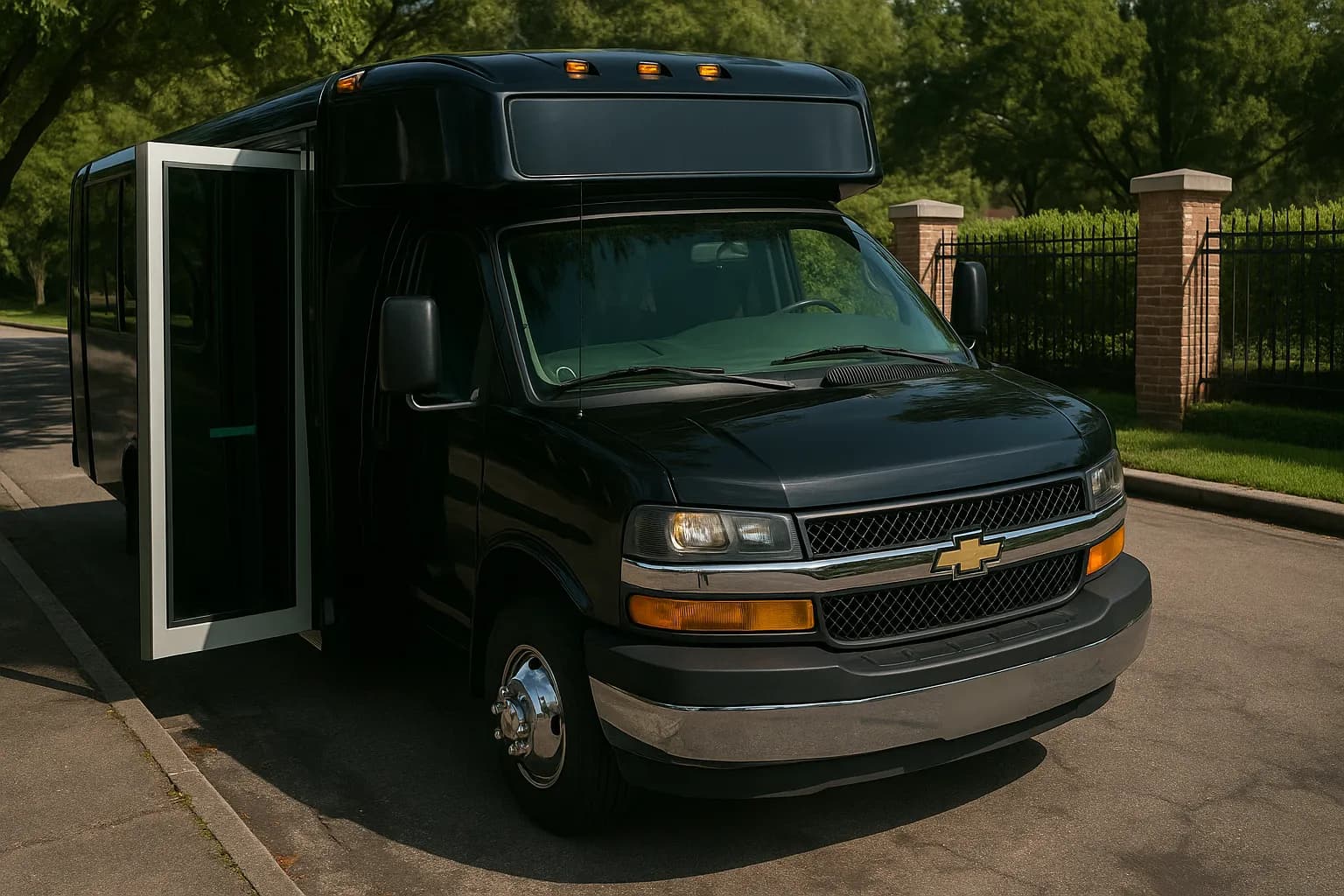
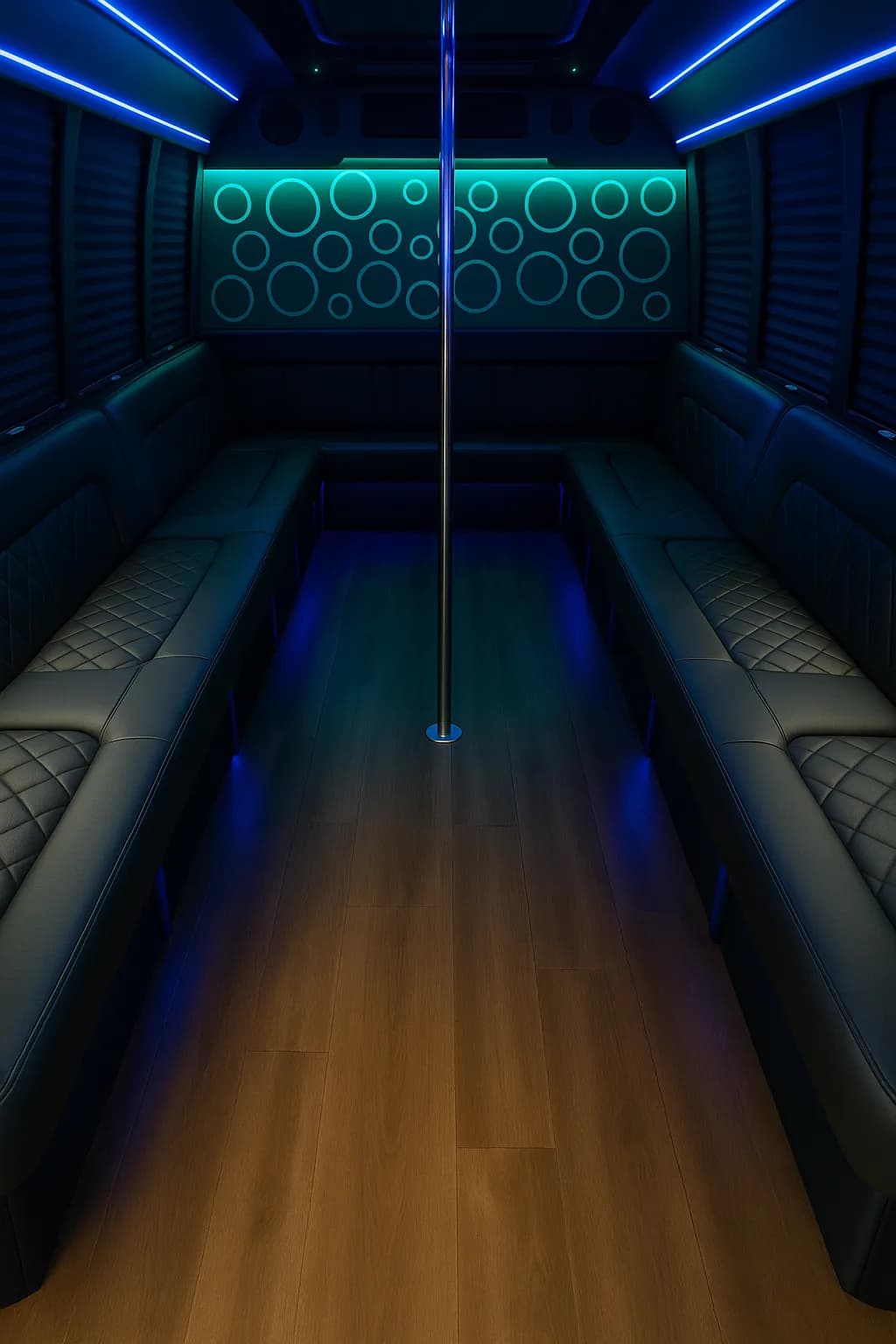
A dozen or so people, most of the time, which is why the answer is nearly always the same bus.
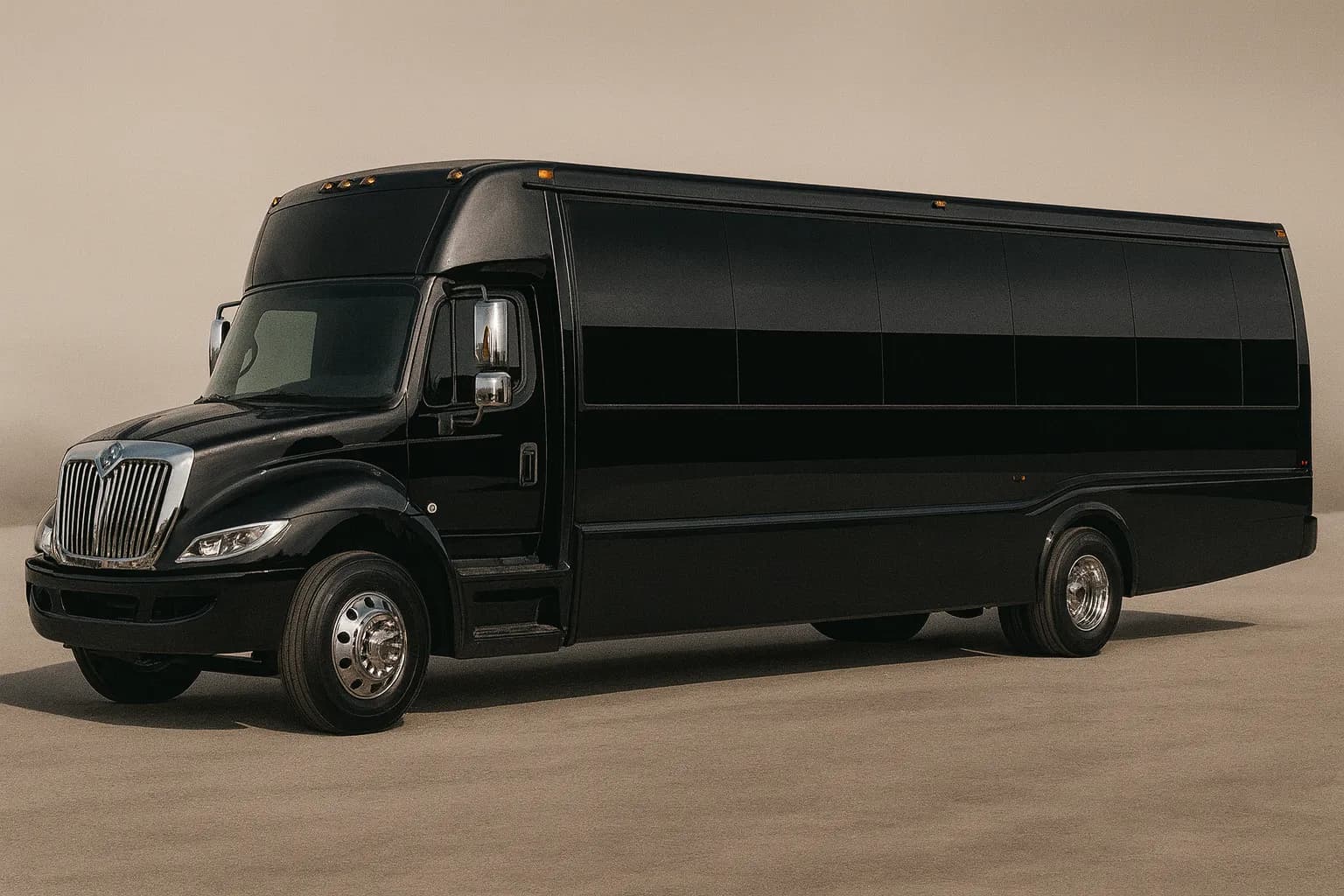
Across all the markets in our inquiry records, about 49% of sporting event requests were for 11 to 20 passengers, about 28% for ten or fewer and about 16% for 21 to 30. That middle band is the 20 Passenger Party Bus, with the 30 Passenger Party Bus waiting for the office section or the cousins who all showed up.
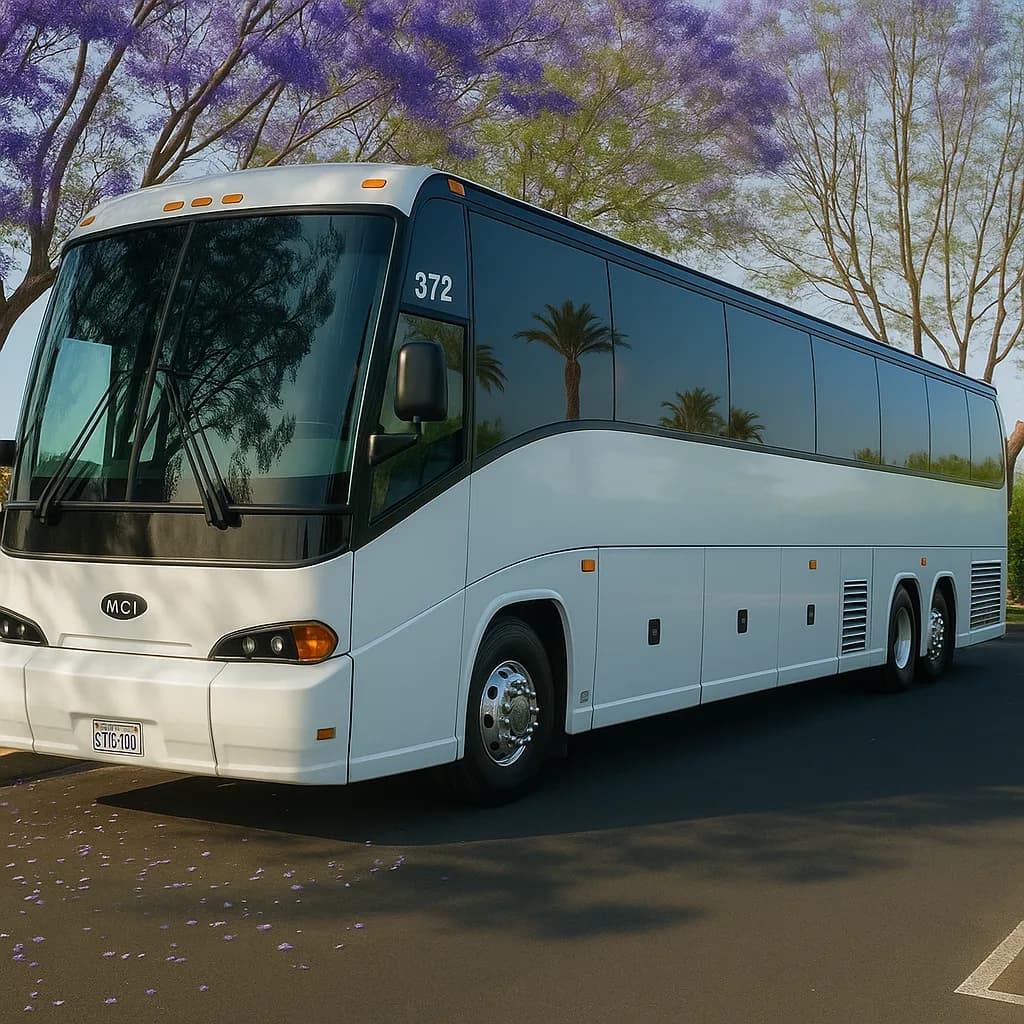
Vehicle preference runs the same way. About 52% of sporting event inquiries that named a vehicle mentioned a party bus, about 18% a limousine and about 11% a Sprinter van. The limo and sprinter numbers are the suite holders and the client dinners, where eight people want quiet on the way in and a fast curb drop. Supporters' clubs, youth leagues and a company block of fifty seats belong on the 50 Passenger Coach Bus instead. Borderline numbers go to the guest count calculator.
One bus, one arrival, nobody circling a lot alone at 6:40.
Why is the pickup so slow?
Because seventy thousand people are walking and you are not.
When NRG empties, or forty thousand leave the ballpark, officers hold vehicle traffic so the crowd can cross. A bus cannot come to the gate, and for the first fifteen or twenty minutes it may not move at all. That is not a scheduling failure, it is the design of the evening, and the only group that suffers is the one that did not plan for it.
Name the meeting point before you go in and make it a real place: a street corner, a hotel driveway, a lot a few blocks out on the side facing your route home. Downtown that usually means walking toward whichever freeway you are leaving on. Then pick your exit style and say it out loud, because the group will otherwise split: slip out five minutes early and beat the crowd, or sit tight, let the concourse drain and stroll out twenty minutes later.
- One corner, pinned on a map, shared in the group chat before kickoff.
- One person holding the driver's number and a second phone that still has battery.
- A stated rule for stragglers, so it is not being invented at 10:40 pm by someone who is annoyed.
How many hours do we book?
About 61% of sporting event inquiries in our national records asked for three to four hours. That is enough for a Rockets game if the driver drops you and comes back, and tight for anything else.
An NFL game runs a little over three hours on its own. Baseball has no clock whatsoever. If the vehicle stays with you from the first pickup to the last drop, you are paying for the drive in, the full event, the post-game hold and the drive back. From Katy to an Astros game, or The Woodlands to the Texans, that is six hours before anyone has lit a grill.
Add the lot party and it grows again, which our tailgating page gets into. Ask what overtime costs while you are still booking, because playoff baseball is exactly when you will want it and exactly when you will not want the conversation. The event timeline builder puts the whole day into clock times.
What about bags and the heat?
All four venues restrict bags, and NRG follows the NFL clear bag policy for Texans games. Anything that cannot go inside stays on the vehicle, so it matters whether the bus is parked nearby or gone for three hours. Ask which, and ask how belongings are secured. If the driver is leaving, treat the bus like a rideshare and carry only what will pass the gate.
Then there is August. NRG and Daikin Park have roofs and Toyota Center is indoors, but Shell Energy Stadium is open air, and a summer match there after a two-block walk from the drop point is a genuinely hot evening. Water before the walk, not after.
Is it worth it versus driving?
For two people, no. Take the train. METRORail's Red Line stops at NRG Park and runs through downtown, and it is a perfectly good way to get to a game.
The maths flips with a group. Six cars is six parking fees, six people who cannot have a beer, and an arrival spread over half an hour. One vehicle is one arrival and no argument about who is driving home on the Katy Freeway at eleven. Once a written quote is in hand, the group split calculator gives you the per-seat number to hold against parking and surge pricing, and our cost guide explains why a rivalry Sunday does not price like a Tuesday in May.
Six cars at NRG is six parking fees and one designated driver who resents everyone.
Astros on a Tuesday: 16 people, Pearland to Daikin Park
A 7:10 pm first pitch, six hours, bus staying downtown.
5:00 pm
The 20 passenger party bus loads at a Pearland shopping centre lot where everyone can leave a car overnight without worrying.
5:10 pm
North on SH 288. Inbound on a weeknight is the lighter direction, typically 30 to 40 minutes.
5:50 pm
Drop two blocks south of the ballpark on the home plate side. The organiser pins the pickup corner now, one block further south toward the freeway.
6:00 pm
A patio drink before the gates get busy, then inside by 6:45.
10:05 pm
Final out. Everyone stays seated through the first rush, which feels wrong and is right.
10:30 pm
Aboard at the pinned corner. Closures have lifted and 288 is two minutes away.
11:05 pm
Back at the Pearland lot, inside the six hours.