Where the number comes from
Not from a map. From a table.
Every venue in the dropdowns belongs to an area: downtown and the inner-loop neighborhoods, then outward through Katy, Sugar Land, Pearland, The Woodlands, Clear Lake, Kemah and Galveston, with IAH filed as North Houston and Hobby as South Houston. Smaller pockets like Upper Kirby, the East End and the Museum District borrow the times of the nearest bigger area. Pick two venues and the tool finds the typical minutes between their areas and prints the result with a note about peak traffic.
Two things follow from that, and both can bite. Any two venues in the same area come back as a 5 to 15 minute hop, which is fine for neighbors and wrong for the Strand and Galveston Island State Park, both filed under Galveston with most of an island between them. And because a big area gets treated as one dot, a venue on the far edge of Katy is further from town than the Katy figure lets on. When a result feels wrong, it probably is. Check the two places on a map.
Read it as a floor
The drive is the only thing being measured. Everything around the drive is yours to add.
Twenty people do not get from a restaurant table onto a bus in under five minutes, and ten is more realistic if somebody is still settling the bill. Nor does the number know how long it takes to find a legal spot for a 35-foot vehicle, which is a different problem in Midtown and Montrose than it is on a stadium lot with acres of asphalt.
Traffic can double a leg without trying. On weekdays, I-10, I-45, US-59/I-69 and Loop 610 clog in the morning and again from mid-afternoon into the evening, which is why the tool's peak note covers weekday rush hours alongside weekend nights. Event traffic is its own species: getting out of NRG Park after a Texans game or a rodeo concert, or out of downtown after an Astros game at Daikin Park, routinely takes longer than the trip in did. On those nights, set your departure by the event and then add the drive.
It times the drive. It has no idea how long twenty people take to find their shoes.
Real legs, and what to write down instead
Each example gives the tool's answer first, then what someone who has run the night would actually pencil in.
- Katy Mills Mall to NRG Stadium: about 35 minutes. For a 22-person tailgate leaving Katy on a game day, write 50 to 60, between the distance inside Katy and the crawl into the NRG lots.
- Woodlands Waterway to Bush Intercontinental (IAH): about 20 minutes. True off-peak, but give any airport run at least 30 and add unloading at the terminal.
- Toyota Center to the Kemah Boardwalk: about 40 minutes down I-45. Fine late on a weekend night, optimistic on a Friday afternoon.
- Sugar Land Town Square to Discovery Green: about 40 minutes up US-59, which holds outside rush hour and not during it.
- The Strand to Moody Gardens: 5 to 15 minutes, because the tool sees one Galveston. Take the upper end.
Stacking legs into a booking
One pair at a time, so the adding up is your job.
A night with a suburban pickup, two stops and a ride home is four legs. Put 45 to 90 minutes at each stop on top, add the loading, and you have your booking length. About 53% of Houston inquiries with a requested duration asked for three to four hours and about 34% for five to six, and long suburban legs are usually what moves a plan from the first group into the second without anyone deciding to.
Suburban starts are the norm, not the exception. About 72% of Houston-area inquiries with a city on file were from Houston itself, with the rest coming from places like Katy, Sugar Land and The Woodlands, and those groups pay for the drive twice, once each way. Only about 11% of Houston inquiries with a duration asked for seven to eight hours, and a Galveston or Kemah day starting in the far suburbs is generally how a group ends up there.
When something else fits better
Three or more stops and you have outgrown this tool. The route planner chains the same venue list, totals the driving and adds about 45 minutes a stop, which saves you the arithmetic and the mistakes in it. The event timeline builder then converts the legs into clock times. For a crawl that stays in one neighborhood, the bar crawl planner picks stops a short hop apart.
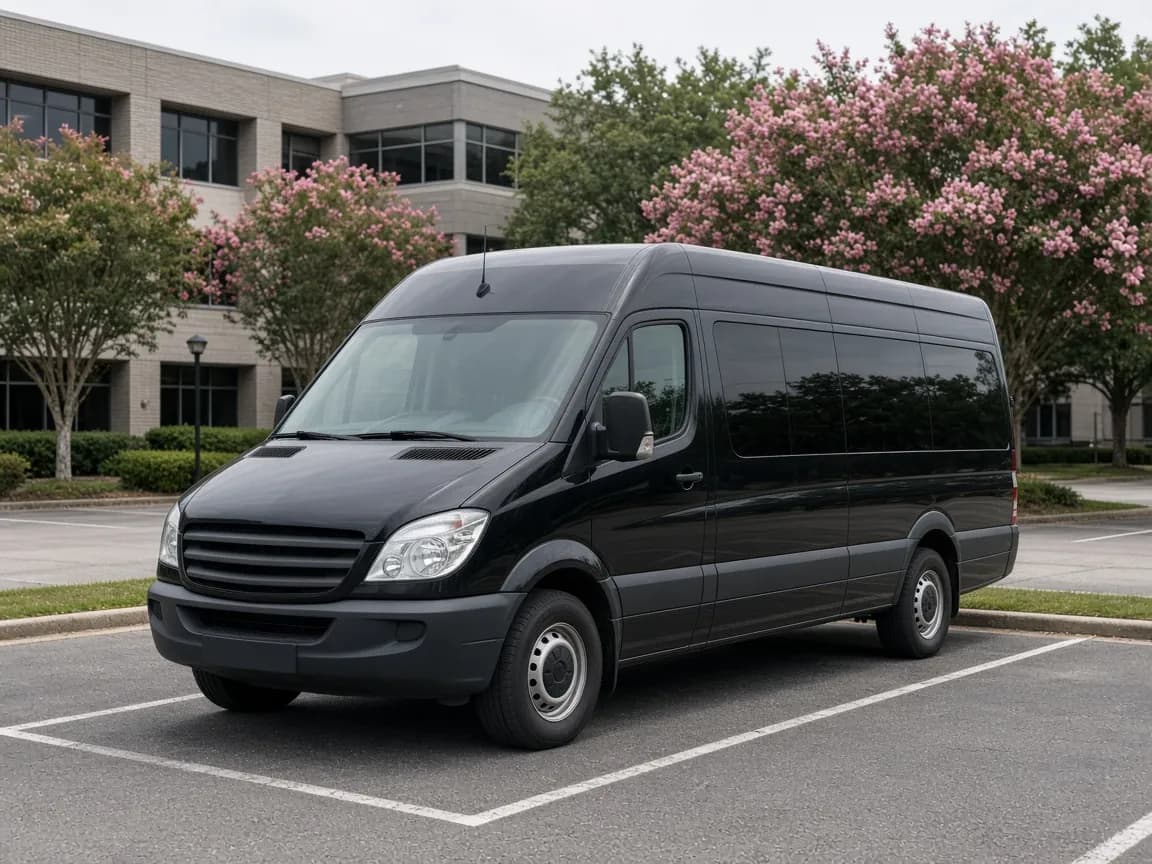
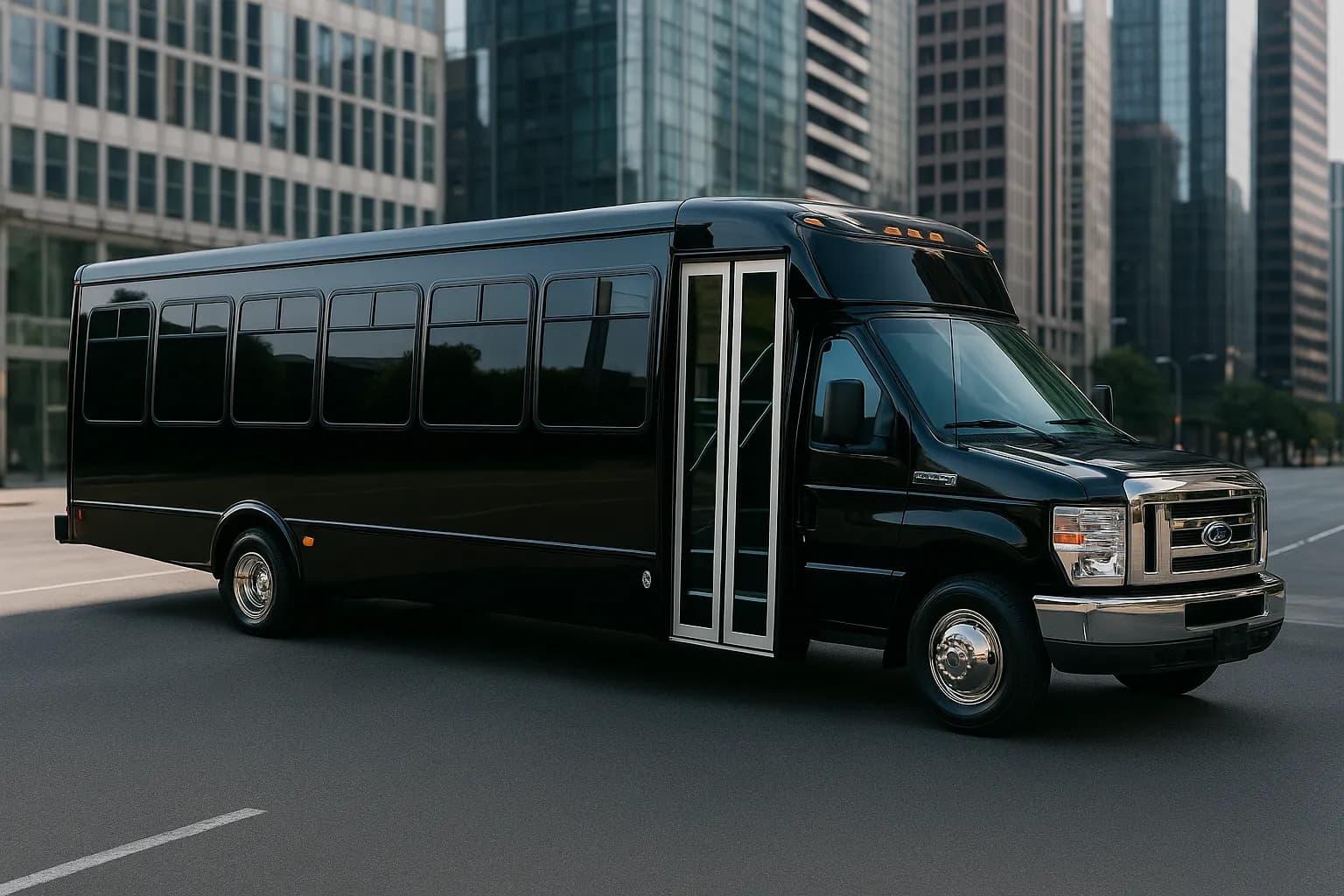
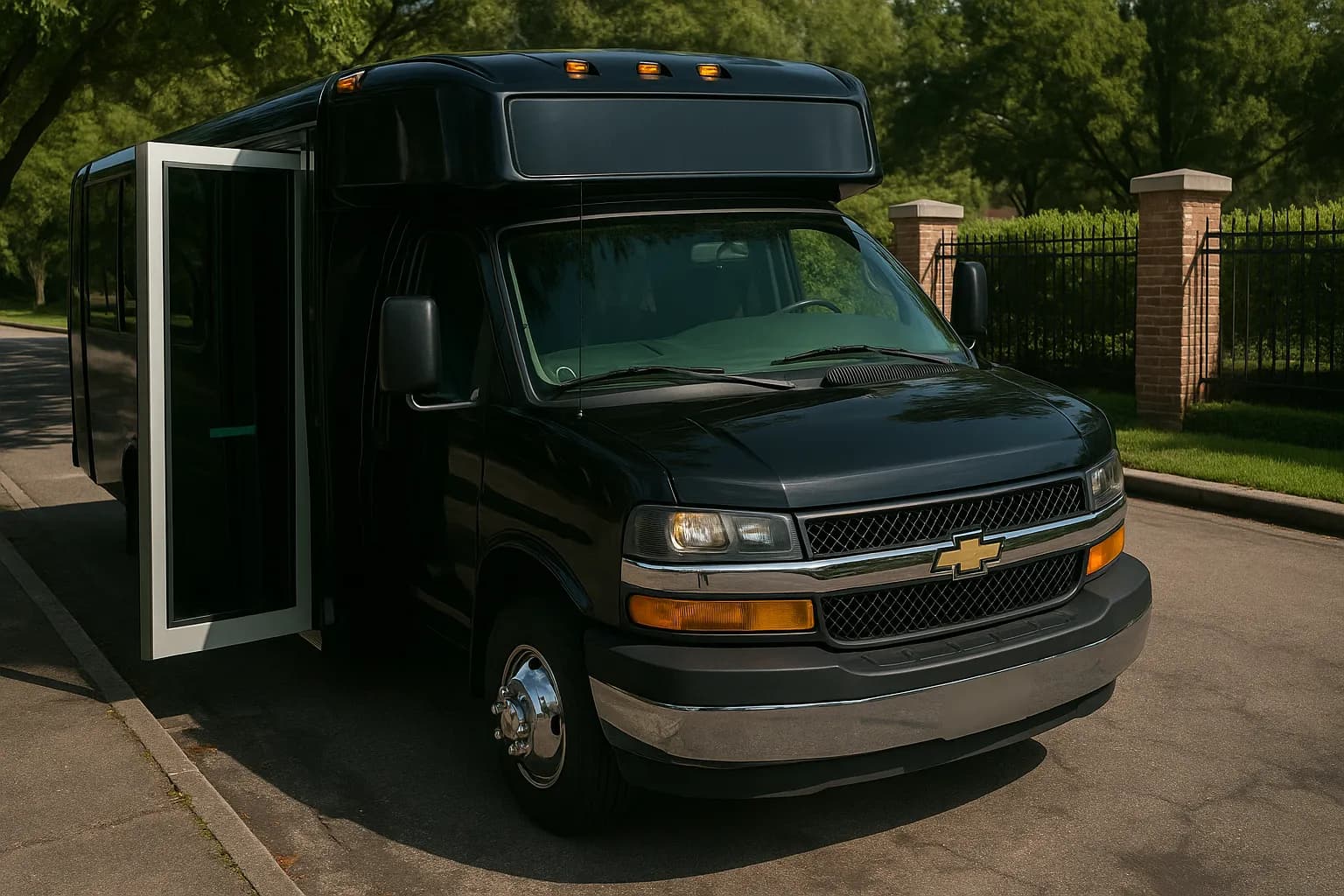
Drive times shape the vehicle too. A 14 passenger executive sprinter is far easier to stage at a downtown curb or an airport door than a full bus. For a group heading up to a concert at the Cynthia Woods Mitchell Pavilion, a 20 passenger party bus turns the long I-45 slog into part of the evening rather than a delay before it. For a work group shuttling between a hotel and a venue several times over, a 26 passenger shuttle bus with forward-facing seats is the unglamorous right answer. See airport transportation and sporting events for how those days usually get built.
Two stops, use this. Three or more, use the route planner and stop counting on your fingers.