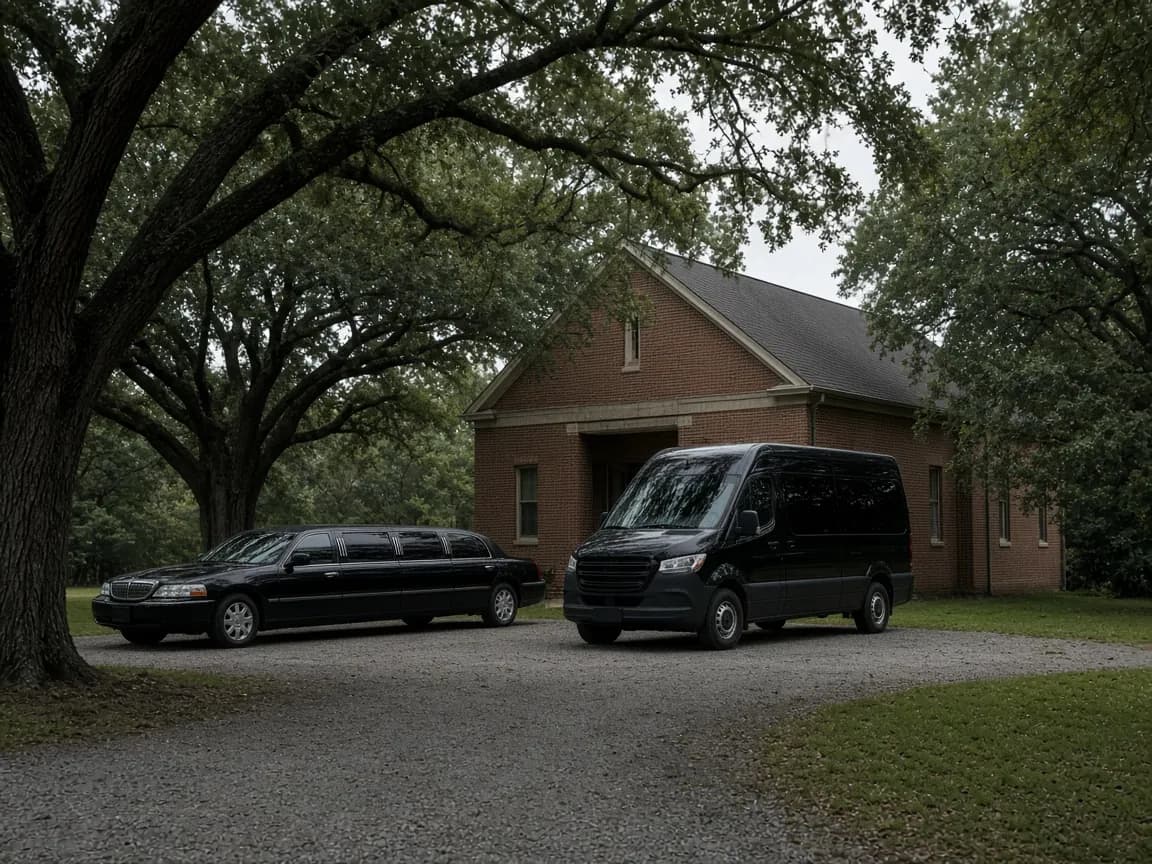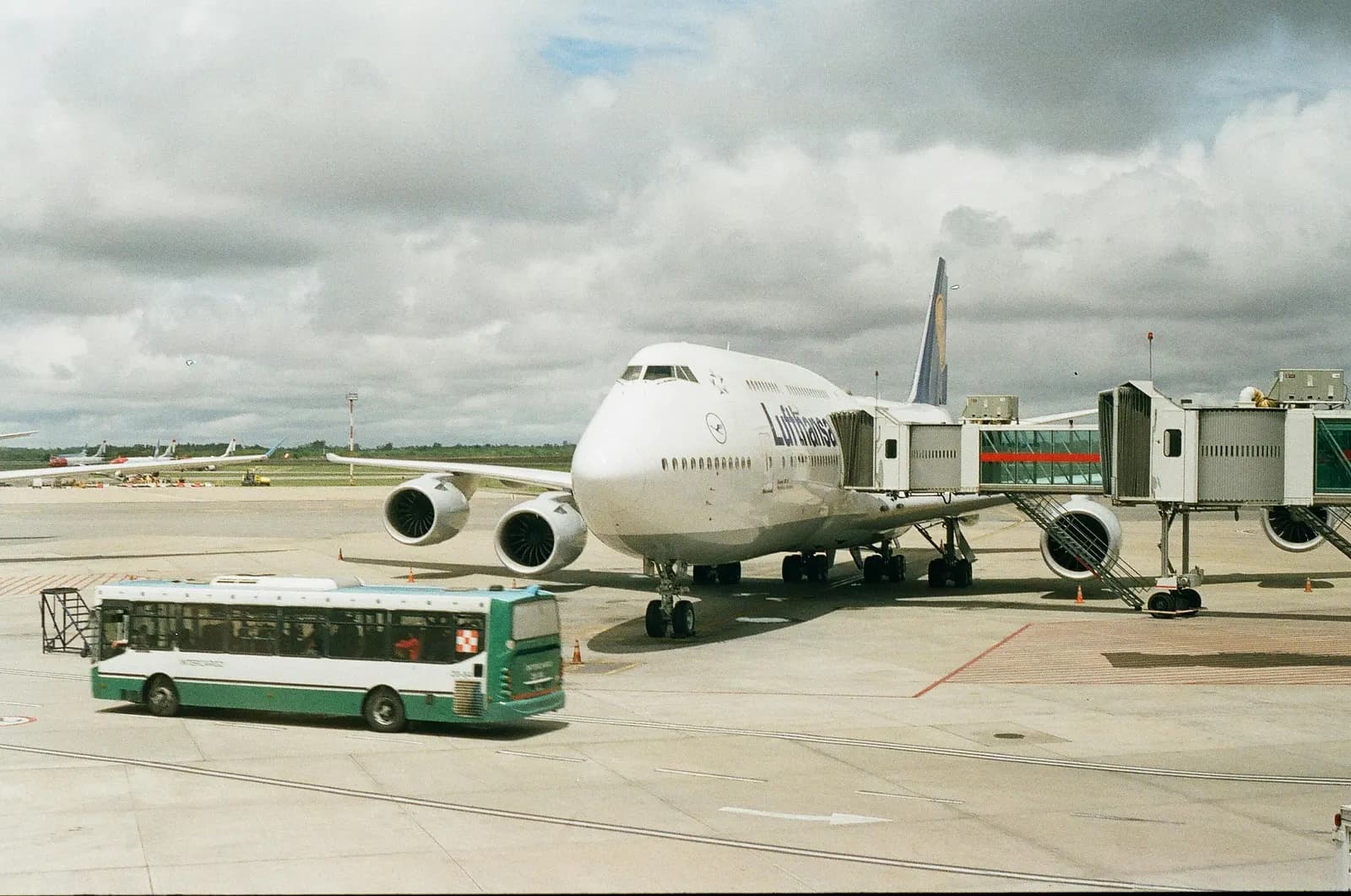
IAH or Hobby?
One of them is a small city. The other is an airport.
Bush Intercontinental sits about 23 miles north of downtown between I-45 and US-59, with five terminals lettered A through E, and most long-haul international arrivals land at Terminal E or the international arrivals building. Hobby is roughly 11 miles southeast off I-45 and Broadway, one terminal, one baggage hall. For a group that difference is the whole story: at Hobby you meet at the only place there is.
At IAH your people can land in three different terminals and every one of them will be certain they are in the right spot. Ask each traveler for the terminal, not just the airline, then name a single baggage claim and let the inter-terminal train do the walking. Ask when you book exactly where the driver meets you at each airport, because pre-arranged pickups are usually directed away from the general arrivals curb, and get the door or the lot named in your confirmation rather than just the terminal.
At IAH, "meet me at baggage claim" is not an address.
How do you count the luggage?
Seat counts assume nothing on anybody's lap.
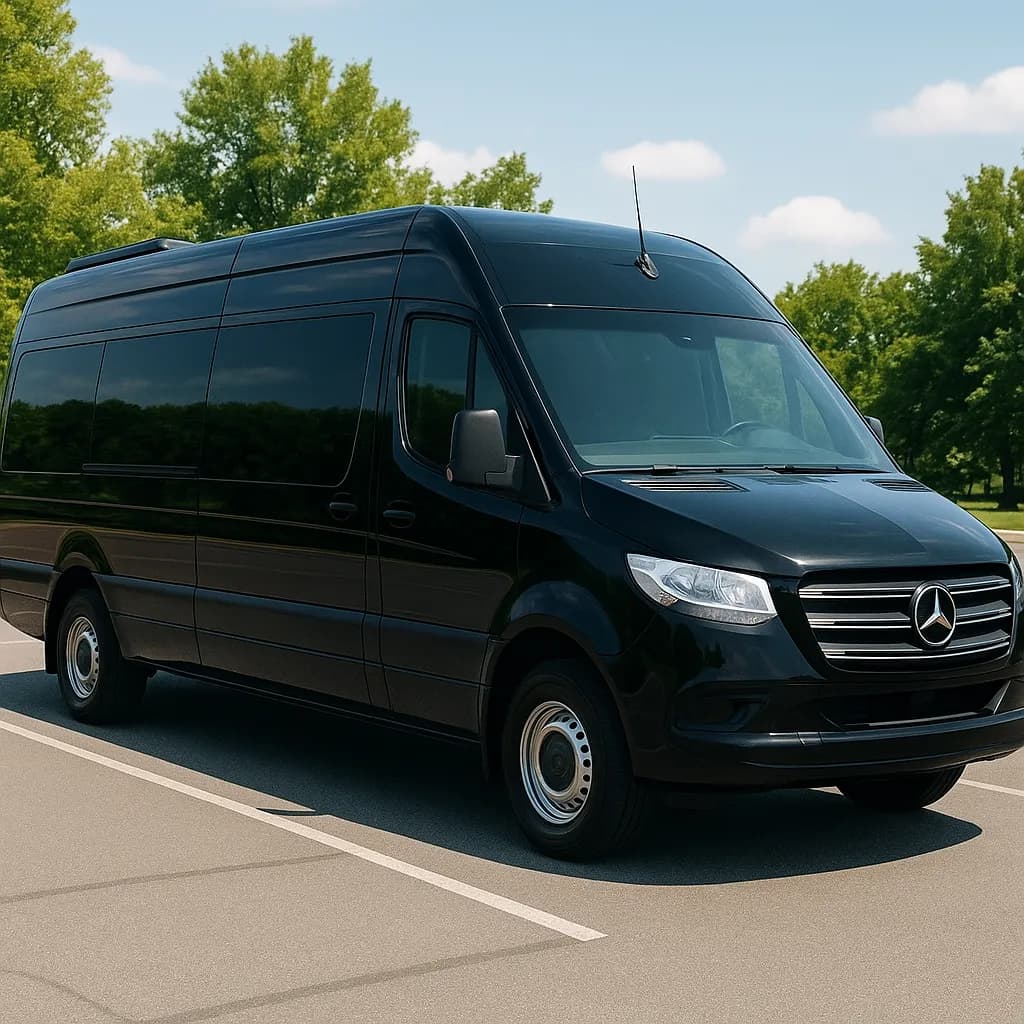
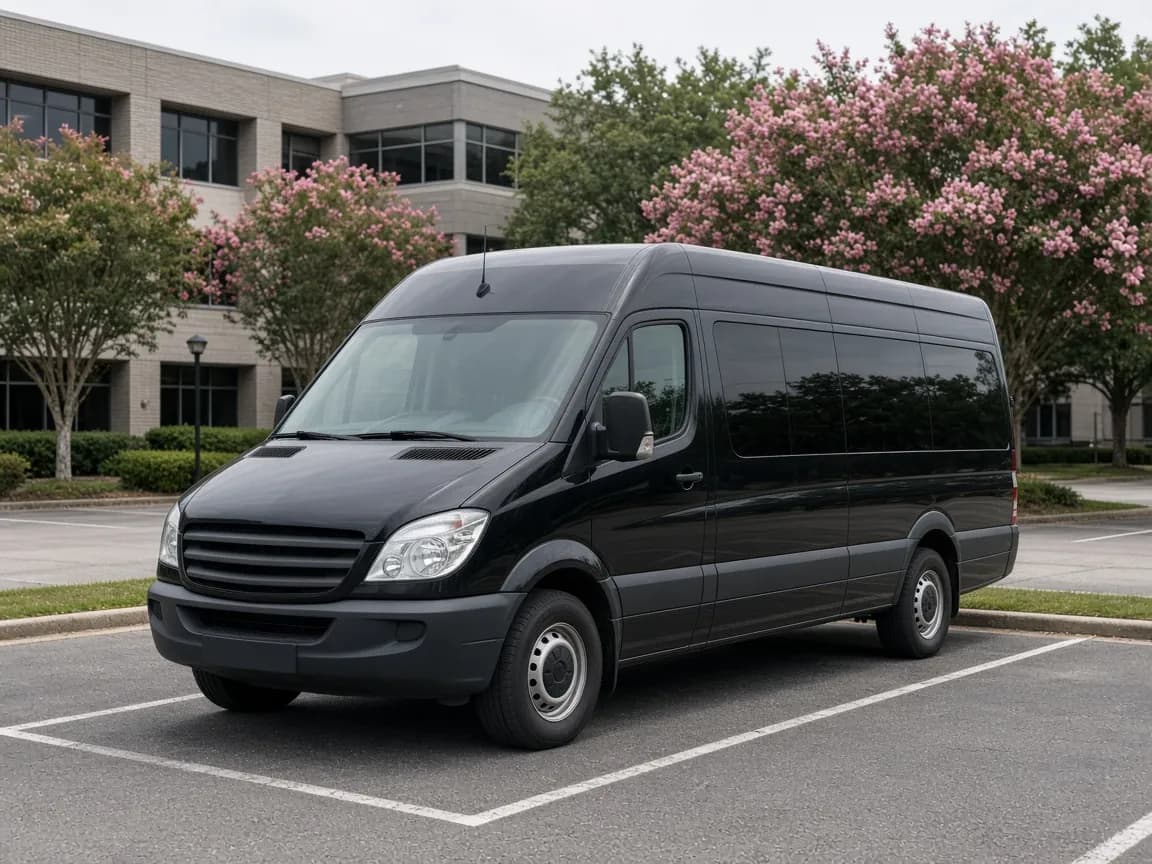
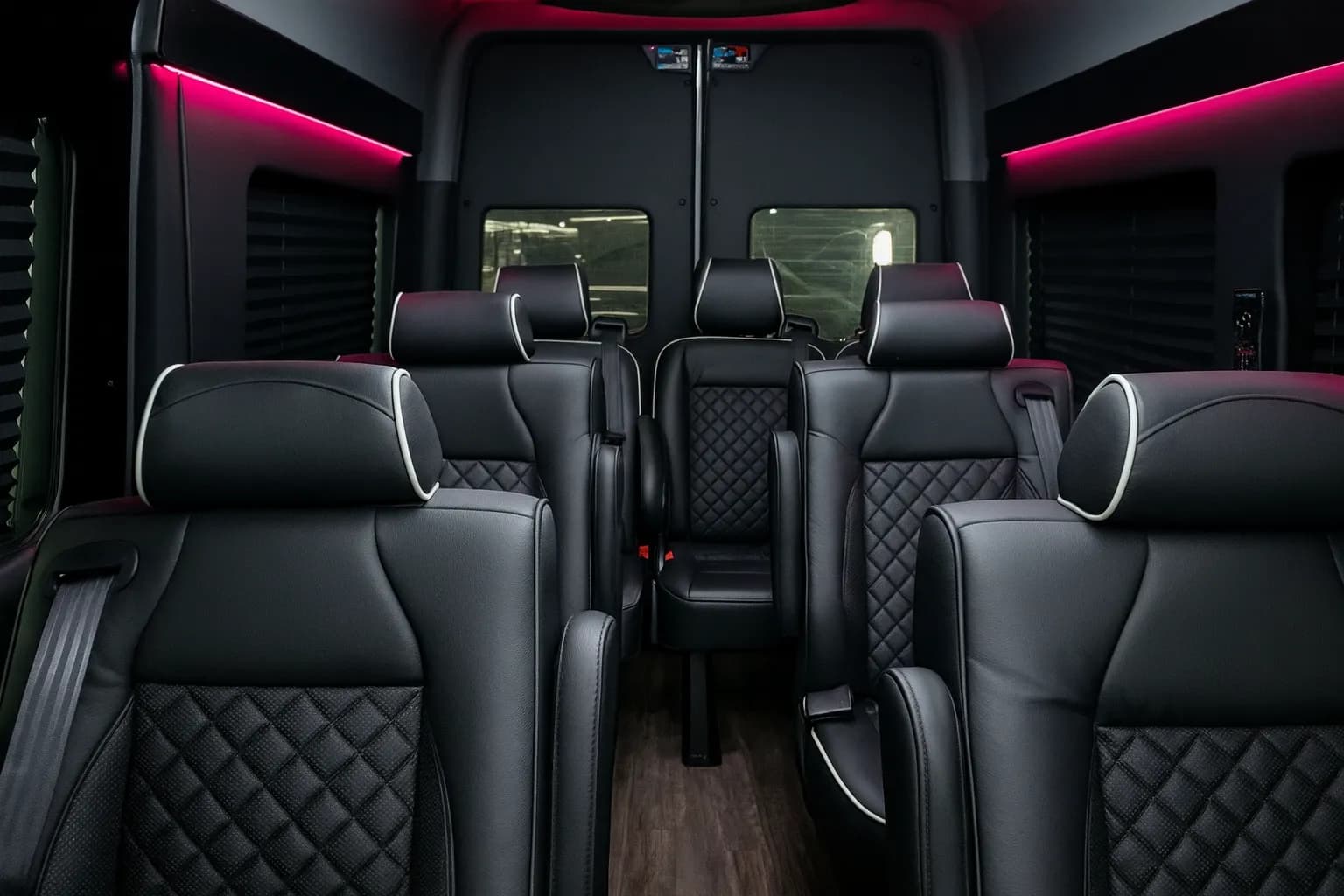
A traveler on a week-long trip shows up with a checked bag, a carry-on and a personal item, and in a sprinter those bags share the cabin or a rear compartment with everyone's knees. The rule that holds up in practice is to leave one seat empty for every two to three large suitcases. Ten travelers with ten checked bags belong in the 14 Passenger Executive Sprinter; six or seven with the same load are comfortable in the 10 Passenger Executive Sprinter.
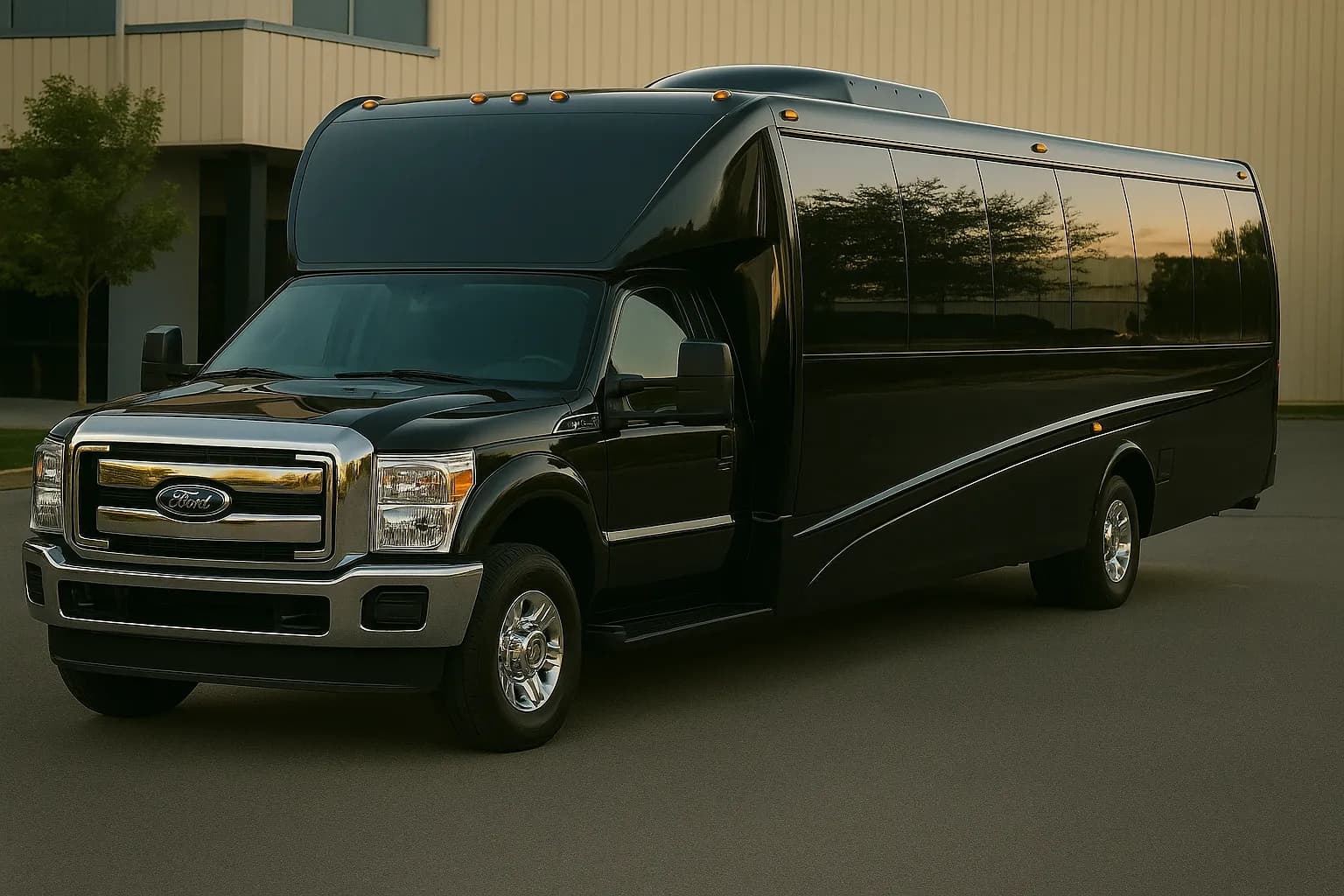
Our inquiry records match how small these groups usually are. Across all markets about 53% of inquiries mentioning a Sprinter van involved 1 to 10 passengers and about 45% involved 11 to 20, and in Houston about 31% of all requests with a group size on file were for ten or fewer. Fifteen to twenty-two people with luggage want the 24 Passenger Shuttle Bus instead, and a full tour group wants a coach with underfloor bays. The golf bags, the trade show cases, the stroller and the wheelchair all belong in the quote request, because none of them fit in the space a person was counted for. The capacity finder handles the seat side of it.
Flights slip. Then what?
Houston grows thunderstorms most afternoons from late spring into early fall, and a ground stop at IAH keeps rippling long after the sky clears.
There is no industry-standard answer to what happens next, so the useful move is to ask, and to have the answer sitting in your confirmation rather than in a phone call at nine at night.
- Does the pickup time follow live flight status or the scheduled arrival?
- When does waiting time start after landing, and is that different for an international arrival with customs still ahead of it?
- Who gets the call if a flight is cancelled and rebooked for the next morning?
- Does the driver come inside to baggage claim with a sign, or wait at the vehicle area?
- If two arrivals are an hour apart, does the vehicle wait for everyone or make two runs?
When should the departure pickup be?
Work backwards from the gate, then add fifteen minutes for the stairs.
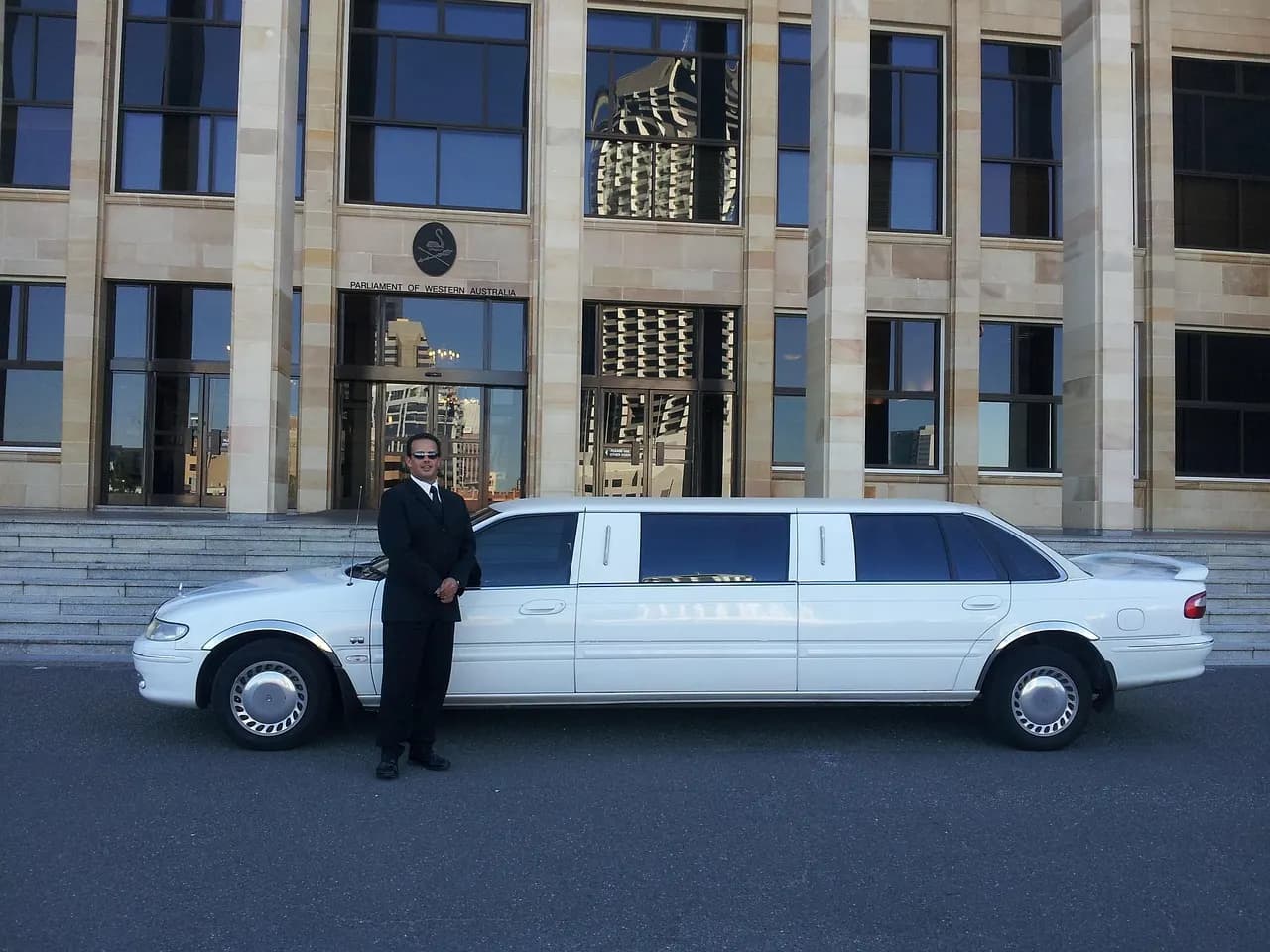
Most groups want two hours at the terminal for a domestic flight and two and a half to three for international. Then come the miles. Downtown or the Galleria to IAH typically runs 35 to 50 minutes, and the Energy Corridor or Sugar Land can take an hour or more. Hobby looks closer on a map, but from The Woodlands you are crossing the entire city, so 60 to 75 minutes is the honest number.
Mornings punish optimists. A 7 am departure out of IAH means a 4 am pickup on the west side, and inbound I-45 and the Hardy Toll Road thicken sharply between 6:30 and 9. Ten people also never come downstairs at once. The venue distance calculator gives a baseline for each leg, and the event timeline builder will put a multi-hotel pickup into a sensible order.
Nobody has ever stood in Terminal C wishing they had left later.
Is one vehicle cheaper than a pile of rideshares?
Four people with carry-ons should order the rideshare. That one is not close.
At eight or more with checked bags it changes shape. You are ordering three large cars at once, hoping they arrive together, and paying surge because the storm that delayed your flight delayed everyone else's too. A single pre-arranged vehicle costs more than one car and often less than three, and the whole party walks in at the same moment, which is the part that matters when a dinner, a ship or a meeting is waiting on you.
Sprinter vans are a modest slice of what Houston asks about, roughly 7% of inquiries here that named a vehicle, against about 12% across all markets. Among sprinter inquiries nationally with a historical quote attached, about 46% fell in the $1,000 to $1,499 band, though most of those were multi-hour event bookings rather than a run to the airport. Those are past quotes and not prices. A transfer gets quoted on the date, the vehicle, the distance and any waiting time, and once you have that number the group split calculator turns it into a per-traveler figure.
Who actually books these?
Almost nobody books an airport transfer for its own sake.
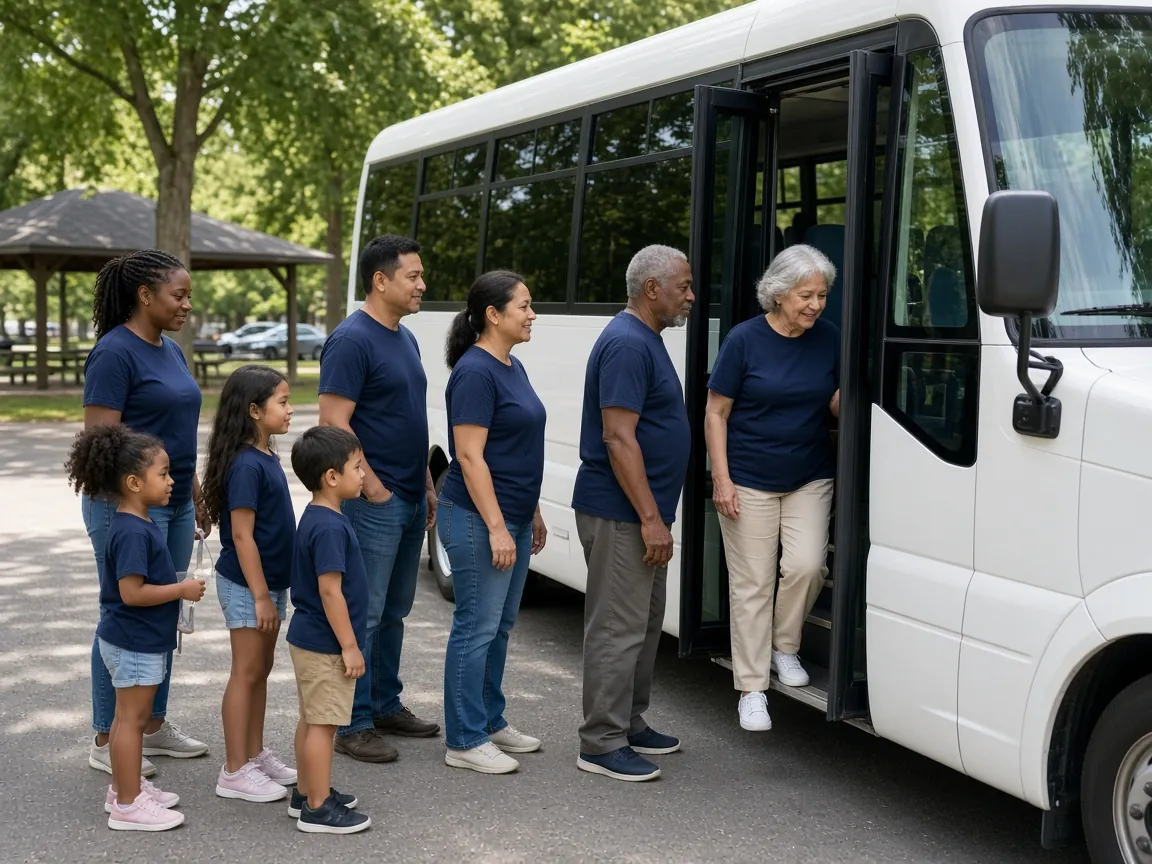
It is wedding guests heading for a hotel block, a project team flying in for a plant turnaround, a family bound for the cruise terminal in Galveston, which sits roughly 70 miles from IAH and 40 from Hobby. The transfer is the first leg of something larger, which is why the details worth nailing down are the ones about what comes next. If yours is part of a bigger program, corporate events covers standby and multi-day planning, and convention shuttles covers arrivals feeding a show downtown.
The ride from Hobby is only the first leg. The ship in Galveston is why it has to be on time.
Sample arrival: 11 wedding guests, Hobby to a Galveston hotel
One way in a 14 passenger executive sprinter, with two flights landing 35 minutes apart.
1:20 pm
First flight touches down at Hobby with six guests. Both flight numbers went to the dispatcher days ago, so nobody is guessing.
1:55 pm
The second flight lands with five more. Group one is already parked at the agreed carousel, mildly smug about it.
2:20 pm
All eleven have their bags. The driver meets them and walks the group out to the pre-arranged vehicle area.
2:35 pm
Loaded, suitcases in the rear, two garment bags laid flat across an empty seat. South on I-45.
3:25 pm
Over the causeway onto the island. Typically 45 to 55 minutes from Hobby outside rush hour.
3:35 pm
Drop at the Seawall hotel, two hours clear of the welcome dinner.