What it covers
Six or seven items to a group, and each group has a different job.
"Before You Board" is coordination: the pickup time and place confirmed, a head count taken, someone named as the point of contact, the driver's number saved, emergency contacts collected. "During the Ride" is the moving vehicle: seated while it moves, the driver left alone to drive, the volume at a level a person can work in. "What to Bring" and "Etiquette" handle the small things that ruin evenings anyway, ID, chargers, cash for covers, a light jacket, cleaning up after yourselves, and checking whether gratuity was already in the quote.
Tap an item and it strikes through. The bar at the top keeps a percentage, and at 100 a short confirmation appears. None of it goes anywhere, and a reload wipes the ticks. This is a run-through for one person, not a record anyone can hold you to.
Who runs it, and when
The organizer. Two days out. Group chat open.
Several items need someone else to answer them first, and two days leaves room to chase. Emergency contacts have to be asked for. The point of contact has to agree to it. Whether anyone is under 21 is a question, not an assumption. Then the evening before, send the "During the Ride" and "Etiquette" items to everyone, because those are about how people behave rather than what the organizer arranged.
Counting heads is the item that gets harder as the group grows. About 49% of Houston inquiries with a group size on file were for 11 to 20 passengers, which one person can count from the door without much trouble. About 13% were for 21 to 30, and at that size a single counter will get it wrong at the third stop: one person at the door, one walking the back. For trips with guests under 21, the drink rules for the trip are settled when you book, and for school events the school sets its own rules for how students arrive.
Every group loses somebody at stop three. Two counters, not one.
What it leaves out
The list is strong on conduct and packing, and it does ask you to count passengers, but it never once looks at the plan itself. Five things to settle before the last box gets ticked:
- Capacity. Your confirmed headcount is at or under the listed capacity of the vehicle you were quoted, with nobody planning to squeeze in two more. The capacity finder shows what fits.
- Route. Every stop and the final drop-off written down, with drive times somebody has actually looked at. The event timeline builder lays it out in clock time.
- Written terms. Date, pickup time, vehicle, total hours, stops, total price, and what extra time costs, all of it in writing.
- Allowed items. Anything you plan to bring aboard, decorations included, cleared for that vehicle first.
- Getting home. Everyone has a way home from the last drop-off, and somebody has thought about what happens if one person needs to leave early.
The Houston parts it misses
Heat is the local hazard and the list barely mentions it.
From May through September, a group standing on a sidewalk after a concert or a stadium event can be in 90-degree air well after dark, in clothes chosen for a cooler evening than the one they got. Water on board, at least a bottle each, and pickup points with shade or somewhere indoors to wait. The weather checker shows what your month typically does.
Long nights deserve their own thinking. About 34% of Houston inquiries with a requested duration asked for five to six hours and about 11% for seven to eight. On a night that long, a food stop stops being a luxury, a phone charger stops being optional, and someone should already know who makes the call if a person is unwell. For a 30-person graduation party on a 30 passenger party bus, that looks like a restaurant stop in the middle and two named counters at every reboarding.
Picking a vehicle with this in mind
How your group will ride matters more than how it looks in the photos.
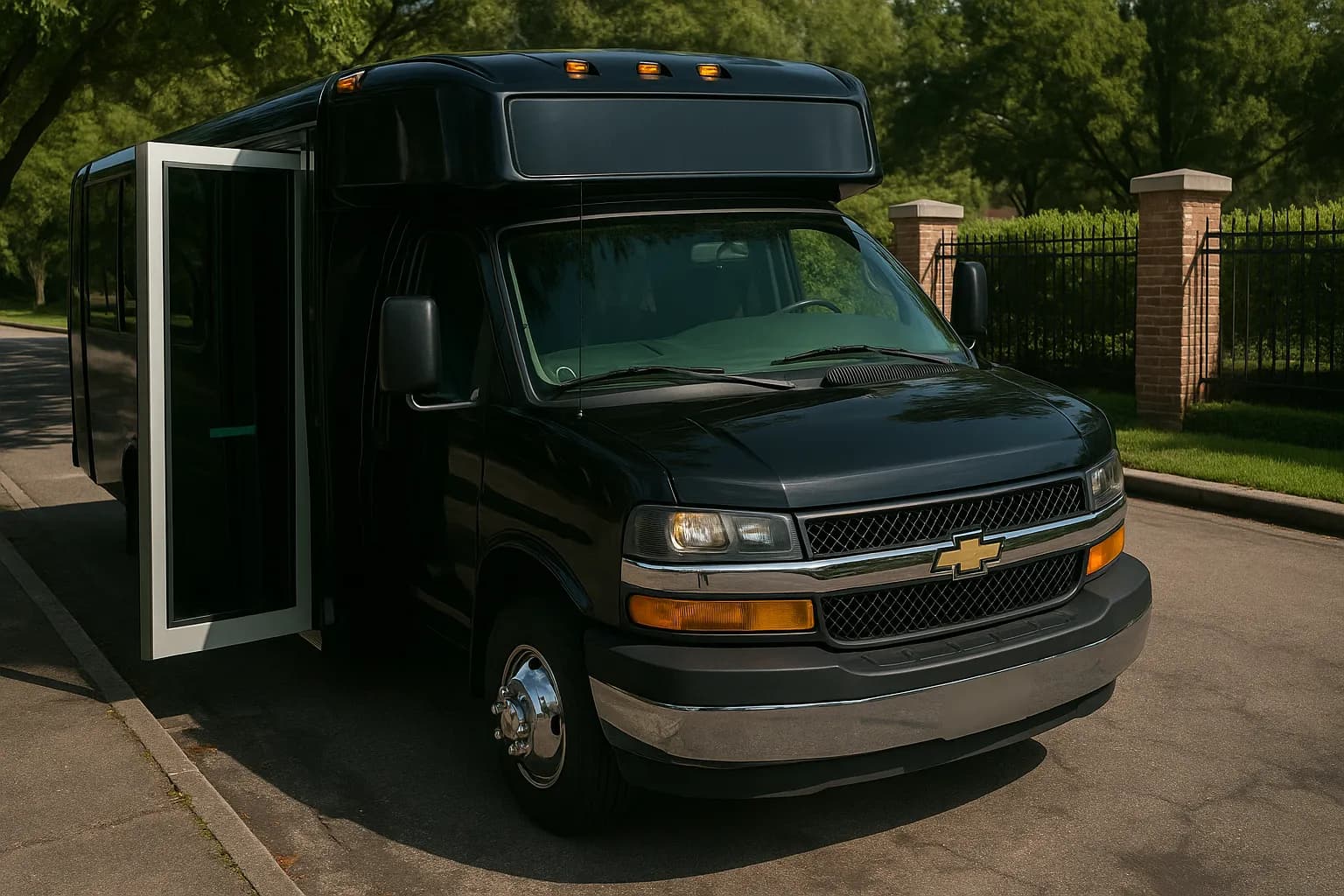
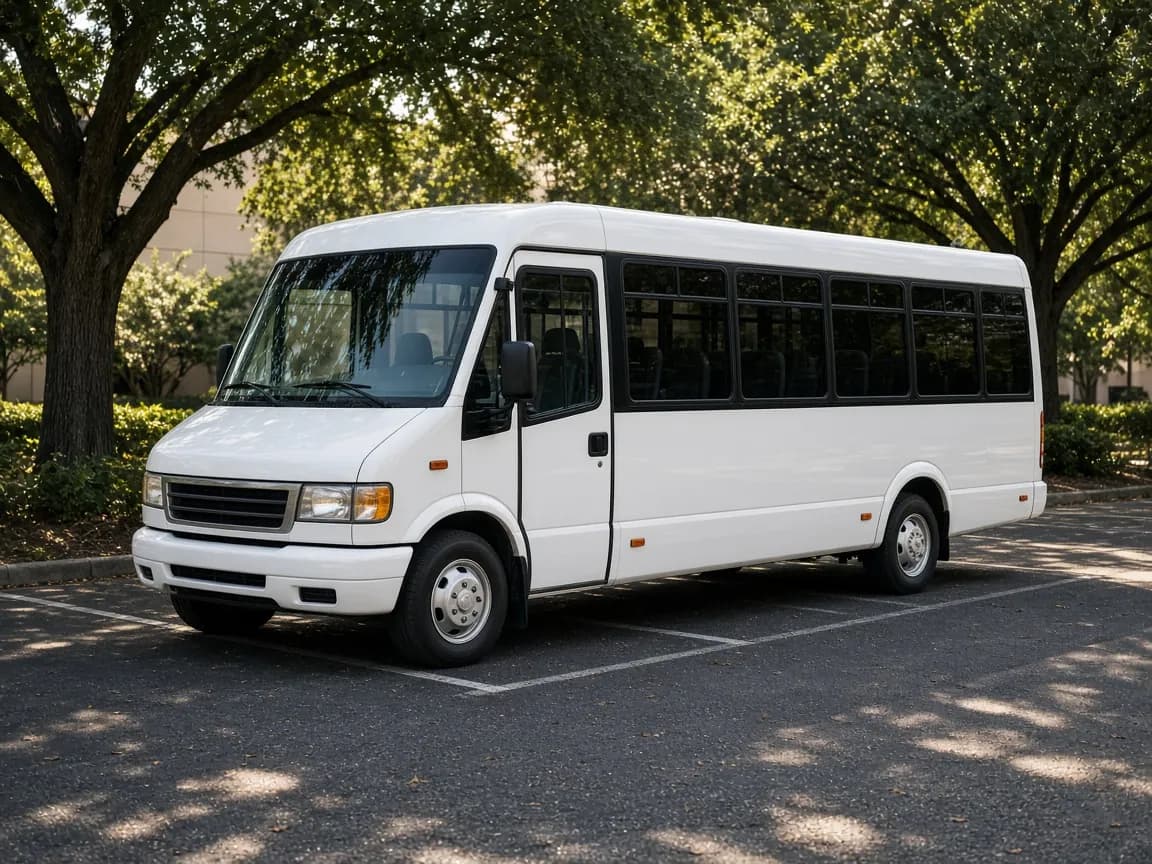
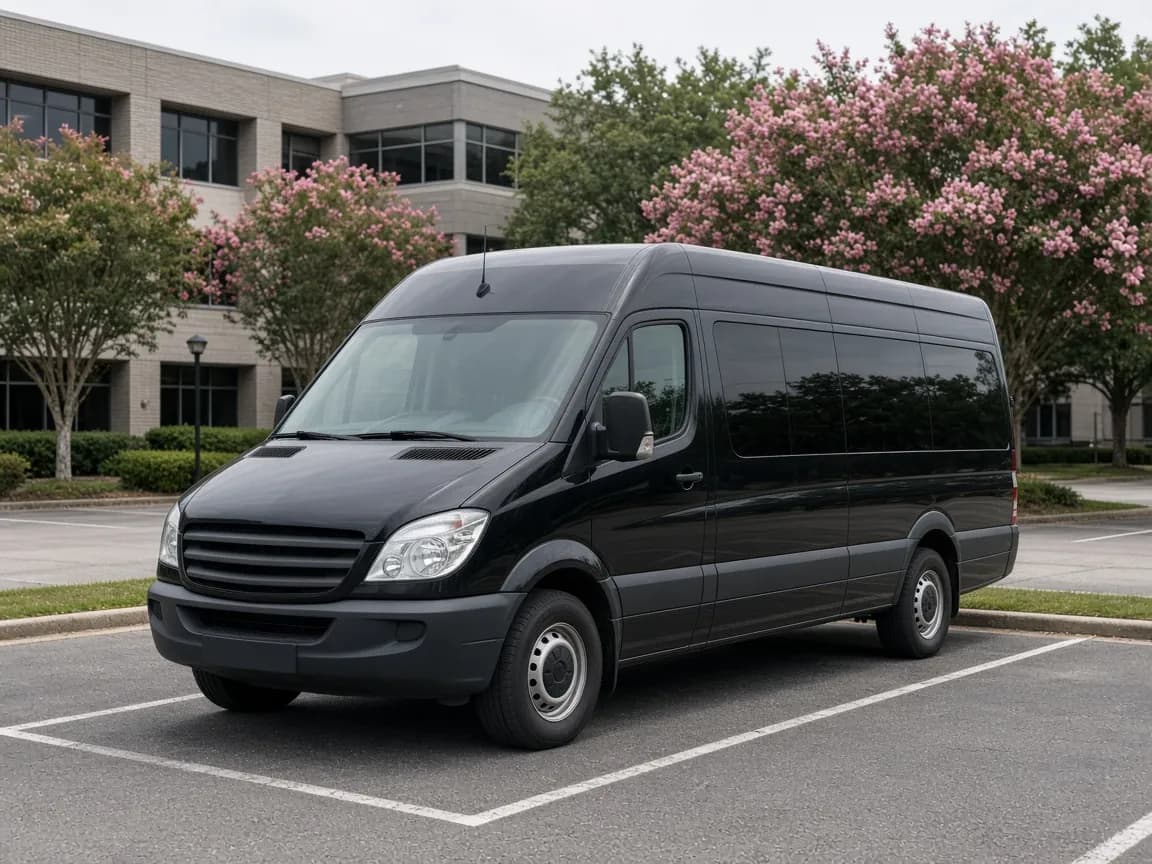
A group that stands and moves around wants a party bus with rails and open floor, something like the 20 passenger party bus, with everyone sitting down once you are on a highway. A group that should stay in its seats the whole way, a school outing or a church trip, is better served by the forward-facing rows on a 36 passenger shuttle bus. Small executive groups and airport runs suit a 14 passenger executive sprinter, where everyone is belted and nobody is wandering.
For the questions worth asking any transportation company before money changes hands, our safety guide has the list. For what physically goes in the bag, use the packing checklist. Nights with younger riders, graduation parties included, go better when one adult is the contact and the driver has that number.
The checklist covers the night. Nobody checks the plan but you.