Does anyone actually need the shuttle?
Fewer people than your registration list suggests.
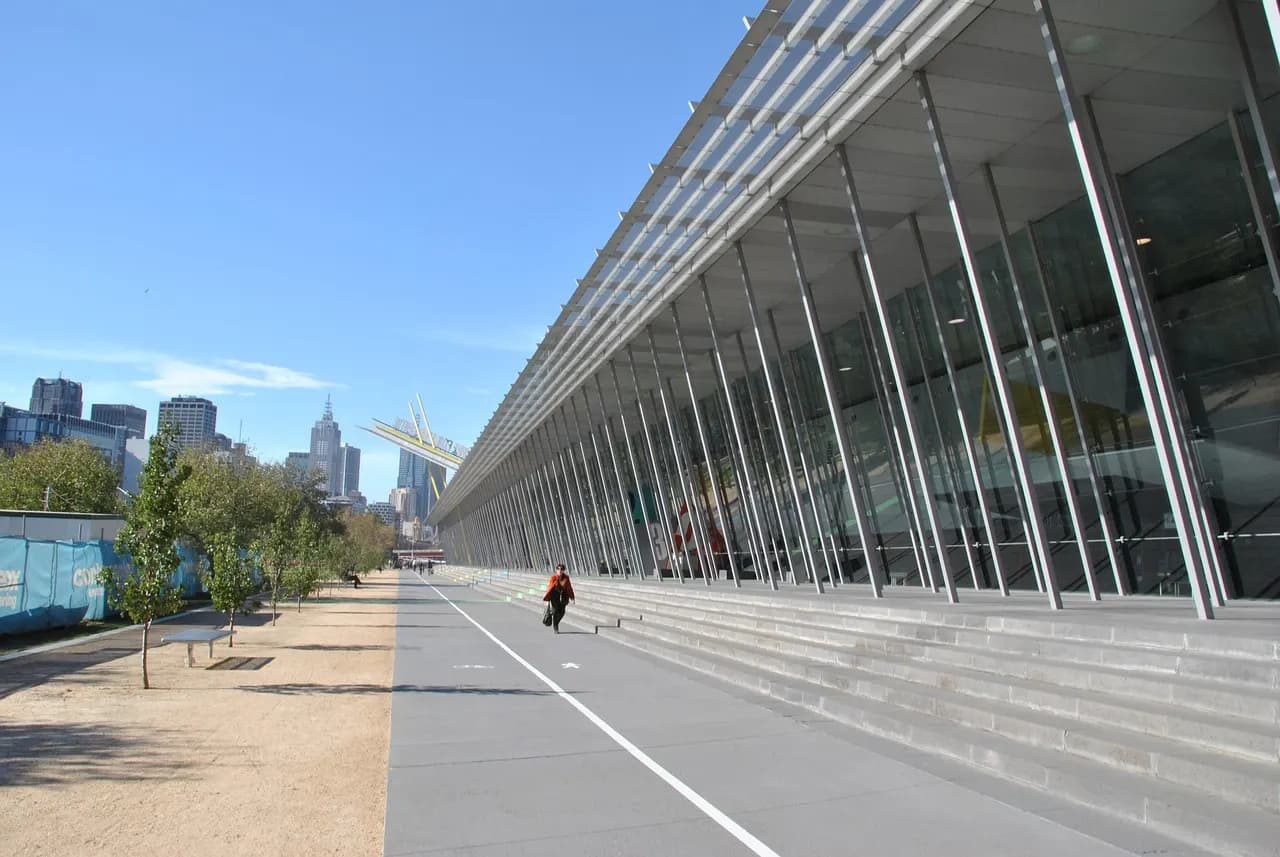
The George R. Brown sits on Avenida de las Americas on the east edge of downtown, facing Discovery Green, with large headquarters hotels connected or right beside it. Anybody sleeping within about half a mile is going to walk, and money spent on those blocks buys empty buses circling in August heat.
The need starts where your room block spills outward. Overflow hotels in the Galleria and Uptown run 20 to 35 minutes on US-59, longer in the morning peak. Medical Center properties are closer to 15 or 25. Anything by Hobby or Bush Intercontinental is its own conversation. A show at NRG Center flips the whole map, with attendees riding south to Kirby Drive instead. Put your blocks into the route planner before you decide which hotel earns a stop.
A Galleria stop nobody rides still costs you a coach.
How many buses for the loop?
The arithmetic is plain, and it takes about two minutes.
Round-trip time, loading included, divided by the interval you want to publish, gives you the vehicles in rotation. Sixty minutes on a 15-minute headway needs four. Forty minutes on a 20-minute headway needs two. Then check the seats against the peak: 300 people trying to arrive between 7:30 and 8:30, at 56 seats a departure and four departures an hour, leaves 76 of them standing on a sidewalk.
Ridership always lands under registration. Locals drive in, exhibitors keep their own hours, and the 8 am session is optional for more people than the program admits. Last year's organizer knows the real share, and the hotels can give you pickup counts against your block. Midday you can drop to one vehicle on a long interval, because between roughly 10 and 3 the building barely breathes.
- Round-trip minutes divided by interval minutes equals vehicles in rotation.
- Peak-hour riders divided by seats per departure tells you whether that rotation is enough.
- One spare vehicle or driver on opening morning is cheap insurance against a bad first impression.
Coach, shuttle bus, or both?
Coaches carry the peaks. Everything else fills the gaps.
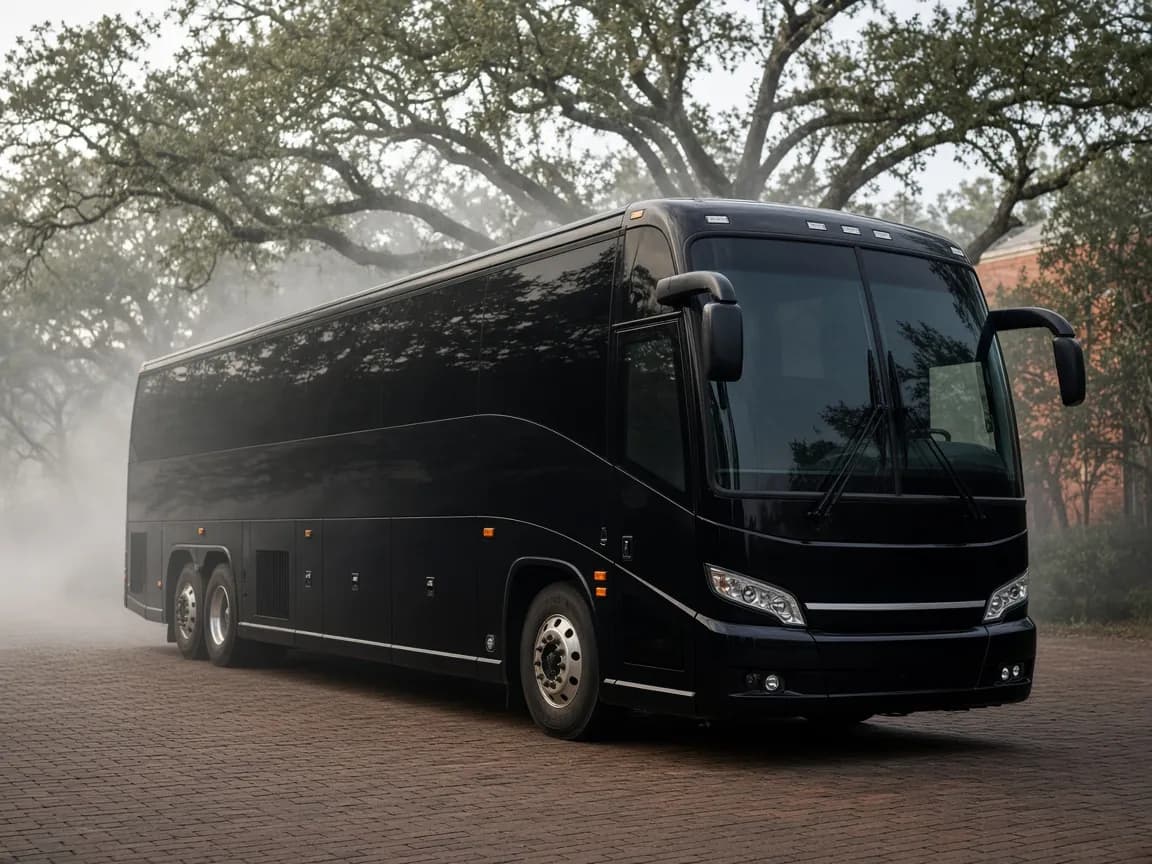
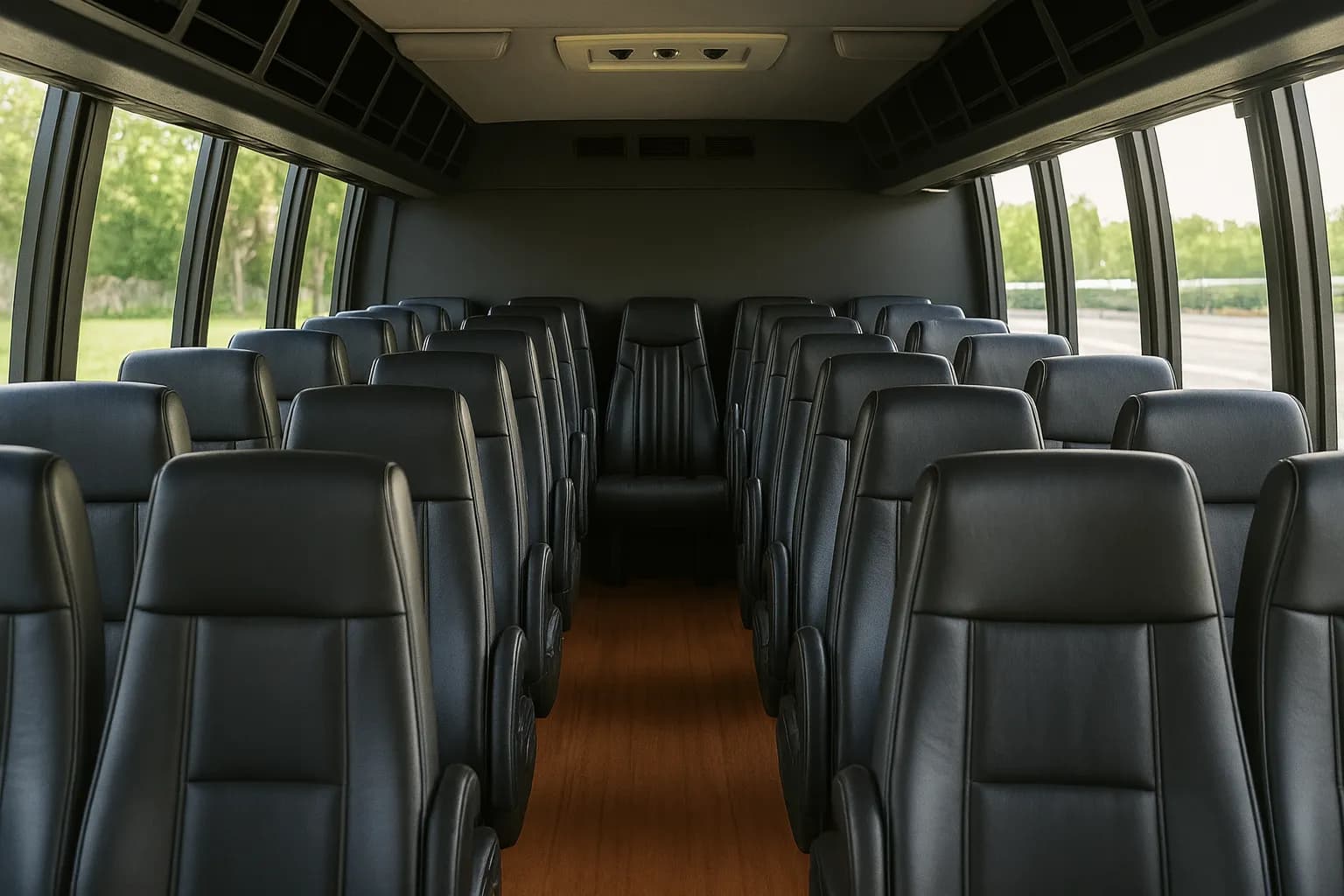
Across all the markets in our inquiry records, about 24% of requests mentioning a coach bus were for 41 to 50 passengers and about 13% were for 51 to 75, which is the working range of the 56 Passenger Coach Bus. Coaches also carry bags underneath, and that stops mattering to nobody on the final morning when half your riders check out before the closing session.
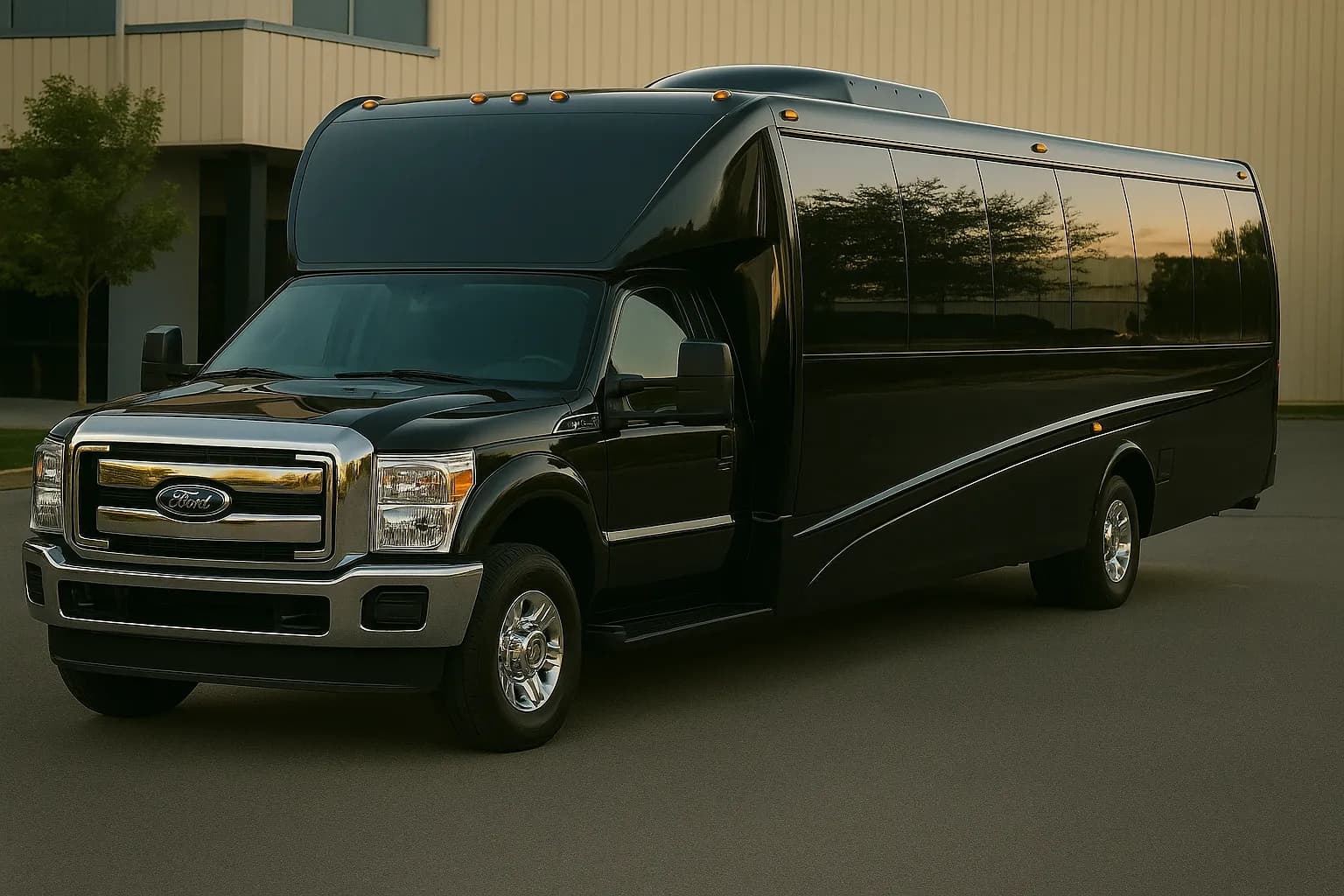
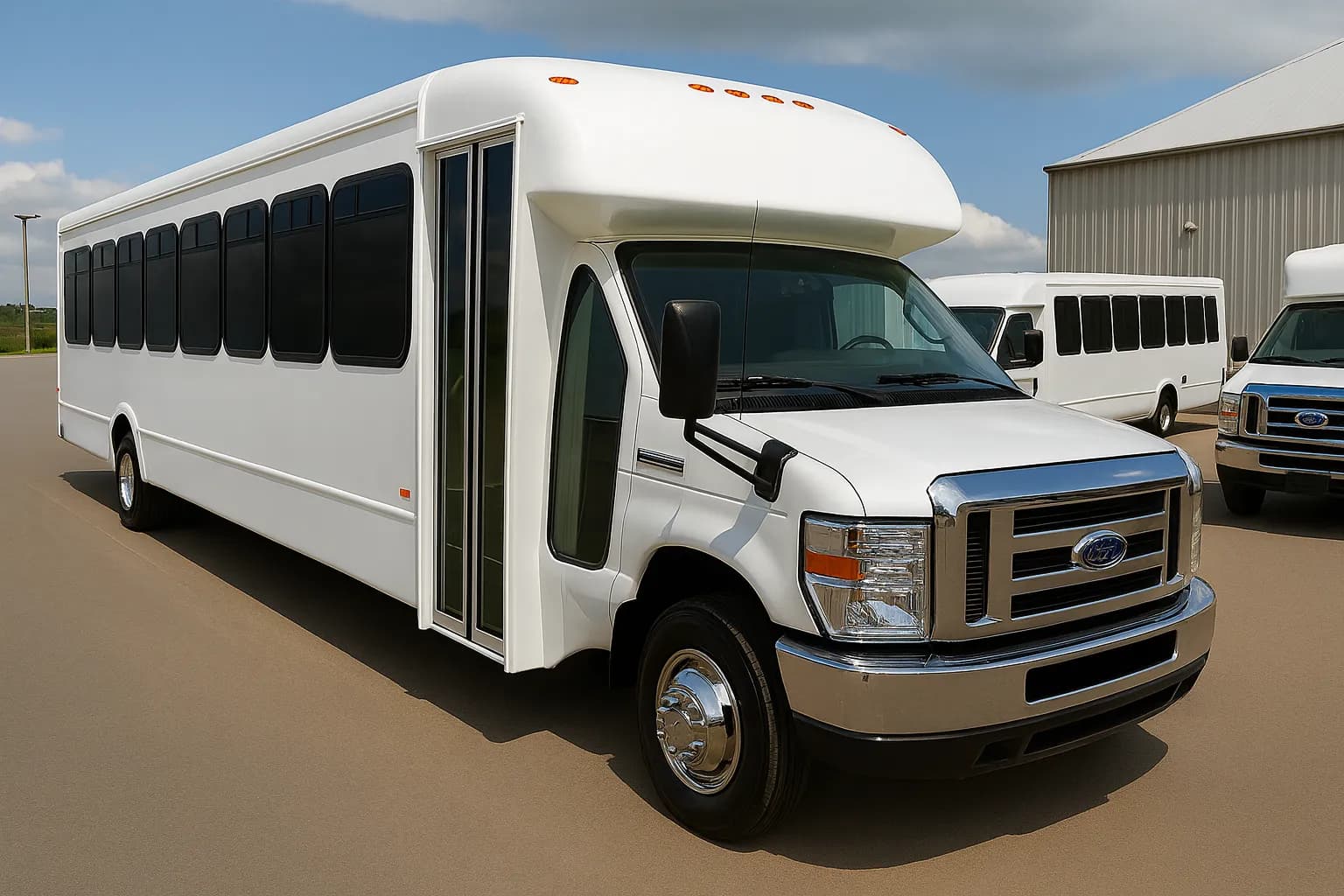
Smaller vehicles belong on the thin routes and the slow hours. About 34% of shuttle inquiries in those same records were for 21 to 30 riders and about 14% were for 31 to 40. A 24 Passenger Shuttle Bus handles a lightly booked overflow property or a speaker run, and a 46 Passenger Shuttle Bus is a sensible midday workhorse. The capacity finder lists everything in between.
Who is standing at the curb?
Curb space breaks more convention shuttles than traffic does.
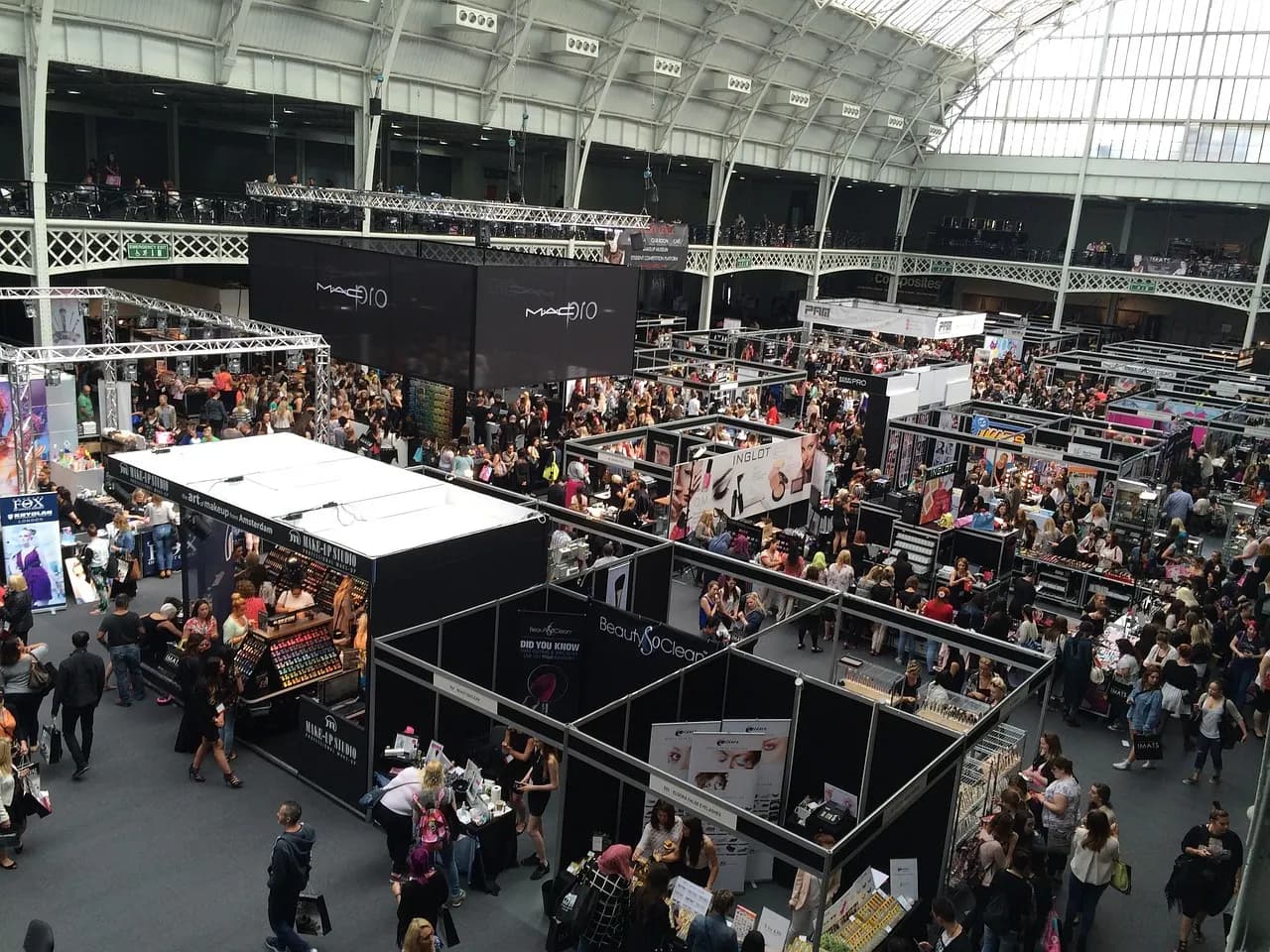
Ask the convention center's event manager which doors and lanes belong to your show, and whether another event shares the building that week. Then ask every hotel the same thing. Some downtown properties have a motor court a coach can swing through. Others load on the street and need to cone off space, which somebody has to actually do at 6 am.
During the peaks, put a person out there. A volunteer in a bright vest with the dispatcher in a group chat catches the bus loading at the wrong door and the line building at hotel three while a coach leaves hotel one empty. Sign every stop with the route name, the interval, and the time of the last departure. People will wait patiently for twenty minutes. They will never forgive missing the final bus because nobody wrote down when it left.
Attendees will wait twenty minutes at the curb. They will not forgive an unposted last departure.
What goes on the one-page grid?
Routes down the side, hours across the top, vehicle counts in the cells.
Add the dispatcher's mobile number and the name of your on-site lead, then give it to the hotel front desks, registration, the app, and the printed program. Evening movements get their own lines. A reception in EaDo and a dinner in Montrose are separate operations with separate last buses, and treating them as an afterthought is how forty people end up ordering rides at 10 pm.
Convention days stretch. Only about 3% of the inquiries in our national records asked for 9 to 12 hours, so a 14-hour service day is genuinely unusual, and it is fair to ask how driver shifts and breaks will be covered across it. Put the answer in writing with everything else.
What have shuttle quotes looked like?
Rough context, offered as history rather than as a number you can budget against.
Among inquiries that mentioned a shuttle and carried a historical quote, about 32% fell in the $1,000 to $1,499 band. Those are mostly single-day, single-vehicle requests from a lot of different cities, so they describe past quotes and nothing current. A multi-vehicle program across several days gets priced as its own project, on dates, vehicle classes, service hours, and routes. Our corporate events guide covers what belongs in the written quote, and airport transportation handles the arrival-day transfers from IAH and Hobby.
Sample service day: 600-room block, Uptown hotels to the George R. Brown
Three Galleria-area hotels feeding one downtown loop on a single show day.
6:15 am
Four coaches stage near the first Uptown hotel. Radio checks done, curb volunteer in position at the convention center.
6:45 am
First departure. Three-hotel loop, then US-59 inbound, about 25 to 35 minutes to Avenida de las Americas at this hour.
7:30 am
Peak. Interval tightens to every 12 to 15 minutes and a fifth vehicle runs the largest hotel direct.
9:45 am
Keynote has started and the lobbies are empty. Down to one 46 passenger shuttle bus on a 40-minute interval.
3:30 pm
Coaches back in rotation for the outbound rush. Last departure time posted at the hall doors.
6:30 pm
Two coaches peel off for the reception in EaDo, five minutes away, which is its own little operation.
9:30 pm
Final reception bus back to Uptown. Ridership by route goes to the organizer, and tomorrow gets adjusted.