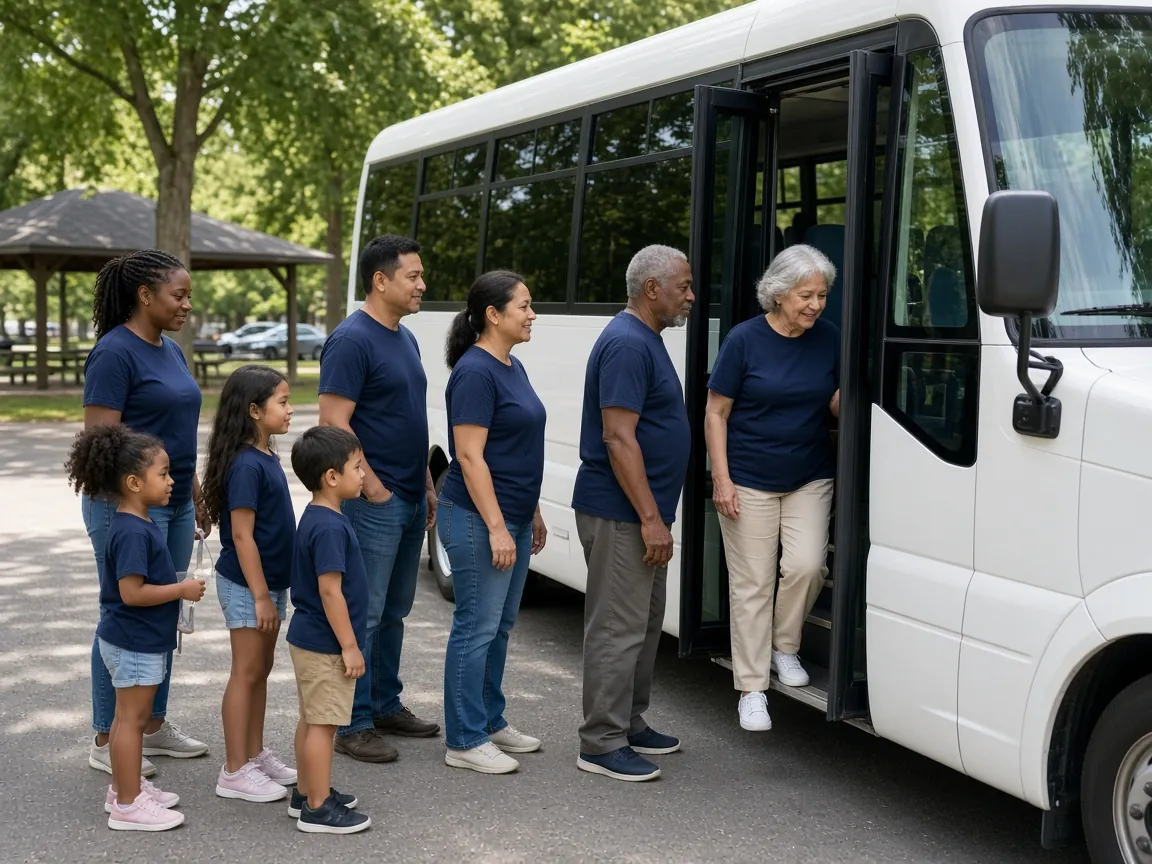
Why charter when the district has yellow buses?
Yellow buses are the first choice and usually the least expensive. They are also on a schedule that has nothing to do with your trip.
In most Houston-area districts a bus on a field trip has to be back for the afternoon route, which can mean leaving a museum at one o'clock with half the exhibits unseen. Anything longer, farther, overnight or on a weekend is where a charter makes sense: a full day at Space Center Houston, a run to the Capitol in Austin, a band or robotics competition out of town, a senior class outing.
Private and charter schools without a fleet hire for nearly everything, but the planning is identical. The school decides what it requires, and the teacher's real job is collecting proof that the vehicle and operator meet it.
Finding a bus takes an afternoon. Approval takes a month.
What will the district want to see?
Start at the front office, not with a bus company. Ask the principal's secretary or the transportation department for the written policy on chartered vehicles, since many districts keep an approved vendor list, require purchase orders and set lead times in weeks. Then carry those requirements to the provider, roughly in this order.
- Which motor carrier operates the trip, and can it send its operating authority number and proof of coverage straight to the school?
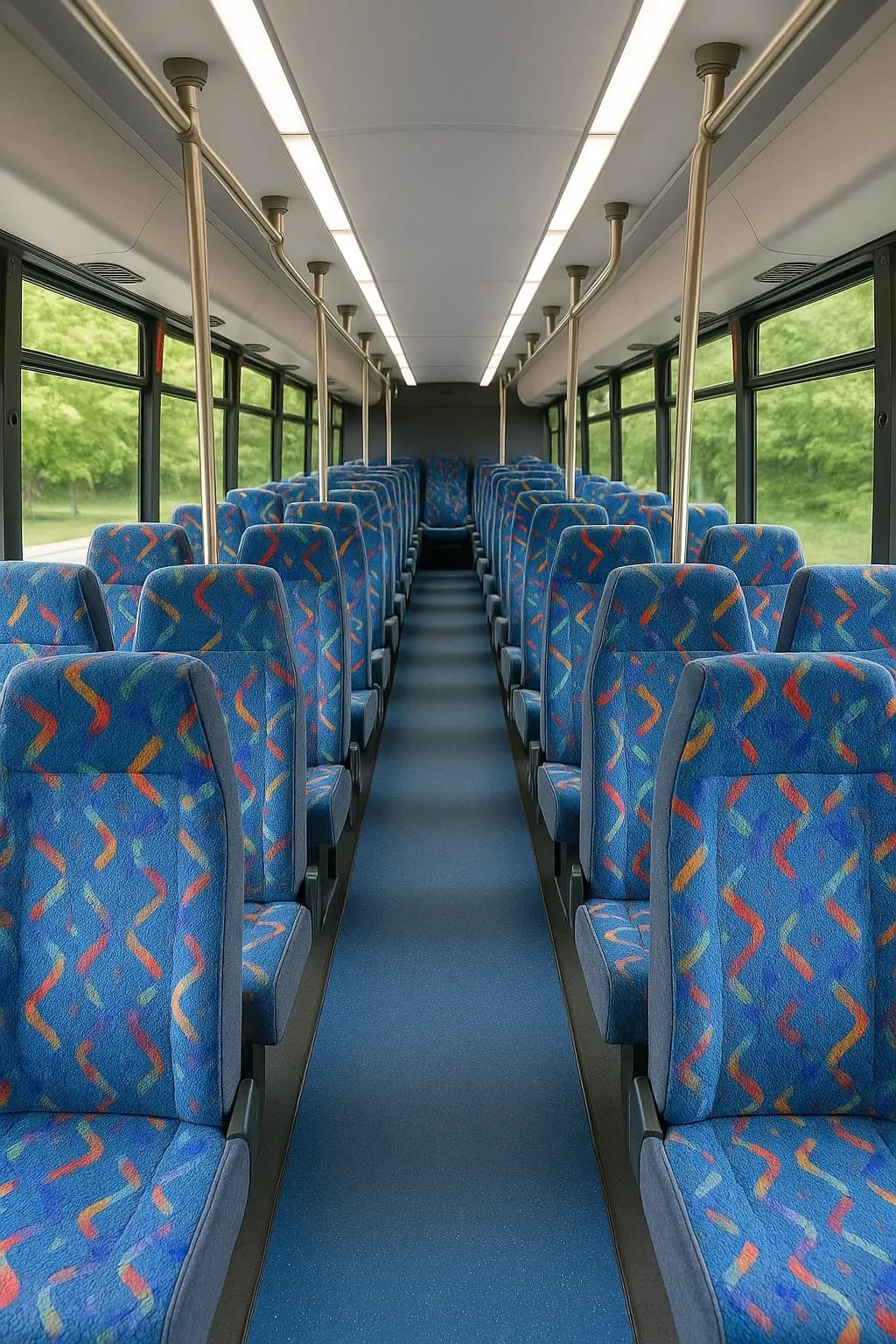
- Does the quoted vehicle have a seat belt at every seating position, and what type?
- How are drivers screened, and can the carrier put that in writing for our file?
- How old is the vehicle, and when was it last inspected?
- Can the carrier be set up as a vendor and accept a purchase order, and what paperwork does that need?
How many seats once chaperones are counted?
Count every body, including the ones nobody thinks of as passengers.
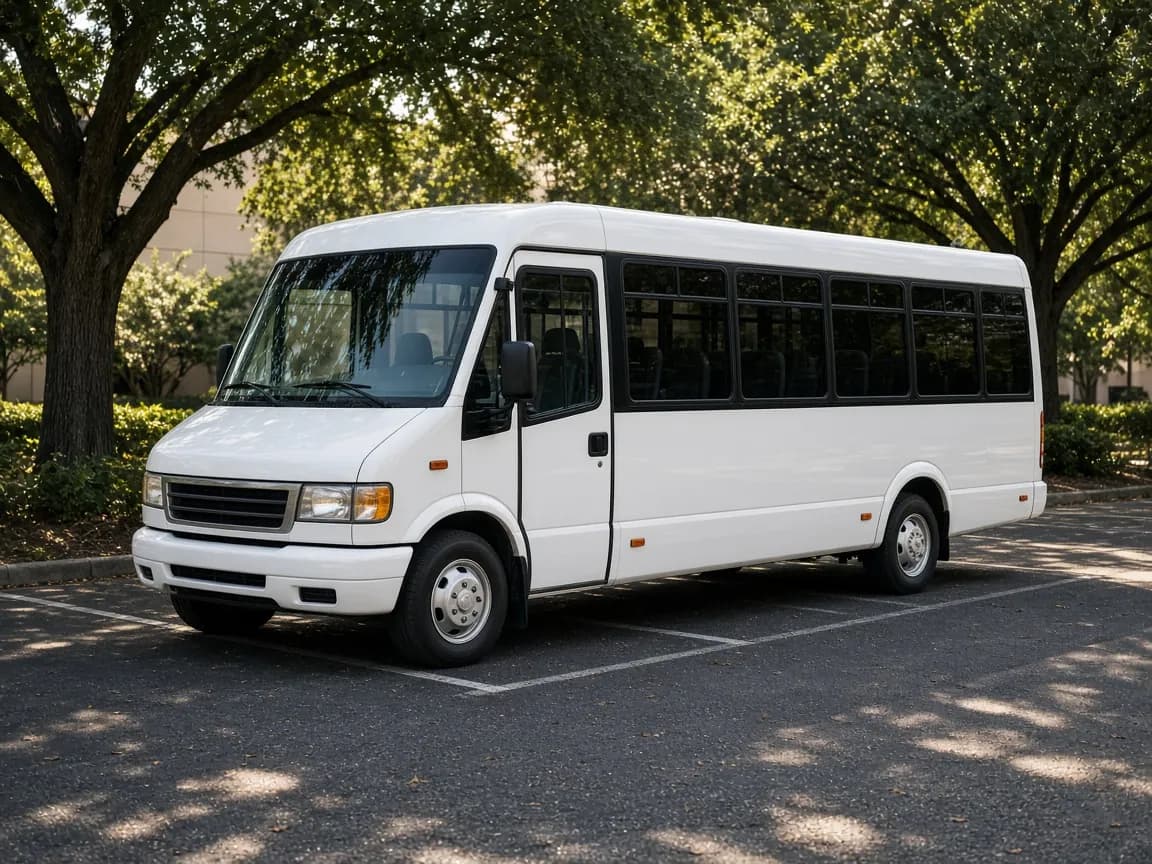
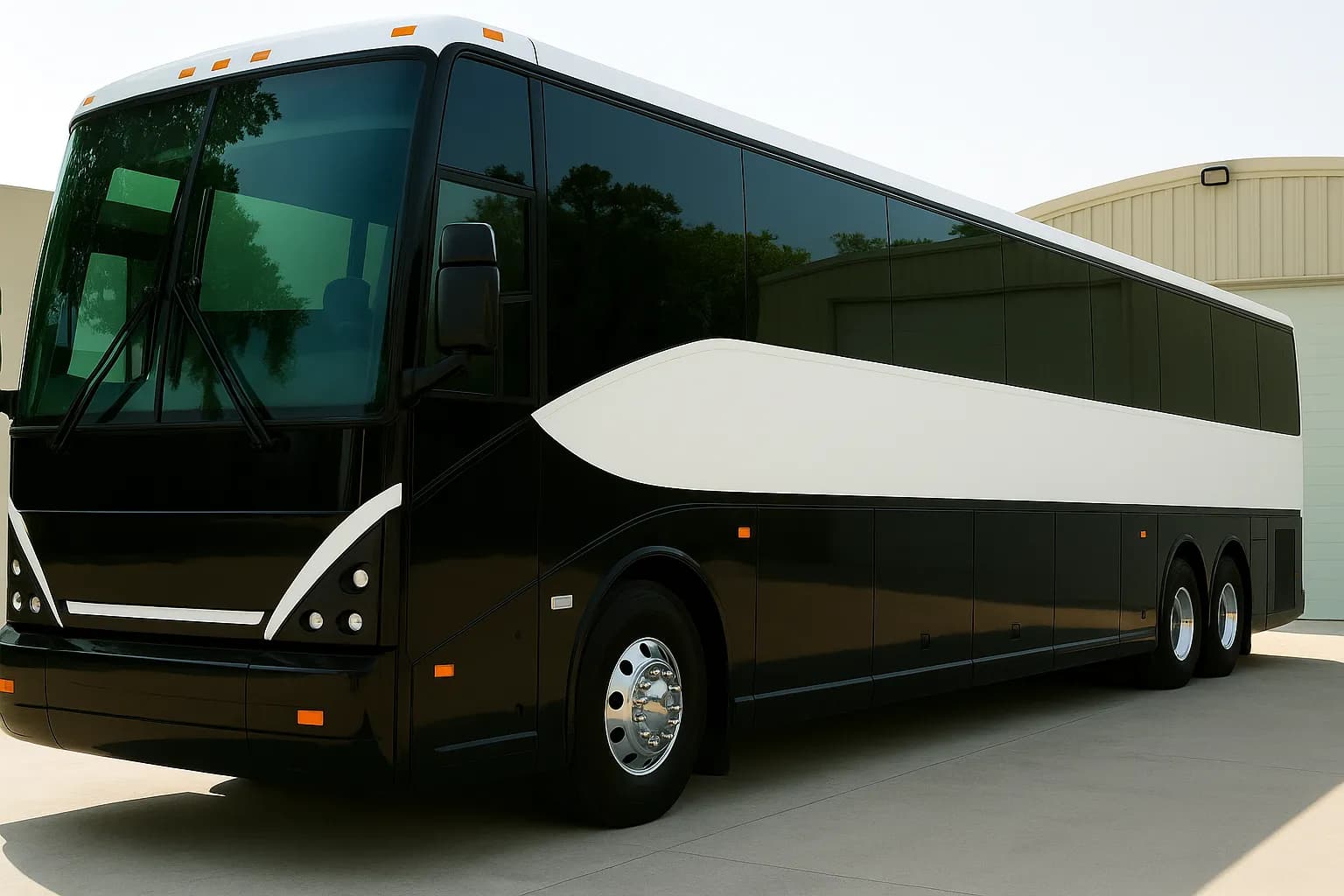
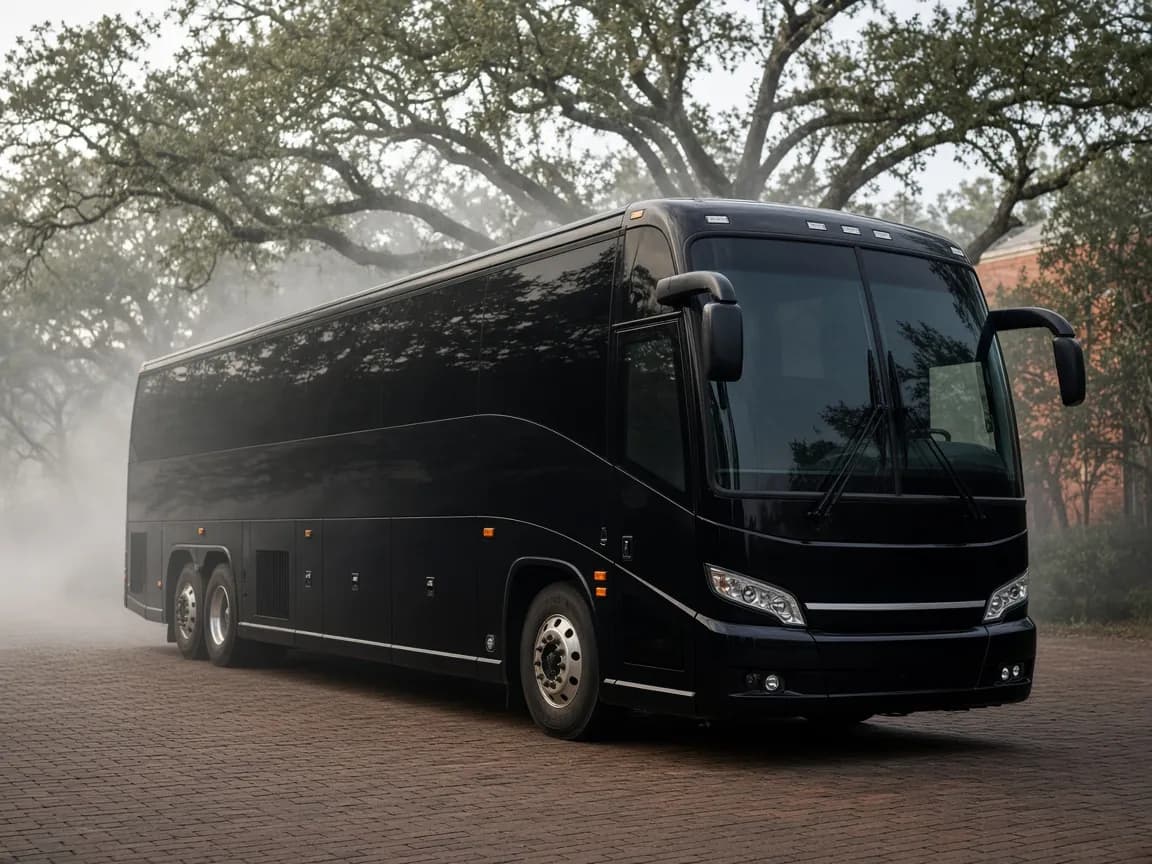
A class of 26 at a common elementary ratio of one adult to eight or ten students is 29 or 30 riders, and your district's ratio may be stricter for younger grades. The 36 Passenger Shuttle Bus covers one class with space for a cooler of lunches. Two classes, call it 55 to 60 with adults, will not fit one vehicle: plan on a 48 Passenger Coach Bus plus a smaller shuttle, or two mid-size buses.
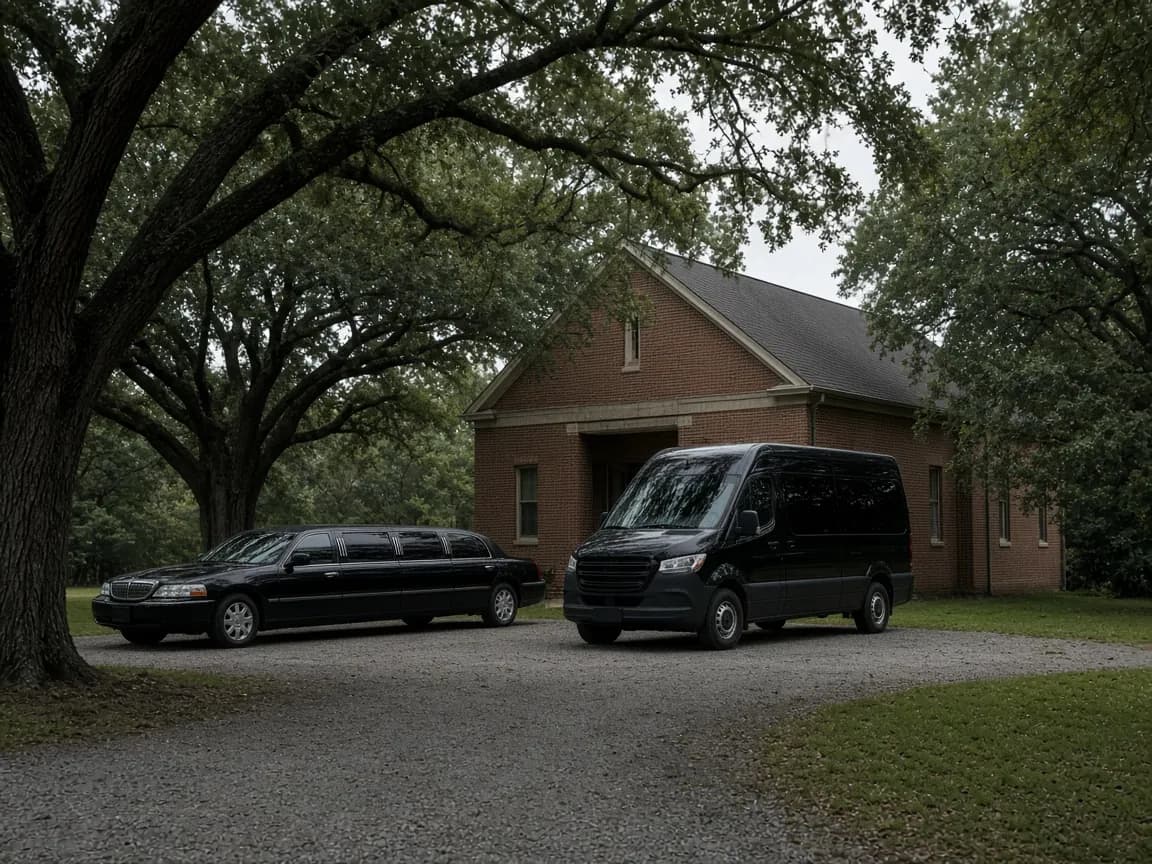
School groups are larger than most of what transportation companies hear about, which is the real reason to book early. In Houston, only about 5% of inquiries in our records were for 31 to 40 passengers. Among inquiries across all markets mentioning a coach bus, about 24% were for 41 to 50 riders and about 13% for 51 to 75. The 56 Passenger Coach Bus is the largest listed, and the capacity finder shows every step below it. Party buses and limousines are the wrong tool whatever the size; perimeter seating is built for adult celebrations. Ask for forward-facing seats from the luxury coach and shuttle lineup.
Sixty people do not fit one bus. Have that conversation in September, not April.
How does a trip fit inside the school day?
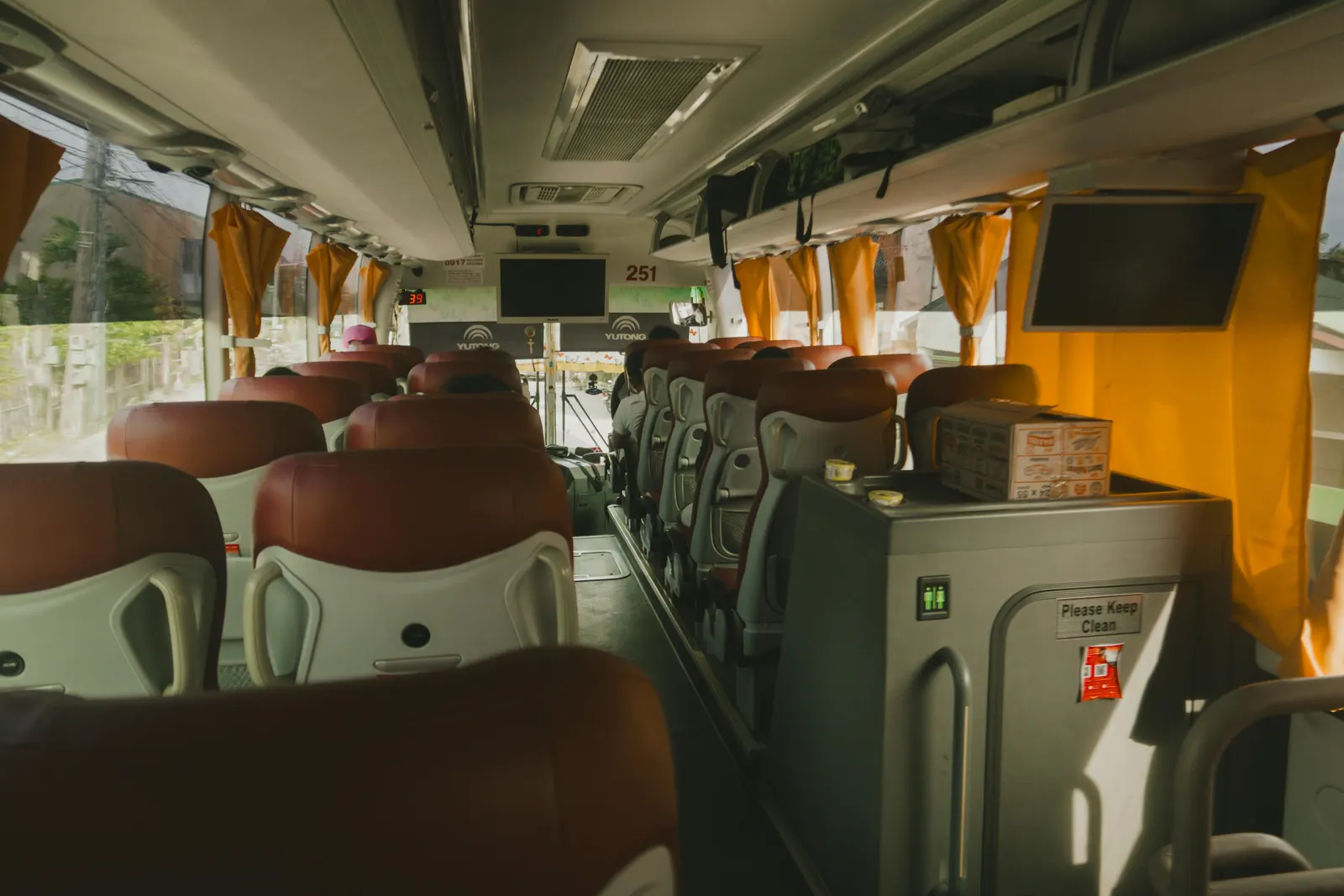
Load after attendance at 8:45, back before dismissal at 2:45. That is the envelope.
Across all markets in our inquiry records, about 20% of requests with a stated duration asked for five to six hours, the shape of an ordinary field trip. The constraint is rarely the venue. It is the car-rider line, which blocks the bus loop at both ends of the day, so ask your assistant principal where a 40-foot vehicle can load without meeting the morning drop-off head on.
Drive times from most campuses are manageable if you dodge the peaks. The Museum District and the Houston Zoo are typically 20 to 40 minutes from schools inside Beltway 8. Space Center Houston is 35 to 50 minutes down I-45. The San Jacinto Monument in La Porte is about 35 to 45 minutes east, and George Ranch Historical Park near Richmond 40 to 50 minutes southwest. The venue distance calculator gives typical times between listed venues, a figure to adjust for your campus.
What happens at the venue?
Large venues give school groups an entry time and a drop-off point that is not the public entrance, and the driver will not know it unless somebody tells him.
Forward the venue's group confirmation to the provider so the right gate is in the paperwork. In the Museum District, buses unload at the curb and park elsewhere, so the pickup time and place get agreed before a student steps off. Give each chaperone a numbered group and a colored wristband, and reboarding takes two minutes instead of ten.
Lunches catch everyone out. Most museums do not allow food inside, and the bus may not be at the curb at noon. Ask whether the coolers can stay aboard and whether the bus is reachable at midday, or plan to carry lunches to a picnic area such as the Hermann Park lawns.
Wristbands by color. A head count that takes ten minutes is one nobody trusts.
How should a school budget for this?
The budget request form wants a number before anyone will give you a quote, which is the wrong way round but is how it works.
Some history helps. Among inquiries mentioning a coach bus with a historical quote attached, about 47% fell in the $1,500 to $1,999 band. Those are past quotes from many cities and many kinds of trip. It is not a price. A six-hour Tuesday in May to Space Center Houston in a 36 passenger shuttle is a different request from a two-coach run to Austin, and the figure comes back for the trip you describe.
Divide the written quote by the paying students to set the trip fee, and decide in advance, quietly, how the PTA or activity fund covers students who cannot pay. The budget planner holds admission, transportation and lunch on one sheet. Evening events such as prom and homecoming are booked privately by parents; those pages cover them.
A real one: 52 fourth graders and 7 adults, Cypress to Space Center Houston
Two vehicles, a 36 passenger shuttle and a 24 passenger shuttle, across a six-hour day.
8:30 am
Both buses stage in the side lot, away from the car-rider line. Teachers take attendance in classrooms first.
8:50 am
Load by homeroom using the wristband colors. Each lead teacher carries a roster, medications and emergency cards.
9:00 am
Out via US-290 and Beltway 8 to I-45 South, typically 60 to 75 minutes once the rush has thinned.
10:15 am
Arrive at the group entrance on NASA Parkway for a 10:30 entry. Drivers park in the bus area with the coolers still aboard.
12:15 pm
Chaperones walk their groups to the assigned lunch area, sack lunches collected from the buses on the way.
1:20 pm
Reboard and count by color. Both rosters match before either bus moves.
2:35 pm
Back on campus ten minutes ahead of dismissal, unloading in the side lot.